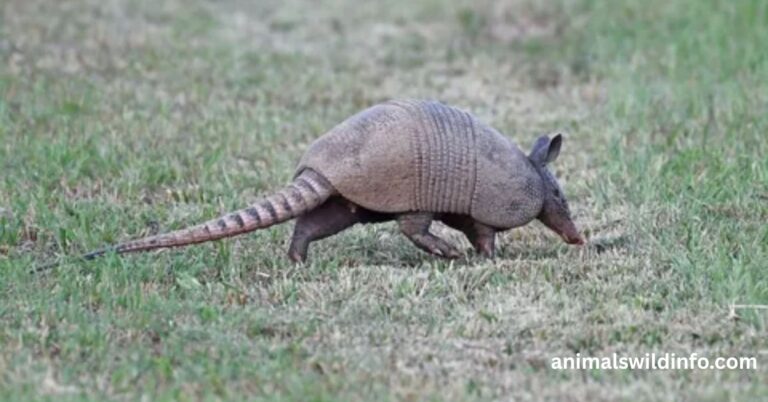
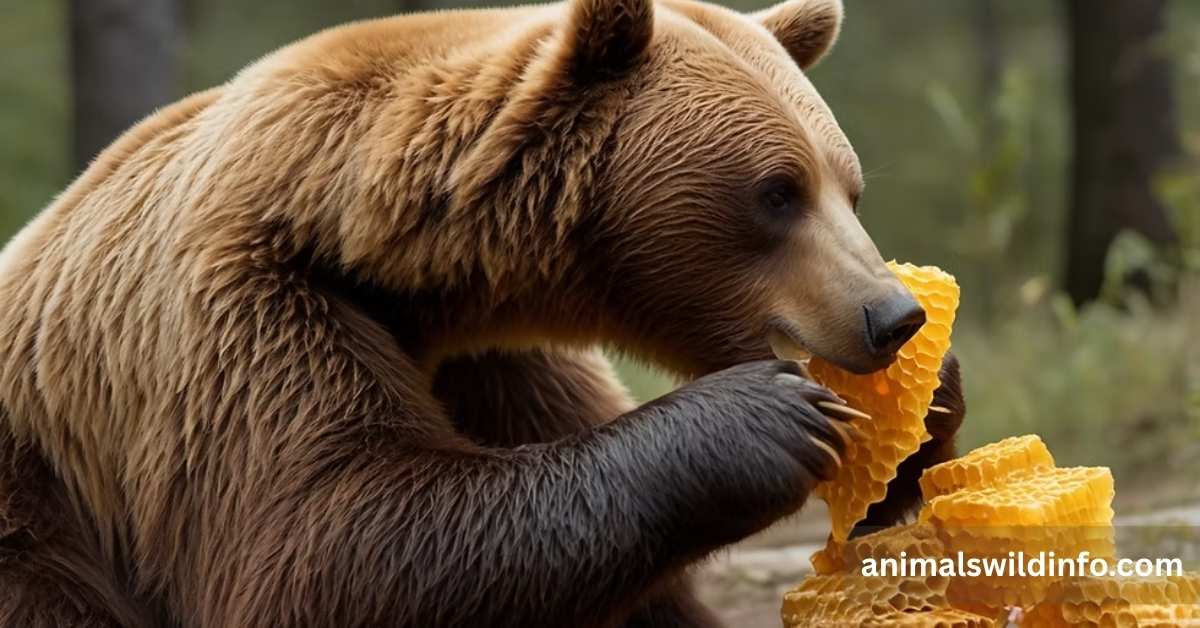
Top 15 Animals That Eat Honey (With Pictures & Fascinating Facts)
Honey isn’t just a treat for people. Many animals that eat honey roam forests, deserts, and even your backyard. Some sneak into hives at night. Others fight through angry swarms in broad daylight. This guide takes you through 15 fascinating honey eating animals, their habits, and the wild tricks they use to get a taste of nature’s sweetest reward.
You’ll meet mammals, birds, and insects that all share one thing in common. They can’t resist the pull of honey. Some go after honeycomb for the sugar rush. Others crave the protein-rich larvae hiding inside. Either way, these creatures show us just how far animals will go for a sweet bite.
Quick Comparison Table of Animals That Eat Honey
Before we dive deep, here’s a quick snapshot. This table gives you a fast look at all 15 honey-consuming animals, their scientific names, and where you’ll find them in the wild.
| Animal | Scientific Name | Class | Region |
| Honey Badger | Mellivora capensis | Mammalia | Africa, Asia |
| Sloth Bear | Melursus ursinus | Mammalia | Indian Subcontinent |
| Grizzly Bear | Ursus arctos horribilis | Mammalia | North America |
| Chimpanzee | Pan troglodytes | Mammalia | Central & West Africa |
| Raccoon | Procyon lotor | Mammalia | North America |
| Honeyguide Bird | Indicator indicator | Aves | Sub-Saharan Africa |
| Honey Buzzard | Pernis apivorus | Aves | Europe, Asia, Africa |
| Small Hive Beetle | Aethina tumida | Insecta | Africa, Global Spread |
| Honey Bee | Apis mellifera | Insecta | Worldwide |
| Honey Ant | Myrmecocystus mexicanus | Insecta | Australia, Southwest USA |
| Skunk | Mephitis mephitis | Mammalia | North America |
| Kinkajou | Potos flavus | Mammalia | Central & South America |
| Coatimundi (Coati) | Nasua narica | Mammalia | Central & South America |
| Opossum | Didelphis virginiana | Mammalia | North America |
| Yellow Jacket Wasp | Vespula species | Insecta | North America |
This table proves one thing fast. Wildlife that eats honey comes in every shape and size. From tiny insects to massive bears, honey pulls in a surprising crowd.
Why Do Some Animals Eat Honey?
Honey works like rocket fuel for animals. It’s packed with natural sugars that convert into quick energy. For animals that like honey, this matters a lot, especially when food gets scarce or winter approaches. A single raid on a beehive can deliver weeks’ worth of calories in one sitting. That’s why so many creatures risk painful stings just to get a taste.
But honey isn’t the only prize. Bee larvae and beeswax offer protein and fat, rounding out a balanced meal. This explains why omnivorous animals rarely stop at just the honey. They’ll dig through the whole hive, eating honeycomb, beeswax, and bee larvae along the way. It’s a smart survival strategy. One raid gives sugar, protein, and fat all in a single visit.
List of Animals That Eat Honey
Now let’s meet the stars of the show. Each of these 15 animals has its own style, its own tricks, and its own reason for craving honey. Some fight off angry swarms head-on. Others use patience, teamwork, or clever tools to get the job done.
Honey Badger
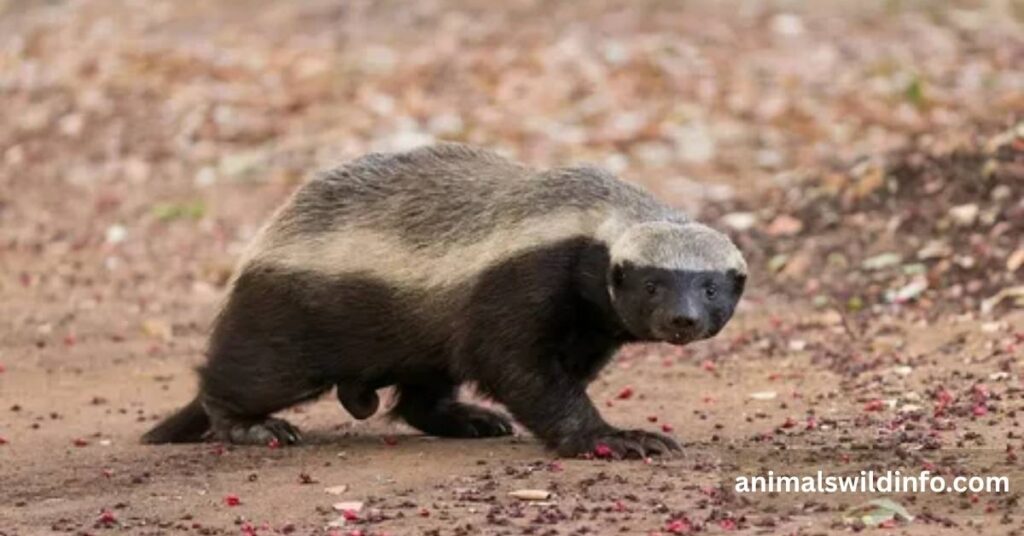
The Honey Badger earns its name honestly. This fearless mammal ranks among the boldest natural predators of bee colonies on the planet. Its loose, thick skin lets bee stings bounce off with little effect, so it can tear into a hive without hesitation. Native to Africa and parts of Asia, this small but mighty creature will fight snakes, chase off larger predators, and dig through solid ground just to reach a honeycomb.
Its reputation as nature’s toughest scavenger isn’t just internet hype. Researchers have documented honey badgers taking stings directly to the face and shrugging them off within minutes.
Read More: Top 22 Animals With Flippers (With Pictures & Fascinating Facts)
Sloth Bear
The Sloth Bear has a built-in tool for honey hunting: its long snout. This shaggy bear, found across the Indian subcontinent, uses powerful claws to rip open termite mounds and beehives alike. Its lips form a suction-like tube, letting it slurp up honey, larvae, and insects with surprising precision.
Sloth bears often climb trees to reach wild hives, showing off impressive agility for such a bulky animal. Locals in India have long respected this creature’s boldness around bee nests, and its honey diet in animals research often highlights the sloth bear as a prime example of adaptation.
Grizzly Bear
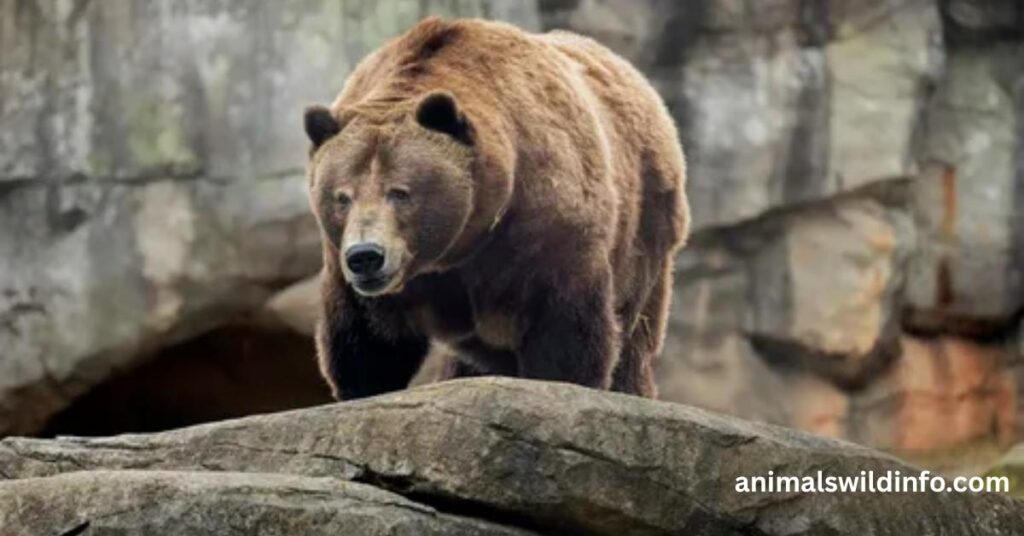
Few animals symbolize honey-raiding quite like the Grizzly Bear. Found across North America, this massive predator uses sheer strength and sharp claws to tear open hollow logs and hives. Grizzlies gorge on honey mainly in late summer and fall, building fat reserves before winter hibernation.
Beekeepers in states like Montana and Wyoming often deal with grizzly break-ins, sometimes losing entire hive boxes overnight. Their thick fur offers some protection from stings, though grizzlies clearly don’t mind a few painful pokes if it means a hearty meal.
Chimpanzee
Chimpanzee troops show off impressive brainpower when it comes to honey. These primates use sticks and twigs as tools, poking them into hives to pull out sticky, golden rewards. Different chimp communities pass down their own unique techniques, almost like family recipes handed through generations.
This behavior highlights more than just a sweet tooth. It shows problem-solving skills, patience, and social learning passed between group members. Watching a chimp carefully work a stick into a hive reveals just how close these animals are to matching human ingenuity.
Raccoon
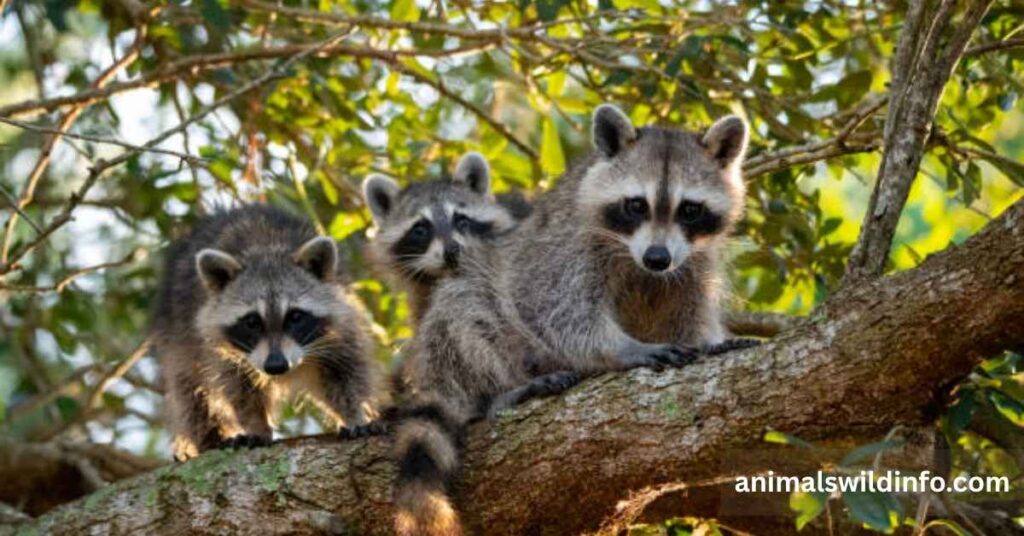
The clever Raccoon brings nighttime mischief to backyard beehives across the United States. With dexterous front paws that work almost like hands, raccoons pry open hive boxes and scoop out honeycomb piece by piece.
Beekeepers often find claw marks and torn frames the morning after a raccoon visit. These masked bandits don’t just want the honey either. They’ll happily munch on bee larvae too, treating the whole hive like an all-you-can-eat buffet. Their curiosity and persistence make them one of the most common bee hive raiders in suburban America.
Read More: Top 17 Thickest Skin Animals in the World (With Pictures & Amazing Facts)
Honeyguide Bird
The Honeyguide Bird takes teamwork to a whole new level. Native to sub-Saharan Africa, this small bird can’t break into hives on its own, so it recruits help instead. It leads honey badgers, and even human honey hunters, straight to wild beehives using specific calls and flight patterns.
Once the hive gets cracked open, the honeyguide swoops in for leftover wax and larvae. This partnership between bird and mammal (or bird and human) stands as one of nature’s most remarkable examples of cross-species cooperation.
Honey Buzzard
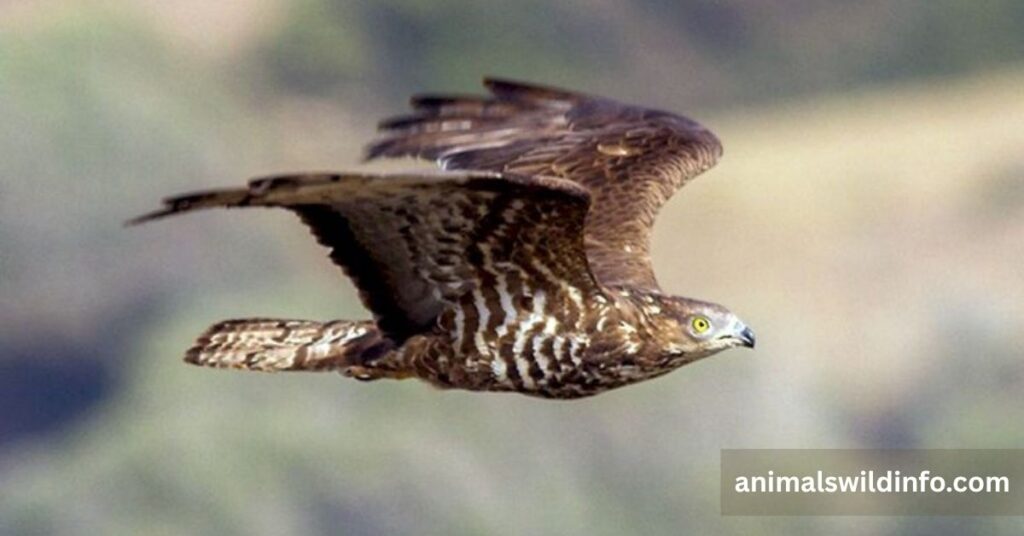
Don’t let the name fool you. The Honey Buzzard isn’t a typical buzzard at all, but a specialized raptor built for raiding hives. Found across Europe, Asia, and parts of Africa, this bird has thick, scale-like feathers around its face that resist bee stings far better than most animals.
It digs into underground and tree hives using strong talons, feasting on larvae, wax, and honey together. Unlike many predators, honey buzzards actively seek out hives as a primary food source, rather than treating it as an occasional snack.
Small Hive Beetle
The Small Hive Beetle plays a sneaky, dual role inside bee colonies. Originally from Africa, this tiny insect has spread across the globe, often riding along in shipped beehives. It targets weak or stressed hives, laying eggs directly inside the honeycomb structure.
Once hatched, the larvae feast on honey, pollen, and wax, sometimes causing serious damage to a struggling colony. Beekeepers view this beetle as both a pest and a warning sign, since its presence often signals a hive already under stress.
Honey Bee
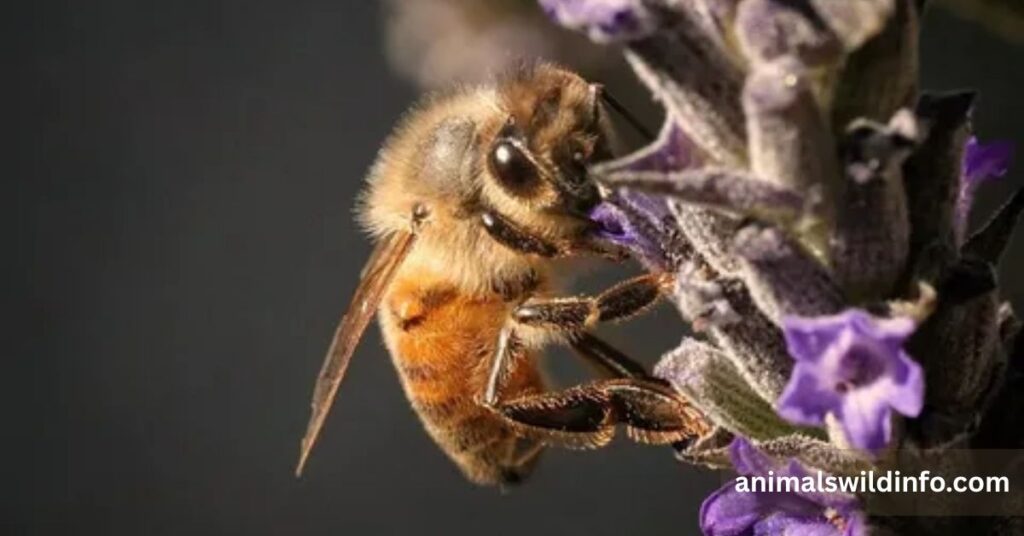
Of course, no list would be complete without the Honey Bee itself. These incredible social insects don’t just make honey for humans. They rely on it as their own primary food source, especially during colder months when flowers stop blooming.
Worker bees convert nectar into honey through a careful enzymatic process, then store it in wax cells for later use. This stored energy keeps the entire bee colony alive through winter, proving that honey isn’t just a treat but a lifeline for the very insects that create it.
Honey Ant
The Honey Ant turns its own body into a living pantry. Found in Australia and the American Southwest, certain worker ants, called repletes, store liquid food in their swollen abdomens. Other ants in the colony tap these living storage units during droughts or food shortages.
This bizarre but brilliant adaptation shows how foraging behavior can evolve in extreme, harsh environments. Indigenous communities in Australia have even harvested honey ants directly as a traditional food source for generations.
Skunk
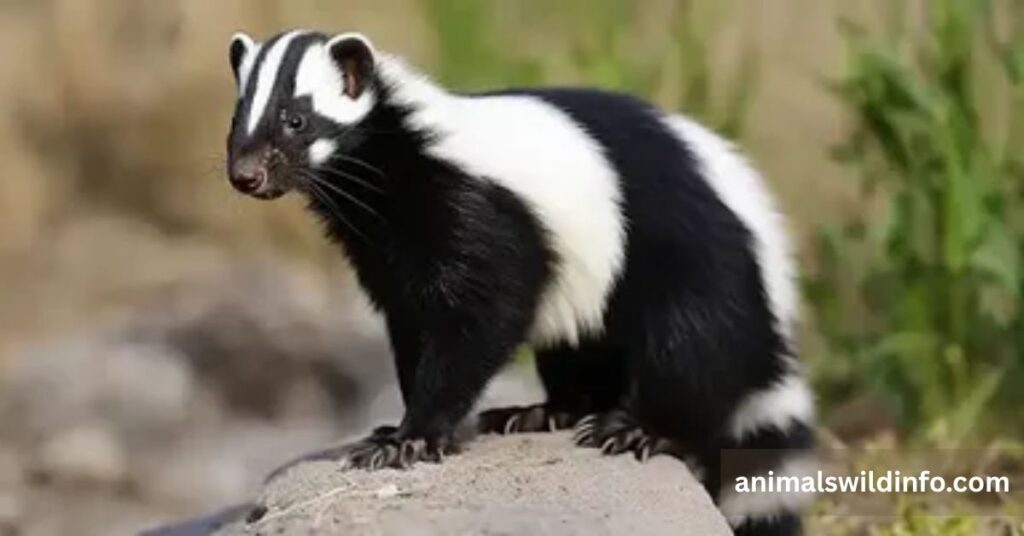
Yes, even the Skunk loves a good honey raid. Despite its reputation for spraying, this North American mammal shows real courage when a beehive is nearby. Skunks scratch at hive entrances at night, provoking guard bees to come out and sting them.
This oddly clever tactic tires out the bees, making it easier to break through and reach the sweet reward inside. Along with honey, skunks happily snack on larvae and adult bees, treating the whole hive as a protein-packed meal.
Kinkajou
Deep in Central and South American rainforests, the Kinkajou moves through the canopy in search of sweet food. This nocturnal mammal, sometimes mistaken for a small monkey, has a long prehensile tail that helps it balance on branches while raiding wild hives.
Its long tongue slips easily into narrow openings, letting it lap up honey without much fuss. Locals sometimes call kinkajous “honey bears,” a nickname that captures their sweet-toothed reputation perfectly.
Coatimundi (Coati)
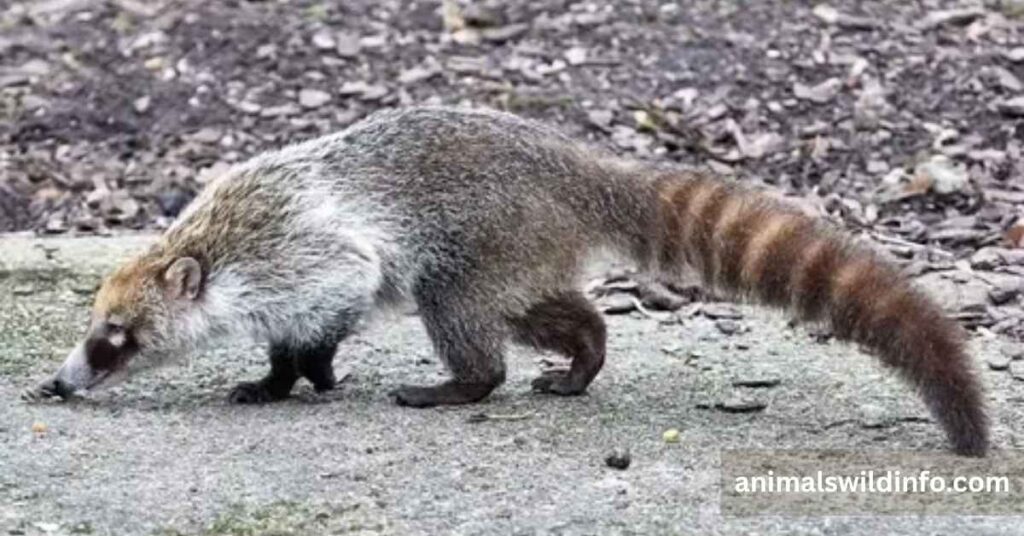
A close cousin of the raccoon, the Coatimundi, often just called coati, shares that same sweet obsession. Found throughout Central and South America, this animal uses sharp claws and a flexible snout to dig into both ground-level and tree hives.
Coatis often travel in groups, which means a single hive discovery can turn into a full family feast. Their strong sense of smell helps them detect hidden honey stores from surprising distances, making them efficient hive predators in their native range.
Opossum
The humble Opossum may not seem like an obvious honey lover, but it certainly qualifies. This adaptable American marsupial eats almost anything, and honey ranks high on its list of favorite finds. Opossums often stumble upon abandoned or weak hives, scooping out honeycomb along with any trapped insects inside.
Their strong immune systems and general toughness let them handle occasional stings without much trouble. As true opportunistic feeders, opossums rarely pass up an easy meal, honey included.
Read More: Top 20 Clumsy Animals in the World (With Pictures & Surprising Facts)
Yellow Jacket Wasp
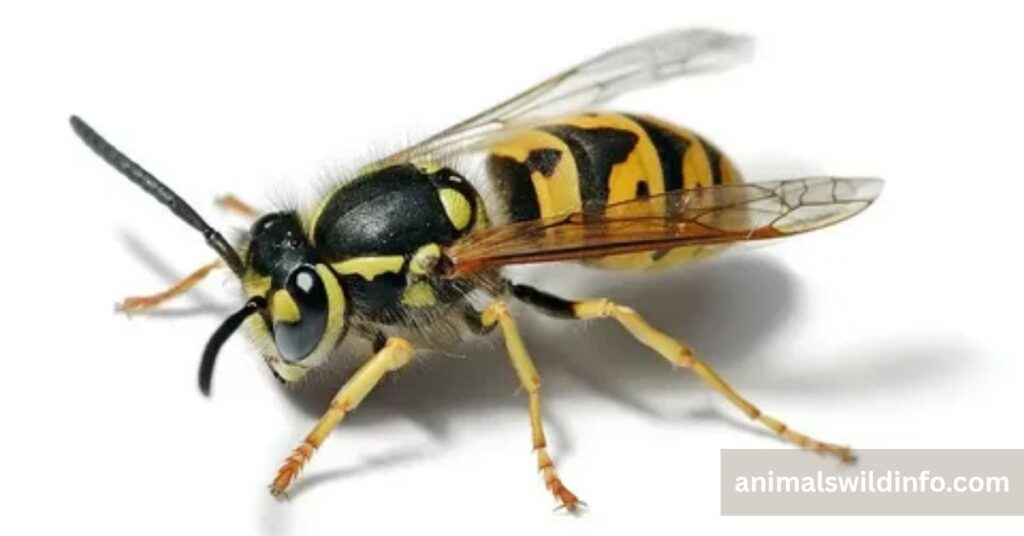
Rounding out the list, the Yellow Jacket Wasp brings aggressive competition into the honey world. Unlike bees, these wasps don’t produce honey themselves, but they’ll gladly raid weaker bee colonies to steal it. Found throughout North America, yellow jackets attack in coordinated groups, overwhelming smaller hives with sheer numbers.
Beekeepers consider them a serious threat during late summer, when wasp colonies peak in size and aggression. Their willingness to invade rival colonies makes them true bee colony predators in every sense.
How Animals Find and Eat Honey
Locating a hidden hive takes serious skill, and different animals attracted to honey rely on very different senses. Bears and honey badgers use powerful smell to detect hives from surprisingly long distances. Birds like the honeyguide rely on sharp eyesight and memory, tracking bee flight patterns back to their source. Insects like the small hive beetle simply move in close, sensing weakness in a struggling colony.
Once a hive gets found, the real challenge begins: getting inside safely. Claws, tools, thick skin, and teamwork all come into play here. Chimpanzees use sticks, honey badgers dig and claw, and skunks provoke bees into exhaustion before striking. This variety in adaptations for eating honey shows just how creative evolution can get when a sweet reward is on the line.
Which Animal Loves Honey the Most?
If you had to crown one champion, the Honey Badger would likely take the title. Its fearless nature, resistance to stings, and relentless digging make it the most dedicated honey hunter in the animal kingdom. Unlike most predators, honey badgers don’t just raid hives occasionally. They actively seek them out as a preferred food source, showing persistence that few other animals can match.
Still, competition remains fierce. The Sloth Bear and Grizzly Bear both show incredible dedication, often traveling long distances just for a taste of wild honey. The Honey Bee itself, of course, depends on honey more than any other creature on this list, simply because it created the substance in the first place. Each of these honey-loving mammals and insects proves that the pull of honey runs deep across the animal kingdom.
Are Animals Immune to Bee Stings?
Here’s a common myth worth clearing up. No animal holds true immunity to bee stings, not even the honey badger. What these animals actually have is thick skin, dense fur, or tough feathers that reduce how much a sting actually hurts. The honey badger’s loose skin, for example, lets it twist and turn away from an attacker mid-bite, limiting how deep any sting or bite can land.
That said, some animals do tolerate repeated stings far better than others. Bears rely on thick fur for partial protection, while birds like the honey buzzard use specialized facial feathers to block stingers. Even with these advantages, most animals resistant to bee stings still feel some pain during a raid. They simply push through it, because the reward of honey outweighs the temporary discomfort of an angry swarm.
Final Thoughts
From tiny honey ants to massive grizzly bears, this list proves one thing clearly. Wild animals that eat honey come from every corner of the animal kingdom, each with its own clever method for getting the job done. Whether it’s a chimpanzee using tools, a bird recruiting help, or an insect turning its own body into storage, honey brings out remarkable creativity in nature.
Beyond the fascinating behaviors, these animals also remind us how connected ecosystems really are. Bees pollinate plants, animals raid hives for energy, and the whole cycle supports pollination and plant growth across entire regions. Protecting bee colonies and their habitats doesn’t just help bees. It helps every creature on this list, and countless others, that depend on honey as part of a much bigger, sweeter web of life.
Frequently Asked Questions
Many animals enjoy honey, but the Honey Badger stands out as one of the boldest. Bears, raccoons, chimpanzees, and even skunks also actively seek out honey whenever they get the chance.
The Honey Badger likely eats the most honey relative to its size and effort. It raids hives constantly and shows almost no hesitation around aggressive bee swarms.
Yes, honey badgers genuinely eat honey, along with beeswax and bee larvae. Their thick skin lets them dig into hives without suffering serious harm from stings.
Beyond the honey badger, animals like the Sloth Bear, Grizzly Bear, Raccoon, and Kinkajou all show a strong love for honey. Even insects like the Yellow Jacket Wasp will steal it from weaker hives.
Bears, especially the Grizzly Bear and Sloth Bear, consume large amounts of honey, particularly before winter. Their size lets them handle bigger hives and larger quantities in one sitting.
Surprisingly, yes. Honey rarely spoils due to its low moisture content and natural acidity. Archaeologists have found ancient honey in Egyptian tombs that remained edible after thousands of years.
In most cases, yes, honey offers animals a quick, calorie-rich energy source. However, wild honey often comes packaged with wax, larvae, and pollen, all of which add extra nutritional value beyond just sugar.