Top 14 Animals with Whiskers (With Pictures & Amazing Facts)
Did you know that whiskers aren’t just cute? They’re some of the most useful survival tools nature ever built. If you’ve ever watched your cat squeeze through a narrow gap or your dog sniff around a dark corner, you’ve seenAnimals with Whiskers at work. These little hairs do a lot more than sit on a face and look charming. They act as tiny antennas, feeding an animal constant information about the world around it, long before the eyes or ears catch on.
In this guide, we’ll dig into why do animals have whiskers, what they’re made of, and which creatures rely on them the most. You’ll meet whiskered animals from your living room to the deep ocean, and you’ll learn how these hairs shape everything from hunting to friendship. By the end, you’ll never look at a whisker the same way again, and you might even start noticing them on animals you never expected.
What Are Whiskers?
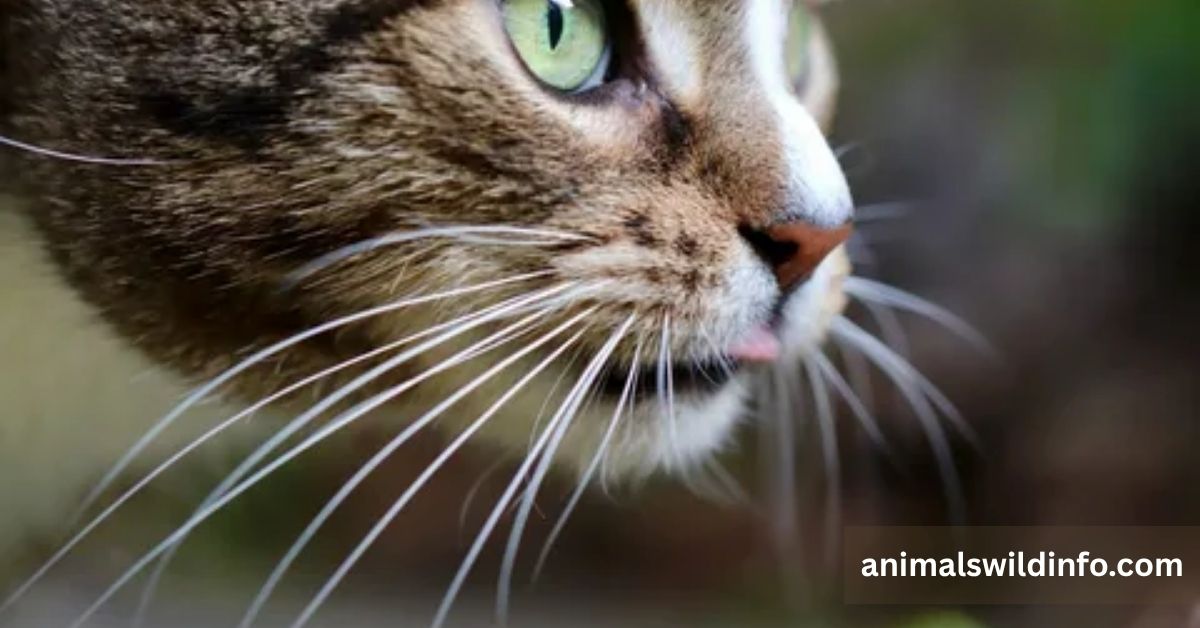
Whiskers, also called vibrissae, are thick, stiff hairs found mostly around an animal’s face. They’re not like the soft fur that covers most of a cat’s body. Whiskers grow deeper into the skin, and they connect to a rich supply of nerve endings. This makes them incredibly sensitive to touch, air movement, and even tiny vibrations that most other senses would miss entirely. Some animals have dozens of whiskers, while others, like walruses, carry hundreds spread across their snout.
You’ll find facial whiskers on cats, dogs, seals, rats, and dozens of other creatures. Some animals even grow them on their legs, above their eyes, or along their jawline. Whether an animal lives on land or in water, whiskers give it an extra layer of sensory perception that regular vision or hearing simply can’t match. That’s why they matter so much to animal anatomy and everyday survival, and why scientists still study them to understand how so much sensory data gets packed into such a small structure.
What Are Animal Whiskers Made Of?
Whiskers are made of keratin, the same tough protein found in hair, nails, and horns. But unlike regular fur, each whisker root sits inside a blood-filled pocket called a follicle-sinus complex. This sinus amplifies even the smallest touch, sending signals straight to the brain through a dense web of touch receptors and nerves. Some whiskers carry more nerve fibers than an entire human fingertip, which explains why they respond to such faint signals. That’s what makes vibrissae hair so different from an ordinary strand of fur, and why it can never simply be replaced by regular hair follicles.
How Are Whiskers Different from Regular Hair?
Regular hair sits loosely in the skin and doesn’t carry much sensory information beyond basic protection or insulation. Whiskers, on the other hand, are anchored much deeper and linked to facial muscles, so an animal can move them on purpose whenever it wants to explore or react. This gives creatures precise control over their sensory hairs, letting them point whiskers forward to investigate something new or pull them flat against the face when relaxed and unbothered. Regular fur just can’t do that, no matter how thick or long it grows.
Why Do Animals Have Whiskers?
The function of whiskers goes far beyond appearance. They act like an extra sense, picking up signals that eyes and ears often miss entirely, especially in tricky conditions like fog, darkness, or murky water. Many animals that rely on whiskers live in dark burrows, murky rivers, or dense grass, where sight alone won’t cut it and hearing only tells part of the story.
Whiskers help with four big jobs: getting around, finding food, staying safe, and talking to other animals. Some species lean more heavily on one function than another, depending on where they live and what they eat. Let’s break down each of these one by one, so you can see exactly how whiskers help animals survive in their habitat, no matter how harsh or unpredictable it might be.
Navigation and Movement
Whiskers act like feelers, helping animals judge distance and width before they commit to a move. A cat won’t squeeze through a gap unless its whiskers say it’s safe, and a rat won’t dash into a tunnel without first checking the space with a quick sweep. This is a form of animal navigation that works even in pitch darkness, giving creatures the confidence to move through tight or unfamiliar spaces without bumping into anything or wasting valuable energy backtracking.
Hunting and Finding Food
Many predators use whiskers during hunting behavior, especially underwater, where light barely reaches and vision becomes almost useless. Seals and otters track the faint vibrations left behind by swimming fish, sometimes minutes after the fish has already passed through the area. This kind of prey detection doesn’t need light at all, which makes whiskers priceless for animals hunting in dark environments or deep water, where a single missed meal could mean going hungry for days.
Detecting Danger
Whiskers double as an early warning system, constantly scanning the surrounding air for anything unusual. They can sense sudden shifts in air currents, which often signal an approaching predator long before it comes into view or makes a sound. This skill supports predator detection for smaller animals like rats and rabbits, giving them a split-second head start to flee, freeze, or hide before danger arrives close enough to strike.
Communication and Body Language
Whiskers aren’t just practical, they’re expressive too, working almost like a second facial expression. A relaxed animal holds its whiskers loosely against its cheeks, while a startled or aggressive one pushes them forward and tenses them for action. This subtle shift plays a real role in animal communication, helping creatures signal mood, warn off rivals, or bond with family members through gentle whisker touches during grooming and play.
List of Animals with Whiskers
So which creatures make the most of this handy adaptation? Below, you’ll find a mix of pets, wild animals, and sea creatures that all count among the more fascinating animals with vibrissae. Some you’ll recognize right away from your own backyard, while others might surprise you with just how far this trait spreads across the animal kingdom.
Each entry below includes the animal’s scientific name, class, and diet, followed by details on how it uses its whiskers day to day. Here’s the full list of mammals with whiskers we’ll cover in this guide:
| Number | Animal |
| 1 | Cat |
| 2 | European Rabbit |
| 3 | Dog |
| 4 | Otter |
| 5 | Etruscan Shrew |
| 6 | Seal |
| 7 | Beaver |
| 8 | Rat |
| 9 | Manatee |
| 10 | Horse |
| 11 | Raccoon |
| 12 | Sea Lion |
| 13 | Mountain Lion |
| 14 | Walrus |
1. Cat
Scientific name: Felis catus Class: Mammalia Diet: Carnivore

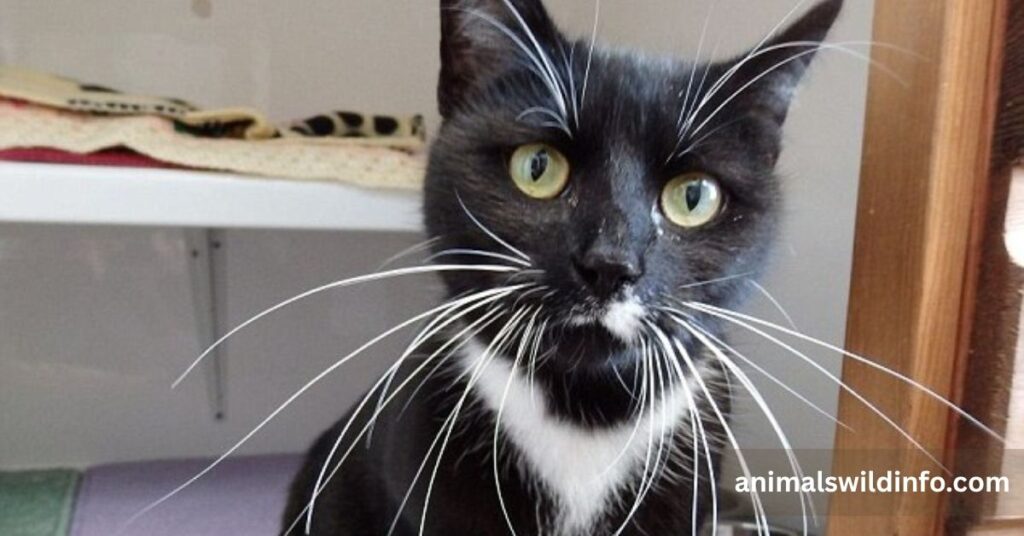
Cat whiskers are some of the most well-known sensory hairs in the animal kingdom, and most owners notice them without ever thinking twice about their real purpose. They sit on either side of a cat’s nose, above its eyes, and even on the back of its front legs, forming a full sensory net around the head and paws. These whiskers help a cat judge gaps, track moving prey, and move confidently through the dark, since a cat’s whiskers span roughly the same width as its body. Because they’re so packed with nerves, even a light touch tells a cat exactly what’s around it, right down to the texture and shape of nearby objects.
Whiskers also reveal a cat’s mood in a heartbeat, acting almost like a built-in emotional display. When a cat feels calm, its whiskers rest softly against its cheeks, barely moving unless something catches its attention. When it’s startled or ready to pounce, they snap forward and stay rigid until the moment passes. This makes whiskers a built-in mood ring, giving owners a simple way to read what their pet is feeling before it even meows, hisses, or flicks its tail in warning.
Read More: Top 24 Adorable Chubby Animals in the World (With Pictures)
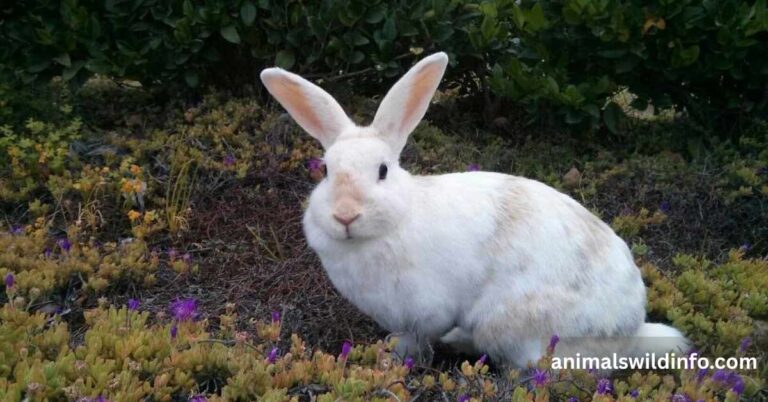
2. European Rabbit
Scientific name: Oryctolagus cuniculus Class: Mammalia Diet: Herbivore
Rabbit whiskers stretch nearly as wide as the rabbit’s body, which helps it judge whether a burrow entrance is wide enough to pass through without getting stuck. Since rabbits often dig and travel through dark, twisting tunnels, whiskers act as a built-in measuring tool that works entirely without light. This kind of environmental awareness keeps rabbits from getting trapped underground, which could easily turn deadly if a predator happened to be nearby at the same time.
Rabbits also live in tightly packed colonies called warrens, and whiskers play a role there too, well beyond simple measurement. During grooming, rabbits brush whiskers against each other, strengthening social bonds and reinforcing the trust that holds a warren together. It’s a small gesture, but it shows how whiskers for communication support rabbit family life just as much as whiskers for navigation support their daily movement through the underground world they call home.
3. Dog
Scientific name: Canis lupus familiaris Class: Mammalia Diet: Omnivore

Dog whiskers work like a built-in radar system, constantly gathering information that a dog’s eyes might miss. They sit above the eyes, on the muzzle, and under the jaw, picking up subtle changes in airflow as the dog moves through its surroundings. This helps dogs judge distance in the dark and avoid walking into objects, especially since dogs see fairly poorly up close compared to humans. It’s a skill rooted deep in evolutionary adaptation, dating back to wild ancestors who hunted at night and needed every sensory edge they could get.
Different breeds show different whisker patterns too, shaped by generations of selective breeding for specific jobs. Hunting dogs like retrievers often have longer, more sensitive whiskers, which boosts their ability to track scents and detect subtle movement in tall grass or thick brush. This shows how wildlife behavior shapes even small physical traits, giving each breed an edge suited to its original purpose, whether that’s flushing birds or guarding a farm at night.
4. Otter
Scientific name: Lutra lutra Class: Mammalia Diet: Carnivore
Otter whiskers are built for life in the water, and they’re noticeably thicker than the whiskers you’d find on most land mammals. Thick and stiff, they detect the tiniest ripple left behind by a swimming fish, sometimes from several feet away. This is a textbook case of underwater navigation, since otters often hunt in murky rivers and lakes where eyesight alone won’t get the job done. Their whiskers practically do the seeing for them, mapping out the water in real time as they swim.
Beyond hunting, otters use whisker movement to interact socially, especially within tight family groups. Subtle twitches during play or grooming send signals to other otters nearby, helping maintain the playful bonds otters are famous for. It’s another reminder that whiskers aren’t just tools for foraging, they’re also a quiet form of body language among close-knit otter groups that spend most of their lives together.
5. Etruscan Shrew
Scientific name: Suncus etruscus Class: Mammalia Diet: Insectivore
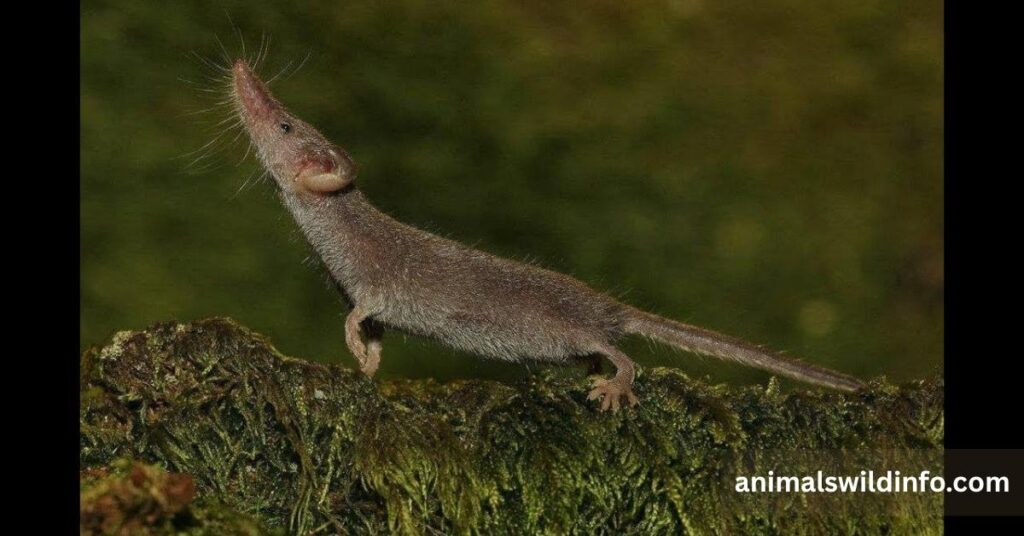
The Etruscan shrew holds the title of the smallest mammal on Earth by mass, yet its whiskers punch well above their size in terms of sensitivity. Etruscan shrew whiskers detect faint vibrations from insects moving nearby, letting this tiny hunter catch prey almost as heavy as itself in complete darkness. Since the shrew has poor eyesight and a metabolism that demands near-constant feeding, its whiskers act as its main window to the world, guiding nearly every hunt it makes.
This reliance on touch over sight offers a fascinating look at sensory perception in miniature form. Rather than depending on vision like many mammals, the shrew leans almost entirely on tactile input to locate food and avoid danger. It’s proof that big survival skills can come from a surprisingly small package, and researchers continue to study the shrew’s whiskers as a model for understanding rapid sensory processing.
6. Seal
Scientific name: Phoca vitulina Class: Mammalia Diet: Carnivore
Seal whiskers count among the most sensitive in the entire animal kingdom, and scientists have measured their sensitivity in controlled studies with striking results. They can detect the faint wake left by a fish that swam by several minutes earlier, following the trail almost like a bloodhound follows scent on land. This gives seals a serious edge during hunting behavior, letting them track prey through cold, dark water where sight is nearly useless past the first few feet.
Seals also use their whiskers to judge the size and shape of nearby objects, which helps them navigate rocky coastlines and crowded haul-out sites. This spatial sense helps them avoid obstacles and injuries while moving in and out of the water. Combined with their instinct for predator detection, whiskers make seals remarkably well-equipped for life both on land and beneath the waves, bridging two very different worlds with one shared sense.
7. Beaver
Scientific name: Castor fiber Class: Mammalia Diet: Herbivore
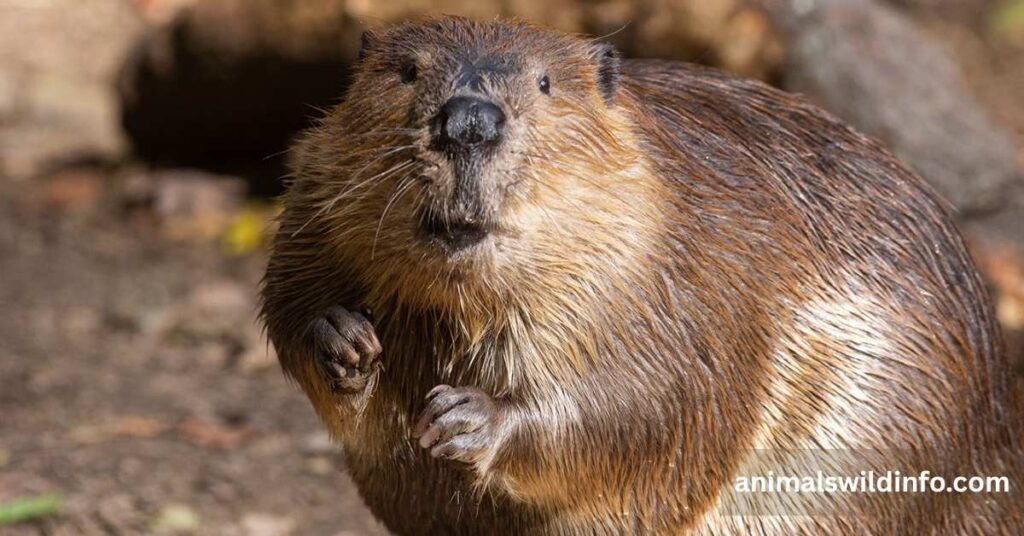
Beaver whiskers help this hardworking rodent get around in murky ponds and rivers, where visibility often drops to almost nothing. Since beavers often close their eyes, ears, and nose underwater as a natural reflex, they lean almost entirely on their whiskers to sense currents and locate food. This tactile feedback lets them build dams and lodges with surprising precision, even when they can’t see the materials they’re working with directly in front of them.
Beavers also use their whiskers as an early alert system, staying tuned to any unusual movement in the water around them. Sudden changes in water current can signal an approaching predator, giving the beaver time to dive to safety before danger gets too close. It’s a smart survival adaptation for an animal that spends so much of its life partly submerged, balancing construction work with constant vigilance.
8. Rat
Scientific name: Rattus rattus Class: Mammalia Diet: Omnivore
Rat whiskers, technically called vibrissae, sweep back and forth dozens of times per second while a rat explores new territory. This rapid motion, known as whisking, builds a detailed mental map of tight spaces and tunnels almost instantly, letting the rat commit the layout to memory after just one pass. Since rats are largely nocturnal animals, this skill matters even more, letting them move confidently through total darkness while foraging or fleeing from danger.
Rats also use whiskers socially, in ways researchers are still working to fully understand. When two rats meet, they often touch whiskers to exchange information, almost like a handshake between old friends. Some researchers believe this contact even helps rats sense the mood of nearby rats, adding another layer to their surprisingly rich animal instincts and complex social lives within a colony.
Read More: Top 26 Animals With No Legs That Will Amazingly Surprise You (Pictures)
9. Manatee
Scientific name: Trichechus manatus Class: Mammalia Diet: Herbivore

Manatee whiskers, found across their snout and even scattered over their entire body, don’t look like typical whiskers, but they work the same way underneath the surface. These bristles detect texture, water movement, and nearby objects, which matters a lot since manatees have fairly weak eyesight for an animal their size. In murky rivers and coastal waters, this sense of touch becomes their most trusted tool for getting through the day safely.
As marine mammal whiskers go, a manatee’s are especially useful for foraging among dense underwater plant beds. They help locate patches of seagrass, even when visibility drops to almost nothing during storms or high tides. This tactile skill supports both individual survival and the manatee’s larger role in keeping marine plant life balanced and healthy across the ecosystems where they graze.
10. Horse
Scientific name: Equus ferus caballus Class: Mammalia Diet: Herbivore
Horse whiskers grow mostly around the muzzle and eyes, and they matter more than most people realize when it comes to everyday safety. Horses use them to judge the distance to nearby objects, especially food and obstacles close to the ground where their eyesight struggles due to the placement of their eyes. This makes whiskers a quiet but important part of a horse’s daily environmental awareness, helping them graze and explore without constant injury.
Whiskers also show up during social bonding between horses in the same herd. When horses groom each other, whisker contact adds a layer of comfort and connection that goes beyond simple physical touch. Some trainers now avoid trimming a horse’s whiskers, recognizing how much these hairs support both safety and natural behavior, especially in unfamiliar stalls or trailers.
11. Raccoon
Scientific name: Procyon lotor Class: Mammalia Diet: Omnivore
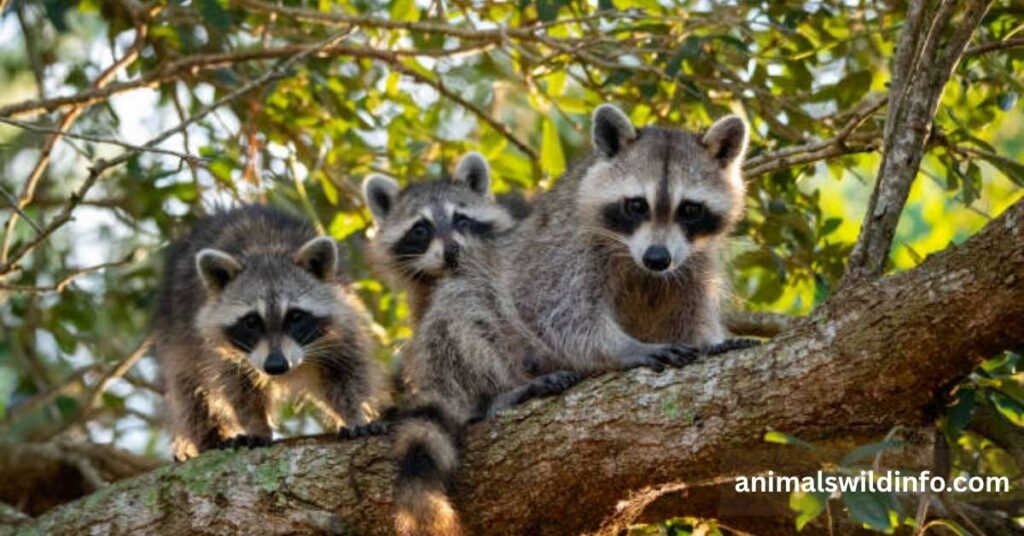
Raccoon whiskers work alongside their famously dexterous paws to create one of the most capable foraging combinations in the animal world. As raccoons rummage through leaves, trash, or shallow water at night, their whiskers help them judge the size, shape, and texture of nearby objects before their paws even make contact. This combination of touch and paw dexterity makes raccoons unusually skilled foragers, even without much light to work with on a moonless night.
This whisker-paw teamwork also supports their reputation as clever, adaptable problem-solvers in both wild and urban settings. Raccoons can feel their way into containers or tight spaces most animals would avoid entirely, opening latches and lids through touch alone. It’s one more example of how animal touch sensors shape not just survival, but intelligence and adaptability too, especially as raccoons continue to thrive alongside expanding human neighborhoods.
12. Sea Lion
Scientific name: Zalophus californianus Class: Mammalia Diet: Carnivore
Sea lion whiskers are longer and more mobile than those of many other marine mammals, and they can sweep forward independently to scan a wider area. They can sense subtle vibrations in the water, which helps sea lions track prey even during deep, dark dives that last several minutes at a time. This tactile skill plays a huge role in successful prey detection, especially when hunting fish that dart quickly out of direct line of sight.
Whiskers also carry social weight among sea lions living in crowded coastal colonies. During breeding season, whisker movement can hint at an individual’s mood or intentions toward others nearby, adding nuance to already loud and physical displays. Combined with body posture and vocal calls, this creates a surprisingly layered system of animal communication on busy, noisy shorelines packed with competing sea lions.
Read More: Top 20 Animals With Long Necks (With Pictures & Amazing Facts)
13. Mountain Lion
Scientific name: Puma concolor Class: Mammalia Diet: Carnivore
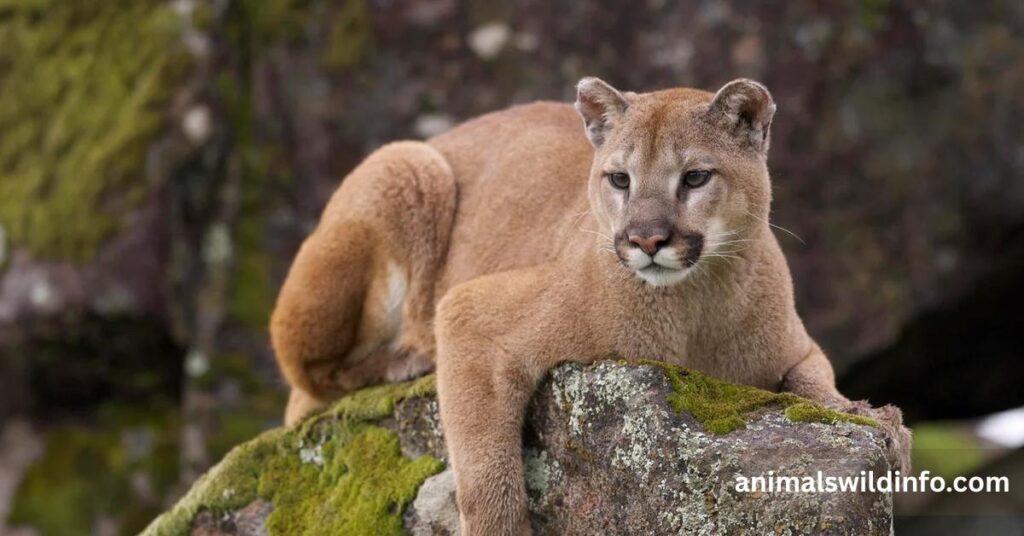
Mountain lion whiskers support one of nature’s most efficient solitary hunters, working quietly in the background of every stalk. As these big cats stalk prey through dense brush or rocky terrain, their whiskers detect nearby obstacles and subtle air movement without making a sound. This tactile input works alongside sharp night vision, giving mountain lions an edge during hunting behavior in low light, when a single misstep could alert prey and ruin the hunt.
Though mostly solitary, mountain lions also rely on whiskers during brief social moments, such as when a mother interacts closely with her cubs. Small shifts in whisker position can hint at mood or alertness, adding a subtle layer of communication to an otherwise quiet, independent life spent moving alone across vast territories.
14. Walrus
Scientific name: Odobenus rosmarus Class: Mammalia Diet: Carnivore
Walrus whiskers, called mystacial vibrissae, are thick, stiff, and packed tightly across the snout in rows that can number in the hundreds. Walruses use them to comb the ocean floor for clams and other prey, often in murky Arctic water where eyesight offers little help beyond a few inches. This makes whisker-based touch one of the walrus’s most important animal senses for daily survival in one of the harshest marine environments on the planet.
Whisker condition also carries social meaning within a herd, functioning almost like a visible health record. Thick, well-groomed whiskers can reflect good health and status among peers resting together on rocky shores or ice floes. During dominance displays, walruses often show off both tusks and whiskers, blending physical strength with subtle sensory signals rooted deep in their wildlife ecology and herd dynamics.
Which Animals Have the Longest or Most Sensitive Whiskers?
When it comes to long whiskers in animals, cats often lead the pack relative to body size, with whiskers roughly as wide as their entire body from tip to tip. This gives them an unusually reliable built-in measuring tape for squeezing through tight spaces. But for raw sensitivity, marine mammals steal the show by a wide margin. Seal whiskers and walrus whiskers can detect vibrations left behind by fish that swam past minutes earlier, a skill few land animals can come close to matching.
This difference comes down to habitat and the physics of how signals travel. Aquatic hunters need sensitive whiskers because water carries vibrations further and clearer than air ever could. Land animals like horses and rabbits rely more on whiskers for spatial judgment and short-range awareness than deep, long-distance tracking. Both strategies work well, they’ve simply been shaped by very different environments and very different survival pressures over millions of years.
Amazing Facts About Animals with Whiskers
Cats can experience something called whisker fatigue, where constant contact with narrow food bowls causes real stress and even changes their eating habits over time. Seals can track the wake of a fish for up to thirty minutes after it swims by, an impressive feat of vibration tracking that works almost like a form of echolocation without using any sound at all. Rats move their whiskers up to twenty-five times per second while exploring new spaces, gathering data faster than most cameras can even record.
Walrus whiskers can number over four hundred on a single snout, making them one of the most whisker-dense mammals alive on Earth today. Manatees, despite looking whisker-free at a glance from a distance, actually have thousands of tiny sensory bristles spread across their entire body, not just their face. Even horses, often overlooked in whisker discussions, use theirs constantly while grazing close to the ground where their large eyes simply can’t focus well. These small details show just how much wildlife behavior depends on senses we rarely think about in our daily lives.
Conclusion
From house cats to Arctic walruses, whiskered mammals have turned a simple set of hairs into one of nature’s most versatile survival tools. Whether it’s judging a tight gap, tracking prey in total darkness, or sensing danger on the wind, whiskers give animals a sixth sense that vision and hearing alone simply can’t provide on their own.
The next time you watch your cat sniff around a cardboard box or see a nature documentary featuring seals hunting in dark, cold water, you’ll know exactly what’s happening behind the scenes. Wild animals with whiskers and pet animals with whiskers alike owe much of their daily survival to these underrated, hardworking sensory hairs that rarely get the credit they deserve.
Frequently Asked Questions
Yes, pigs have short, coarse whiskers around their snout. These help them sense nearby objects while rooting through soil and mud, where eyesight isn’t very useful and smell only tells part of the story.
Giraffes have fine hairs around their mouth, but they aren’t true whiskers like those found on cats or seals. These hairs offer limited sensory feedback compared to real vibrissae, since they lack the same nerve-rich follicle structure.
Yes, lions have thick facial whiskers similar to other big cats, including mountain lions. These help them judge distance and detect subtle movement while stalking prey through tall grass on the open savanna.
Walruses rank among the animals with the highest whisker count, often growing over four hundred whiskers across their snout to help them forage for clams along the dark ocean floor.