Top 26 Animals With No Legs That Will Amazingly Surprise You (Pictures)
Animals with no legs are creatures that live and move without any limbs at all. Some never had legs to begin with. Others lost them over millions of years of evolution.
Ever watched a snake glide across sand and wondered how? No legs, no problem. These animals prove that movement doesn’t need limbs at all.
This group spans snakes, worms, whales, and jellyfish alike. Some slither, some swim, some barely move. Each one survives in its own clever way.
What Are Animals With No Legs?
Animals without legs are species that have no limbs at all, or species whose ancient ancestors had legs that shrank away over time. Snakes are a classic example. So are earthworms. But the category is bigger than most people think. It also includes limbless vertebrates like caecilians, and soft-bodied creatures like jellyfish and sea cucumbers.
Some of these animals are true legless reptiles or legless amphibians, with no bones for limbs anywhere in their body. Others, like whales and dolphins, are legless mammals whose flippers replaced the legs their ancestors once used to walk on land. Either way, these animals prove that a body doesn’t need legs to be tough, fast, or smart.
Quick Comparison Table of Animals With No Legs
Here’s a fast snapshot of all 26 no leg animals covered in this guide. Use it to jump straight to the ones you’re curious about.
| Animal | Class | Habitat | Diet | How It Moves |
| Snake | Reptile | Land, water, trees | Carnivore | Lateral undulation |
| Eel | Fish | Ocean, rivers | Carnivore | Body waves |
| Walrus | Mammal | Arctic ocean | Carnivore | Flippers |
| Caecilian | Amphibian | Soil, water | Carnivore | Muscular contractions |
| Legless Lizard | Reptile | Sandy soil | Insectivore | Body flexing |
| Slow Worm | Reptile | Gardens, forests | Insectivore | Slow slithering |
| Glass Lizard | Reptile | Grasslands | Insectivore | Whip-like movement |
| Legless Skink | Reptile | Burrows | Insectivore | Sand swimming |
| Seahorse | Fish | Coral reefs | Carnivore | Fin fluttering |
| Sea Lion | Mammal | Coastal waters | Carnivore | Flippers |
| Whale | Mammal | Open ocean | Varies | Tail flukes |
| Dolphin | Mammal | Ocean | Carnivore | Tail flukes |
| Manatee | Mammal | Rivers, coasts | Herbivore | Paddle tail |
| Octopus | Cephalopod | Ocean floor | Carnivore | Jet propulsion |
| Squid | Cephalopod | Open ocean | Carnivore | Siphon propulsion |
| Jellyfish | Invertebrate | Ocean | Carnivore | Pulsing bell |
| Comb Jelly | Invertebrate | Ocean | Carnivore | Cilia rows |
| Sponge | Invertebrate | Ocean floor | Filter feeder | Stationary |
| Sea Pen | Invertebrate | Sea floor | Filter feeder | Stationary |
| Sea Cucumber | Invertebrate | Ocean floor | Detritivore | Tube feet |
| Sea Mouse | Invertebrate | Ocean floor | Carnivore | Bristle movement |
| Snail | Mollusk | Land, water | Herbivore | Muscular foot |
| Slug | Mollusk | Gardens, forests | Herbivore | Mucus gliding |
| Clam | Mollusk | Sand, mud | Filter feeder | Burrowing foot |
| Earthworm | Worm | Soil | Detritivore | Muscular contractions |
| Hagfish | Fish | Deep ocean | Detritivore/Carnivore | Body waves |
List of Animals With No Legs
You’ve seen the quick version. Now let’s slow down and look closer. Each of these 26 animals with no limbs has its own story, its own way of getting around, and its own place in the wild. Some will surprise you with pictures alone. Others will surprise you with what they can actually do.
Snake
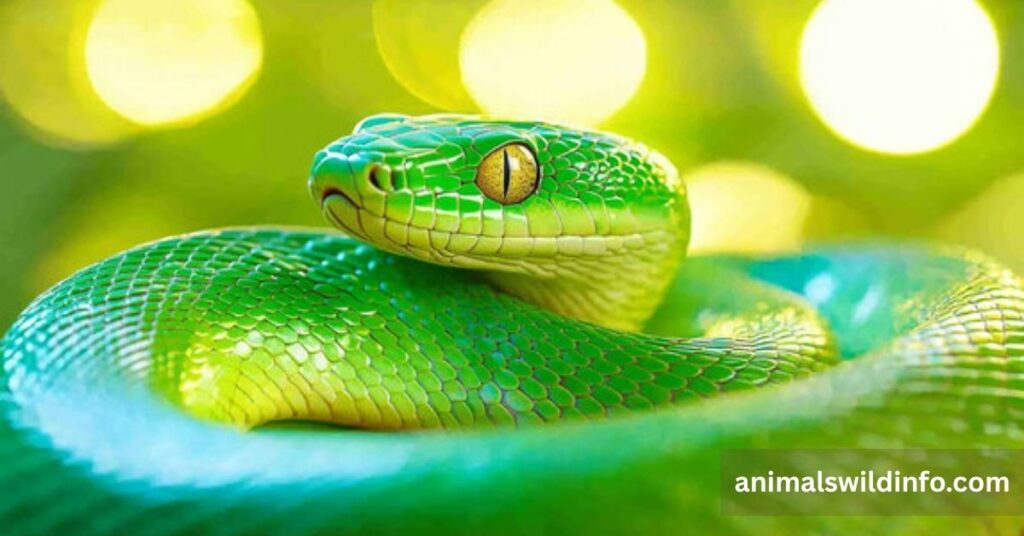
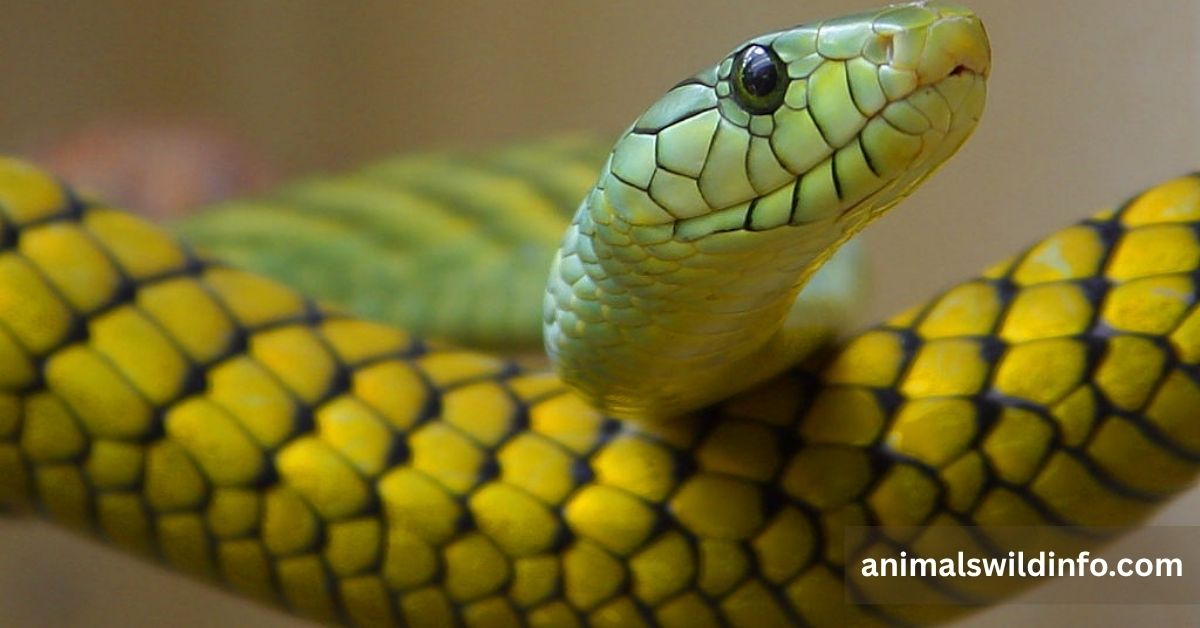
Snakes are the poster child for legless animals. Their whole body works like one long muscle, and they move through a process called snake locomotion, which mostly relies on lateral undulation. This means the snake pushes its body into S-shaped curves and uses ventral scales on its belly to grip the ground. Each curve pushes against a rock, a root, or a bump in the dirt, and that push sends the snake forward.
This setup gives snakes incredible range. They can climb trees, swim across lakes, and squeeze through gaps that look far too small for their bodies. Some species, like boas and pythons, still carry tiny vestigial limbs near their tail, leftover bones from ancestors that once had legs. It’s a small but powerful clue about limb reduction and evolutionary adaptation at work over millions of years.
Eel
Eels look like snakes but they’re fish through and through, and they rely on smooth, snake-like waves to move through water. This kind of aquatic locomotion works well in rivers, lakes, and deep ocean trenches alike.
One of the wildest facts about eels involves their life cycle. The American eel, for example, travels thousands of miles to breed in the Sargasso Sea, then makes its way back. That’s a long trip for an animal with a flexible body and zero legs. Eels can even absorb oxygen through their skin, which lets them survive short trips across wet grass or mud.
Walrus
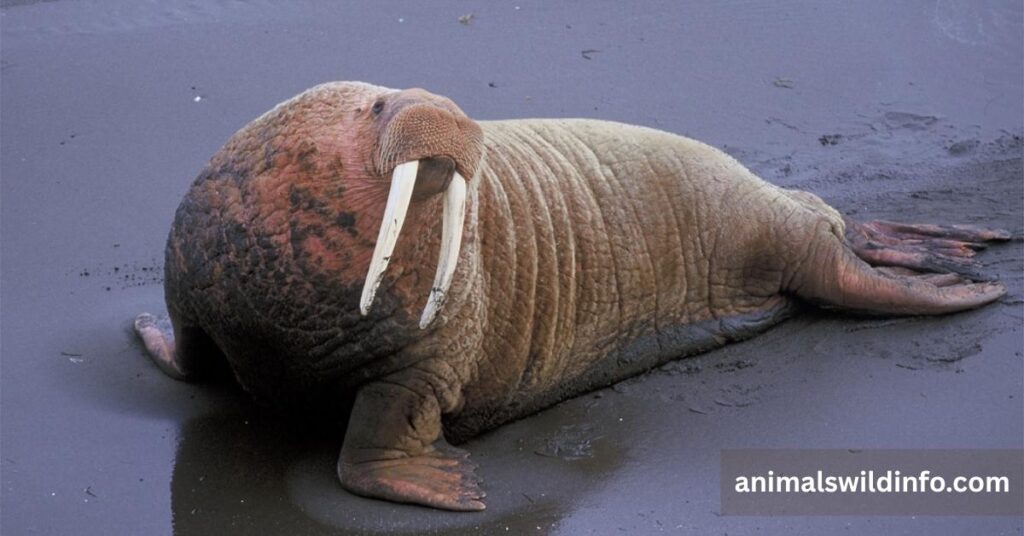
Walruses are heavy, tusked, and surprisingly graceful once they hit the water. As a marine mammal, they trade legs for thick flippers that push them through freezing Arctic seas with real speed and control.
On land, or on ice, walruses shuffle along using those same flippers, dragging their massive weight with short bursts of effort. It’s not elegant. But it works, and it lets them haul out in huge groups to rest, socialize, and warm up in the sun. Their tusks, meanwhile, help them grip ice and fend off rivals, doing a job legs could never do anyway.
Caecilian
Caecilians look like giant worms but they’re actually amphibian species, and they spend most of their life underground. Their bodies rely on muscular contractions that ripple from head to tail, letting them push through packed soil with surprising ease.
Because they live hidden underground, caecilians aren’t well known outside of biology circles. But they’re fascinating. Some species give birth to live young, and a few even feed their babies with a nutrient-rich skin layer the young scrape off with special teeth. It’s a strange but effective survival adaptation for a creature that almost never sees daylight.
Legless Lizard
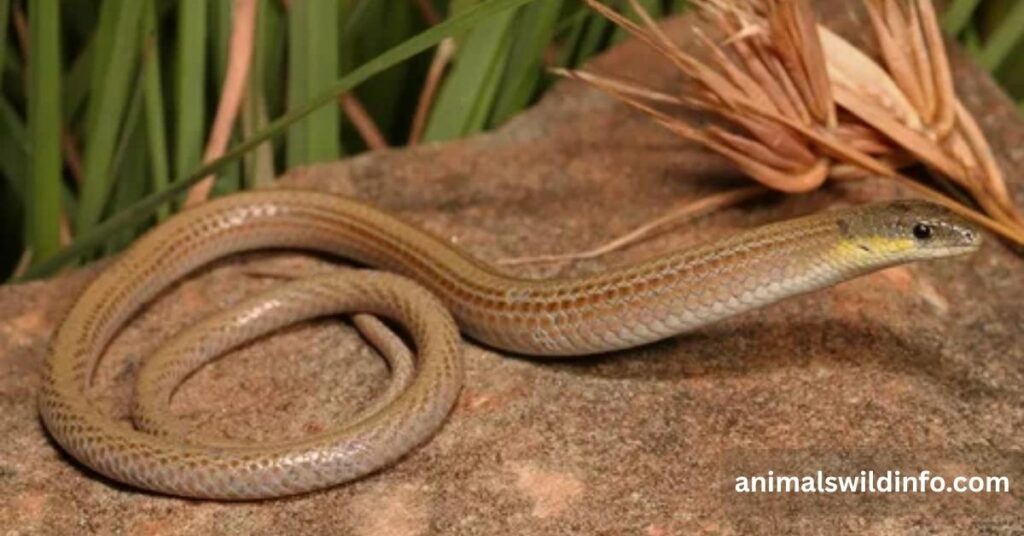
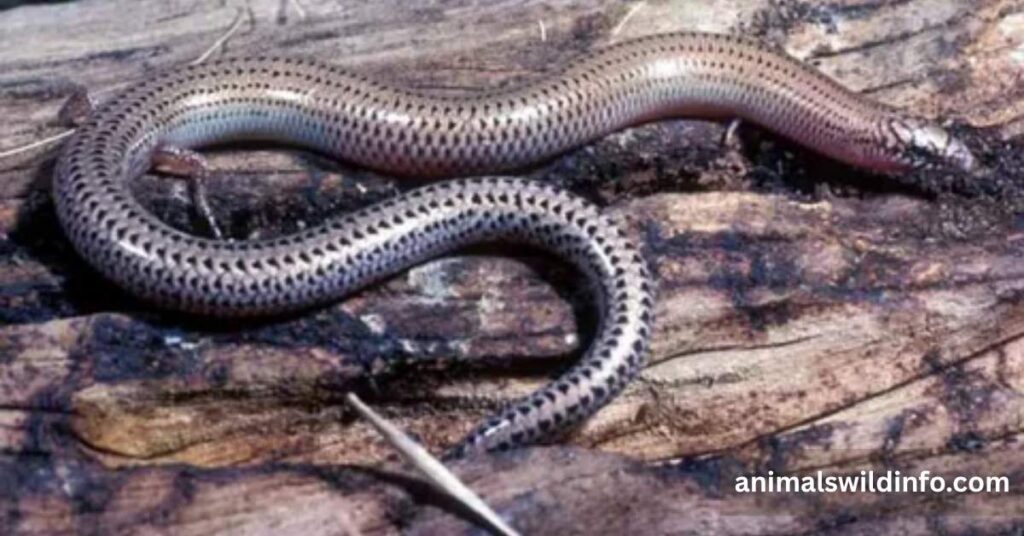
A legless lizard is often mistaken for a snake, but a few small details give it away. It has eyelids that blink, and it has ear openings on the sides of its head, features no snake has. These are true legless reptiles, just from a different family tree than snakes.
They live in sandy soil and loose leaf litter, where their smooth scales let them slide through tight spaces without much resistance. Most species hunt insects and spiders, using quick strikes rather than a strong bite. Their coloring, often tan or olive, gives them solid camouflage against dry ground and dead leaves.
Slow Worm
Despite the name, a slow worm isn’t a worm at all. It’s a small legless lizard found across gardens, meadows, and woodland edges. It moves at a gentle pace, which is exactly where its name comes from.
Slow worms spend a lot of time hidden under logs, rocks, or compost piles, where it stays cool and damp. They eat slugs and insects, which makes them a quiet but helpful presence in any garden. Like many legless reptiles, slow worms can also drop part of their tail if a predator grabs it, then grow a new one over time through natural regeneration.
Glass Lizard
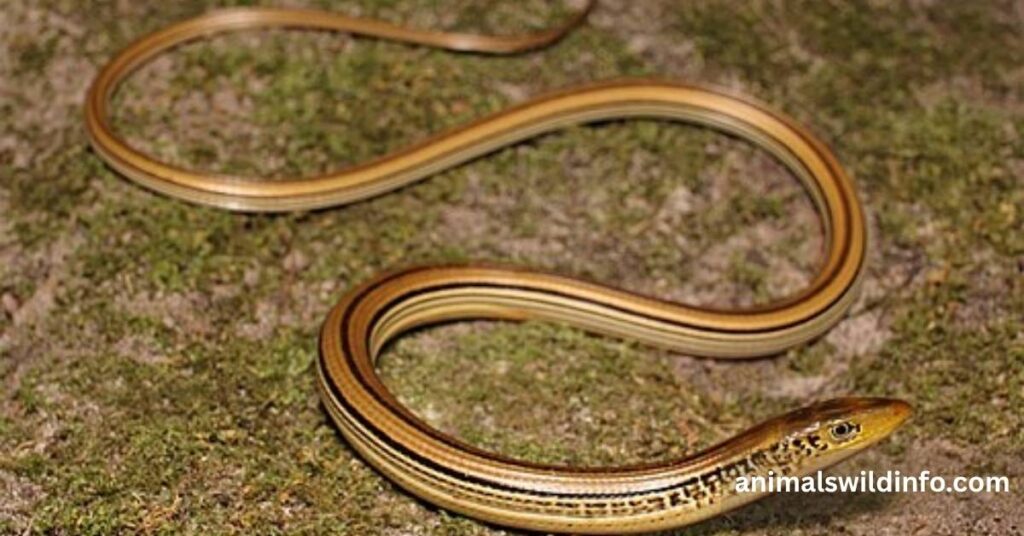
The glass lizard earns its name from a defense trick. If a predator catches its tail, the tail snaps off in pieces, almost like breaking glass. The lizard escapes while the predator is left holding a wriggling, distracting piece of tail.
Glass lizards move with a strong, whip-like motion, sliding through grass and brush with real speed for a limbless animal. They eat insects, snails, and small creatures they find near the ground. Their long body and smooth scales make them easy to confuse with snakes, but their blinking eyelids give away their true identity.
Read More: Top 12 Amazing Animals With Quills (Pictures, Facts & Unique Features)
Legless Skink
Legless skinks are burrowing specialists. Instead of digging tunnels the way a mole would, they “swim” through loose sand, using quick side-to-side motions that push grains out of the way as they go.
This unusual style of movement keeps them mostly hidden from predators and the hot sun. They surface briefly to hunt small insects, then vanish back under the surface almost instantly. Their smooth, shiny scales reduce friction, which makes their sand-swimming style far more efficient than it might look at first glance.
Seahorse
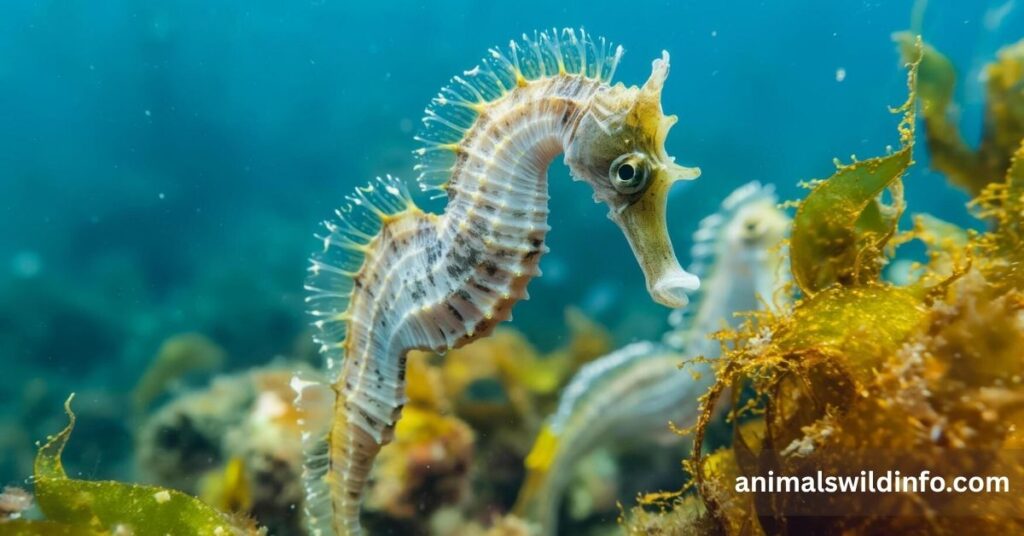
Seahorses don’t have legs, and they barely swim either, at least not the way most fish do. Instead, they rely on a prehensile tail to grip onto seagrass and coral, holding steady while ocean currents rush past them.
What makes seahorses truly unusual is their reproduction. Male seahorses carry the eggs in a special pouch, nourish them, and eventually release fully-formed babies into the water. This flips the usual pattern seen in most vertebrate animals and remains one of the more surprising facts in the whole animal kingdom.
Sea Lion
Sea lions look clumsy on land, but that’s deceiving. Using their strong front flippers, they can prop themselves up and move across rocks and sand with more speed than most people expect from an animal with no true legs.
In the water, though, sea lions completely transform. Their flippers become paddles for fast, agile swimming, letting them chase fish and outmaneuver most predators nearby. They’re social animals too, gathering in loud, busy colonies where barking calls help keep the group organized and alert to danger.
Whale
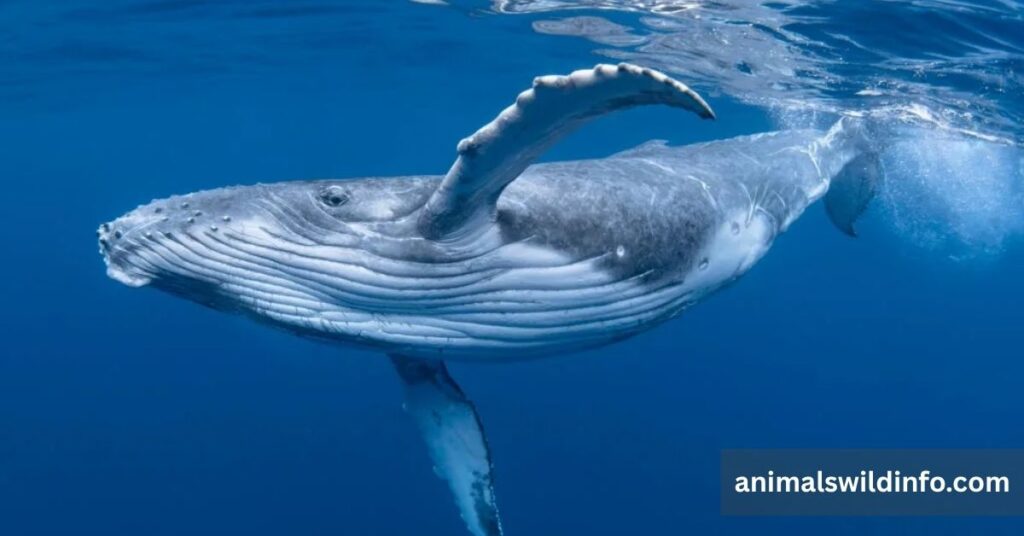
Whales are some of the largest animals on Earth, and they once had legs. Millions of years ago, their ancestors walked on land, but over time, natural selection favored bodies built for swimming instead of walking.
Today, a whale’s tail flukes push it through the water with tremendous force, while its streamlined body cuts through waves with almost no resistance. Some whales, like humpbacks, sing complex songs that travel for miles underwater. Others use echolocation to map out their surroundings and track prey in total darkness far below the surface.
Dolphin
Dolphins are close cousins of whales, and they share the same leg-free body plan built entirely around fins and flukes. Their speed and agility in open water rank among the best of any marine mammal alive today.
Dolphins also rely heavily on echolocation, sending out clicks that bounce off nearby objects and fish. This lets them hunt effectively even in murky or dark water. Beyond hunting, dolphins are known for tight social bonds, playful behavior, and a level of intelligence that keeps scientists studying them closely.
Manatee
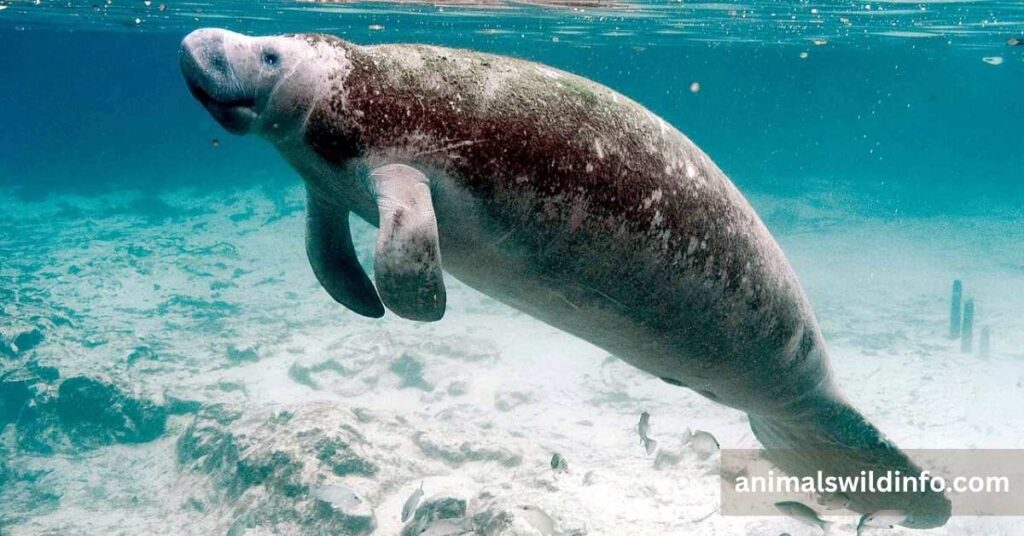
Manatees are gentle giants that spend their days grazing on underwater plants. Their limbs shrank down to two front flippers and a broad, paddle-shaped tail, which they use for slow, unhurried swimming through shallow rivers and coastal waters.
Because manatees move so slowly, they’re sometimes hit by boats, which remains one of the biggest threats to their survival. Despite their size, manatees are gentle and curious, often approaching swimmers without any fear. Their diet of sea grass and algae also plays a quiet but important role in keeping coastal aquatic ecosystems balanced and healthy.
Octopus
An octopus has no legs, no bones, and no shell, yet it remains one of the smartest invertebrates on the planet. As a cephalopod, it moves using flexible arms lined with suckers, letting it crawl, grip, and manipulate objects with real precision.
When speed matters, an octopus switches to jet propulsion, forcing water out through a narrow siphon to shoot itself backward. Octopuses can also change skin color instantly for camouflage, and some species have even been seen escaping tanks or opening jars, proving that invertebrate species can still show serious problem-solving skill.
Read More: Do Wolves Purr? 23 Amazing Wolf Facts Every Animal Lover Should Know
Squid
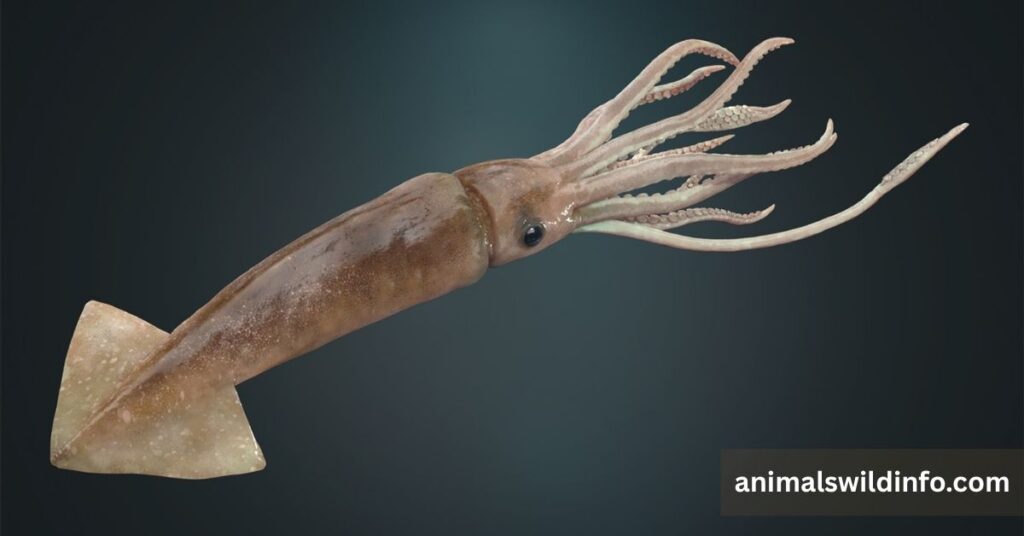
Squid share the octopus’s cephalopod body plan, but they’re built more for speed than dexterity. Using siphon propulsion, a squid can blast through open water fast enough to escape most predators chasing it.
Their skin contains special cells called chromatophores, which shift color in a flash, useful for both camouflage and communication with other squid. Many species also glow using bioluminescence, a useful trick in the pitch-black depths of the open ocean. Despite lacking any limbs, squid remain fast, alert, and surprisingly social hunters.
Jellyfish
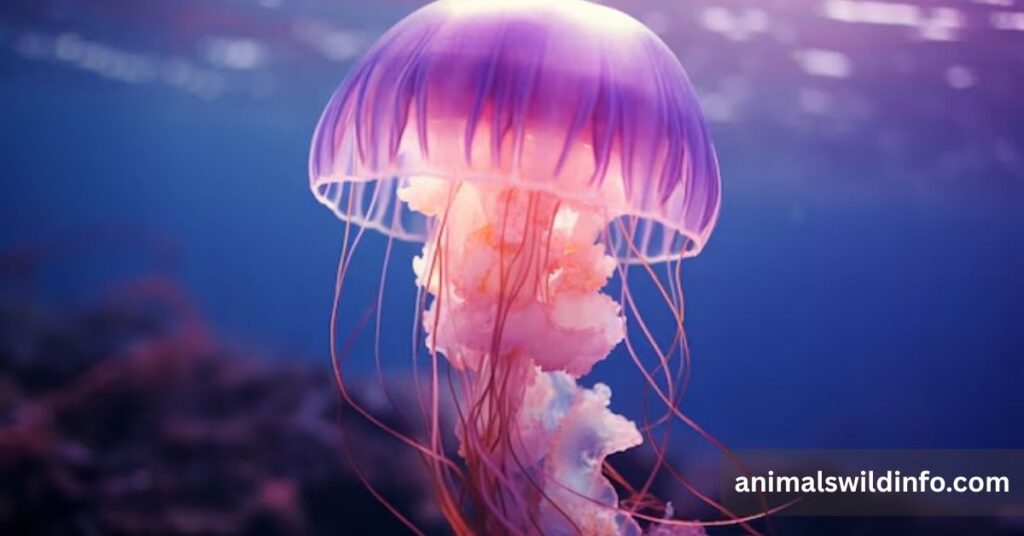
A jellyfish is almost entirely water, with no brain, no bones, and no legs anywhere in its body. It moves by contracting its bell-shaped body, pushing water backward and drifting forward in a slow, rhythmic pulse.
Jellyfish have survived for more than 500 million years, easily outlasting most other creatures in the ocean ecosystem. Despite their simple design, many species use stinging tentacles to stun small fish and plankton. Their soft, glowing bodies also make them one of the most recognizable soft-bodied animals in the sea.
Comb Jelly
Comb jellies often get mixed up with jellyfish, but they belong to a completely different group. Instead of pulsing, they move using tiny rows of hair-like cilia that beat in perfect rhythm, pushing the animal gently through the water.
Under sunlight, these cilia rows scatter light into shifting rainbow colors, making comb jellies look like they’re glowing from within. Unlike true jellyfish, most comb jellies don’t sting at all. Instead, they use sticky cells to trap plankton, showing just how much species diversity exists among simple, drifting sea creatures.
Sponge
Sponges barely move at all, and most spend their entire adult life fixed to one spot on the ocean floor. As a classic filter feeder, a sponge pulls water through its porous body, straining out tiny food particles as the water passes through.
What sponges lack in mobility, they make up for in resilience. Cut a sponge into pieces, and in many cases, each piece can regrow into a whole new sponge. This remarkable healing ability highlights just how varied survival adaptations can be, even in creatures that never move an inch in their whole life.
Sea Pen
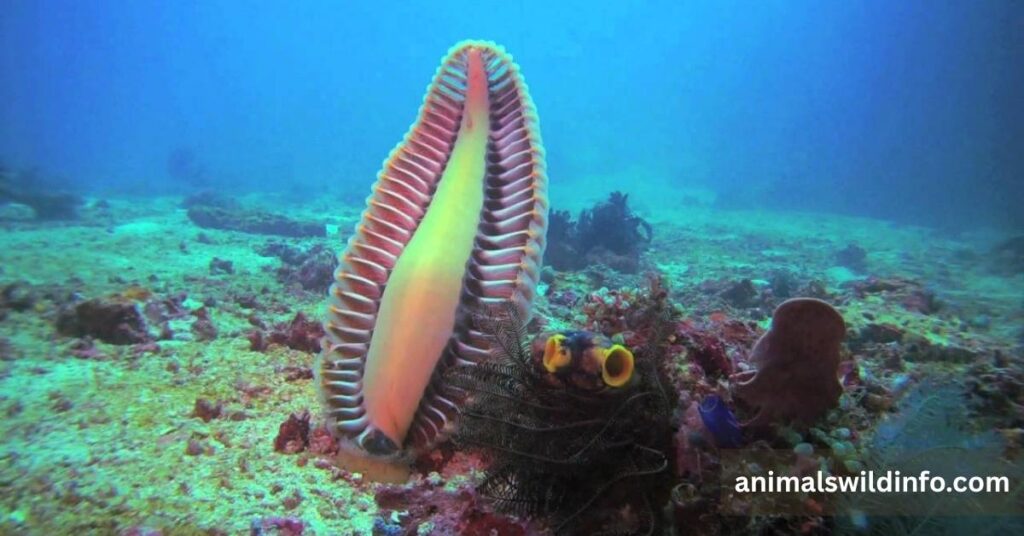
A sea pen looks more like a feather stuck in the sand than a living animal, yet it’s a real creature made of many tiny connected polyps working together. Like sponges, sea pens stay anchored in one place, swaying gently with the current instead of swimming.
These animals filter tiny food particles from passing water, playing a quiet role in the wider marine biodiversity of the sea floor. Some sea pens can glow when disturbed, using bioluminescence as a simple defense to startle potential predators. Their calm, rooted lifestyle proves that survival doesn’t always require speed or legs.
Sea Cucumber
Sea cucumbers crawl slowly along the ocean floor using rows of tiny tube feet, which grip the surface and pull the body forward inch by inch. It’s a slow process, but it gets the job done in the soft sediment they call home.
When threatened, some sea cucumbers pull off a bizarre defense trick: they expel some of their internal organs to confuse a predator, then quietly regrow them later. This kind of extreme regeneration fascinates scientists studying tissue repair. Beyond defense, sea cucumbers also recycle nutrients in the sand, making them quiet workhorses of the ocean ecosystem.
Sea Mouse
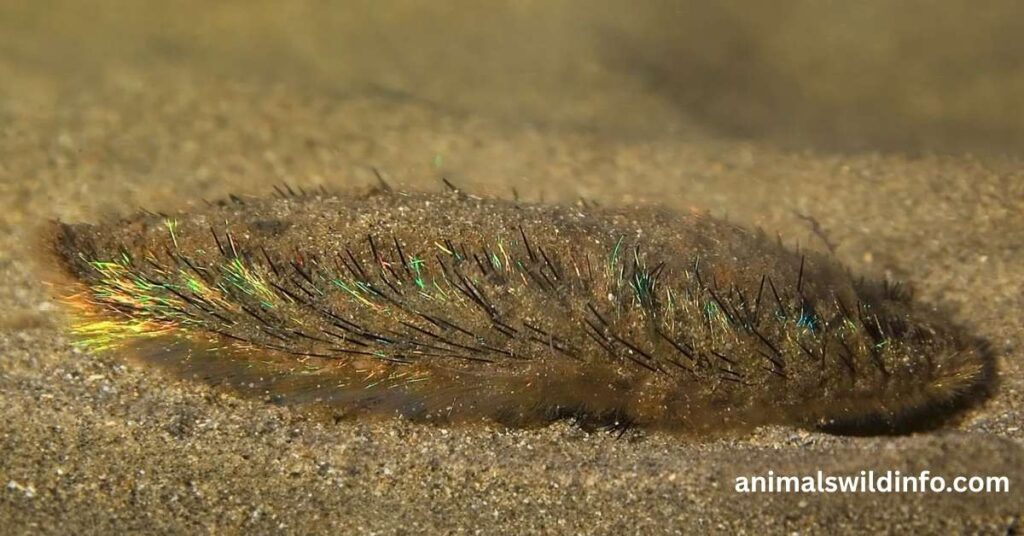
A sea mouse isn’t a mouse at all. It’s actually a type of marine worm covered in shiny, hair-like bristles that shimmer with iridescent color underwater. These bristles help the sea mouse move gently through sand and mud along the sea floor.
Beyond its odd looks, the sea mouse plays a useful role as a detritivore, breaking down dead organic material and recycling nutrients back into its habitat. Its glowing bristles, which shift between blue and red under light, remain one of the more overlooked wonders of marine biodiversity hiding just beneath the sand.
Snail
A snail carries its home wherever it goes, and it gets there using a single muscular foot instead of legs. That foot releases a steady stream of mucus secretion, reducing friction and letting the snail glide over rough or sharp surfaces safely.
Snails come in a wide range of sizes and colors, and some species can even climb straight up walls or glass. Their diet varies by species, ranging from plant matter to smaller invertebrates. This wide range of habits shows just how much species diversity exists even among small, shelled creatures most people barely notice.
Slug
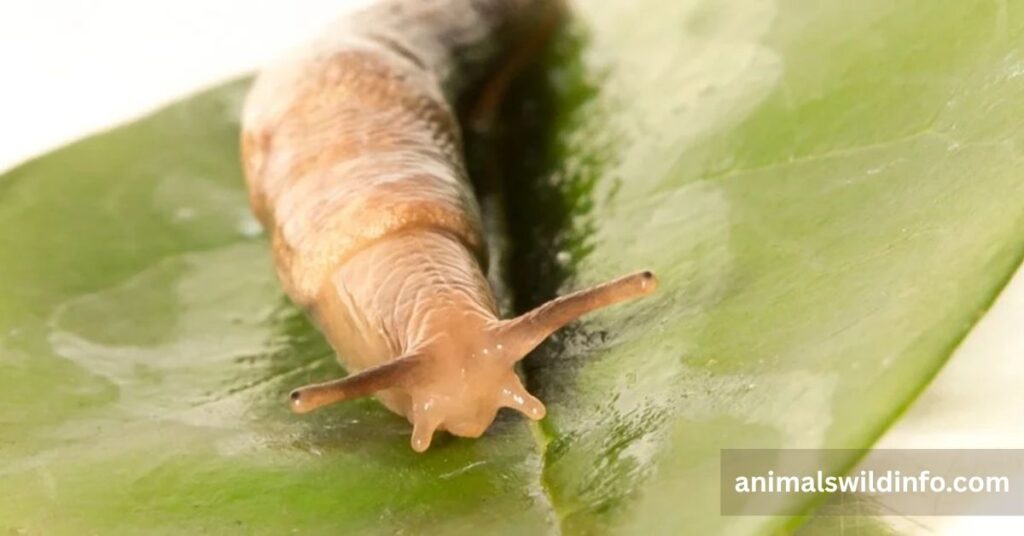
A slug is basically a snail without the shell, relying on the same muscular foot and thick mucus secretion to move across soil, leaves, and garden beds. Without a shell for protection, slugs depend heavily on moisture and shade to survive.
Some slugs can stretch their body remarkably thin to squeeze through cracks that look impossibly small. Their diet, mostly plants and decaying matter, makes them a mixed blessing for gardeners. While they help break down organic material, they also nibble on crops, making them one of the more debated soil-dwelling animals around.
Clam
Clams live inside two hinged shells, and they move using a small muscular foot that pushes down into sand or mud. This lets them burrow just beneath the surface, staying hidden from most predators passing above.
As a dedicated filter feeder, a clam draws water in, straining out plankton and organic particles before pushing the water back out. This process helps keep coastal waters cleaner, giving clams a quiet but important role in marine ecosystems. Their slow, buried lifestyle proves that legs aren’t required for a long, successful life underwater.
Read More: 16 Incredible Stubborn Animals That Will Surprise You (With Pictures)
Earthworm
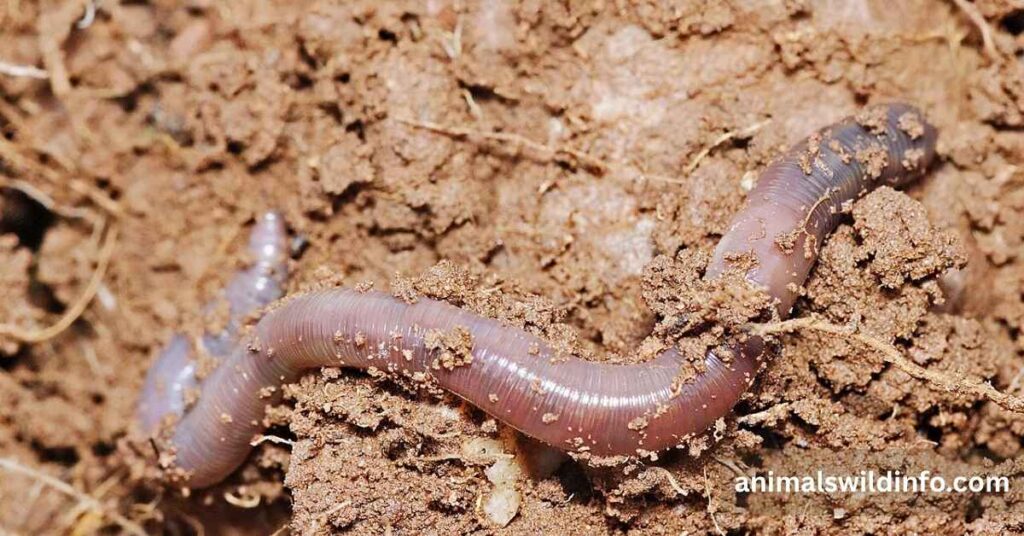
Earthworms move through soil using muscular contractions paired with tiny bristles called setae, which grip the tunnel walls as the worm inches forward. This combination lets them push through packed dirt with real efficiency.
Beyond simple movement, earthworms play a huge role in soil health. As they burrow, they aerate the ground and mix in organic matter, which helps plants grow stronger roots. Their sensitivity to touch and vibration also helps them avoid predator avoidance situations, letting them retreat underground at the first sign of danger above.
Hagfish
Hagfish are ancient, jawless, and famously slimy, using body waves similar to an eel to move along the dark ocean floor. They’re one of the oldest vertebrate animals alive today, virtually unchanged for hundreds of millions of years.
Their most famous trait is a defense mechanism involving thick, gooey slime, which they release instantly when threatened. This slime can clog a predator’s gills, forcing an easy escape. As scavengers, hagfish also help clean up the sea floor, feeding on dead animals and recycling nutrients back into the wider aquatic ecosystem.
How Do Legless Animals Move?
So how exactly do animals that move without legs get from one place to another? The answer changes a lot depending on the species. Snakes and eels rely on lateral undulation, pushing their flexible body into waves that grip the ground or push against water. Snails and slugs use a completely different method, gliding on a muscular foot lubricated by slick mucus secretion. Marine mammals like whales, dolphins, and manatees use flippers and tail flukes instead, powering through water with strong, repeated strokes.
Then there are the jet-setters of the group. Octopuses and squid use siphon propulsion, shooting water backward to blast themselves forward in an instant. Sea cucumbers crawl using tube feet, while earthworms use muscular contractions paired with tiny bristles. Each strategy solves the same basic problem in its own unique way, proving that animal movement doesn’t need to follow just one blueprint.
Why Did Some Animals Evolve Without Legs?
Legs aren’t always useful. That might sound strange, but for many species, losing legs actually offered a real survival advantage. Burrowing animals, for example, do better with a smooth, elongated body that slides through tight tunnels instead of legs that would just get in the way. This is a clear case of limb reduction driven by habitat adaptation, where the environment itself shaped the body over countless generations.
Ocean life tells a similar story, just from a different angle. Whales and dolphins descended from land mammals with legs, but as their ancestors moved deeper into aquatic life, natural selection favored flippers and tail flukes over walking limbs. This is a textbook case of evolutionary adaptation, where the environment pushed a species toward a totally different body plan. Snakes followed a similar path, trading legs for a body built entirely around speed, flexibility, and stealth.
Types of Legless Animals
Legless animals aren’t one single group. They stretch across wildly different branches of the animal kingdom, from reptiles all the way to worms. Grouping them by category helps make sense of just how varied wildlife evolution can really be.
Below are the seven broad types covered in this guide, based on animal classification and shared traits across species.
Reptiles
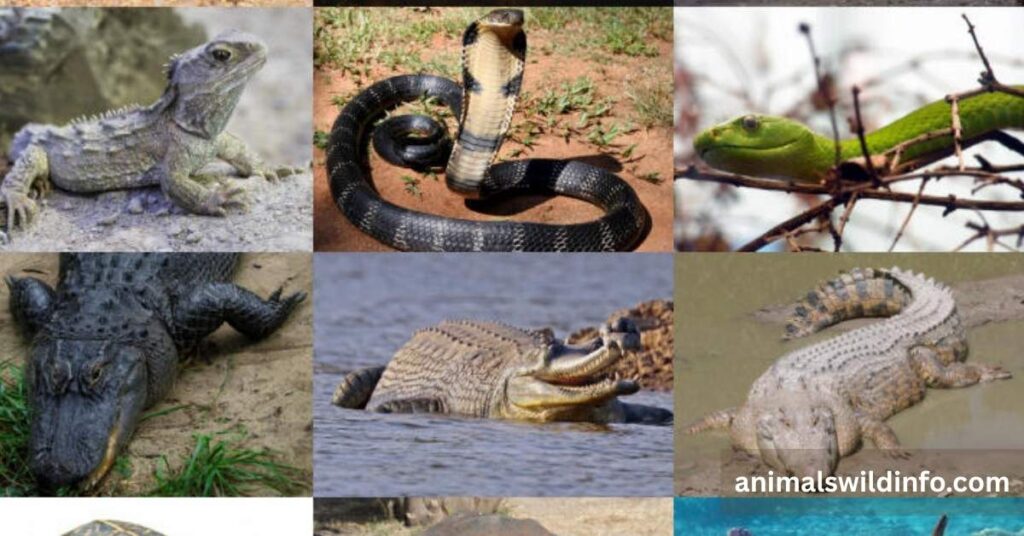
This group includes snakes, legless lizards, slow worms, glass lizards, and legless skinks. All are true legless reptiles, meaning their ancestors either lost limbs entirely or never relied on them for survival. Most hunt using stealth, speed, or a strong bite, and many rely on camouflage to stay hidden from predators and prey alike.
Mammals
Walruses, sea lions, whales, dolphins, and manatees make up this group of legless mammals. Despite descending from land-walking ancestors, each species eventually swapped legs for flippers or flukes. This shift supports a fully aquatic lifestyle, one built around swimming, diving, and, for some species, complex social behavior.
Read More: Top 24 Adorable Chubby Animals in the World (With Pictures)
Fish
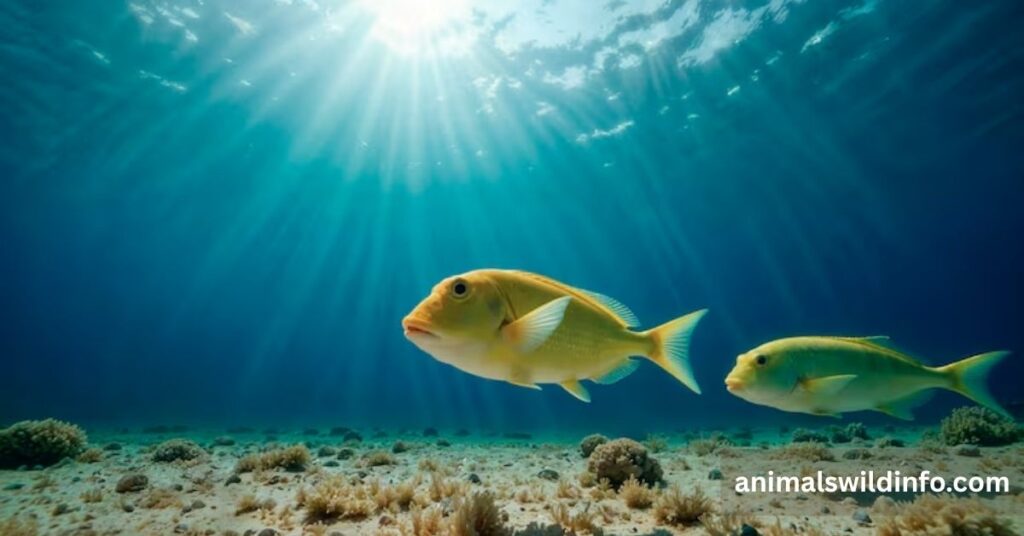
Eels, seahorses, and hagfish represent the legless fish group. Each has a unique way of moving through water, from smooth body waves to gripping tails to slow, snake-like crawling along the sea floor. All three prove that fish don’t need fins shaped like typical legs to thrive.
Amphibians
Caecilians are the main example here, representing the legless amphibians group. Spending most of their life underground, they rely on strong muscular contractions to push through soil. Their hidden lifestyle keeps them mostly out of sight, even though their behavior remains genuinely fascinating.
Mollusks
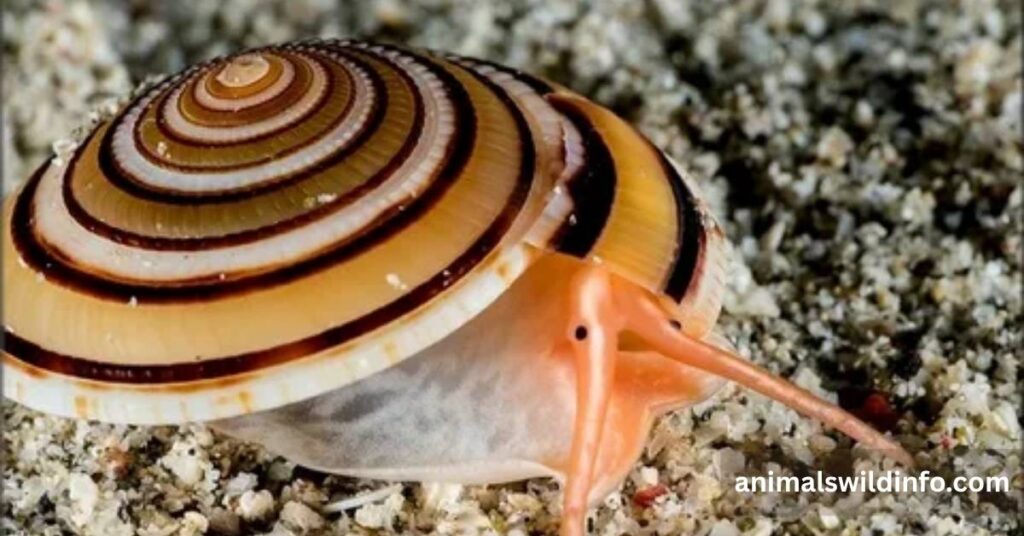
Octopuses, squid, snails, slugs, and clams fall under this category. Each uses a completely different strategy, from siphon propulsion in cephalopods to slow gliding in snails and slugs. This group shows serious species diversity, ranging from clever hunters to slow, patient grazers.
Marine Invertebrates
Jellyfish, comb jellies, sponges, sea pens, sea cucumbers, and sea mice belong to this wide, varied group. Most rely on drifting, pulsing, or filtering rather than active movement. Together, they form a major part of marine biodiversity, filling countless niches across the ocean floor and open water alike.
Worms
Earthworms represent this simple but important group. Using muscular contractions and tiny bristles, they push through soil, aerating it and recycling nutrients as they go. Their quiet, underground work supports plant growth far beyond what their small size might suggest.
Interesting Facts About Animals With No Legs
Some facts about legless creatures are almost hard to believe. Jellyfish have existed for over 500 million years, easily predating dinosaurs, sharks, and even trees. Certain snakes still carry tiny vestigial limbs, hidden bones near the tail that hint at a four-legged ancestor from millions of years ago. Sea cucumbers can expel their own organs as a defense, then regrow them later through natural regeneration, a trick that continues to interest medical researchers today.
Octopuses, despite being invertebrate species, show problem-solving skills that rival many animals with backbones. Hagfish can tie themselves into a knot to escape a predator’s grip, a strange but effective defense. And whales, once four-legged land mammals, now rank among the largest creatures ever to exist, a stunning example of wildlife evolution shaping a species almost beyond recognition.
Conclusion
From snakes sliding through desert sand to whales gliding through open ocean, animals with no legs prove that survival takes many forms. Some crawl. Some swim. Some barely move at all, and yet they still thrive. Their stories highlight just how creative natural selection can be when solving the basic problem of getting from one place to another.
Next time you spot a snail on a garden path or a dolphin leaping through waves, take a moment to appreciate the journey behind that movement. These legless creatures remind us that legs are just one tool among many, and nature has never been shy about trying something different.
Frequently Asked Questions
Snakes, eels, caecilians, jellyfish, and earthworms all have no legs. Marine mammals like whales and dolphins also fall into this group, since their ancestors’ legs turned into flippers and tail flukes over time.
Snakes are likely the most familiar legless reptiles worldwide. With thousands of species living on nearly every continent, they’re one of the most widely recognized examples of animal movement without limbs.
Pound for pound, some tiny invertebrates like the dung beetle can lift the most weight relative to body size. Among larger animals, the blue whale holds records for sheer size and physical power, even though it moves without any legs at all.
Birds are a common example, along with kangaroos and many reptiles like lizards, which have legs but no true arms in the way humans do.
Snakes, eels, jellyfish, and earthworms have no feet at all. Snails and slugs also lack feet in the traditional sense, relying instead on a single muscular foot built for gliding rather than walking.
Snakes are the best-known limbless animal, along with caecilians, legless lizards, and slow worms. Beyond reptiles and amphibians, jellyfish, earthworms, and sea cucumbers also live their entire lives without any limbs at all.