Top 15 Animals With the Biggest Brains (With Pictures)
Some animals carry a lot of gray matter around. This article looks at the animals with the biggest brains on Earth, from ocean giants to birds that fit in your hand. You’ll see real brain weights, real behaviors, and real reasons why size isn’t the whole story. By the end, you’ll know exactly which large-brained animals deserve the title, and why a few surprising names make the cut.
We picked animals with the largest brains using two lenses: raw brain weight, and brain power relative to body size. Both angles matter. A sperm whale carries more brain tissue than any other creature alive. A crow, on the other hand, packs a shocking number of neurons into a brain the size of a walnut. Keep both ideas in mind as you read, and this list of animals with big brains will make a lot more sense.
List of Animals With the Biggest Brains
This list ranks some of the biggest animal brains in the world, mixing raw size with cognitive punch. You’ll notice marine mammals dominate the top half, while a few birds and one clever invertebrate crash the party lower down. Each entry includes the animal’s brain weight, its scientific classification, and the trait that makes its brain worth talking about.
Below, you’ll walk through fifteen entries. Some are gentle giants. Others are pint-sized geniuses. Together, they show just how varied animal brain size can be across the tree of life.
Sperm Whale – The Animal With the Largest Brain
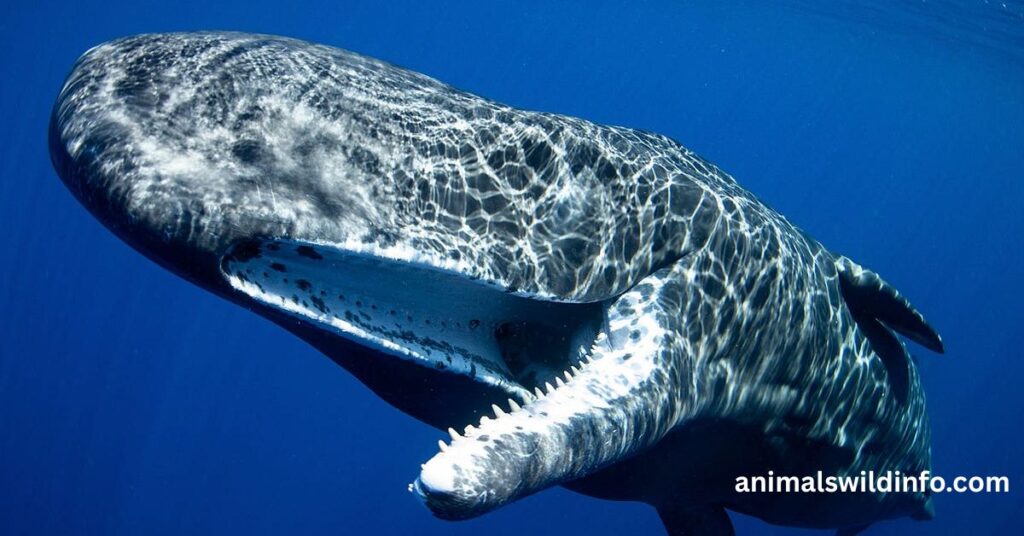
The sperm whale (Physeter macrocephalus) is a carnivorous cetacean, and it holds the record for largest brain size of any animal alive. Its brain can weigh up to 9 kilograms, or about 20 pounds, according to Whale and Dolphin Conservation. That’s roughly six times heavier than a human brain, though the sperm whale’s body is also far larger than ours, so raw weight alone doesn’t settle the intelligence question.
Most of that oversized head isn’t pure brain tissue, though. A big chunk of it houses the spermaceti organ, which helps the whale focus sound for deep-sea hunting. Even so, sperm whales show complex social intelligence. They live in tight family units, communicate through patterned clicks called codas, and appear to pass behaviors down between generations, hinting at real cognition beneath all that bulk.
Elephant – Massive Brain and Remarkable Memory
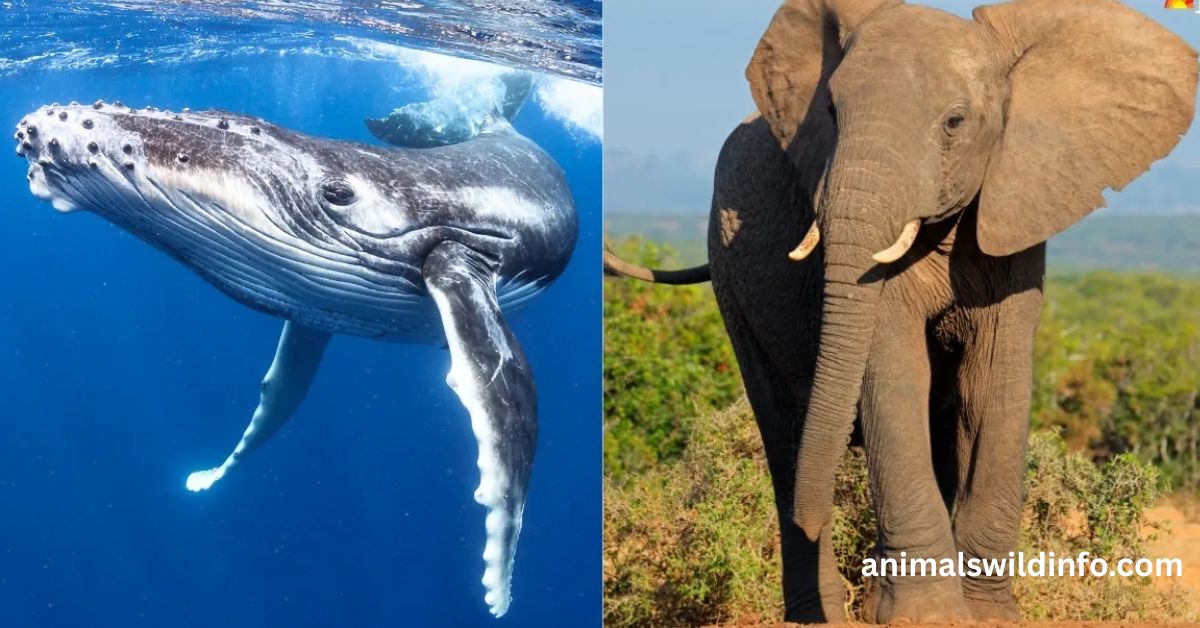
The elephant carries one of the heaviest brains among land mammals, weighing around 4.8 to 5.4 kilograms, or roughly 10 to 12 pounds. That brain supports a legendary memory. Elephants recall watering holes across huge distances, and they remember individual elephants and humans for years, which points to serious long-term memory storage.
An elephant’s brain also drives some striking emotional behavior. Elephants have been seen returning to the bones of dead herd members, touching them gently with their trunks. They pass the mirror self-recognition test too, a benchmark few animals meet. Between the memory, the social bonds, and the self-awareness, the elephant earns its spot among the smartest intelligent mammals on land.
Read More: Can Turtles Climb? 7 Surprising Facts About Turtle Climbing
Orca (Killer Whale) – A Highly Intelligent Marine Mammal
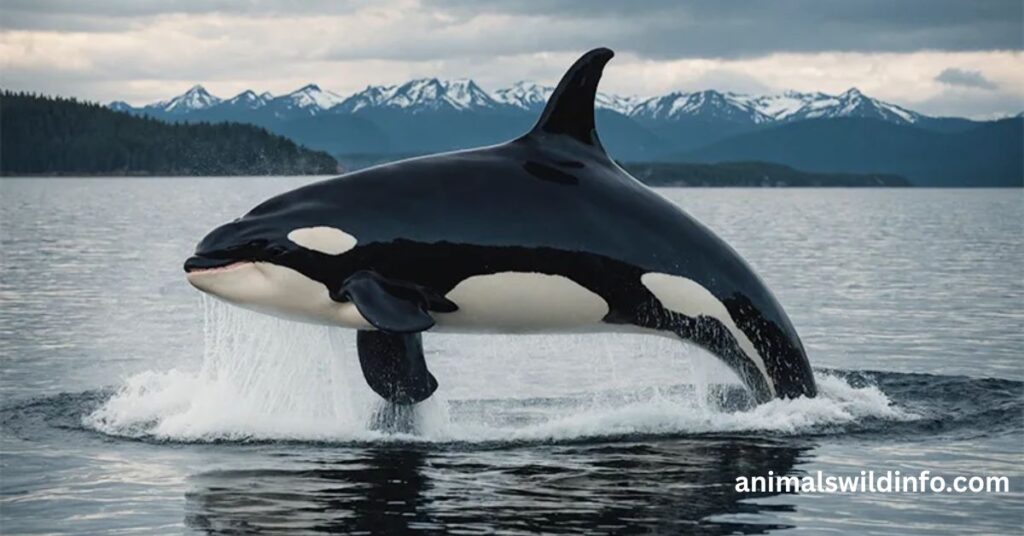
The orca, also called the killer whale, has the second-largest brain of any cetacean, weighing between 5.4 and 6.8 kilograms according to Biology Insights. That’s an enormous nervous system built for a highly social predator. Orca pods hunt in coordinated groups, and different pods even develop their own dialects of clicks and whistles.
What really sets the orca apart is culture. Calves learn hunting techniques by watching their mothers, and those techniques vary from one pod to the next, almost like regional traditions. This kind of social learning, layered on top of raw brain size, is exactly why researchers rank orcas among the most intelligent mammals in the ocean.
Bottlenose Dolphin – A Smart Problem Solver
The bottlenose dolphin carries a brain weighing around 1.5 to 1.7 kilograms, which is small next to a sperm whale but huge relative to its own body. This gives the dolphin an outstanding brain-to-body ratio, one of the best of any marine species. A large, folded cerebral cortex supports fast decision-making underwater.
Dolphins back up that anatomy with real behavior. Some use sea sponges as tools, protecting their snouts while foraging on the seafloor. Others recognize themselves in mirrors and respond to their own unique whistle, almost like a name. These are hallmarks of advanced problem-solving skills, not just instinct.
Gorilla – One of the Brainiest Great Apes
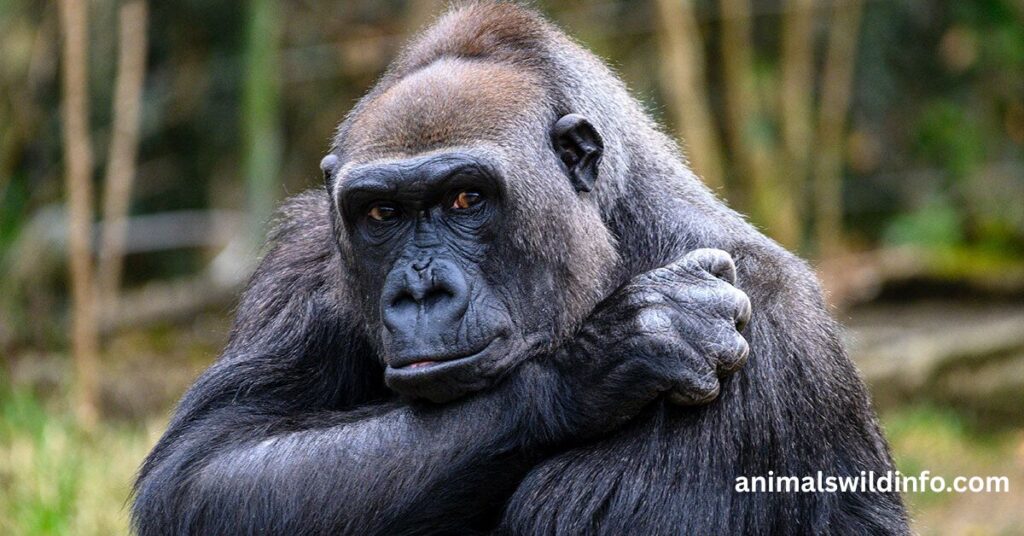
The gorilla is a herbivorous primate with a brain weighing around 430 to 500 grams. That’s modest next to a dolphin, but the structure inside matters more than the number on a scale. Gorillas show strong social intelligence, living in family groups led by a dominant silverback who keeps the peace.
Captive gorillas have learned basic sign language, using dozens of signs to request food or express feelings. Wild gorillas use simple tools too, like sticks to test water depth. Add in documented moments of empathy, such as comforting an injured group member, and you get a genuinely thoughtful animal, not just a strong one.
Human – The Most Complex Brain in the Animal Kingdom
The human brain weighs about 1.3 to 1.4 kilograms, small compared to a whale, but it’s the most complex organ ever studied. Around 86 billion neurons fill that space, wired together by trillions of connections. This dense neurological complexity supports language, abstract reasoning, and long-term planning at a level no other species matches.
What makes the human brain truly stand out is its encephalization quotient, a measure of brain size relative to body size. Humans score higher on this scale than any other animal, sperm whale included. Add lifelong learning ability, thanks to a trait called neuroplasticity, and you get a brain built to keep adapting well into old age.
Orangutan – An Intelligent Great Ape
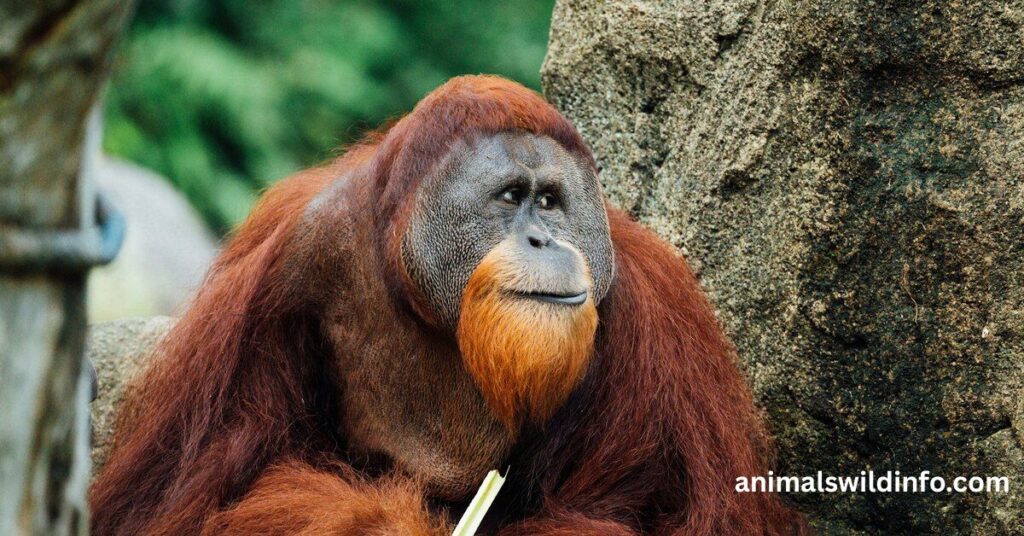
The orangutan, an omnivorous great ape from Borneo and Sumatra, carries a brain weighing around 370 to 460 grams. Despite living a mostly solitary life, orangutans show impressive cognition. They remember the locations of fruiting trees across huge home ranges, timing their travel to match seasonal harvests.
Tool use shows up often in the wild, too. Orangutans strip leaves off sticks to fish for insects, and they fashion leaves into makeshift umbrellas during rain. Mothers also spend years teaching these skills to their young, passing along a kind of forest knowledge that looks a lot like culture.
Chimpanzee – A Highly Intelligent Primate
The chimpanzee shares close to 98 to 99 percent of its DNA with humans, and its brain, weighing roughly 350 to 400 grams, reflects that kinship. Chimps use tools constantly in the wild, from termite-fishing sticks to leaf sponges for drinking water. This kind of tool use in animals was once thought to be uniquely human.
Beyond tools, chimpanzee troops show layered social politics. Individuals form alliances, reconcile after fights, and comfort each other with hugs. Younger chimps learn these behaviors by copying adults over years, building a social behavior system that researchers now recognize as a genuine, learned culture.
Octopus – The Invertebrate With a Complex Brain
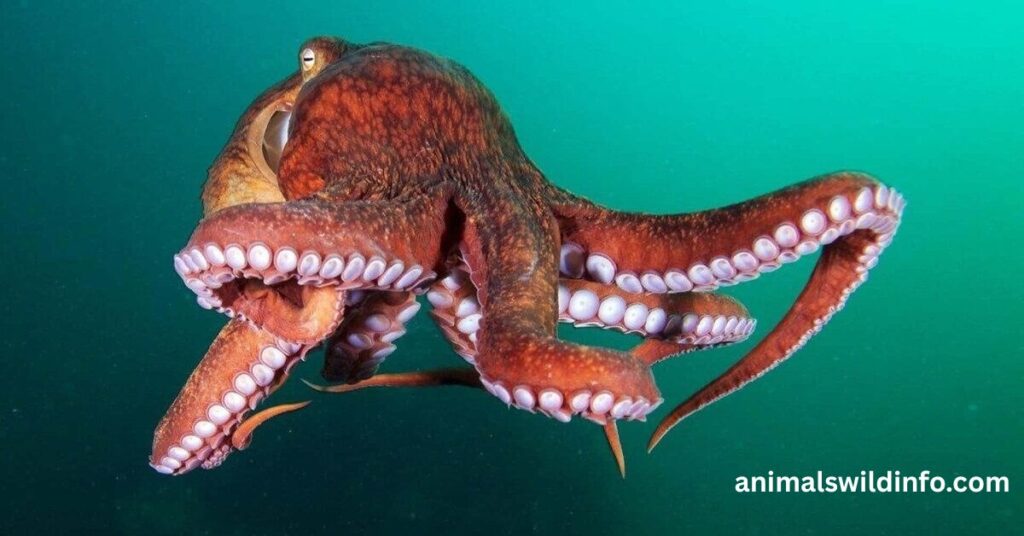
The octopus is a carnivorous invertebrate, and its brain breaks nearly every rule on this list. It carries around 500 million neurons, but two-thirds of them sit in its arms rather than its central brain. Each arm can taste, touch, and even solve simple problems on its own, giving the octopus a strange, distributed kind of cognition.
This setup produces remarkable results. Octopuses escape sealed jars from the inside, solve mazes, and learn by watching other octopuses perform a task. Combined with near-perfect camouflage and a knack for play, the octopus stands as the clearest proof that cephalopod intelligence doesn’t need a spine to work.
Read More: Top 17 Strongest Animals in the World (With Pictures)
Ravens and Crows – Exceptionally Intelligent Birds
Ravens (Corvus corax) and crows (Corvus brachyrhynchos) are two closely related bird species, grouped here because they share strikingly similar brain power. Each carries a brain weighing only around 10 to 20 grams, yet a landmark study published in PNAS found that bird brains pack roughly twice as many neurons into that space as a primate brain of the same mass, thanks to unusually dense, small neurons.
That density pays off. A 2016 study from Lund University found ravens matched great apes on tests of self-control and problem-solving, according to ScienceDaily. Crows in cities use passing cars to crack open nuts, and both species plan ahead by storing food for later. This is bird intelligence at a level scientists once reserved for primates.
Parrots – Birds With Impressive Memory and Intelligence
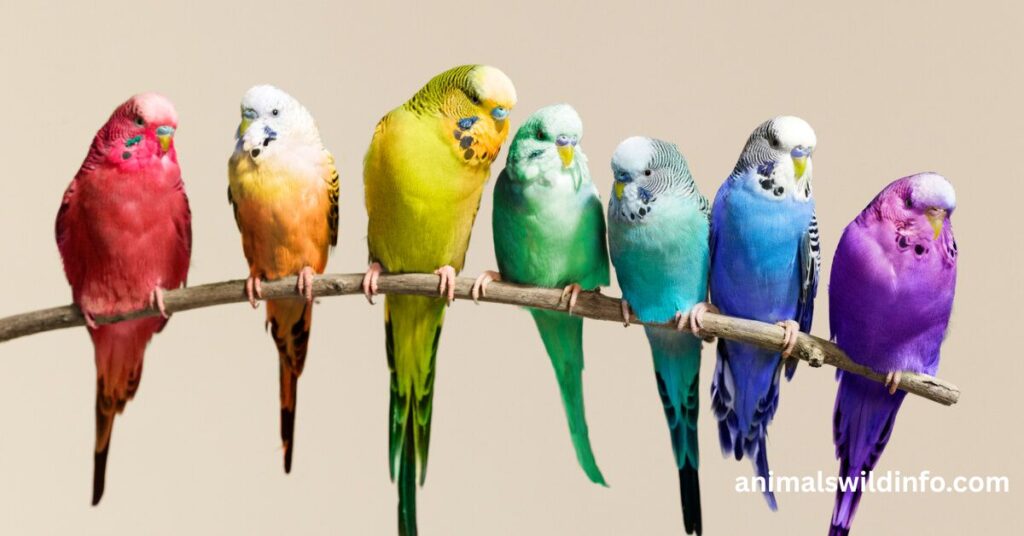
Parrots show the same trick as ravens and crows: tiny brains, dense neurons, and outsized results. African grey parrots, one of the best-studied species, can learn the meanings of dozens of words and correctly identify shapes, colors, and quantities. That kind of performance rivals a young child’s grasp of basic concepts.
Flock life likely drives a lot of this brainy animals behavior. Parrots live in complex social groups that require reading body language, remembering flockmates, and coordinating movement. Long lifespans, sometimes exceeding 50 years, also give parrots time to build memory and refine their communication skills across decades.
False Killer Whale – A Social and Intelligent Whale
The false killer whale is a member of the dolphin family, not a true killer whale, despite the name. Its brain weighs somewhere between 2.5 and 3.7 kilograms depending on the individual, giving it one of the larger brains among cetaceans. Pods often stay together for life, hunting cooperatively and sharing food between members.
Researchers have documented false killer whales recognizing themselves in mirrors, a rare trait shared with only a few species. They also form close bonds within their pods, supporting distressed or injured members for extended periods. That mix of self-awareness and loyalty puts them firmly among the ocean’s most intelligent mammals.
Pilot Whale – A Large-Brained Social Mammal
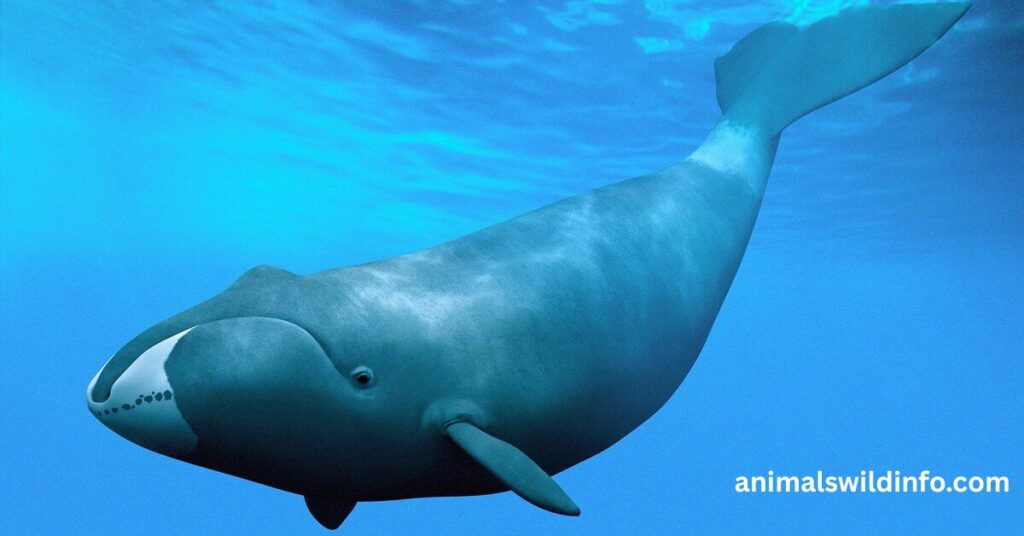
The pilot whale, technically a large dolphin rather than a true whale, carries a brain estimated between 2.6 and 3.9 kilograms depending on the study cited. That places it just behind orcas among marine mammals with large brains. Pilot whales dive over 600 meters deep to hunt squid, relying on sharp echolocation to navigate total darkness.
Social bonds run deep in pilot whale pods, which can include over a hundred individuals and often stay together for a lifetime. Older females, well past their reproductive years, continue leading the group, a pattern also seen in orcas. That kind of multi-generational leadership hints at real accumulated knowledge, not just instinct.
Walrus – A Marine Mammal With a Large Brain
The walrus carries a brain weighing between 1.0 and 1.1 kilograms, close to human brain weight, according to Polar Guidebook. That’s a big brain for a species most people picture as a slow, tusked blob on an ice floe. Walruses actually show sharp problem-solving skills, using their tusks to break through thick ice and anchor themselves while resting.
Social life adds another layer of complexity. Walrus herds communicate through bell-like calls, grunts, and physical displays, especially during the breeding season. Half of a walrus’s brain can also stay active while the other half sleeps, letting the animal stay alert even while resting in open water.
Read More: 9 Woodpeckers in Wisconsin (Pictures, Identification & Where to Find Them)
Giraffe – A Surprisingly Large Brain
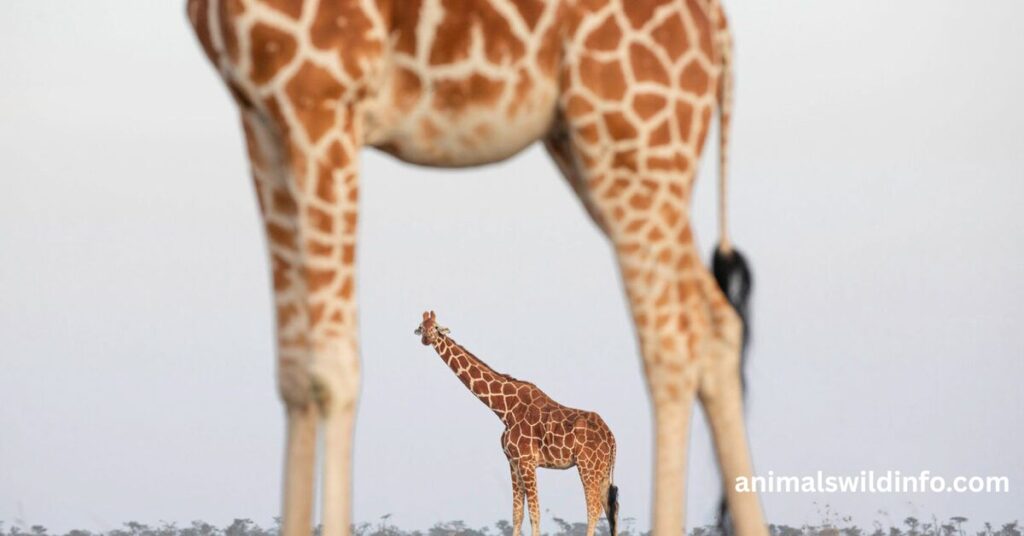
The giraffe might seem like an unlikely name on a list about biggest brains in animals, but its brain weighs around 700 grams, unusually large for a pure herbivore of its body plan. Much of that brain power goes toward managing an extraordinary body: balancing a two-meter neck, tracking predators from far above the grass line, and controlling blood pressure that would knock most animals unconscious.
Giraffes also show more social depth than people usually assume. Herds shift membership constantly, but individuals remember one another across years and form preferred companions. Mothers coordinate babysitting duties, watching over multiple calves while other mothers feed, a behavior that requires real memory and coordination.
Comparison of Animal Brain Weights
| Animal | Approx. Brain Weight | Class | Diet | Standout Trait |
| Sperm Whale | Up to 9 kg (20 lb) | Mammalia | Carnivore | Largest brain on Earth |
| Elephant | 4.8–5.4 kg (10–12 lb) | Mammalia | Herbivore | Long-term memory |
| Orca | 5.4–6.8 kg (12–15 lb) | Mammalia | Carnivore | Pod culture and dialects |
| Pilot Whale | 2.6–3.9 kg (6–8.5 lb) | Mammalia | Carnivore | Deep-diving social bonds |
| False Killer Whale | 2.5–3.7 kg (5.5–8 lb) | Mammalia | Carnivore | Mirror self-recognition |
| Bottlenose Dolphin | 1.5–1.7 kg (3.3–3.7 lb) | Mammalia | Carnivore | Tool use with sponges |
| Human | 1.3–1.4 kg (about 3 lb) | Mammalia | Omnivore | Highest encephalization quotient |
| Walrus | 1.0–1.1 kg (2.2–2.4 lb) | Mammalia | Carnivore | Half-brain sleep |
| Giraffe | About 0.7 kg (1.5 lb) | Mammalia | Herbivore | Balances extreme body size |
| Gorilla | 0.43–0.5 kg (0.9–1.1 lb) | Mammalia | Herbivore/Omnivore | Learns sign language |
| Chimpanzee | 0.35–0.4 kg (0.8–0.9 lb) | Mammalia | Omnivore | Wild tool use |
| Orangutan | 0.37–0.46 kg (0.8–1 lb) | Mammalia | Omnivore | Long-range spatial memory |
| Octopus | Small mass, ~500 million neurons | Cephalopoda | Carnivore | Distributed arm cognition |
| Raven / Crow | 10–20 g | Aves | Omnivore | High neuronal density |
| Parrot | 10–25 g | Aves | Omnivore | Advanced vocal learning |
This table highlights something the raw ranking can hide: brain weight alone doesn’t decide the smartest species. Ravens sit near the bottom by weight but hold their own against apes in cognitive tests, which sets up the next section nicely.
Brain Size vs. Intelligence in Animals
Bigger doesn’t automatically mean smarter, and this list proves it over and over. A sperm whale’s brain dwarfs a raven’s, yet the two may not be far apart in actual problem-solving power. Brain size vs intelligence is really a question of structure, neuron density, and how a brain is organized, not just how much it weighs on a scale.
The encephalization quotient, or EQ, gives researchers a fairer way to compare species. It measures brain size against the size scientists would expect for an animal of that body mass. Humans score highest on this scale, dolphins and chimpanzees follow, and sperm whales actually rank lower than you’d guess, since so much of their brain simply manages a massive body.
Why Do Some Animals Have Such Large Brains?
Large brains cost a lot of energy to run, so evolution doesn’t hand them out for free. Social living is one of the biggest drivers behind large-brained animals. Species that track relationships, remember favors, and coordinate group behavior tend to need more processing power, which is why elephants, dolphins, and primates all show heavy investment in brain tissue.
Diet and environment matter too. Hunting unpredictable prey, like squid in total darkness or fast-moving fish, rewards sharp memory and quick decisions. Long lifespans also help justify a big brain, since animals that live for decades have more time to learn, and more reason to remember what they’ve learned. That combination explains why animal brain weight varies so widely across similar-sized species.
Does a Bigger Brain Mean Higher Intelligence?
Not on its own. This is one of the clearest lessons from studying animal intelligence comparison data across species. The sperm whale carries the heaviest brain in the world, yet it doesn’t outperform dolphins or chimpanzees on standard cognitive tests, mostly because so much of its brain handles basic body functions rather than complex thought.
Neuron count and density often matter more than raw mass. A crow’s small brain, dense with tightly packed neurons, can rival a young chimpanzee on some memory and reasoning tasks. That’s why scientists increasingly look past simple animal brain size rankings and focus on brain structure, wiring, and neuron efficiency when judging real cognitive abilities of animals.
Animals With Unusual or Highly Specialized Brains
A few species break the usual brain rules entirely. The octopus splits much of its thinking across eight arms, each capable of limited independent action, which makes its nervous system complexity unlike anything found in vertebrates. Leeches, meanwhile, have roughly 32 separate ganglia running down their bodies, sometimes loosely described as “32 brains,” though each one really just controls a single body segment rather than thinking on its own.
Jellyfish sit at the opposite extreme. They have no centralized brain at all, relying instead on a simple nerve net spread through their bodies. That net still lets a jellyfish sense light, avoid obstacles, and pulse rhythmically through the water, proof that even a very basic nervous system can support surprisingly coordinated behavior.
Final Thoughts on Animals With the Biggest Brains
From the sperm whale’s record-setting mass to the raven’s tightly packed neurons, this list of animals with the biggest brains shows intelligence takes many forms. Some species lean on sheer size, others on structure, and a few, like the octopus, throw out the mammalian rulebook entirely. What ties them together is a shared reliance on brain development shaped by social pressure, diet, and the demands of a long life.
Many of these animals also face real conservation threats, from habitat loss to ocean noise pollution that disrupts whale communication. Protecting the world’s smartest animals means protecting the complex environments that shaped their remarkable brains in the first place. The more we learn about animal cognition, the harder it becomes to draw a firm line between human and animal minds.
Frequently Asked Questions
What animal has the biggest brain?
The sperm whale has the largest brain by weight of any known animal, reaching up to 9 kilograms, or about 20 pounds. Its brain is roughly six times heavier than a human brain, though a sperm whale’s body is also far larger than a person’s.
Which animal has the largest brain relative to its body?
Ants and some small birds actually top the charts for brain-to-body mass ratio, but among well-known intelligent species, humans hold the highest encephalization quotient. Dolphins and chimpanzees follow closely behind humans on this relative scale.
Which animal has the highest intelligence?
Chimpanzees are often cited as the most intelligent non-human animal, thanks to their tool use, social learning, and close genetic relationship to humans. Dolphins, elephants, and corvids also rank near the top, depending on which cognitive skill gets tested.
Which animal has more than one brain?
Leeches are commonly described as having 32 brains, since their bodies contain 32 separate ganglia, or nerve clusters, arranged in segments. Each ganglion controls its own section of the body, working more like a distributed nervous system than 32 independent thinking brains.
Do bigger brains make animals smarter?
Not by themselves. Brain structure, neuron density, and how efficiently a brain is wired matter more than raw size, which is why small-brained birds like ravens can match or beat some large-brained mammals on cognitive tests.