6 Types of Marmots in North America: Amazing Facts & Pictures
Marmots are some of the most charming residents of North America’s high country. If you’ve ever hiked a mountain trail and heard a sharp whistle echo off the rocks, you’ve probably met one without even seeing it. Types of Marmots in North America That whistle usually comes from a chunky, ground-dwelling animal perched on a boulder, watching the trail below like a tiny mountain sentry. This guide walks you through every type of marmot in North America, their habits, and where you can spot them yourself.
You’ll learn what makes each species unique, how to tell them apart, and why these mountain dwellers matter more than you might think. We’ll cover everything from their scientific names and diets to their hibernation schedules and the best national parks for spotting them in the wild. Grab a coffee and let’s dig into the world of North American marmots.
What Is a Marmot?
A marmot is a large, stocky rodent that belongs to the squirrel family. Think of it as a squirrel that skipped leg day and moved to the mountains instead. Marmots fall under the genus Marmota, and they’re the biggest members of the ground squirrel group found anywhere in the world.
These animals are large ground squirrels, built low to the ground with short legs, a broad head, and a thick, bushy tail. You’ll usually find them sunbathing on a boulder or standing upright near their burrow entrance, watching for danger. That upright pose isn’t just cute, it’s a survival habit that helps them scan for predators before anything sneaks up on them. Their marmot physical characteristics also include dense, weather-resistant fur and powerful front claws built for digging, along with cheek pouches that let them stuff extra food before dashing back underground.
Most species carry a decent layer of fat by late summer, which explains why they look noticeably rounder heading into fall than they do in spring. As a burrowing rodent, a marmot spends a huge chunk of its life underground, either sleeping, raising young, or hiding from predators like eagles and coyotes. That underground lifestyle shapes almost everything about how marmots behave, feed, and survive the harsh mountain winters they call home.
Marmots in North America: Key Facts
North America is home to six distinct marmot species, and each one has carved out its own patch of territory. From the dry slopes of Colorado to the icy peaks of Alaska, marmot animals have adapted to a surprising range of climates. Most species weigh somewhere between 5 and 20 pounds, and they can live for 13 to 15 years in the wild, which is a solid run for a rodent.
Here’s a quick snapshot of the basics before we get into each species individually.
| Fact | Detail |
| Number of species in North America | 6 |
| Genus | Marmota |
| Family | Sciuridae (squirrel family) |
| Average weight | 5–20 lbs |
| Average lifespan | 13–15 years |
| Typical habitat | Alpine meadows, rocky slopes, grasslands |
| Diet | Herbivorous |
Types of Marmots in North America
So, how many types of marmots actually live on this continent? Six, and each one brings something different to the table. Some are common and widespread, while others survive in just one small corner of the map.
Below, you’ll find a full breakdown of every North American marmot species, complete with scientific names, diet, and the quirks that make each one worth knowing.
Read More: 14 Fascinating Animals With 3 Toes (With Pictures)
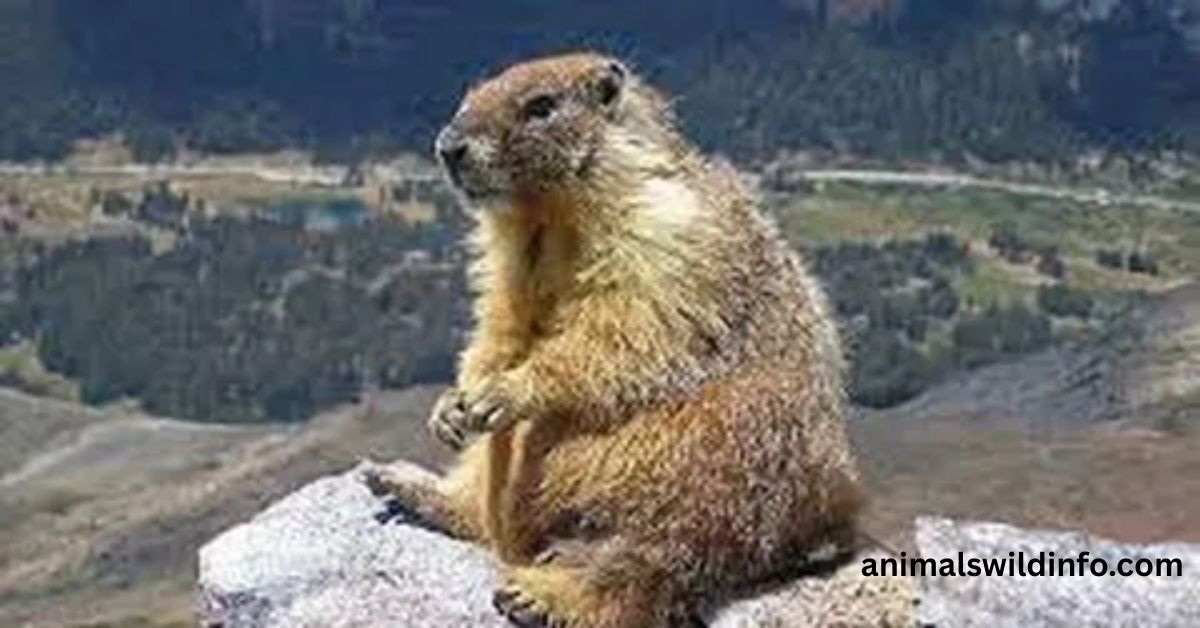
Yellow-Bellied Marmot
Scientific Name: Marmota flaviventris Class: Mammalia Diet: Herbivorous (grasses, wildflowers, seeds)
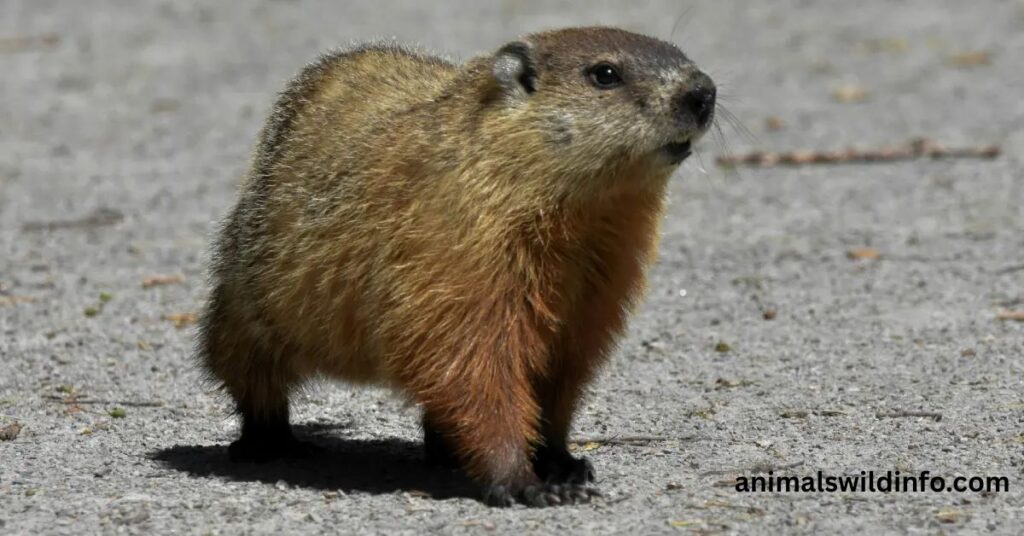
The yellow-bellied marmot is probably the poster child for western mountain wildlife. You’ll spot it across the rocky mountains, from Colorado up through Washington and into parts of Canada. Its golden underbelly gives it that unmistakable name, and it usually lives in colonies, digging burrows that double as both shelter and a social gathering spot.
What really sets this species apart is how it handles winter. It enters a deep hibernation that can stretch for eight months, depending on elevation and snowpack. When spring finally hits, these marmots burst out of their burrows almost frantic to eat, since months without food leave them running on fumes. Their chirps and whistles aren’t random noise either. They form an actual warning system that keeps the whole colony safe from hawks, coyotes, and other predators.
Groundhog (Woodchuck)
Scientific Name: Marmota monax Class: Mammalia Diet: Herbivorous (clover, dandelions, garden vegetables)
Ask any American to name a marmot, and they’ll probably say groundhog. Also called a woodchuck, this species is famous every February 2nd for predicting how much winter is left. But there’s way more to this animal than a weather stunt. Groundhogs dig extensive tunnel systems that can stretch over 30 feet long, and those tunnels aerate the soil in ways that actually help nearby plants thrive.
Unlike some of their mountain cousins, groundhogs don’t need high elevation to survive. You’ll find them in grasslands, farm fields, and even suburban backyards across the eastern and central United States. They’re solitary by nature, unlike the colony-loving yellow-bellied marmot, and they’ll let out a sharp whistle if they sense a threat nearby. Their hibernation runs from October through February in most regions, and during that time their heart rate can drop from 80 beats per minute to just 5.
Vancouver Island Marmot
Scientific Name: Marmota vancouverensis Class: Mammalia Diet: Herbivorous (grasses, sedges, flowering plants)
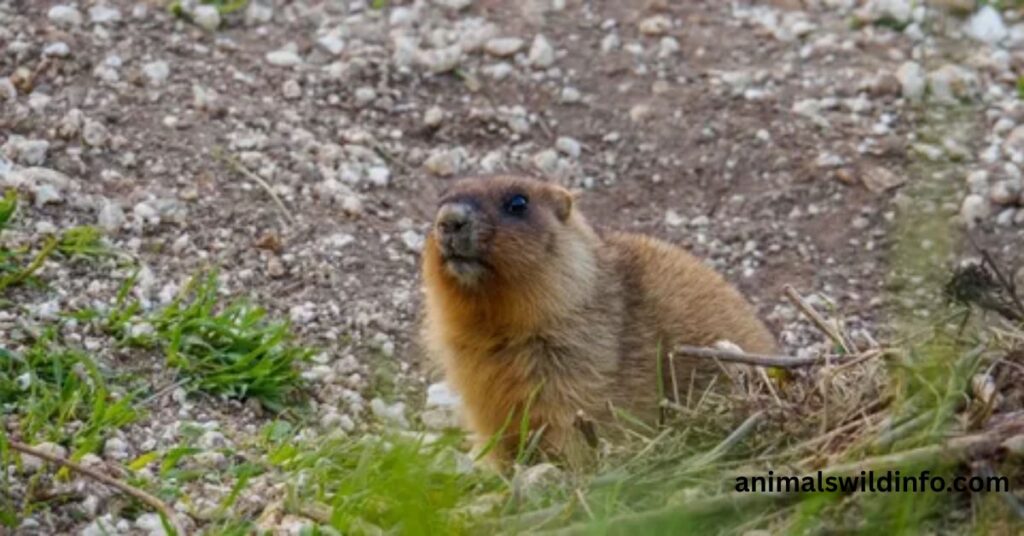
The Vancouver Island marmot holds a title nobody wants: one of the rarest mammals on the planet. It exists in exactly one place, the alpine meadows of Vancouver Island in British Columbia, and nowhere else on Earth. Its chocolate-brown fur and stocky frame make it easy to identify once you know what you’re looking for, but actually finding one takes patience and a bit of luck.
Habitat loss and predation pushed this species dangerously close to extinction by the early 2000s, with wild populations dropping below 30 individuals at one point. Conservation groups stepped in with captive breeding programs, and the numbers have slowly climbed back up since then. Colonies of this marmot show strong family bonds, and young marmots often stick around to help raise the next litter, which is a rare trait even among wild marmots.
Hoary Marmot
Scientific Name: Marmota caligata Class: Mammalia Diet: Herbivorous (grasses, berries, roots)
If you’ve ever hiked in the Cascades or the Canadian Rockies and heard a loud, piercing whistle, you likely crossed paths with a hoary marmot. Locals sometimes call it the “whistler,” and yes, the ski town of Whistler in British Columbia actually took its name from this animal. Its thick, silvery-gray coat gives it a frosted look, which is where the word “hoary” comes from.
Hoary marmots live in colonies that can include dozens of individuals, and their social structure runs deep, with grooming rituals and coordinated alarm calls protecting the whole group. They’re also considered one of the largest marmot species by many wildlife biologists, rivaling the Olympic marmot in size. Their hibernation can last up to nine months in colder ranges, making them one of the toughest cold-weather survivors among mountain marmots.
Alaska Marmot
Scientific Name: Marmota broweri Class: Mammalia Diet: Herbivorous (grasses, flowering plants, roots)
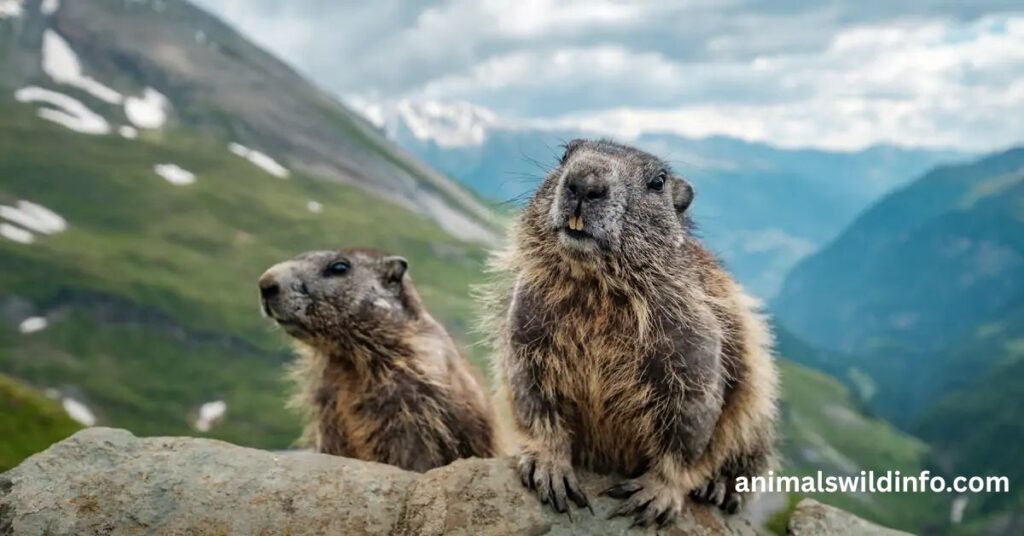
The Alaska marmot lives further north than any other marmot species in North America, thriving in the Brooks Range and other remote parts of Arctic Alaska. Its thick fur coat isn’t just for looks. It’s a necessity for surviving temperatures that regularly drop far below freezing. This species tends to live in smaller family groups compared to its cousins, and it shows a tight-knit social bond that includes shared burrowing duties.
One unusual trait sets this marmot apart from the rest: its hibernation timing. While most marmots wake up in spring, the Alaska marmot often waits until summer’s peak to fully emerge, syncing its activity with the short Arctic growing season when food is most plentiful. This late start might look lazy, but it’s actually a smart survival adaptation, since it limits the animal’s exposure to predators during the leaner months. Researchers still consider this one of the least-studied marmot species in North America, given how remote and difficult its range is to access.
Read More: Top 13 Animals That Live in Fields (With Pictures)
Olympic Marmot
Scientific Name: Marmota olympus Class: Mammalia Diet: Herbivorous (grasses, wildflowers, seeds)
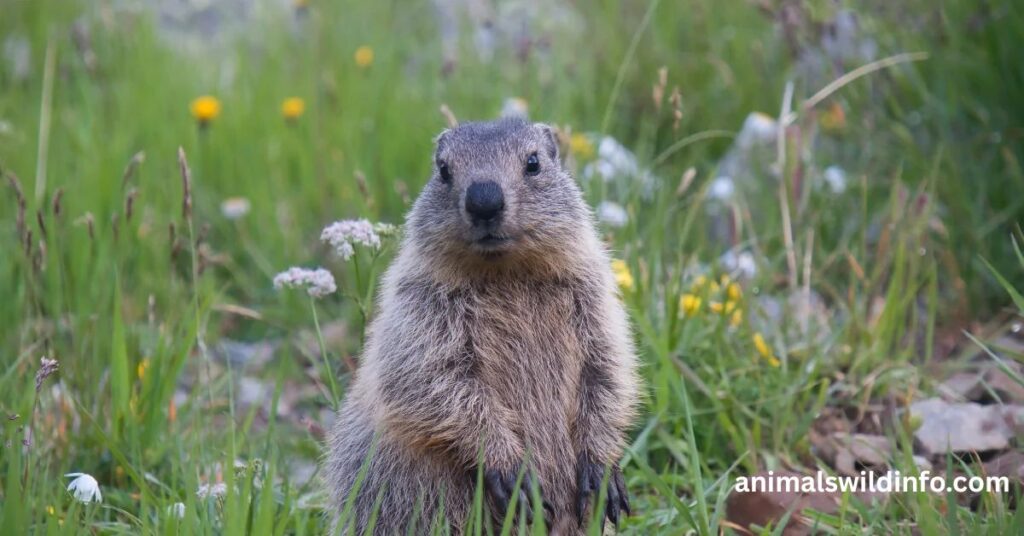
Found only in the alpine meadows of Washington’s Olympic Mountains, the Olympic marmot is a true regional specialist. Its golden-brown coat and white facial patches make it one of the more photogenic species, which explains why it shows up in so many marmot pictures taken by hikers in Olympic National Park. Colonies can include up to 20 individuals, and their social bonds run strong, with plenty of play-fighting and mutual grooming.
This species also holds a record among marmots: the longest hibernation of any North American type. Some Olympic marmots stay underground for nearly eight months, starting as early as September and not fully emerging until June. That’s more than half the year spent conserving energy through stored body fat, which says a lot about how efficiently this rodent has adapted to a short growing season and a long, snowy winter.
How to Identify Different Marmot Species
Marmot identification comes down to a few key details: fur color, body size, tail shape, and geographic location. If you’re standing in the Pacific Northwest and see a golden-brown marmot with white facial patches, you’re likely looking at an Olympic marmot rather than its eastern cousin, the groundhog. Location alone rules out a lot of guesswork, since most species stick to fairly specific ranges, and knowing which state or park you’re in narrows things down fast.
Beyond color, pay attention to marmot body size and marmot fur color together. The Vancouver Island marmot has a distinct chocolate-brown coat found nowhere else, while the hoary marmot’s frosted, silvery fur is hard to mistake once you’ve seen it. The marmot tail also offers clues, since it’s typically bushy and shorter relative to body size compared to other rodents like squirrels. Listen for vocal cues too.
A sharp, single whistle often signals a groundhog or yellow-bellied marmot, while a longer, more musical call points toward a hoary marmot. Combine these physical traits, sounds, and habitat clues, and identifying a marmot gets a lot easier, even for a first-time hiker who’s never seen one up close.
Where Do Marmots Live in North America?
Marmot habitats stretch across a huge range of North American terrain, from sea-level meadows to peaks above 13,000 feet. Most species prefer rocky slopes, mountain meadows, and alpine environments where boulders offer both a lookout point and quick escape routes from predators. The marmot range covers everything from Alaska’s Arctic tundra down through the Rockies and into parts of the American Southwest.
That said, not every marmot needs mountains to survive. The groundhog thrives in grasslands, forest edges, and farmland across the eastern and central United States, proving just how adaptable this genus really is.
Species like the Alaska marmot and hoary marmot, on the other hand, stick to true high-elevation wildlife zones, often above the tree line where oxygen is thinner and temperatures swing wildly between day and night. Marmot distribution across the continent reflects millions of years of adaptation, with each species carving out a niche suited to its specific climate, elevation, and food supply.
What Do Marmots Eat?
The marmot diet is almost entirely plant-based, which makes them a textbook example of a herbivorous mammal. They graze on grasses, wildflowers, clover, and berries, and they’ll happily nibble on garden vegetables if a groundhog happens to live nearby your backyard. Their marmot feeding habits shift with the seasons, since they need to pack on serious fat reserves before winter hibernation begins.
During late summer, marmots can spend most of their waking hours eating, sometimes gaining up to 20 percent of their body weight in preparation for the months ahead. This intense feeding period isn’t greed, it’s survival math, since every ounce of fat determines whether the animal makes it through a long winter underground.
Marmot predators, including golden eagles, coyotes, and badgers, tend to stay active during these same foraging hours, so marmots eat in short bursts near their burrow entrance rather than wandering far from safety. Once the growing season winds down, marmots shift from active foragers into full hibernation mode almost overnight, leaving very little vegetation on the surface behind them.
Why Do Marmots Hibernate?
Marmot hibernation exists for one simple reason: food disappears in winter, and staying active without it would be a death sentence. Alpine environments freeze over for months at a time, so instead of fighting the cold, marmots retreat into deep burrows and let their bodies slow down dramatically. Their heart rate drops, their body temperature falls close to the surrounding soil temperature, and their metabolism nearly shuts off.
This process, called torpor, allows a marmot to survive on stored fat alone for months without eating or drinking. During deep torpor, a marmot’s heart rate can drop from around 100 beats per minute to under 10, and its body temperature can fall to nearly match the soil around it.
Marmot winter hibernation varies quite a bit by species and elevation, ranging from around five months for lower-elevation groundhogs to nearly eight or nine months for high-altitude species like the Olympic and hoary marmots. It’s one of the most extreme energy-saving strategies found anywhere in North American wildlife, and it’s a big reason these animals can survive in places most mammals would avoid entirely. These survival adaptations show just how finely tuned marmots are to their environment, right down to the exact month they choose to wake up.
Marmots vs. Prairie Dogs and Other Ground Squirrels
People often mix up marmots with prairie dogs or other small burrowing rodents, but the differences are pretty clear once you know what to look for. Marmots are significantly larger, often three to five times the weight of a prairie dog, and they tend to live at higher elevations in mountain habitats rather than open plains. Their marmot social behavior also differs, since marmot colonies are usually smaller and less densely packed than the sprawling prairie dog towns you’d see in places like South Dakota.
| Trait | Marmot | Prairie Dog | Ground Squirrel |
| Average weight | 5–20 lbs | 1–3 lbs | 0.5–1.5 lbs |
| Typical habitat | Alpine meadows, rocky slopes | Grassland plains | Grasslands, deserts |
| Hibernation | Yes, long-term | Light torpor only | Yes, varies by species |
| Social structure | Small colonies | Large interconnected towns | Solitary or loose groups |
| Range in North America | Widespread, mountains and lowlands | Central Great Plains | Widespread |
Where to See Marmots in North America
If you want to see a marmot in person, national parks are your best bet. Olympic National Park in Washington is practically guaranteed territory for the Olympic marmot, especially along the Hurricane Ridge trails during summer months. Rocky Mountain National Park in Colorado offers reliable sightings of yellow-bellied marmots sunning themselves on rocks near popular hiking routes.
For something rarer, Vancouver Island’s alpine zones give dedicated wildlife watchers a shot at spotting the elusive Vancouver Island marmot, though sightings take real effort and often a guided trip through steep terrain. Denali National Park in Alaska is your best option for the Alaska marmot, while Glacier National Park in Montana and Jasper National Park in Alberta are solid spots for hoary marmot encounters.
Groundhogs are far easier to find, since they turn up in farmland, parks, and even suburban lawns across much of the eastern and midwestern United States. Wherever you go, rocky mountain wildlife tends to be most active in the early morning and late afternoon, so plan your hikes accordingly and bring binoculars if you want a closer look without disturbing the colony.
Fascinating Facts About Marmots
Marmots pack in more personality than you’d expect from a burrowing rodent. Their marmot warning call isn’t just a random noise, it’s actually a form of complex communication, with researchers identifying different calls for different threats, like aerial predators versus ground predators.
Some biologists have even compared marmot colonies to small societies, complete with hierarchy, cooperative babysitting, and long-term family bonds that last for generations. Young marmots often stay near their mother’s burrow for a full year before striking out on their own, which is longer than many other rodents stick around.
Here’s a fun one: the Groundhog Day tradition dates back to European folklore brought over by German immigrants in Pennsylvania during the 1800s, originally involving badgers before Americans swapped in the local groundhog. The marmot breeding season typically runs shortly after they emerge from hibernation in spring, with females giving birth to litters of three to five pups after a gestation period of around a month.
Marmots are also surprisingly long-lived for rodents their size, with some individuals reaching 15 years in the wild, well beyond what most similarly sized mammals achieve. And despite their chubby appearance, marmots can move fast when startled, sprinting toward their burrow entrance in a blur the moment a shadow crosses overhead.
Final Thoughts on North American Marmots
From the whistling colonies of the hoary marmot to the rare and isolated Vancouver Island marmot, these animals represent some of the most resilient wildlife North America has to offer. Each species has found its own way to survive extreme cold, short growing seasons, and constant predator pressure, and that adaptability deserves real appreciation.
Whether you’re planning a hike through Olympic National Park or just curious about the whistling creature you spotted on a mountain trail, understanding these marmot species adds a lot to the experience. Protecting their habitats matters too, especially for rarer species like the Vancouver Island marmot, whose survival still depends heavily on ongoing conservation work.
Frequently Asked Questions
What Is Another Name for a Marmot?
The most common alternate name is groundhog, though it’s also called a woodchuck in many parts of the United States. Regional nicknames like “whistler” show up too, especially for the hoary marmot, thanks to its loud alarm calls.
Are Marmots Rodents?
Yes, marmots are rodents, and they belong to the Sciuridae family, which also includes squirrels and chipmunks. They’re actually the largest members of this family found anywhere in the world.
How Many Types of Marmots Are Found in North America?
North America is home to six marmot species: the yellow-bellied marmot, groundhog, Vancouver Island marmot, hoary marmot, Alaska marmot, and Olympic marmot. Each one occupies a different region and climate zone across the continent.
What Is the Largest Marmot in North America?
The hoary marmot and Olympic marmot are generally considered the largest species, with some hoary marmots reaching up to 20 pounds. Size can vary quite a bit based on age, season, and how much fat an individual has stored before hibernation.
What Habitats Do Marmots Prefer?
Most marmots prefer alpine meadows, rocky slopes, and mountain terrain where boulders offer both shelter and a good vantage point. Groundhogs are the exception, thriving instead in grasslands, farmland, and forest edges at much lower elevations.