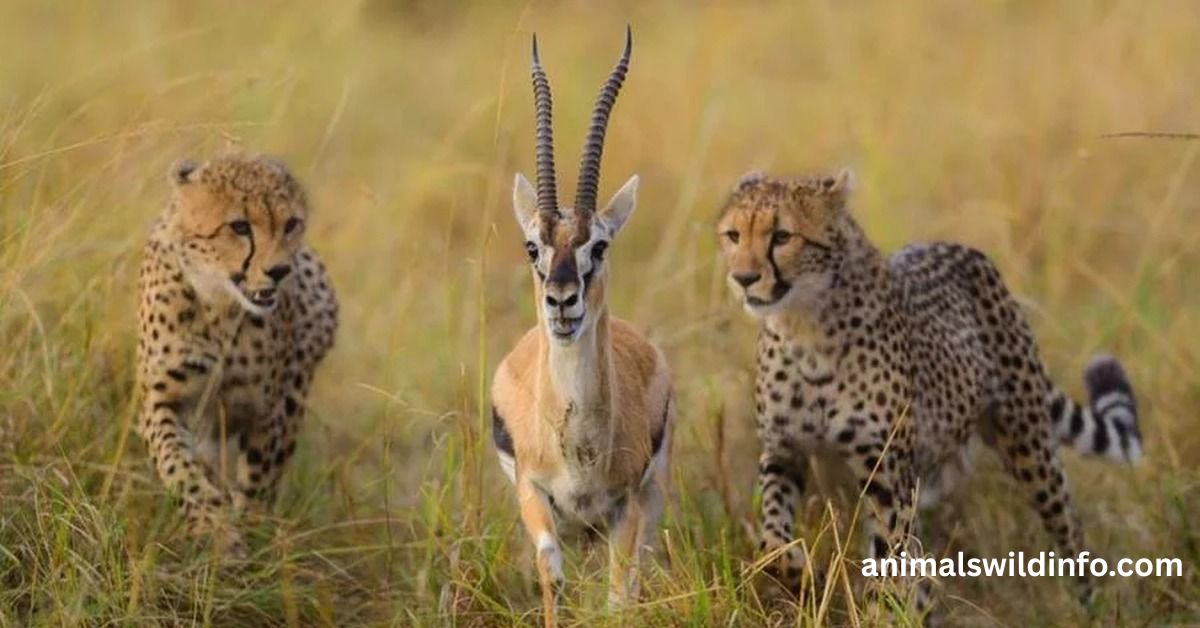
Top 13 Animals That Live in Fields (With Pictures)
Open fields look quiet at first glance. But look closer, and you’ll find a busy world underneath the grass and beneath the soil. Field wildlife thrives in these open spaces, from tiny insect-eating rodents to graceful deer. Every rustle in the grass tells a story about survival, food, and shelter.
This guide walks you through the top 13 animals that live in fields, straight from the American countryside to your backyard meadow. You’ll learn what they eat, how they behave, and why field habitats matter so much for biodiversity. Grab a coffee, and let’s explore this hidden world together.
List of Animals That Live in Fields
Grassy fields and agricultural fields across the U.S. host a stunning variety of creatures. Some dig tunnels underground, while others graze quietly at dawn. Each species has adapted to survive in open habitats, using unique tricks to find food and avoid predators.
Below is a quick snapshot of the 13 farmland animals we’ll cover today. Use this comparison table to see how they stack up before diving into the full profiles.
| Animal | Scientific Name | Class | Diet | Habitat Type |
| Rabbits | Sylvilagus floridanus | Mammalia | Herbivore | Meadows, farmland |
| Field Mice | Apodemus sylvaticus | Mammalia | Omnivore | Grasslands, underbrush |
| Foxes | Vulpes vulpes | Mammalia | Omnivore | Open fields, woodland edges |
| Deer | Odocoileus virginianus | Mammalia | Herbivore | Meadows, agricultural areas |
| Raccoons | Procyon lotor | Mammalia | Omnivore | Farmland, rural environments |
| Opossums | Didelphis virginiana | Mammalia | Omnivore | Tall grasses, underbrush |
| Groundhogs | Marmota monax | Mammalia | Herbivore | Open fields, burrows |
| Squirrels | Sciurus carolinensis | Mammalia | Omnivore | Field edges, tree lines |
| Skunks | Mephitis mephitis | Mammalia | Omnivore | Grasslands, farmland |
| Moles | Scalopus aquaticus | Mammalia | Insectivore | Underground tunnels |
| Chipmunks | Tamias striatus | Mammalia | Omnivore | Meadows, field borders |
| Turkeys | Meleagris gallopavo | Aves | Omnivore | Open fields, grasslands |
| Voles | Microtus pennsylvanicus | Mammalia | Herbivore | Grassy fields, burrows |
Now, let’s meet each of these grassland animals up close.
Rabbits
Scientific Name: Sylvilagus floridanus Class: Mammalia Diet: Herbivore
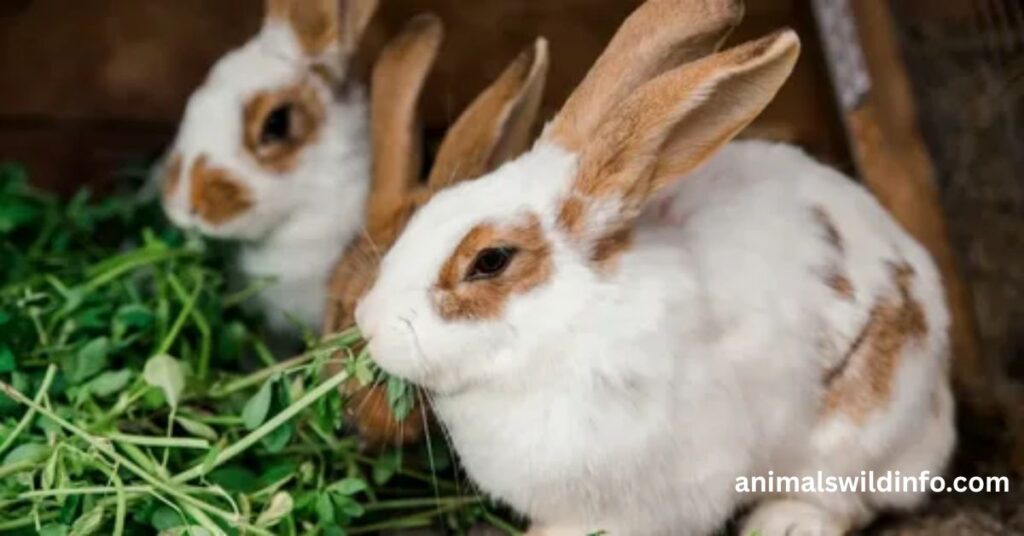
You’ll spot rabbits nibbling clover at dawn or dusk in almost any American meadow. They’re herbivorous animals, so grass, clover, and garden greens make up their entire diet. Rabbits dig shallow burrows for shelter, and they breed fast, which keeps their population steady even with heavy predation. Their strong hind legs let them dash away from foxes and hawks in a flash. Watch closely, and you’ll notice their ears twitch constantly, picking up the faintest sounds of danger nearby.
Read More: Top 15 Dangerous Animals in the Philippines (With Images)
Field Mice
Scientific Name: Apodemus sylvaticus Class: Mammalia Diet: Omnivore
Field mice might be small, but they play a huge role in field ecosystems. These tiny rodents eat seeds, insects, and roots, making them true omnivorous animals with a flexible diet. They build nests in burrows hidden beneath thick grass, safe from owls and snakes above. Field mice also help with seed dispersal, carrying seeds far from parent plants and helping new growth spread across the land. Their fast breeding cycle makes them a key food source for nearly every predator in the area.
Foxes
Scientific Name: Vulpes vulpes Class: Mammalia Diet: Omnivore
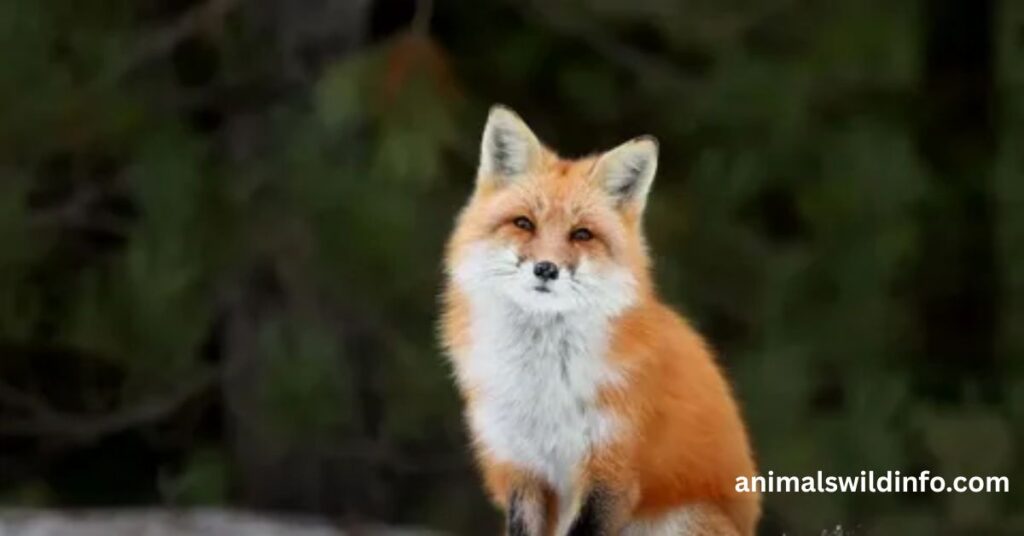
Foxes roam open fields with a confidence that few animals can match. As skilled predators, they hunt rabbits, mice, and insects, but they’ll also munch on berries when meat runs scarce. Their reddish coats blend surprisingly well into dry autumn grass, giving them a natural edge while stalking prey. Foxes live in small family groups, and pups learn hunting skills by playfully chasing each other. You’ll often catch them at dawn, trotting along field edges where farmland meets the woods.
Deer
Scientific Name: Odocoileus virginianus Class: Mammalia Diet: Herbivore
Deer graze peacefully across meadows and agricultural areas, especially near sunrise and sunset. As true herbivores, they feed on grass, leaves, and crops, which sometimes puts them at odds with farmers. Deer form loose herds for safety, since more eyes mean better predator avoidance. During colder months, they often migrate toward lower ground where food stays easier to find. Their large ears and sharp sense of smell help them detect danger long before it gets close.
Read More: Top 15 Most Humble Animals in the World (With Pictures)
Raccoons
Scientific Name: Procyon lotor Class: Mammalia Diet: Omnivore
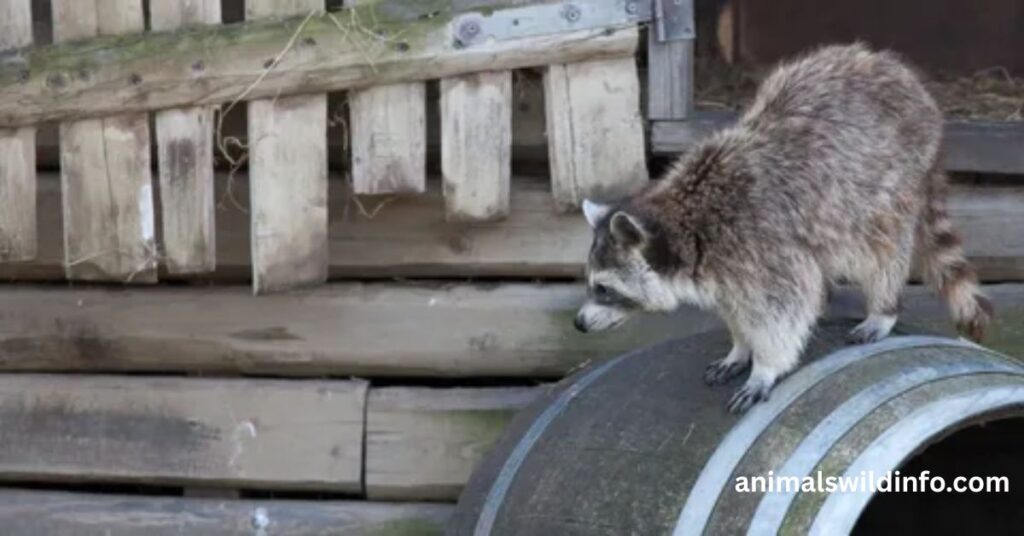
Raccoons aren’t just backyard troublemakers. They thrive in rural environments too, foraging through fields at night for insects, fruit, and small rodents. These clever omnivores use their dexterous paws almost like hands, feeling around in the dark for anything edible. Raccoons remember food locations with impressive accuracy, returning to the same spots night after night. Their masked faces and ringed tails make them one of the most recognizable nocturnal animals in North America.
Opossums
Scientific Name: Didelphis virginiana Class: Mammalia Diet: Omnivore
Opossums work quietly as nature’s cleanup crew, eating ticks, carrion, and pests across field ecosystems. These marsupials are famous for one strange trick: playing dead when threatened. This defense fools most predators into losing interest fast. Opossums move slowly through underbrush, using their prehensile tails to grip branches and stay balanced. Interestingly, their low body temperature makes them naturally resistant to rabies, unlike many other mammals.
Groundhogs
Scientific Name: Marmota monax Class: Mammalia Diet: Herbivore
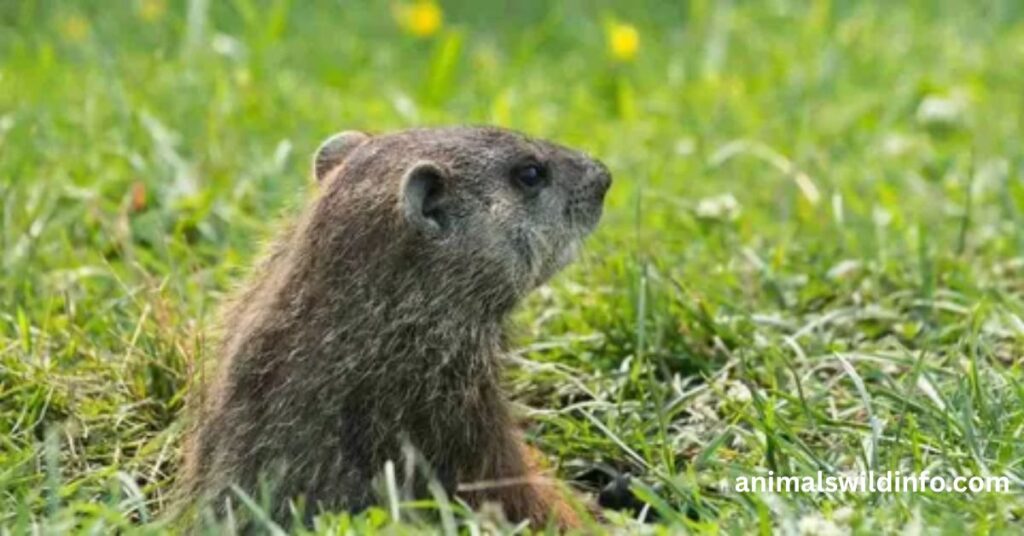
Groundhogs, also called woodchucks, dig elaborate tunnels that stretch several feet underground. These sturdy rodents belong to the squirrel family, and their burrowing habits actually improve soil health over time. Groundhogs spend winter in deep hibernation, living off stored fat until spring arrives. Once they wake up, they eat voraciously, feasting on fresh clover and grass. Farmers sometimes see them as pests, but groundhogs support insect and small mammal habitats without even trying.
Squirrels
Scientific Name: Sciurus carolinensis Class: Mammalia Diet: Omnivore
Squirrels dart across field edges with impressive speed, foraging for nuts, seeds, and the occasional insect. Their bushy tails help with balance during quick leaps, and they also use their tails to signal danger to nearby squirrels. As dedicated foragers, squirrels cache food underground for winter, though they often forget a few hiding spots. Those forgotten nuts grow into new trees, so squirrels unintentionally support seed dispersal across the landscape. Watching one bury acorns feels almost like watching a tiny gardener at work.
Skunks
Scientific Name: Mephitis mephitis Class: Mammalia Diet: Omnivore
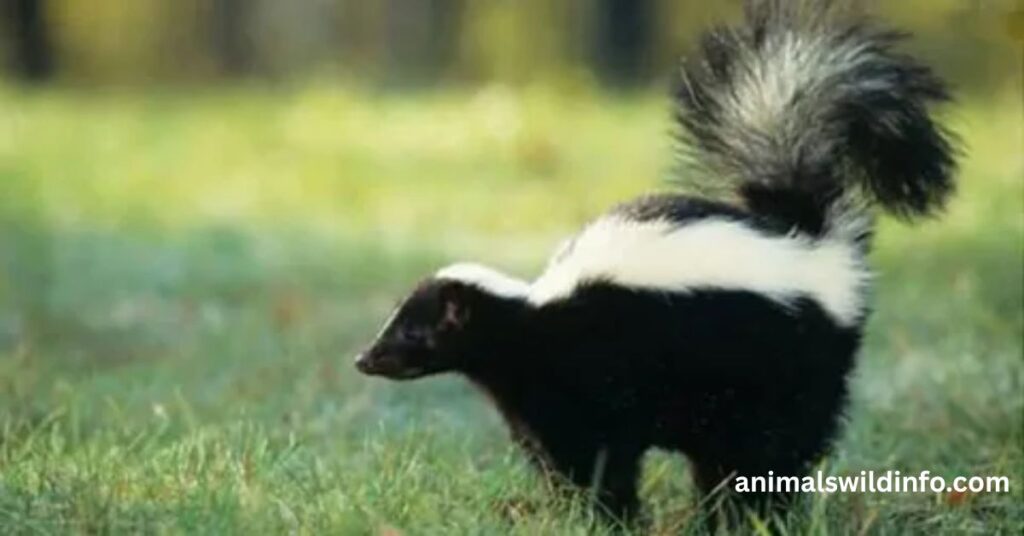
Skunks carry a reputation for their smelly spray, but they do far more good than harm in field environments. These nocturnal foragers hunt beetles, grubs, and grasshoppers, helping control insect populations naturally. Skunks are mostly solitary, though mothers show remarkable dedication while raising their young. They teach kits how to forage and avoid danger before sending them off on their own. Despite their fearsome reputation, skunks would rather waddle away than spray unless truly cornered.
Moles
Scientific Name: Scalopus aquaticus Class: Mammalia Diet: Insectivore
Moles live almost entirely underground, tunneling through soil in search of earthworms and grubs. As dedicated insect-eating animals, they rarely surface, relying on touch instead of sight to hunt. Their powerful front paws work like shovels, letting them dig at astonishing speed. Mole tunnels might frustrate homeowners with lawns, but they aerate soil and improve drainage in the process. Their velvety fur repels dirt, keeping them clean even after hours of digging.
Chipmunks
Scientific Name: Tamias striatus Class: Mammalia Diet: Omnivore
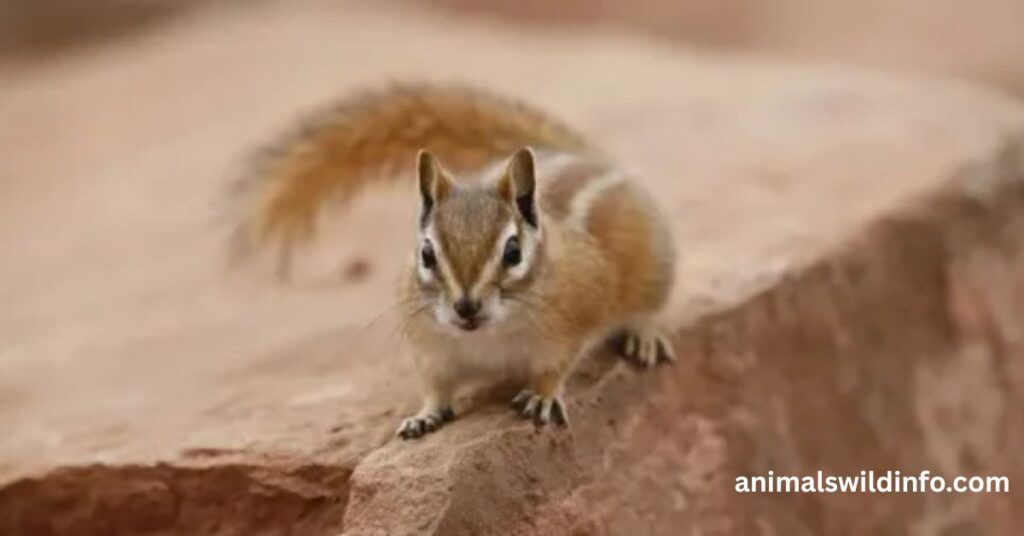
Chipmunks bring energy and charm to every meadow they inhabit. These small, striped rodents stuff their cheek pouches with seeds, nuts, and berries, storing food for the colder months ahead. Unlike squirrels, chipmunks spend more time on the ground, darting between burrow entrances hidden in tall grasses. Their burrowing habits help aerate soil, much like their larger cousins. Chipmunks might look tiny, but their constant foraging plays a real role in keeping field ecosystems balanced.
Turkeys
Scientific Name: Meleagris gallopavo Class: Aves Diet: Omnivore
Wild turkeys roam open fields and grasslands in flocks, foraging for seeds, berries, and insects along the way. Despite their heavy bodies, turkeys can fly short distances, often roosting in trees at dusk for safety. During breeding season, dominant males called toms perform elaborate courtship displays to attract mates. Turkeys communicate through a range of calls, from soft clucks to loud gobbles that carry across the countryside. These birds show real intelligence, adapting quickly to changes in their field environment.
Read More: 14 Fascinating Animals With 3 Toes (With Pictures)
Voles
Scientific Name: Microtus pennsylvanicus Class: Mammalia Diet: Herbivore
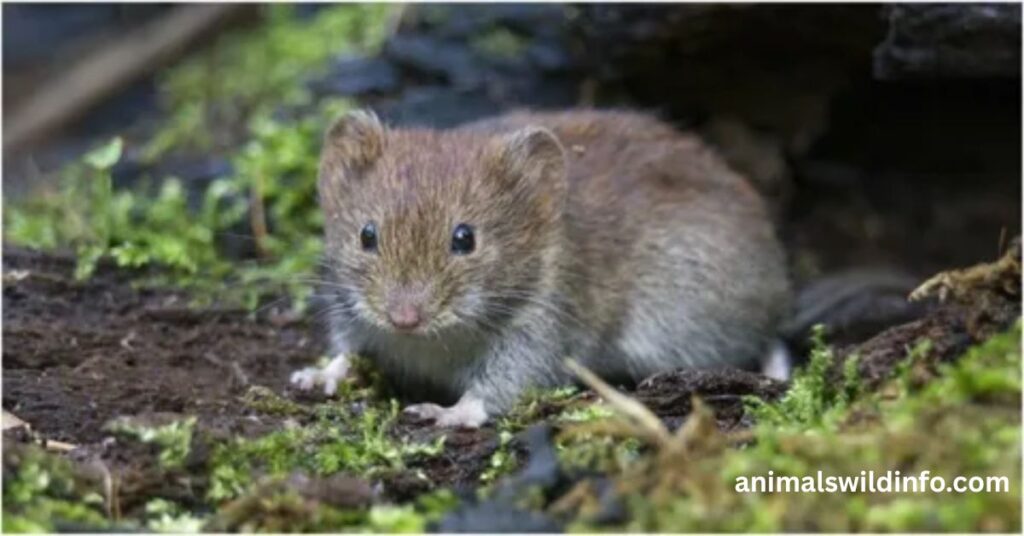
Voles often get mistaken for mice, but these stocky rodents prefer grass and roots over seeds and insects. They build shallow burrow systems just beneath the surface, creating visible trails through grassy fields. Voles reproduce incredibly fast, sometimes producing several litters a year, which makes them a steady food source for hawks and foxes. Their constant grazing keeps grass growth in check, subtly shaping the field ecosystem around them. Farmers often see vole trails as a sign of a healthy, active meadow.
Why Do Animals Live in Fields?
Open fields offer something most habitats can’t match: space, food, and cover all in one place. Tall grass hides small mammals from predators, while scattered shrubs and crop rows provide extra shelter. Food stays abundant too, since fields support insects, seeds, and plants that feed dozens of species at once. For many creatures, grasslands simply offer better odds of survival than crowded forests or busy urban areas.
Breeding also plays a big role in why animals choose agricultural fields over other habitats. Wide open space means less competition for nesting sites, and predators often struggle to track prey through dense grass. Many field-dwelling mammals also benefit from fewer human disturbances compared to cities or suburbs. Together, these factors make fields one of the most practical natural habitats for wildlife across the United States.
What Role Do Animals Play in Field Ecosystems?
Every creature in a field ecosystem pulls its own weight, whether it hunts, digs, or grazes. Burrowing animals like moles and groundhogs aerate the soil, which helps water and nutrients reach plant roots. Foragers such as squirrels and chipmunks scatter seeds as they store food, quietly supporting new plant growth. Even predators like foxes keep rodent populations from spiraling out of control, which protects crops and native vegetation alike.
Wildlife in open fields also drives the food chain from the ground up. Insects feed birds and small mammals, which in turn feed larger predators higher up the chain. This constant cycle keeps field ecosystems balanced and resilient, even through seasonal changes. Without these animals working together, fields would lose much of the biodiversity that makes them so productive.
Do Animals Live in All Types of Fields?
Not every field looks or functions the same way, and the animals living there reflect that. Farmland used for crops tends to attract seed-eaters and foragers like mice, voles, and turkeys. Meanwhile, untouched meadows with tall grass often shelter more predators, since cover for hunting stays thick year-round. Pastureland grazed by livestock supports different wildlife too, as shorter grass favors animals like groundhogs and rabbits.
Regional differences across the U.S. add even more variety to this picture. Midwest farmland often hosts deer and raccoons thriving alongside corn and soybean crops. Western grasslands, by contrast, tend to favor burrowing animals adapted to drier soil and less rainfall. Wherever you look, animals that live in grasslands find a way to adapt their habits to match the land available.
Final Thoughts
Fields might seem simple from a distance, but they support an incredible mix of wild animals in fields working together every single day. From burrowing moles to grazing deer, each species plays a part in keeping these landscapes healthy and productive. Understanding their behavior helps us appreciate just how much life exists beneath the surface of an ordinary meadow.
As farmland expands and open spaces shrink, protecting these habitats becomes more important than ever. Simple steps, like preserving hedgerows or leaving buffer strips along field edges, can make a real difference for local wildlife. The next time you pass an open field, take a moment to notice the quiet activity happening all around you.
FAQ’s
What Animals Live in a Field?
Fields host a wide mix of wildlife, including rabbits, field mice, foxes, and deer. You’ll also find raccoons, skunks, and groundhogs foraging through the grass at different times of day. Birds like wild turkeys round out the picture, making fields one of the most diverse habitats around.
What Animals Live in Grasslands?
Grasslands support grazers like deer and rabbits, along with burrowing animals such as groundhogs and voles. Predators including foxes and hawks also patrol these open spaces, hunting smaller prey. Insects thrive here too, feeding birds and small mammals throughout the food chain.
What Animals Live in the Ground?
Several species spend most of their lives underground, including moles, groundhogs, and voles. These animals dig extensive tunnels for shelter, safety, and easy access to food sources like roots and insects. Their digging habits also help aerate soil, benefiting the entire field ecosystem above them.
What Are 5 Examples of Animals That Live on Land?
Five common land-dwelling animals include deer, rabbits, foxes, squirrels, and wild turkeys. Each species has adapted differently, from grazing habits to hunting techniques, in order to survive on open land. Together, they represent the variety found in typical field habitats across the country.
Is a Field a Good Habitat for Wildlife?
Yes, fields make excellent wildlife habitats thanks to abundant food, cover, and space for breeding. Many species rely on the mix of grass, shrubs, and soil found in open fields to survive year-round. Protecting these spaces helps maintain healthy biodiversity for generations to come.