Top 10 Mammals That Cannot Jump (With Pictures & Amazing Facts)
Not every animal can leap into the air. You’d think all mammals share that skill, but that’s not true at all. Some of the biggest, strangest, and most lovable creatures on Earth simply can’t jump. These mammals that cannot jump rely on other tricks to survive, move, and stay safe.
In this guide, you’ll meet ten fascinating animals that cannot jump and learn exactly why. You’ll discover the science behind their inability to jump, and you’ll see how they still thrive without this common skill. Grab a coffee, because this one’s packed with facts you probably never knew.
What Are Mammals That Cannot Jump?
So, what exactly makes an animal a member of the non-jumping mammals club? It comes down to body structure. These creatures have a skeletal structure, bone structure, or leg structure that simply won’t allow their bodies to leave the ground in a burst. Their muscle structure wasn’t built for spring-loaded action. Instead, evolution handed them other gifts, like raw strength or a knack for swimming.
It helps to separate true mammals unable to jump from animals that just don’t jump very often. A dog could jump if it wanted to, but a hippo physically can’t, no matter how hard it tries. That’s the real difference here. Mammal locomotion varies wildly across species, and animal anatomy plays the starring role in deciding who can hop and who stays firmly planted. Once you understand this, the rest of the article will make a lot more sense.
Why Can’t Some Mammals Jump?
Jumping actually takes a lot of engineering. An animal needs explosive power, springy tendons, and a lightweight frame to pull it off. Big animals struggle here because heavy body mass works against fast, forceful movement. Think about it this way: it’s much easier to fling a tennis ball across a room than a bowling ball. The same basic physics applies to massive body size in the animal kingdom.
On top of size, physical limitations come from joint design and bone density. Elephants and rhinos have dense, weight-bearing bones built for strength and stability, not for springing off the ground. Other animals, like sloths, simply never evolved the need to jump because their survival adaptations point in a completely different direction. Over time, evolutionary adaptations shaped each species around what actually helps them survive, and for many, that means skipping the jump altogether.
See Also: Top 20 Animals With Spots (With Pictures & Amazing Facts)
List of Mammals That Cannot Jump
Below, you’ll find ten remarkable jumping mammals… except none of them can actually jump. Ironic, right? Each one uses a completely different strategy to get around, defend itself, and find food. Here’s a quick comparison before we dive into each animal.
| Animal | Scientific Name | Habitat | Avg. Weight | Primary Movement |
| Elephant | Elephantidae | Savanna, forest | 2,700–6,000 kg | Walking |
| Hippopotamus | Hippopotamus amphibius | Rivers, wetlands | 1,300–1,500 kg | Walking, swimming |
| Sloth | Bradypus / Choloepus | Rainforest canopy | 3.6–7.7 kg | Climbing, hanging |
| Rhinoceros | Rhinocerotidae | Grasslands, savanna | 900–2,300 kg | Walking, running |
| Porcupine | Erethizon dorsatum | Forests | 5–14 kg | Climbing, walking |
| Opossum | Didelphis virginiana | Woodlands, urban areas | 1.8–5.4 kg | Climbing, crawling |
| Manatee | Trichechus | Coastal waters, rivers | 400–590 kg | Swimming |
| Giraffe | Giraffa camelopardalis | Savanna | 800–1,930 kg | Pacing gait, running |
| Whale | Cetacea | Ocean | Varies by species | Swimming |
| Armadillo | Dasypodidae | Grasslands, forests | 1–45 kg (varies) | Digging, walking |
Elephants
Scientific Name: Elephantidae Class: Mammalia Diet: Herbivore
The elephant stands as the ultimate example of an elephant cannot jump situation. Its massive body and heavy weight make jumping physically impossible. Its skeletal structure is built like a set of stilts under a house. The bones support body support and stability, not spring-loaded action. Their strong legs work like pillars, spreading weight evenly with every step they take.
Even so, elephants aren’t clumsy. They walk for miles with impressive endurance, crossing dry plains and thick forests without breaking a sweat. Their leg structure allows for incredible strength, letting them push over trees and haul heavy loads. So while an elephant will never bound over a log, it doesn’t need to. Its raw power gets the job done a different way.
Read More: 15 Fascinating Animals That Eat Coconuts You Should Know (With Pictures)
Hippopotamuses
Scientific Name: Hippopotamus amphibius Class: Mammalia Diet: Herbivore
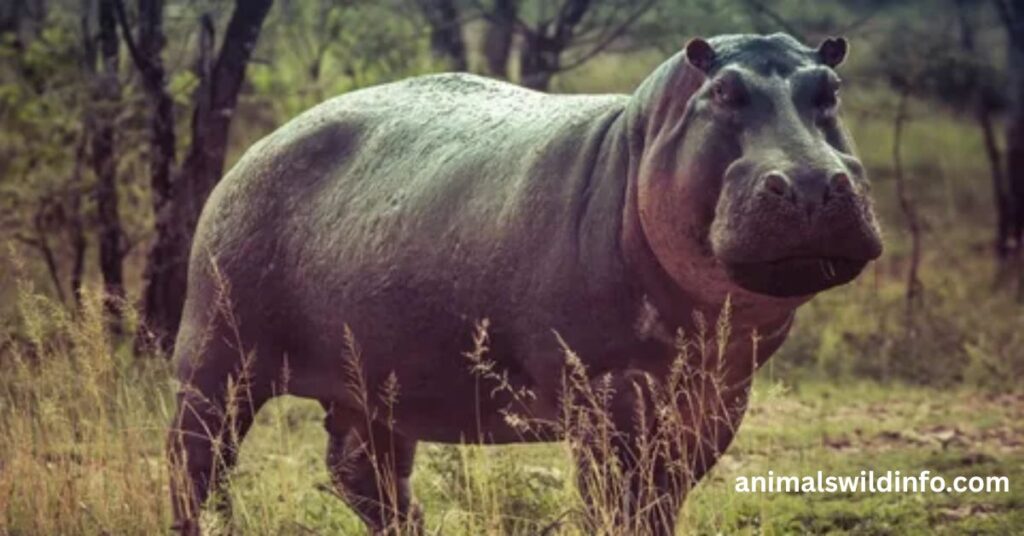
Here’s a fun one: the hippo cannot jump, yet it can outrun a human on land. The hippopotamus belongs to the family Hippopotamidae, and its barrel-shaped body wasn’t designed with hopping in mind. Its short legs and body weight anchor it firmly to the ground. As a semi-aquatic mammal, the hippo splits its life between an aquatic environment and a terrestrial environment, and neither one calls for jumping.
Underneath that thick skin lies a body built for buoyancy in water and raw stability on land. Hippos spend much of the day submerged, using water to keep cool and stay hidden from the sun. When night falls, they lumber onto land to graze, relying on brute strength rather than agility. It’s a strange but brilliant system that’s worked for millions of years.
Sloths
Scientific Name: Bradypus (three-toed) and Choloepus (two-toed) Class: Mammalia Diet: Herbivore
If any animal embodies slow movement, it’s the sloth. Both the two-toed sloth and three-toed sloth live life in the slow lane, and sloths cannot jump because their whole body runs on a slow metabolism. Their long limbs and curved claws are perfect for gripping tree branches, but they offer zero benefit for leaping.
Sloths spend nearly their whole lives hanging upside down in the rainforest canopy. Their skill isn’t speed, it’s camouflage. Algae often grows on their fur, helping them blend into the leaves above. This slow, quiet lifestyle supports serious energy conservation, since their leafy diet doesn’t provide much fuel. Climbing gets them everywhere they need to go, so jumping never made the cut.
Rhinoceroses
Scientific Name: Rhinocerotidae Class: Mammalia Diet: Herbivore
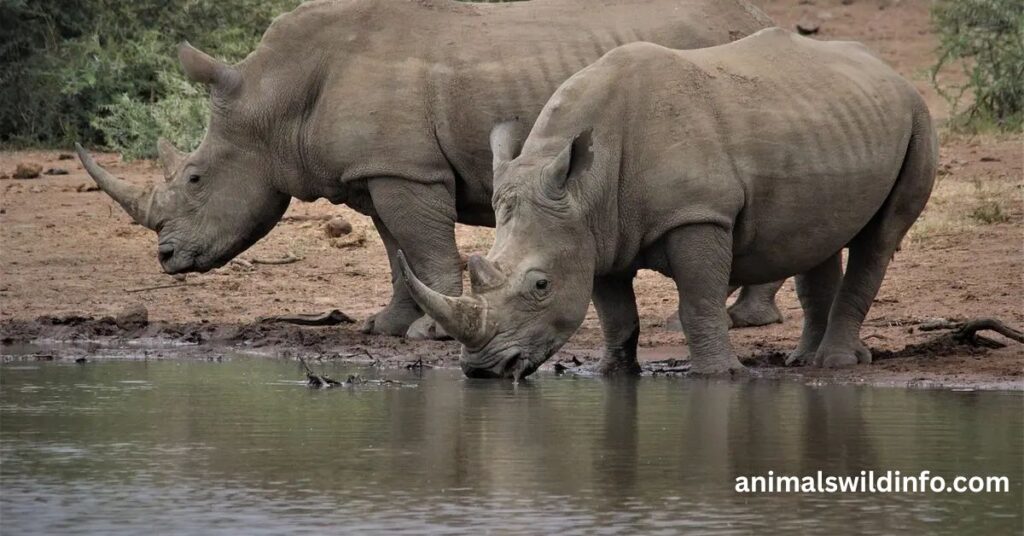
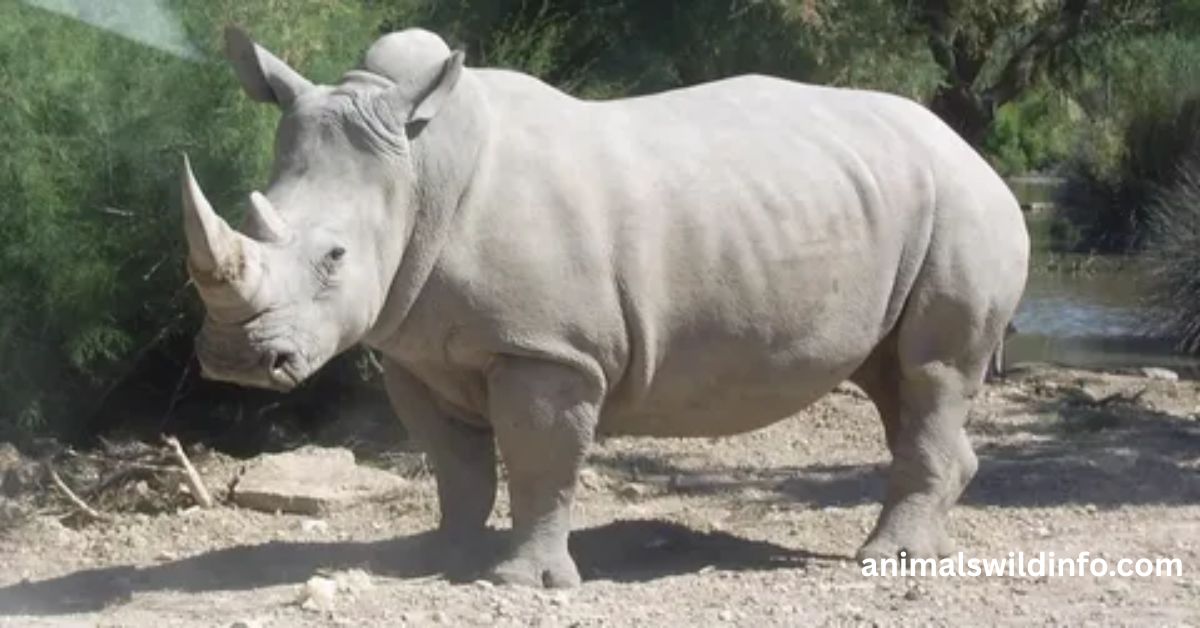
Picture a tank made of muscle, and you’ve basically got a rhino. The rhinoceros carries a massive body wrapped in thick skin, and its sturdy legs were built for one job: holding up all that weight. A rhino cannot jump for the same reason a filing cabinet can’t do a backflip. There’s just too much mass and not enough spring.
Still, don’t underestimate this animal. Rhinos combine impressive running speed with raw strength, charging at surprising velocity when threatened. Their strong legs offer endurance across long stretches of savanna, letting them travel far in search of food and water. Stability matters more than agility here, and rhinos have mastered that trade-off beautifully.
Porcupines
Scientific Name: Erethizon dorsatum Class: Mammalia Diet: Herbivore
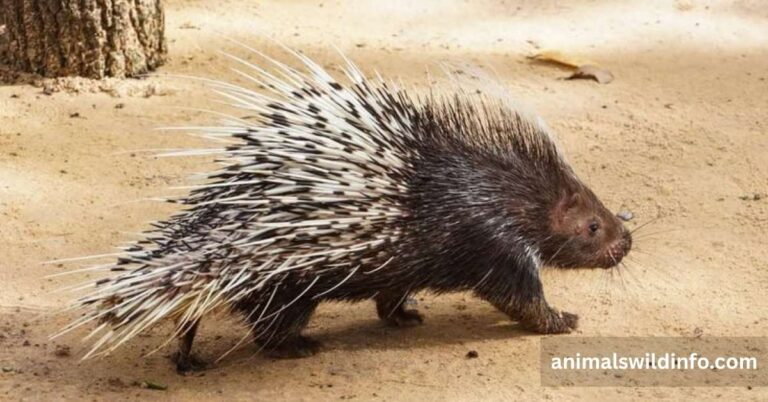
The porcupine looks a little clumsy at first glance, but don’t let that fool you. This member of the Erethizontidae family gets around just fine without jumping. Its short legs aren’t made for leaping, but its strong claws and flexible limbs make it a surprisingly skilled climber. As a nocturnal mammal, it does most of its tree climbing after dark, searching for bark and leaves to eat.
When danger shows up, the porcupine doesn’t run or jump away. It turns around and shows off its sharp quills, one of nature’s best examples of a defense mechanism. This is predator defense at its finest, no agility required. A porcupine would rather stand its ground than flee, and honestly, with quills like that, who could blame it?
Read More: Top 13 Animals That Eat Oranges (With Pictures & Fun Facts)
Opossums
Scientific Name: Didelphis virginiana Class: Mammalia Diet: Omnivore
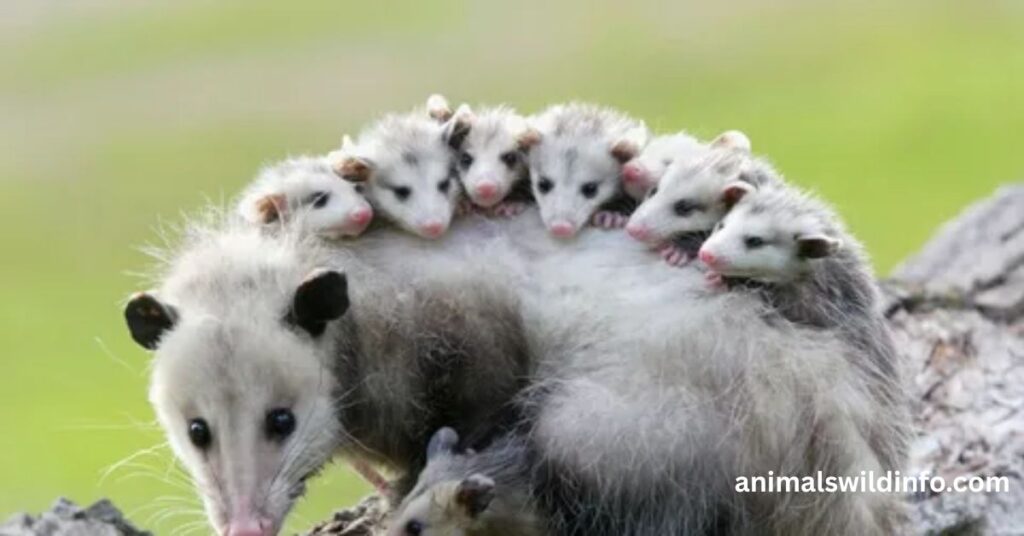
North America’s only marsupial, the opossum, has quite the reputation. It’s a nocturnal scavenger that spends its nights rummaging through yards, forests, and even city alleys. Its skeletal structure and muscular structure simply aren’t wired for jumping, but climbing comes naturally. You’ll often spot one scaling a fence or tree with surprising ease.
What makes the opossum famous, though, is its bizarre defense trick. When cornered, it doesn’t fight or flee. It collapses into a fake-death state known as tonic immobility, commonly called playing dead. This unusual defense mechanism confuses predators long enough for the opossum to survive. It’s a masterclass in predator avoidance that has nothing to do with speed or jumping.
Manatees
Scientific Name: Trichechus Class: Mammalia Diet: Herbivore
Say hello to the gentle manatee, often nicknamed the “sea cow.” This aquatic mammal from the family Trichechidae glides through freshwater habitat and saltwater habitat alike, using paddle-like flippers instead of legs. There’s no jumping happening here, since manatees don’t even have limbs built for land movement. Their whole world revolves around swimming.
Manatees spend their days in shallow water, munching on seagrass and other aquatic vegetation. Their round bodies rely on natural buoyancy, letting them float and drift with minimal effort. This slow movement style suits their peaceful lifestyle perfectly. They’ve got nowhere to rush off to, and honestly, that sounds pretty nice.
Giraffes
Scientific Name: Giraffa camelopardalis Class: Mammalia Diet: Herbivore
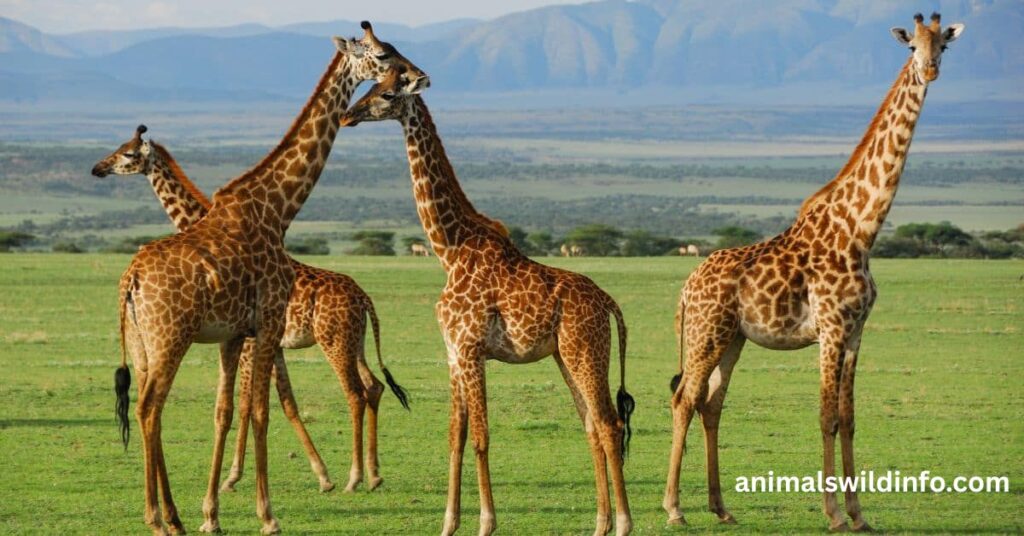
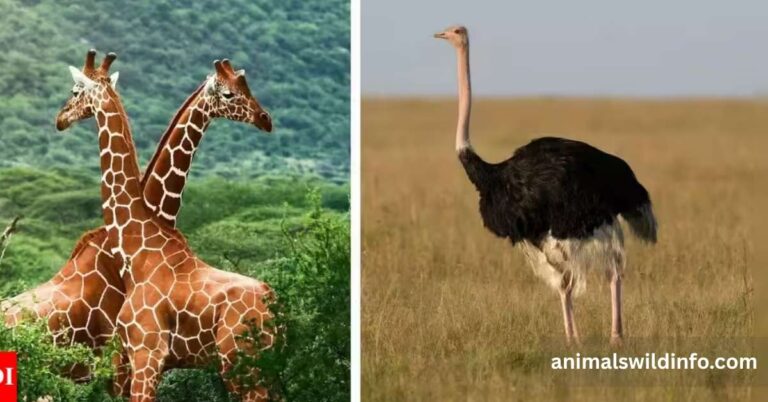
You might assume a giraffe could clear a hurdle with ease, given those long legs. But this tall mammal actually can’t jump at all. Its towering height creates a balance problem. If a giraffe left the ground, landing safely would be nearly impossible with legs that long and thin.
Instead, giraffes rely on a distinctive pacing gait, moving both legs on one side together before switching sides. When they need speed, they shift into a bounding motion that looks like a gallop but isn’t a true jump. Living across the open savanna, giraffes use balance and powerful legs to outrun most predators. They just never lift all four feet off the ground at once.
Whales
Scientific Name: Cetacea Class: Mammalia Diet: Varies (carnivore, filter feeder)
Whales might seem like an odd pick for this list, but hear us out. A whale is a fully marine mammal, and without legs, jumping in the traditional sense just isn’t possible. Its streamlined body exists purely for swimming through the ocean, cutting through water with minimal drag.
You’ve probably seen videos of whales launching out of the water, a behavior called breaching. It looks like a jump, but it’s actually a burst of water movement powered by tail thrusts, not legs pushing off solid ground. This is an incredible aquatic adaptation, built entirely for life in the marine environment. So while breaching looks flashy, it’s technically not jumping at all.
Read More: 7 Interesting Facts About Porcupines in Georgia You Should Know
Armadillos
Scientific Name: Dasypodidae Class: Mammalia Diet: Omnivore
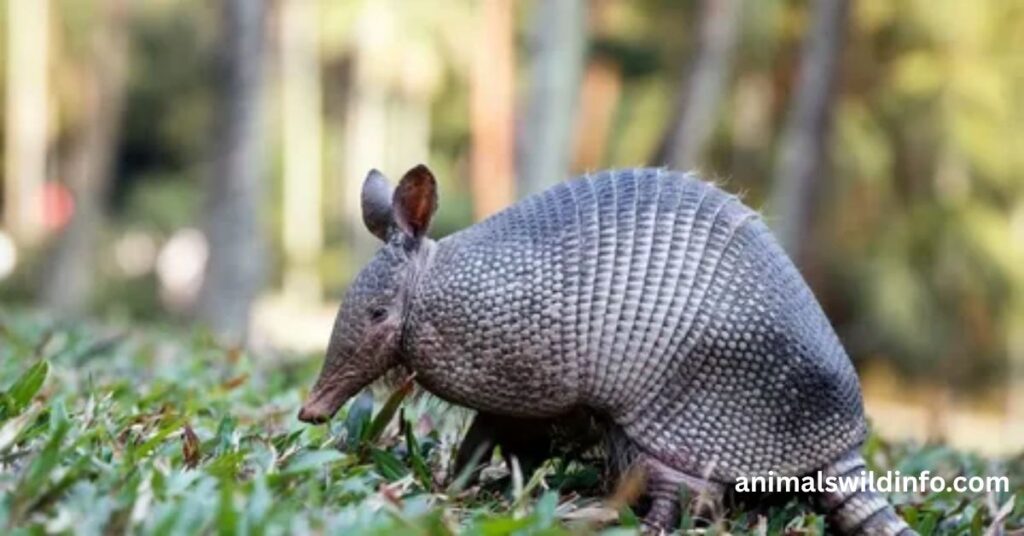
Last but not least, meet the armadillo, a small ground-dwelling mammal covered in bony armor. Its clawed limbs are built for digging and burrowing, not leaping. With its strong claws, an armadillo can tunnel into the earth in seconds, disappearing from view when trouble arrives.
Its diet includes insects, plants, and occasional small vertebrates, all found by digging through soil and leaf litter. When a predator gets too close, the armadillo doesn’t jump away. It either dives into a burrow for shelter or curls into a tight ball for predator escape. Either way, jumping never enters the equation.
How Do Non-Jumping Mammals Move and Defend Themselves?
Since these animals can’t rely on jumping ability, they’ve developed some seriously clever alternative movement strategies instead. Elephants and rhinos lean on sheer strength and stability. Sloths and porcupines use climbing abilities to stay safe above ground. Manatees and whales depend entirely on swimming abilities, while armadillos turn to digging behavior whenever danger appears. Even simple walking and running carries these animals farther than most people realize.
Defense works the same way. Instead of leaping to safety, these species use animal defense mechanisms built around their strengths. Porcupines have quills, opossums play dead, armadillos curl into balls, and rhinos simply charge. These habitat adaptations and environmental adaptations show just how creative evolution can get. Inability to leap never held these animals back, because nature always finds a workaround.
Final Thoughts
From the plains of Africa to the depths of the ocean, these terrestrial mammals, aquatic mammals, and semi-aquatic mammals prove that jumping isn’t a requirement for survival. Every animal on this list found its own path forward, shaped by mammalian anatomy, habitat, and millions of years of trial and error.
Next time you watch a nature documentary, look a little closer. You might notice just how many creatures skip the jump entirely, and thrive anyway. It’s a small reminder that there’s more than one way to get through life, even in the animal kingdom.
FAQ’s
What other mammals are unable to jump?
Beyond the ten animals covered here, other mammals unable to jump include capybaras, walruses, and certain large bear species. Their weight and body structure limit their ability to leave the ground the same way it does for elephants and rhinos.
What mammal in the world can’t jump?
The elephant is the most well-known mammal that can’t jump. Its massive body size and rigid, weight-bearing leg structure make jumping physically impossible, no matter the situation.
What animals are unable to jump?
Several animals that can’t jump include hippos, sloths, manatees, and whales. Each one has physical adaptations that trade jumping ability for other survival skills, like swimming or climbing.
What is the only mammal who can’t jump?
There isn’t just one. Many mammals share this inability to jump, including elephants, hippos, rhinos, and sloths. Each species developed its own locomotion adaptations suited to its environment and lifestyle.