15 Fascinating Animals That Eat Coconuts You Should Know (With Pictures)
Coconuts look tough. The shell is hard. The husk is thick. Yet across the world, dozens of creatures crack them open every single day. Some use brute force. Others use tools. A few even use patience and a sharp ear.
This guide walks you through the most surprising wild animals that eat coconuts, why they bother with such a tough snack, and how they manage to break through that stubborn shell. Whether you’re curious about island wildlife or just love learning odd animal facts, you’ll find plenty here.
Which Animals Eat Coconuts?
You’d be surprised how many creatures count coconuts as a regular part of their diet. From mammals that eat coconuts like elephants and monkeys, to birds that eat coconuts such as the palm cockatoo, this fruit attracts a strange and wonderful mix of species. Even insects that eat coconuts, like the rhinoceros beetle, play a role in this tropical food web. It’s not just about taste, either. Coconuts pack water, fat, and fiber into one tough little package, and that makes them worth the effort.
This isn’t limited to jungle giants. Rodents that eat coconuts, including squirrels and rats, show up on this list too, proving you don’t need size or strength to enjoy a good coconut meal. Some animals crack the shell open with raw power. Others wait for it to fall and split on its own. Either way, the coconut palm feeds far more than just people.
List of Animals That Eat Coconuts
Here’s where things get interesting. The list below covers 15 coconut-loving animals, ranging from primates to insects to crustaceans. Each one has a different reason for eating coconuts and a different method for getting inside.
You’ll notice a pattern as you read through. Strength, tools, and patience all show up again and again. Some species crack coconuts using raw muscle. Others rely on sharp teeth, powerful beaks, or clever tricks passed down through generations. Let’s look at each one.
Read More: Top 25 Animals With the Lowest IQ (With Pictures)
Monkeys
Scientific Name: Simiiformes Catarrhini
Class: Mammalia
Diet: Omnivore
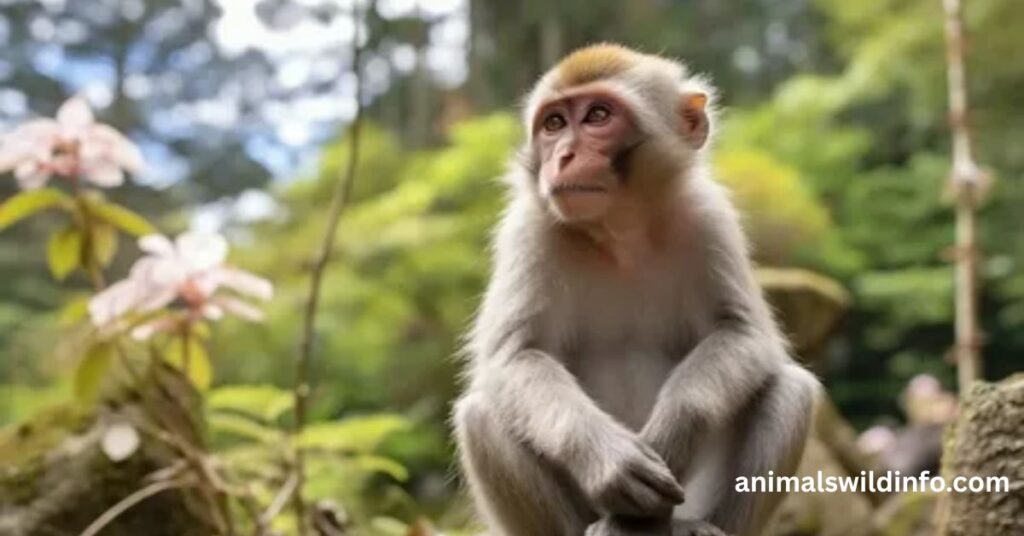
Monkeys are some of the cleverest coconut feeders around. They use dexterous hands to twist, pry, and even smash coconuts against rocks until the shell gives way. Many troops pass this skill down to younger members, which shows real learning, not just instinct. Once inside, they eat the coconut flesh and drink the coconut water, gaining a solid energy boost. Their feeding habits also help with seed dispersal, since dropped husks and shells often end up far from the original tree.
Gorillas
Scientific Name: Gorilla gorilla
Class: Mammalia
Diet: Herbivore
Gorillas mostly stick to leaves and stems, but coconuts sneak into their diet now and then. When they find one, they’ll use sticks as basic tools to break the shell, showing a surprising level of animal intelligence. The payoff is worth it: coconut fat gives them quick energy during long foraging days. This kind of flexible feeding behavior helps gorillas survive in forests where food supply shifts with the seasons.
Pigs
Scientific Name: Sus scrofa domesticus
Class: Mammalia
Diet: Omnivore
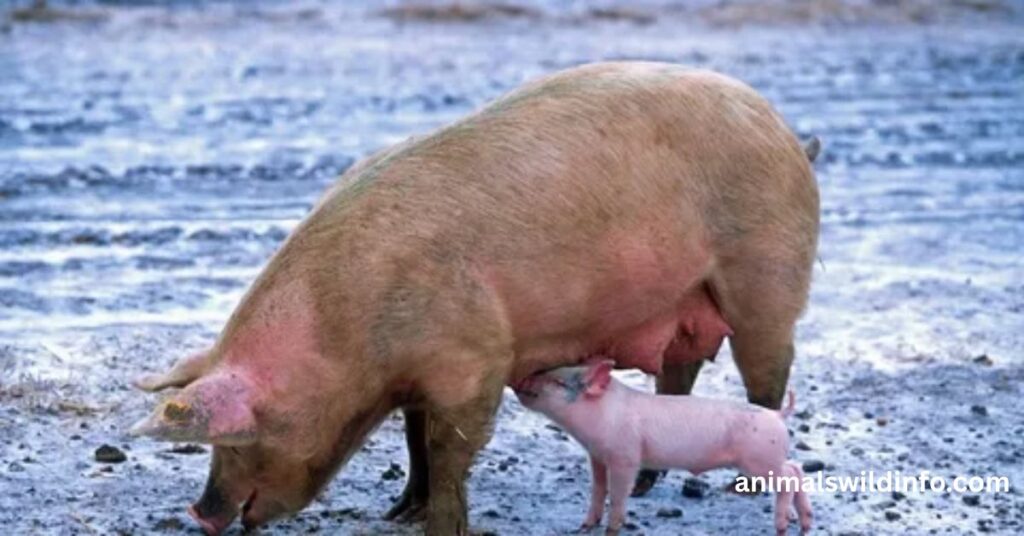
Domestic pigs have strong snouts built for digging and rooting, and that same strength works well on coconuts. They’ll push, roll, and ram a coconut until it cracks open. Farmers in tropical regions often notice pigs sniffing out fallen coconuts before anything else. Once cracked, pigs happily eat the coconut meat, since the fat content gives them a fast, reliable food source.
Wild Boars
Scientific Name: Sus scrofa
Class: Mammalia
Diet: Omnivore
Wild boars are the untamed cousins of domestic pigs, and they take coconut cracking a step further. Their tusks add extra force, letting them puncture husks that would stop a smaller animal cold. Boars roam through tropical forests at night, sniffing out fallen fruit with sharp instinct. This tough, opportunistic feeding style is a classic survival strategy for an animal that eats almost anything it finds.
Elephants
Scientific Name: Loxodonta africana
Class: Mammalia
Diet: Herbivore
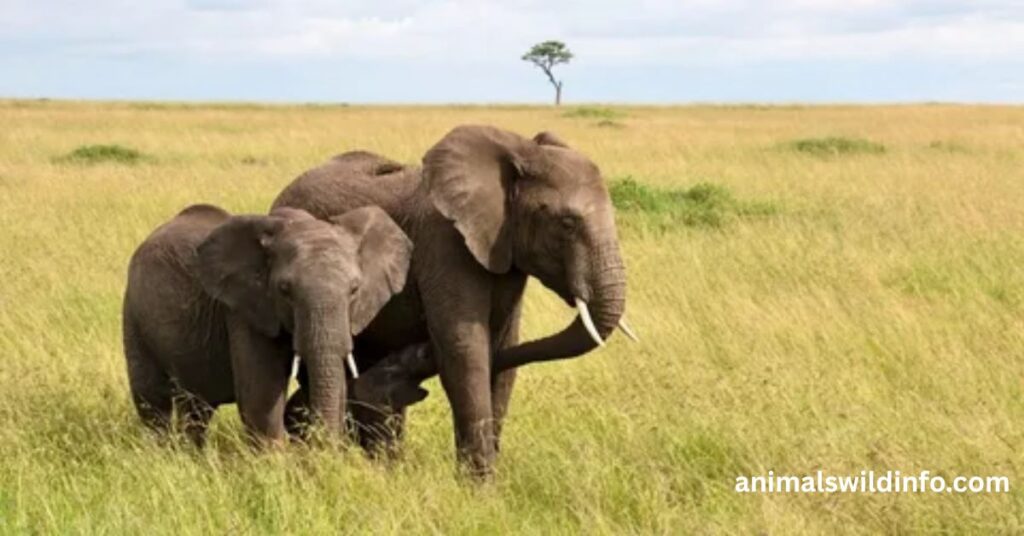
Elephants bring size and strength to the coconut game. In places like Sri Lanka, they’ll grip a coconut palm with their trunk and shake it hard enough to knock fruit loose. Once a coconut hits the ground, a simple stomp does the rest. Elephants often share this food in family groups, which strengthens social bonds and teaches younger elephants valuable foraging skills.
Sun Bears
Scientific Name: Helarctos malayanus
Class: Mammalia
Diet: Omnivore
Sun bears are small, but their powerful claws make quick work of a coconut husk. Native to Southeast Asia’s rainforests, these bears use both smell and touch to track down fallen fruit. Once they find one, they peel back the husk layer by layer, almost like unwrapping a gift. This patient, methodical approach reflects a smart adaptation to a habitat where food isn’t always easy to find.
Read More: Top 14 Animals That Eat Cactus (With Pictures & Interesting Facts)
Squirrels
Scientific Name: Sciuridae
Class: Mammalia
Diet: Herbivore
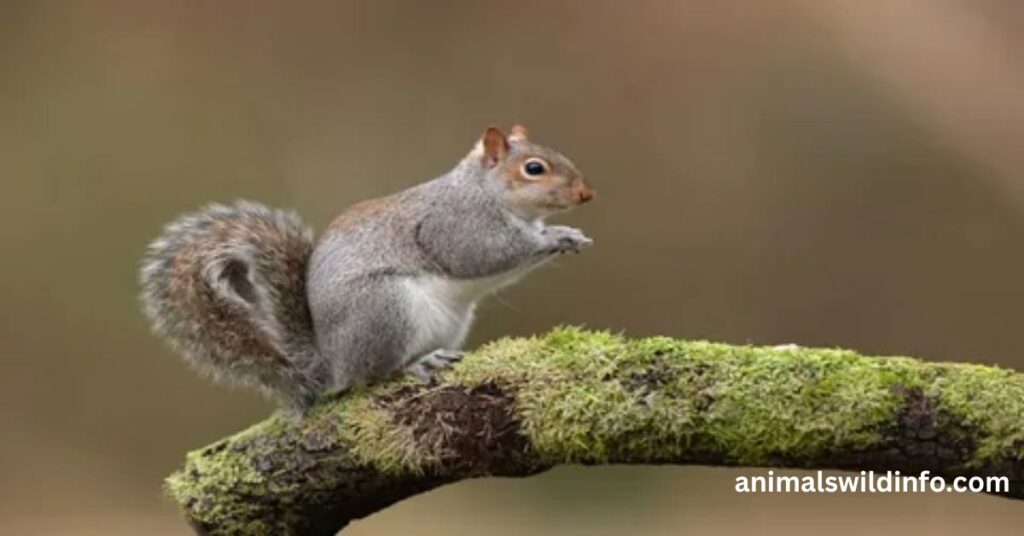
Squirrels might seem too small for a job this tough, but their sharp incisors handle coconuts surprisingly well. In tropical zones, squirrels gnaw steady holes through the shell to reach the water and flesh inside. Even in the USA, squirrels show similar gnawing habits on nuts and seeds, proving this behavior isn’t unique to the tropics. It’s a great example of how a small rainforest animal can adapt its feeding habits to whatever’s available.
Rats
Scientific Name: Rattus
Class: Mammalia
Diet: Omnivore
Rats are famous for eating almost anything, and coconuts are no exception. Their sharp teeth cut through husks steadily, given enough time and motivation. In coconut farms, rats are often considered pests because of how much fruit they damage. Still, their resourcefulness says a lot about their survival strategy in fields, homes, and forests alike.
Fruit Bats
Scientific Name: Pteropodidae
Class: Mammalia
Diet: Frugivore
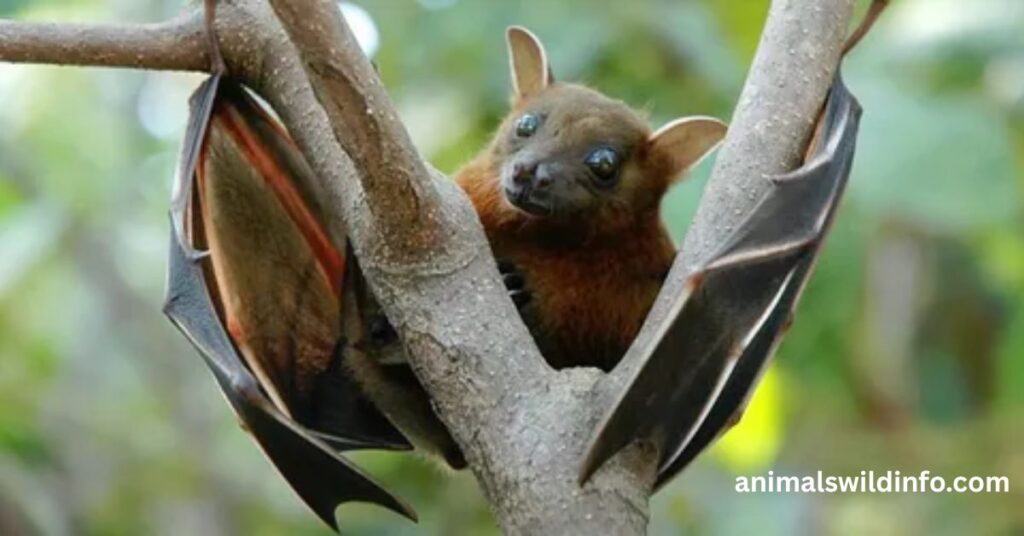
Fruit bats are true frugivorous animals, meaning fruit makes up most of their diet. At night, they fly from tree to tree, seeking out ripe coconuts and other tropical fruits. Their strong jaws let them tear into softer, already-cracked shells with ease. Beyond feeding themselves, fruit bats help pollinate coconut palms and spread seeds across wide distances, making them key players in tropical ecosystems.
Common Myna
Scientific Name: Acridotheres tristis
Class: Aves
Diet: Omnivore
The common myna is a clever bird with a knack for finding easy meals. Around coconut palms, mynas often wait near fallen fruit or peck at cracks left by larger animals. Some have even been seen using small stones to widen a crack, a rare example of tool use among birds. This opportunistic feeding style makes the myna one of the more adaptable birds that eat coconuts.
Palm Cockatoo
Scientific Name: Probosciger aterrimus
Class: Aves
Diet: Omnivore
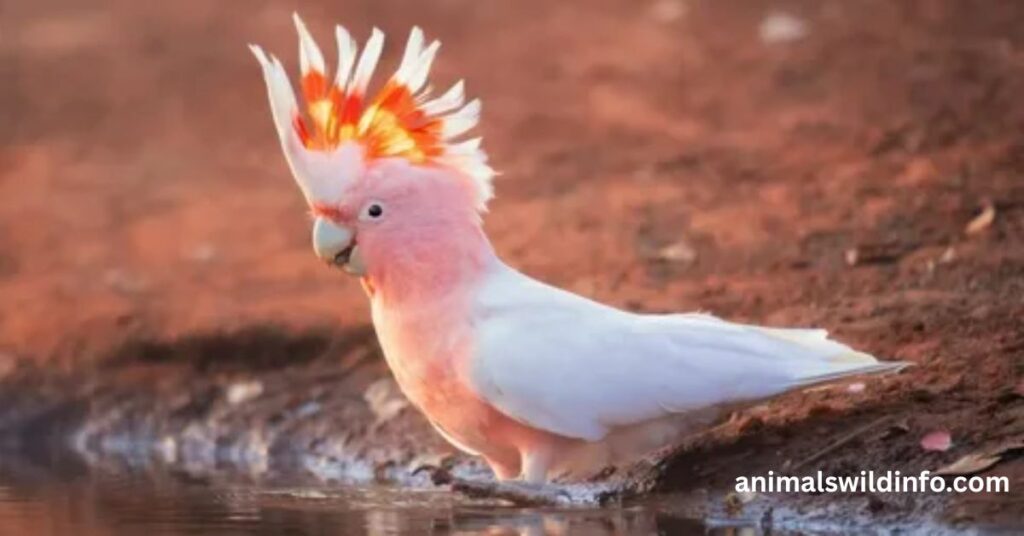
The palm cockatoo owns one of the strongest beaks in the bird world, and it puts that strength to good use on coconuts. Native to New Guinea’s rainforests, this bird sometimes uses a stick to help pry open a stubborn shell. Its strong beak alone can crush lighter husks without any tool at all. Palm cockatoos often forage in pairs, calling to each other as they search for ripe fruit.
Aye-Aye
Scientific Name: Daubentonia madagascariensis
Class: Mammalia
Diet: Omnivore
The aye-aye is one of the strangest primates on Earth, and its coconut habits match that reputation. It taps on the shell with an unusually long middle finger, listening for hollow sounds that reveal liquid inside. Once it finds the right spot, sharp incisors do the rest of the work. This method, called percussive foraging, shows just how creative wildlife food habits can get in Madagascar’s unique natural habitat.
Rhinoceros Beetles
Scientific Name: Dynastinae
Class: Insecta
Diet: Herbivore
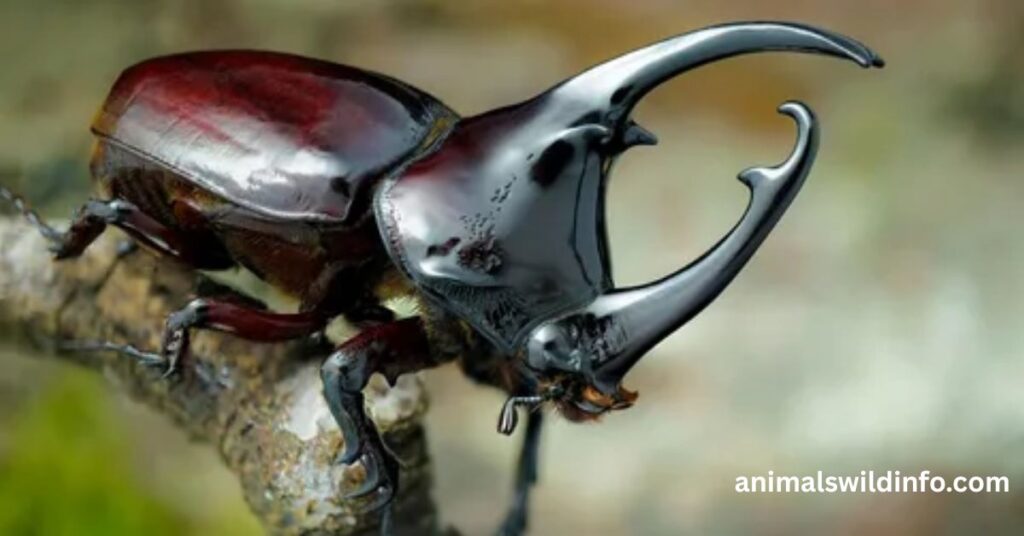
Rhinoceros beetles may be small, but they’re serious coconut-eating animals at the larval stage. Young beetles feed on decaying coconut husks, breaking down tough plant fiber into simpler nutrients. This process supports soil health and speeds up plant propagation nearby. Adult beetles keep the habit going, using strong mandibles to chew through fibrous coconut material whenever they find it.
Read More: 20 Incredible Animals With Small Ears Found Around the World
Coconut Crabs
Scientific Name: Birgus latro
Class: Malacostraca
Diet: Omnivore
Coconut crabs are the giants of the crab world, and coconuts practically share their name for good reason. These crabs climb coconut trees using powerful legs, then use their strong pincers to crack shells that would stump most land animals. Their diet leans heavily on coconut flesh, though they’ll eat other fruit when available. As one of the most iconic coconut-loving animals, they play a major role in island wildlife ecology.
Humans
Scientific Name: Homo sapiens
Class: Mammalia
Diet: Omnivore
Humans have turned coconuts into a global industry, not just a snack. We drink the water, cook with the oil, and use the meat in everything from curries to desserts. Coconut oil, in particular, has gained attention for its medium-chain triglycerides, which some studies link to quick energy release. Beyond nutrition, coconuts hold cultural weight in many tropical societies, showing up in ceremonies, traditions, and everyday cooking alike.
How Do Animals Open Coconuts?
Cracking a coconut takes more than curiosity. Some animals rely on raw strength, like elephants stomping or wild boars ramming with their tusks. Others use tool use in animals, a rare and fascinating trait seen in gorillas, palm cockatoos, and common mynas. Smart foraging behavior like this shows just how much problem-solving exists outside the human world.
Then there’s the slow-and-steady crowd. Rats, squirrels, and rhinoceros beetles chew through shells bit by bit, relying on patience instead of force. Below is a quick comparison of how different animals get the job done.
| Animal | Method Used | Tool-Assisted | Approx. Time to Crack |
| Coconut Crab | Pincer crushing | No | Minutes |
| Elephant | Stomping/trunk force | No | Seconds |
| Palm Cockatoo | Beak crushing/prying | Sometimes | Minutes |
| Gorilla | Prying with stick | Yes | Several minutes |
| Rat | Gnawing | No | Hours |
| Squirrel | Gnawing | No | Hours |
| Rhinoceros Beetle | Chewing decayed husk | No | Days (larval stage) |
Why Do Animals Eat Coconuts?
The biggest draw is simple: coconuts pack a serious nutritional value. The fat inside gives animals a fast, reliable energy source, especially useful when other food runs low. Coconut water also offers hydration in hot, humid climates, which matters a lot for tropical animals living far from fresh streams or ponds.
There’s an ecological angle too. As animals eat coconuts and scatter the leftover husks, they support seed dispersal and help new coconut palms grow. This creates a small but steady contribution to ecological balance across coastal and island regions. In short, coconuts aren’t just food. They’re part of a bigger cycle that keeps tropical biodiversity running.
Which Animals Can Crack Hard Coconut Shells?
Not every animal can break into a fresh, unopened coconut. Coconut crabs, elephants, sun bears, and wild boars top the list, thanks to their sheer strength or powerful jaws. These species don’t need to wait for a coconut to fall and crack on its own. They can force their way in in the first place.
Smaller animals usually take a different route. Rats, common mynas, and fruit bats often rely on coconuts that have already split open from a fall or from another animal’s effort. This split in strategy shows how varied wildlife adaptations can be, even among animals chasing the exact same fruit.
Are Coconuts Safe for Wild Animals?
In most cases, yes. Coconuts offer a safe, nutrient-rich fruit for many species, and wild animals have eaten them for generations without issue. That said, moderation still matters. Too much coconut fat can cause digestive trouble in smaller animals, especially rodents and birds that aren’t built for large amounts of it.
If you’re feeding backyard wildlife in the USA, like squirrels, stick to small portions and avoid processed or salted coconut products. Wildlife rehabbers and zoos usually offer coconut as an occasional treat, not a daily meal. This keeps the fruit safe while still giving animals a taste of something different.
Final Thoughts
From tiny beetles to massive elephants, coconuts bring together an unlikely mix of species. Each animal on this list has found its own way to crack, chew, or peel through a shell that seems built to keep everyone out. That variety says a lot about how creative nature can be when a good meal is on the line.
Protecting coconut palms and the habitats around them matters more than most people realize. These trees support entire food chains, from rainforest ecosystem insects all the way up to elephants and humans. The next time you see a coconut, remember it’s not just a tropical treat. It’s a small but vital piece of wildlife conservation across the world’s tropical regions.
FAQs
Does any animal eat coconuts?
Yes. Many animals eat coconuts, including elephants, monkeys, coconut crabs, and even smaller species like rats and squirrels.
What animals eat coco?
Coconut-eating animals include primates like monkeys and gorillas, birds like the palm cockatoo, and crustaceans like the coconut crab.
Can elephants eat coconut?
Yes. Elephants often shake coconut palms to knock fruit loose, then crush the shells with their feet to reach the water and flesh inside.
Do pigs eat coconuts?
Yes. Pigs use their strong snouts to break open coconuts and eat the fatty, nutrient-dense meat inside.