17 Incredible Animals With Scales You Should Know (With Pictures)
Nature loves a good suit of armor. From the desert floor to the deep ocean, scaled animals have been wearing tough, flexible coats for millions of years. These coverings do more than look impressive. They help creatures survive heat, cold, predators, and even drought.
In this guide, you’ll meet 17 fascinating animals with scales. You’ll learn what their scales are made of, why they evolved, and how each species uses its natural armor to survive. Whether you’re a curious student or just love wildlife with scales, this list has something for you.
What Are Animals With Scales?
Scaled animals are creatures covered in small, hard plates that overlap like roof tiles. These body scales protect skin from injury, sunlight, and moisture loss. You’ll find them on reptiles with scales, fish with scales, a few mammals with scales, and even some insects with scales.
Not all scales are built the same way, though. Some are made of keratin scales, the same protein found in your fingernails. Others come from bone, like osteoderms, or from tiny tooth-like structures called dermal denticles. This variety shows just how creative evolution can be when it comes to animal body covering.
List of Animals With Scales
Here’s a quick look at the 17 scale-covered animals you’ll learn about below. Each one shows a different way that scale adaptation helps a species survive.
| Number | Animal With Scales |
| 1 | Pangolin |
| 2 | Eastern Diamondback Rattlesnake |
| 3 | Armadillo |
| 4 | Texas Horned Lizard |
| 5 | Caecilian |
| 6 | Goldfish |
| 7 | Monitor Lizard |
| 8 | Tuatara |
| 9 | Gila Monster |
| 10 | American Alligator |
| 11 | Gecko |
| 12 | Crocodile |
| 13 | Great White Shark |
| 14 | Atlas Moth |
| 15 | Green Iguana |
| 16 | Common Carp |
| 17 | Turtle |
Pangolin
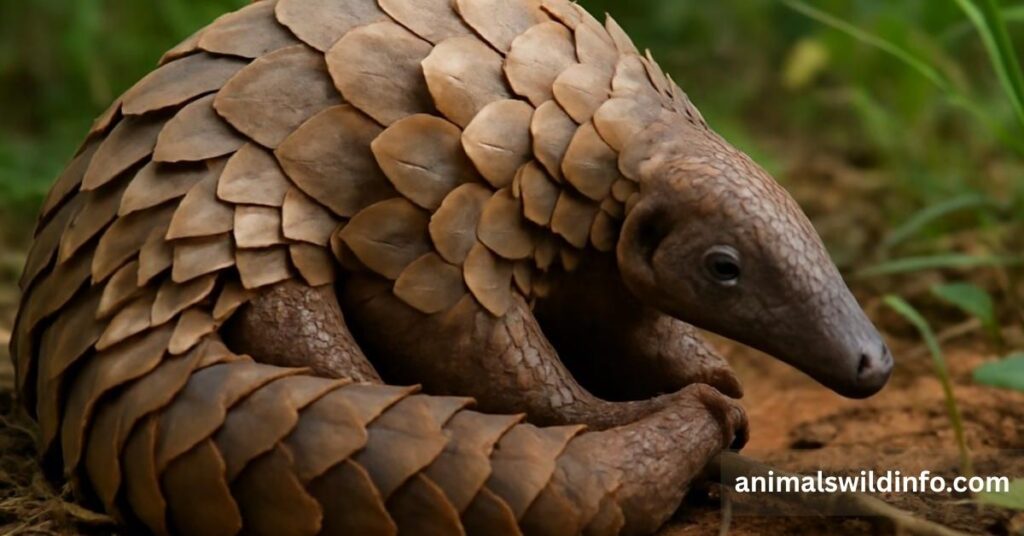
The Pangolin is the only mammal on Earth fully covered in keratin scales. Picture an anteater wrapped in armor plating, and you’ve got the idea. When a predator gets too close, this shy creature curls into a tight ball, turning its soft belly into a fortress. Sadly, pangolins are now one of the most trafficked animals in the world, hunted for their scales despite having no proven medicinal value. Conservation groups are racing to protect what’s left of their habitat before it’s too late.
Eastern Diamondback Rattlesnake
Few venomous reptiles command as much respect as the Eastern Diamondback Rattlesnake. Its diamond-patterned scales aren’t just for show. They blend perfectly into fallen leaves, giving this snake near-invisible camouflage while it waits for prey. As an apex predator in southeastern forests, it keeps rodent populations in check. Its rattle, made of hardened keratin segments, warns intruders long before it strikes.
Read More: Top 18 Striped Animals in the World (With Pictures & Amazing Facts)
Armadillo
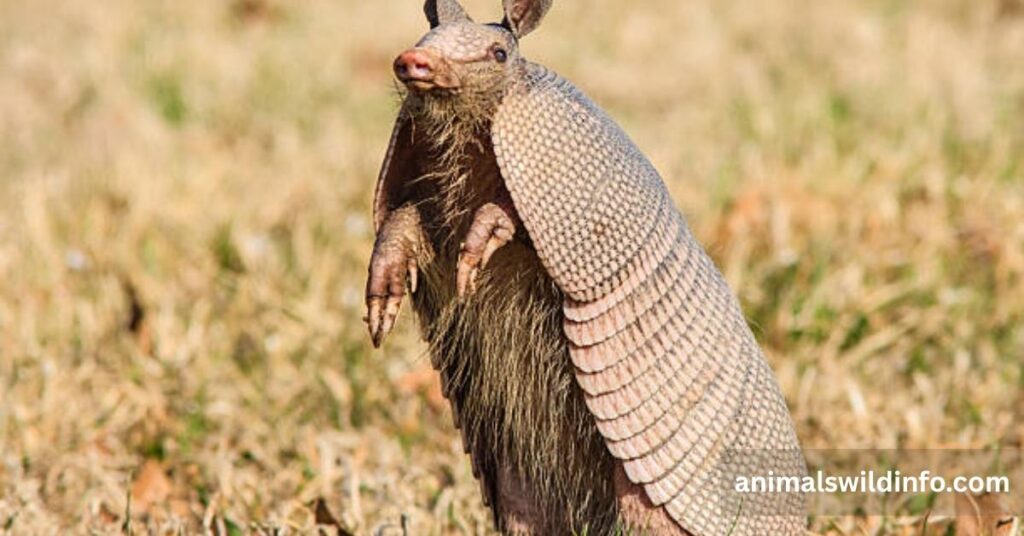
The Armadillo wears a shell built from bony plates called osteoderms, not true keratin scales like a snake or lizard. Still, this tough covering works wonders. It shields the animal from thorns, predator teeth, and rough terrain across deserts and woodlands alike. Armadillos dig constantly, turning soil and hunting insects, which makes them surprisingly helpful for ecosystem health. Their ability to roll into a ball is one of nature’s neatest defense tricks.
Texas Horned Lizard
Don’t let the spikes fool you. The Texas Horned Lizard is a gentle insect-eater with one of the strangest defenses in the animal kingdom: it can shoot blood from its eyes to confuse predators. Its reptile skin is covered in sharp, scale-based horns that make it a tough mouthful for any hungry coyote. This little lizard thrives on fire ants, helping balance insect populations across dry, sandy habitats in the American Southwest.
Caecilian
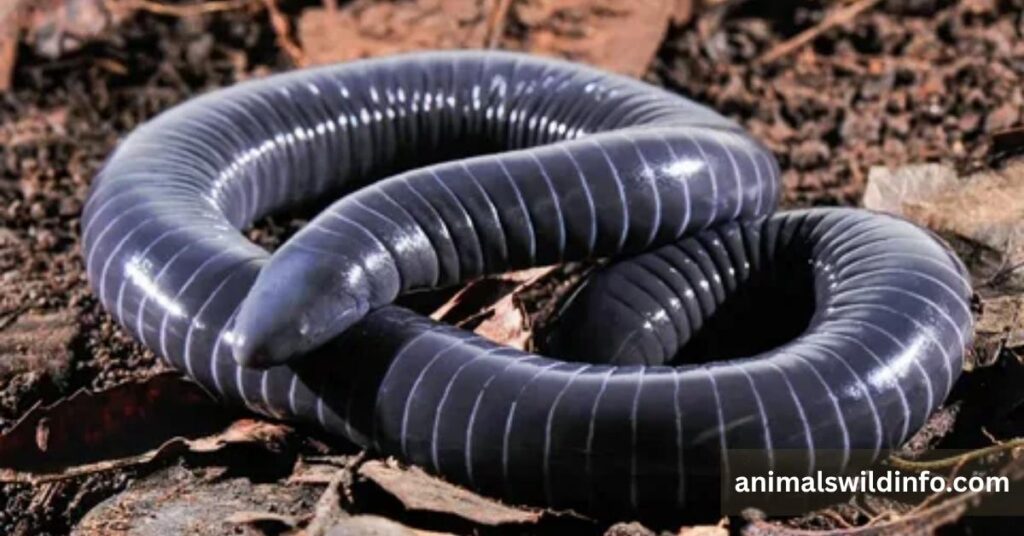
Caecilians are strange, legless amphibians that many people mistake for worms or snakes. Despite belonging to the amphibians with scales category, their coverings differ from reptile scales. They’re smooth and embedded in the skin rather than overlapping on the surface. Caecilians burrow through soil using this slick, flexible body, and some species even feed their young using their own skin. It’s an odd but effective survival strategy.
Goldfish
You might know the Goldfish as a simple pet, but it’s more clever than most people realize. Covered in shiny, overlapping fish scales, goldfish descend from wild carp and come in a stunning range of colors. Studies show goldfish can remember feeding routines and even recognize their owners’ faces. Their scales aren’t just decorative. They help reduce drag in water and protect against minor scrapes and parasites.
Monitor Lizard
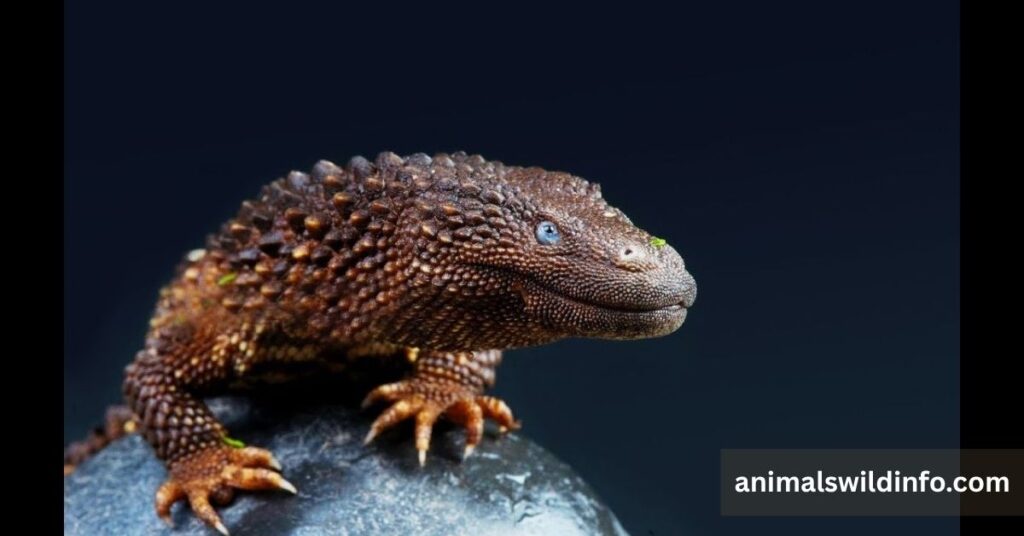
The Monitor Lizard family includes some genuine giants, with a few species stretching past 10 feet long. These scaled reptiles are surprisingly smart. Researchers have documented monitor lizards using sticks as tools to dig out prey, a rare skill outside of mammals and birds. Their forked tongues constantly taste the air, tracking scent trails across jungles, grasslands, and rocky deserts with impressive precision.
Tuatara
Meet a genuine living fossil. The Tuatara has barely changed in over 200 million years, making it one of the oldest reptile lineages still walking the earth. Found only in New Zealand, it has a mysterious third eye on top of its head that senses light and helps regulate its internal clock. Unlike most cold-blooded animals, tuataras actually prefer cooler temperatures, and their eggs can take over a year to hatch.
Read More: Top 30 Greedy Animals in the World (With Pictures & Fascinating Facts)
Gila Monster
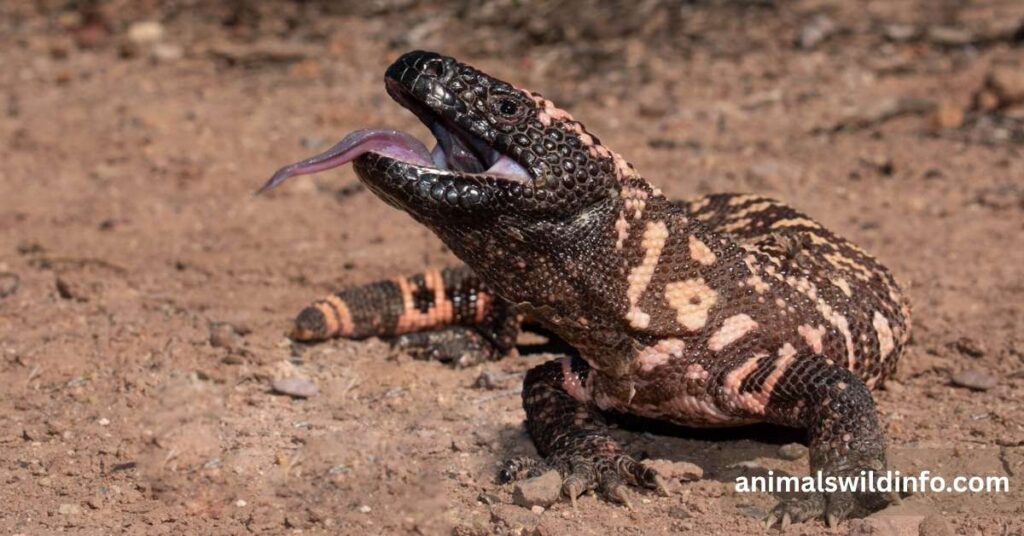
The Gila Monster is one of only two venomous lizards in the world, and its beaded scales come in bold pink and orange patterns. This isn’t just for looks. Its thick, bumpy body armor helps lock in moisture across brutal desert heat. Gila monsters eat only a handful of times per year, storing fat in their tails to survive long stretches without food. That venom, delivered through grooved teeth, works more as defense than as a hunting tool.
American Alligator
Rugged and ancient-looking, the American Alligator wears heavily armored skin built to survive centuries of evolutionary pressure. Each scale, or scute, provides camouflage in murky swamp water while also protecting against rival bites during territorial fights. Despite their fierce reputation, alligator mothers show real dedication, guarding their nests fiercely and even carrying hatchlings gently in their jaws. It’s a surprising contrast to their predator image.
Gecko
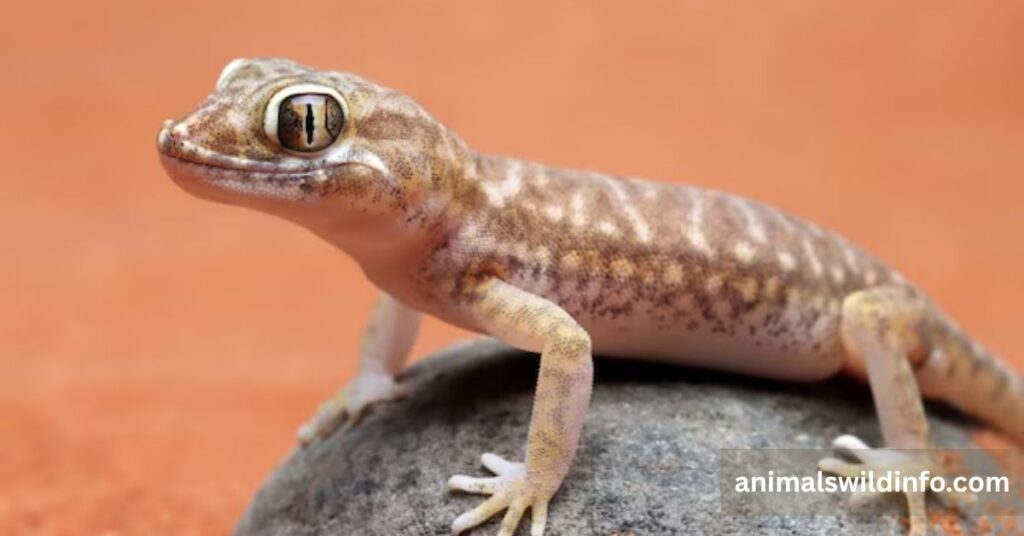
Geckos are the acrobats of the lizard world, climbing walls and ceilings with ease thanks to specialized toe pads, not sticky scales as many assume. Their reptile adaptations don’t stop there. Many species can drop their tails when grabbed by a predator, then regrow a new one over time. Bright colors and unique patterns also help some geckos communicate and blend into bark, leaves, or rock depending on their habitat.
Crocodile
Crocodiles have survived since the age of dinosaurs, and their tough, scaly hide is a big reason why. Beneath each scale sits a network of nerve endings so sensitive they can detect the tiniest ripple in water. This makes crocodiles deadly efficient hunters even in complete darkness. As apex predators, they help control fish and mammal populations, keeping wetland ecosystem balance intact across rivers and swamps worldwide.
Great White Shark
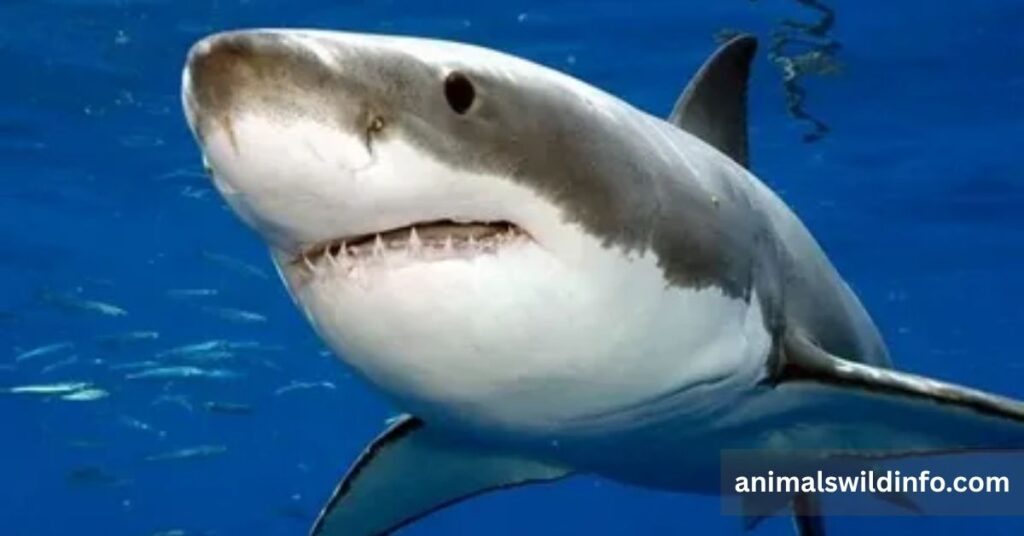
Technically, the Great White Shark isn’t covered in scales at all. Instead, its skin has thousands of tiny, tooth-like dermal denticles that reduce drag and increase swimming speed. This clever design lets the shark glide silently before an attack. As one of the ocean’s top marine predators, great whites play a critical role in keeping seal and fish populations balanced across coastal waters.
Atlas Moth
The Atlas Moth carries one of the most stunning wingspans in the insect world, sometimes reaching nearly a foot across. Its wings are covered in insects with scales, tiny overlapping structures that create its rich reddish-brown patterns and eye-like markings. These markings mimic snake heads, scaring off hungry birds. Beyond defense, the scales also help regulate heat and may play a role during nighttime mating signals.
Green Iguana
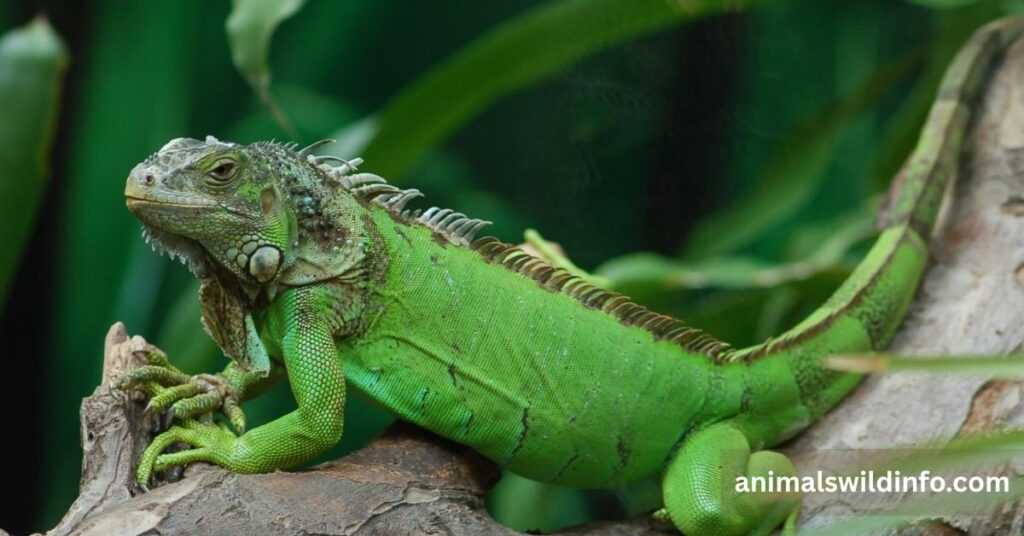
The Green Iguana shows off vivid green tones that shift and shine as it moves through treetop canopies across Central and South America. Its scales serve two jobs at once. They protect against sharp branches and predator claws while also helping regulate body temperature in tropical heat. As a cold-blooded animal, the iguana depends heavily on sunlight, often basking for hours to keep its body running efficiently. This daily ritual is essential to its survival in humid rainforest habitats.
Common Carp
The Common Carp thrives in ponds, lakes, and slow rivers across the globe, wearing shimmering, mosaic-like scales built for durability. This hardy freshwater fish can survive in murky, low-oxygen water where many other species struggle. Beyond toughness, carp show surprising social behavior, often feeding cooperatively and communicating through subtle body movements. Their adaptability has helped the species spread successfully across dramatically different environments.
Read More: Top 18 Animals That Growl (With Pictures & Amazing Facts)
Turtle
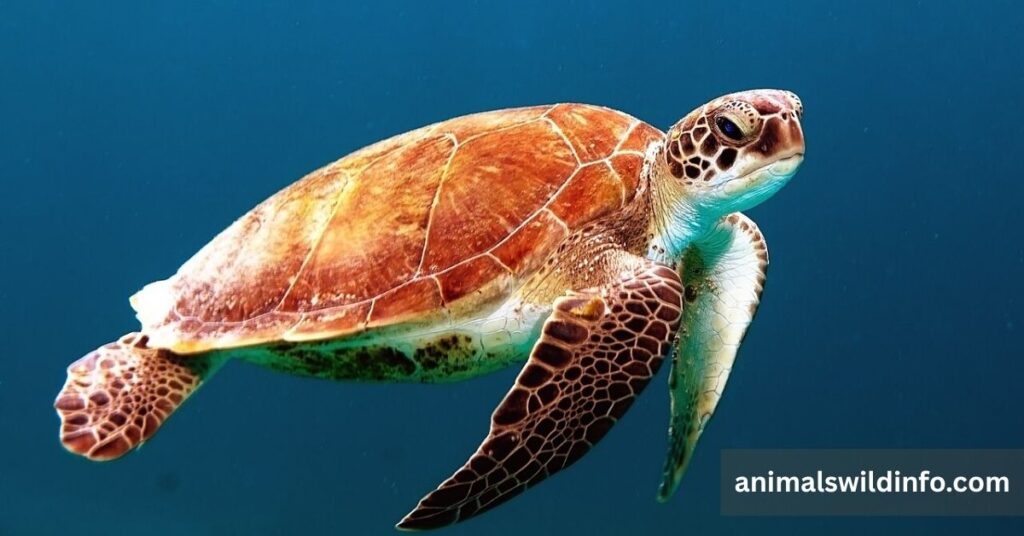
Turtles carry some of the most misunderstood scales in the animal kingdom. Known as scutes, these plates combine keratin and bone, giving turtles both strength and flexibility. Beyond protection, scutes help with moisture retention and even basic respiratory support in some land species. Certain turtles, including the massive leatherback, show remarkable adaptability, moving fluidly through water despite their armored build.
Why Do Animals Have Scales?
Scales didn’t evolve by accident. Each type serves a clear survival purpose, shaped by millions of years of evolution and environmental pressure. Understanding the function of animal scales helps explain why this trait appears again and again across totally different species.
Here’s a simple breakdown of the main reasons behind scales for protection and survival across the animal kingdom.
| Purpose | How It Helps |
| Protection from predators | Acts as predator protection, a hard barrier against bites and claws |
| Prevent water loss | Supports moisture retention in reptiles, especially in dry climates |
| Improve movement | Reduces drag in water and friction on land |
| Defense against injuries | Shields skin from thorns, rocks, and rough terrain |
| Temperature regulation | Helps absorb or reflect heat for thermoregulation |
Types of Animal Scales
Not every scale is built from the same material. This variety is one of the coolest examples of scale evolution in the natural world, shaped separately across totally different animal groups.
Below, you’ll find the four major categories: reptile scales, fish scale types, mammal scales, and insect scales. Each one solves a slightly different survival challenge.
Reptile Scales
Most reptiles with scales grow keratin scales, the same protein found in hair and nails. These scales overlap slightly, creating flexible yet waterproof scales that stop moisture from escaping through the skin. This trait makes reptiles well suited to hot, dry climates where terrestrial animals with scales must conserve every drop of water.
Fish Scales
Fish scales typically fall into a few types, including cycloid, ctenoid, and placoid varieties. These overlapping scales reduce water resistance, letting fish swim faster while staying protected from parasites and minor injuries. Sharks stand apart with dermal denticles, tiny tooth-like structures that work more like sandpaper than traditional scales.
Mammal Scales
True scaly mammals are rare, with pangolins standing as the best-known example. Their scales grow from modified hair follicles, hardening into overlapping plates made of pure keratin. Armadillos come close too, though their armor technically comes from bone rather than keratin, making them a slightly different case within mammals with scales.
Insect Scales
Insects with scales include moths and butterflies, whose wings are covered in thousands of tiny, dust-like structures. These scales create color patterns, support flight stability, and sometimes trap heat for warmth. Unlike reptile or fish scales, insect scales rub off easily, which is why touching a moth’s wing often leaves a fine powder on your fingers.
Amazing Facts About Animals With Scales
Scaled creatures hide some genuinely wild secrets. A pangolin’s tongue, for instance, can stretch up to 16 inches, longer than the animal’s own body when fully extended. That’s a serious tool for digging termites out of tough mounds.
Sharks take efficiency even further. Their dermal denticles are so effective at reducing drag that swimwear companies have copied the design for competitive racing suits. Meanwhile, tuataras remain nearly unchanged since the age of dinosaurs, earning their nickname as true living fossils among modern vertebrates.
Conclusion
From the ocean floor to sunbaked deserts, animals with protective scales have found endless ways to survive. Whether it’s a pangolin curling into a ball or a shark slicing through water with barely any resistance, scales remain one of nature’s smartest inventions.
Learning about these creatures reminds us how connected biodiversity really is. Protecting habitat, supporting wildlife conservation, and respecting these animal survival strategies ensures future generations get to marvel at the same scaly wonders we do today.
Frequently Asked Questions
Many animals have scales, including snakes, lizards, fish, and even pangolins. Reptiles and fish are the most common groups, though a few mammals and insects carry scales too.
Fish generally carry the highest scale count, since their entire body is covered edge to edge in tiny overlapping plates. Some species can have tens of thousands of individual scales.
In mammals, scales usually form from hardened keratin, the same material found in hair and nails. Pangolins are the clearest example, wearing a full coat of these tough, overlapping plates.
Pangolins and most fish species are covered in scales from head to tail. Reptiles like crocodiles and snakes come close too, though areas like the eyes and mouth stay scale-free.