
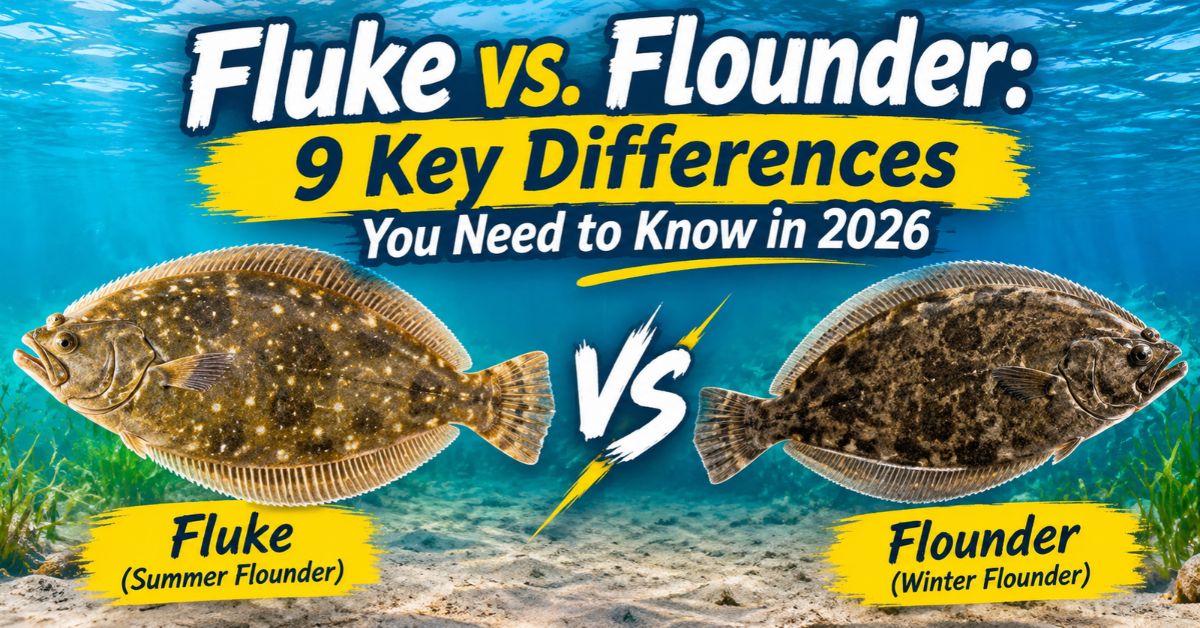
Fluke vs. Flounder: 9 Key Differences You Need to Know in 2026
You hold a strange flat fish in your hands. A stranger on the dock says it’s a fluke fish. Your cousin swears it’s a flounder fish. Here’s the good news: both of them are right. A fluke is a flounder, but not every flounder is a fluke.
This guide covers the fluke vs flounder differences in plain words, and it walks you through nine of them. They are name, eye side, spots, size, mouth, range, season, taste, and price. Along the way you’ll learn fluke identification and flounder identification tricks that work on the boat and at the market.
Fluke vs. Flounder: What’s the Difference?
Start with the names. “Flounder” is a broad label for many flounder species that live on the seabed. “Fluke” is the common name for just one of them, the summer flounder. So the difference between fluke and flounder is mostly a naming difference. Think of it this way. Fluke is to flounder what a beagle is to a dog.
Why does the mix-up last? Because words change from coast to coast. Anglers in the Northeast say fluke. Anglers in the South and along the Gulf of America usually say flounder. Fish markets add to the noise by using both words on one label. That’s why many people still ask, are fluke and flounder the same? The short answer is “sometimes,” and the rest of this article explains when.
Fluke vs. Flounder at a Glance
Here’s the fast view of the types of flounder you’ll meet most often along the Atlantic Ocean coast. Use it as a cheat sheet when you compare fluke fish vs flounder in the field.
| Feature | Fluke (Summer Flounder) | Winter Flounder | Southern Flounder |
| Scientific name | Paralichthys dentatus | Pseudopleuronectes americanus | Paralichthys lethostigma |
| Eye side | Left | Right | Left |
| Body spots | Ringed eye-like spots | Few or none | Dark, blurry patches |
| Mouth | Large, toothy | Small, thick lips | Large, toothy |
| Typical size | 1 to 5 lb, can top 20 lb | Under 2 lb, rarely 8 lb | 1 to 3 lb, can be larger |
| Main range | Cape Cod to North Carolina | Chesapeake Bay to Canada | North Carolina to Texas |
| Best taste use | Grill, broil, sashimi | Pan-fry, bake | Fry, bake, stuff |
Is Fluke a Type of Flounder?
Yes, fluke is a type of flounder. Scientists call it Paralichthys dentatus, and it belongs to the left-eyed flatfish group. The NOAA summer flounder profile lists “fluke” as an everyday nickname for the same fish. Many people also call it the northern flounder because it lives farther north than its southern cousin. You may also hear it called the Atlantic flounder, though that term can cover several species.
Are Fluke and Flounder the Same Fish?
Not always. When someone says “flounder” in New Jersey, they often mean fluke. When someone says “flounder” in Texas, they almost always mean southern flounder. In Massachusetts, the word can mean the winter flounder. So the question are fluke and flounder the same depends on where you stand. The safest move is to check the eyes and the spots. Those two clues never lie, and the next sections show you how to read them.
See Also: Top 15 Animals With the Biggest Brains (With Pictures)
Summer Flounder vs. Winter Flounder: Key Differences
Both fish live along the Atlantic Ocean coast, and that overlap causes most of the confusion. Anglers often ask, are summer and winter flounder different species? Yes, they are. They belong to different families and look different. They also behave differently, and they bite at different times of year.
The core split comes down to body and habits. Fluke are fast, bold hunters with big mouths. Winter flounder are gentle bottom grazers with tiny mouths. Fluke love warm water, and winter flounder love cold water. That’s why the names make sense once you know the seasons they favor. Each fish gets its own short profile below.
Summer Flounder (Fluke)
The summer flounder is a predatory flatfish with a long, oval body. It lies on the sandy seabed, blends in, and ambushes small baitfish. People often ask what do fluke fish eat. The list includes silversides, sand lance, and menhaden. It also eats squid, shrimp, and small crabs. The fish carries ringed eye-like spots on its back and sides, and NOAA’s description points to roughly five of them. This is the classic look of the fluke fish.
Winter Flounder
The winter flounder is a smaller, thicker fish with a right-eyed flatfish body. Many anglers call it the blackback flounder because of its dark, almost black upper side. This fish has a blackback appearance that stands out in cold, shallow bays. People wonder what do flounder eat in those bays. Winter flounder graze on worms, tiny crustaceans, and other marine invertebrates. Its small mouth and thick lips suit that soft menu. You can read more at the NOAA winter flounder page.
How to Identify Summer and Winter Flounder
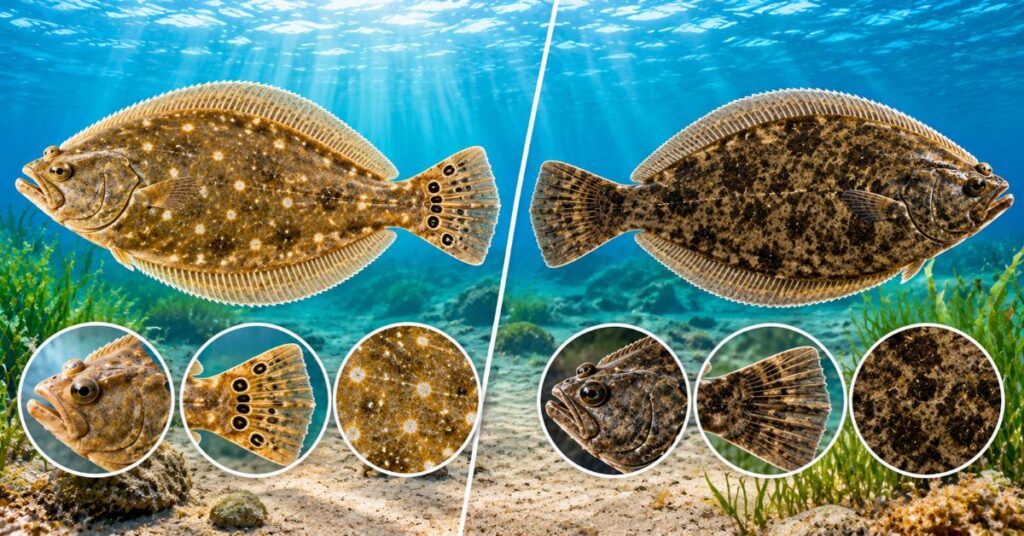
Here’s the three-second test for how to tell summer flounder from winter flounder. First, hold the fish up with its belly toward you and its eyes facing the sky. If the head points left, you have a fluke. If the head points right, you have a winter flounder. Second, look at the mouth. A big toothy mouth means fluke, and a small lipped mouth means winter flounder. Third, scan the back. Ringed eye-like spots mean fluke. This simple routine also answers how to identify a fluke fish and how to identify a winter flounder in one go.
Physical Differences Between Fluke and Flounder
Every flatfish starts life as a normal-looking baby. It swims upright, with one eye on each side of its head. Then the big change begins. This is the story behind a favorite question: why do flounder have both eyes on one side? As the young fish grows, one eye slowly moves across the skull. The process is called eye migration. When it finishes, both eyes sit on the upper side, and the fish can rest flat on the ocean floor while it keeps watch.
Because of this change, a flounder has an asymmetrical body. One side faces up and shows color. The other side faces down and stays pale. Three physical clues help most with flounder identification. They are size, eye side with color, and mouth shape. Each one gets a short look below.
Size and Body Shape
Fluke grow large and long. Most fish you’ll land weigh one to five pounds, but trophy fish can pass twenty pounds. The body is oval and fairly thin, built for speed. The winter flounder is shorter and thicker. A typical adult weighs under two pounds, and an eight-pound fish is a rare prize. So when you ask what does a fluke fish look like, picture a long, lean hunter. When you ask what does a flounder fish look like in the winter-flounder sense, picture a compact, plump fish.
Eye Position and Coloration
Eye side is the surest clue. Fluke are left-eyed flatfish, and winter flounder are right-eyed flatfish. Color helps too, but it can fool you. Flounders change shade to match the seabed, so body coloration shifts from one bottom to the next. Fluke usually show light brown coloration with cream spots. The southern flounder looks close to a fluke, yet it shows dark body patches instead of crisp rings. Fluke have those ringed eye-like spots near the tail and on the back. That is the best fluke identification feature after eye side.
See Also: Top 19 Dirtiest Animals in the World (With Pictures)
Teeth and Mouth Structure
Look inside the mouth for a quick answer. Fluke have a wide mouth that reaches past the eye. Rows of sharp teeth line the jaws, so handle them with care when you unhook them. These teeth help a predatory flatfish grab slippery prey. The winter flounder has a tiny mouth with thick lips and small teeth. It picks food off the bottom instead of chasing it. This one feature explains why the two fish take different baits.
Where Do Fluke and Flounder Live?
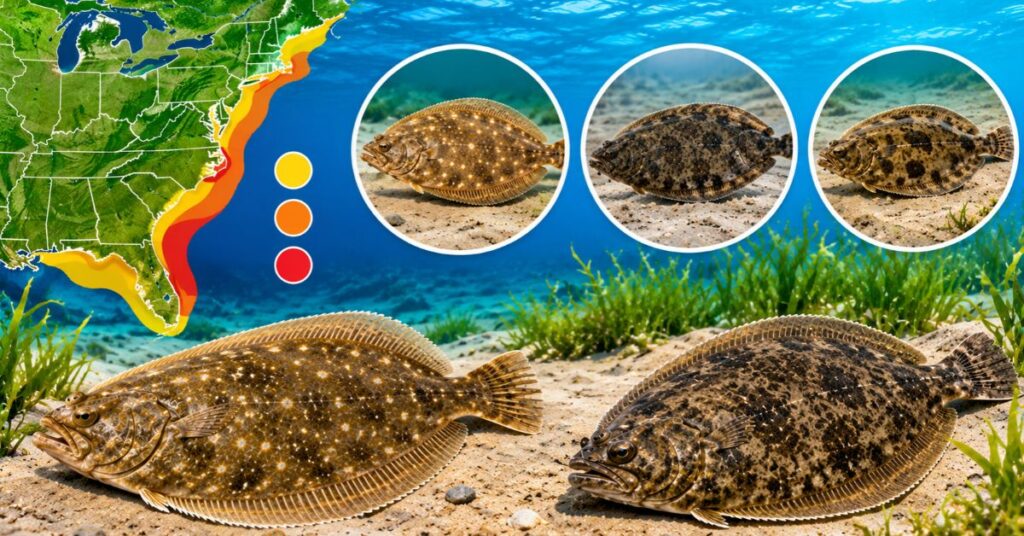
Both groups are bottom-dwelling fish that live in coastal waters along the Atlantic Ocean. They also share one habit. They follow the temperature. In warm months, fluke slide into bays, inlets, and shallow flats. As the water cools, they move to deeper water offshore. Winter flounder do the reverse. They push into shallow estuaries when the water turns cold. This seasonal migration shapes fluke fishing and flounder trips all year.
So, where do fluke fish live, and where are flounder found? The short version is that the three main species sit in three zones, and the zones overlap in the middle. The fish distribution range shifts a little with ocean warming, so check local reports before you plan a trip. The sections below break down the fluke habitat and the flounder habitat one at a time.
Fluke Habitat and Distribution
The fluke habitat is a mix of sandy seabed and muddy bottom near channels, inlets, and drop-offs. You’ll find these fish in North Atlantic waters from Nova Scotia down to Florida. They’re most common from Cape Cod to North Carolina. Chesapeake Bay is a famous fluke zone, with fish moving in and out through the seasons. This is the heart of the Atlantic flounder range for the left-eyed group.
Flounder Habitat and Distribution
The wider flounder distribution story includes two more species. Winter flounder range from Canada down to the Chesapeake Bay region and sometimes farther south. They love cold, shallow bays with soft bottoms. Southern flounder live in warm water. You’ll find them along the Gulf of America and up the Atlantic coast to the Carolinas. A few stray fish wander farther north. This split explains why the Northeast says “fluke” and the Gulf says “flounder.”
Where to Find Fluke and Flounder
Search for edges. Fluke wait where sand meets a drop-off or where a channel funnels bait. Winter flounder wait in quiet, muddy coves. Southern flounder hide near docks, creek mouths, and marsh edges. Here’s a quick planning table.
| Region | Main target | Best months |
| Cape Cod to Long Island | Fluke and winter flounder | Late spring to early fall |
| New Jersey to Chesapeake Bay | Fluke | Summer |
| North Carolina | Fluke and southern flounder | Summer to fall |
| Gulf of America coast | Southern flounder | Fall |
New anglers can book a local charter. Captains know the hot spots and the rules.
Fluke vs. Flounder: Taste and Texture
Both fish have mild, white, flaky meat. Neither one tastes “fishy.” That’s why they win over people who say they don’t like seafood. Still, small differences exist. Fluke meat is firmer and a bit sweeter. Winter flounder meat is softer and more delicate. Fillet thickness also matters, because thick fillets hold up to heat better.
Fresh fish makes the biggest difference. A fluke caught this morning tastes cleaner than a fillet that sat for days. Keep your catch on ice right away. Clean it soon after. Those two habits protect both flavor and texture.
Does Fluke Taste Different From Flounder?
Yes, but the gap is small. People who ask does fluke taste different from flounder usually notice texture first. Fluke feels meatier and holds together on the grill. Winter flounder flakes apart in thin, soft layers. If you wonder what does fluke taste like, think mild, clean, and slightly sweet. Many cooks compare it to a firmer cousin of sole.
Which Fish Has the Better Flavor?
So, which tastes better fluke or flounder? Taste is personal, so the best answer depends on your plate. Choose fluke for grilling, broiling, and raw dishes. Choose winter flounder or southern flounder for light pan-frying and stuffed fillets. Many chefs rank fluke higher because the meat is thicker and sweeter. So is fluke good to eat? Absolutely. It’s one of the most loved saltwater fish on the Atlantic coast.
Fluke vs. Flounder: Fishing Season and Regulations
Rules change by state and by year. Always check the current limits before you fish. Three controls matter most. They are the season dates, the minimum size, and the daily bag limit. Break one rule and you risk a fine. The Atlantic States Marine Fisheries Commission (ASMFC) and your state agency post the latest numbers.
Why so many rules? Managers want healthy fish stocks for years to come. Fluke, winter flounder, and southern flounder all face different pressure, so each has its own plan. Winter flounder limits are especially tight in many areas. Southern flounder rules often tighten during the fall run. Read the fine print for the exact species you plan to keep.
See Also: Animals That Eat Seeds: 15 Seed-Eating Animals (Full List)
When Is Fluke Season?
People ask when is fluke season all the time. In many Northeast and Mid-Atlantic states, fluke fishing runs from late spring through early fall. Exact dates and size limits differ from state to state. Some states also set separate rules for shore anglers and boat anglers. Visit your state fish and wildlife page for the current calendar. Dates can change from one year to the next.
When Is Flounder Season?
The answer to when is flounder season depends on the species. Winter flounder seasons are short or restricted in many places. Southern flounder rules differ along the Gulf and the Southeast coast, and several states limit harvest during the fall spawning run. Because rules shift often, read the latest notice for your area. Never rely on an old article or a friend’s memory.
Best Places to Catch Fluke and Flounder
Some places stand out. Chesapeake Bay offers big fluke in summer. New Jersey and New York waters produce steady catches near inlets and wrecks. Long Island Sound and Cape Cod hold both fluke and winter flounder. The Outer Banks serve up fluke and southern flounder. The Gulf of America coast is the place for southern flounder. If you’re new, a guided charter is a smart start.
Fluke Sushi: What Are Hirame and Engawa?
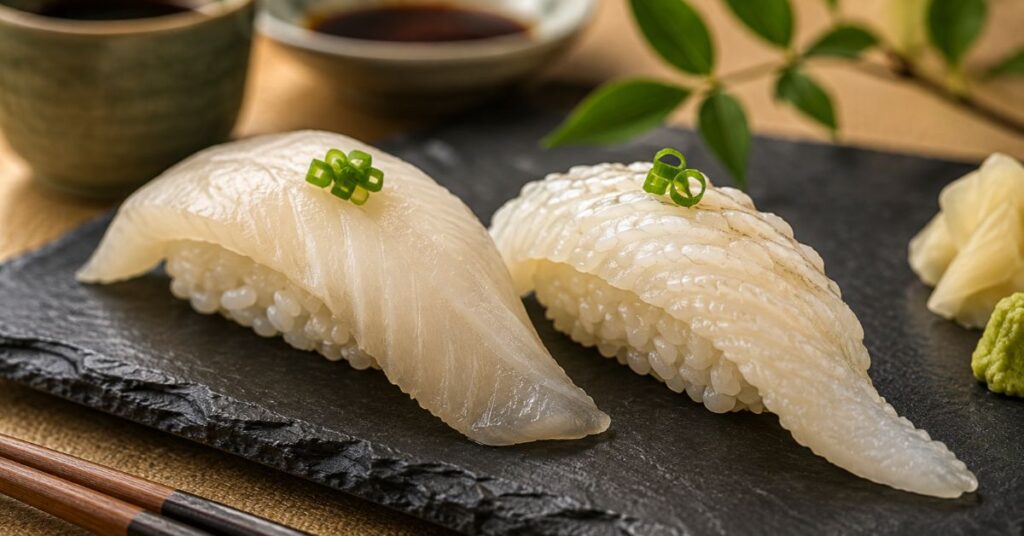
Sushi bars love flatfish. On a menu, hirame is the Japanese word for flounder. Many restaurants in the United States label fluke as hirame, since the two fish are close relatives. Strictly speaking, hirame often means the Japanese flounder, Paralichthys olivaceus. That fish shares a genus with fluke, so the taste and look are similar. The meat is pale, clean, and lightly sweet.
Engawa is a special cut. It’s the muscle along the fin edge, and it’s chewy and rich. Chefs prize it because each fish gives only a small amount. That’s why engawa costs more per piece. To order like a pro, ask for hirame sashimi first. Then try one piece of engawa to feel the difference.
How to Cook Fluke vs. Flounder
A good rule is simple. Match the cooking method to the thickness of the fillet. Thick fluke fillets handle high heat. Thin flounder fillets need gentle, quick cooking. Cook any fish to an internal temperature of 145°F (63°C) for safety. Pat the fillets dry before cooking, and the skin and surface will brown better.
Season lightly. Salt, pepper, lemon, butter, and fresh herbs are plenty. Mild fish can’t hide behind heavy sauces. Let the sweet, clean flavor shine instead. The next three sections give you the best method for each fish.
Best Cooking Methods for Fluke
Fluke loves heat. Grill it, broil it, or sear it in a hot pan with butter. Thick fillets hold their shape and build a golden crust. A lemon-butter sauce with parsley takes five minutes and tastes great. Very fresh fluke also works as sashimi. Slice it thin against the grain and add a drop of soy sauce.
Best Cooking Methods for Flounder
Flounder likes a softer touch. Pan-fry it in a light coating of flour, bake it in parchment, or steam it with ginger. Winter flounder fillets are thin and break easily, so flip them once with a wide spatula. Southern flounder is thicker, so it works well stuffed with crab or shrimp. Keep the heat moderate and the time short.
See Also: 30 Energy Animals in the World (With Pictures & Interesting Facts)
Which Fish Is Better for Cooking?
Neither fish wins every time. Fluke shines on the grill and in raw dishes. Flounder shines in quick, delicate recipes. This table puts the choices side by side.
| Method | Best fish | Cooking time |
| Grill or broil | Fluke | 3 to 4 minutes per side |
| Pan-fry | Flounder | 2 to 3 minutes per side |
| Bake in parchment | Flounder | 10 to 12 minutes |
| Sashimi or crudo | Fluke | No cooking needed |
| Stuffed fillet | Southern flounder | 15 to 20 minutes |
Which Costs More: Fluke or Flounder?
Fluke often costs more. Larger size, thicker fillets, and strong sushi demand push the price up. Is fluke fish expensive? It can be, especially at upscale restaurants and in off-season months. Winter flounder usually costs less, but limited catch rules can raise its price in some regions. Prices swing with the season, the coast, and the day’s supply.
You can save money with a few smart habits. Buy in season, when boats land plenty of fish. Ask the counter for whole fish and have them fillet it for you. Compare a few local markets before you buy. Skip exact price promises from old articles, because the numbers change fast.
Which Fish Should You Choose: Fluke or Flounder?
Pick by goal. If you want a thrilling catch, go for fluke fishing. Fluke fight harder and grow bigger. If you want a quiet day in a sheltered bay, try winter flounder. If you want the best grilled fillet, choose fluke. If you want a light pan-fried dinner, choose flounder. For a Gulf trip, southern flounder is the star.
Here’s a short case study. Picture a Chesapeake Bay angler named Dana. She drifts a bucktail with a strip of squid over a sandy edge. She lands a left-eyed fish with ringed spots and a big toothy mouth. It’s a summer flounder. Back home, she grills the thick fillets with lemon and butter. Dana’s day shows the whole story. The fish, the place, and the plate all fit together.
A handy dock rule: lefty with spots is fluke, and righty and dark is winter flounder.
Frequently Asked Questions
Is fluke the same as flounder?
Fluke is a name for the summer flounder, so it is a flounder. Not every flounder is a fluke, though. Winter flounder and southern flounder are different species. They differ in eye side, spots, range, and size. Use the eye test and the spot test to tell them apart.
Is fluke a good fish to eat?
Yes. Fluke is mild, clean, and slightly sweet. The meat is firm and white, and it works for grilling, frying, baking, and sashimi. Many chefs rank it among the best flatfish for the table. Cook it to 145°F (63°C) for safety.
Does fluke taste like flounder?
They taste very similar. Both are mild and white-fleshed. Fluke feels firmer and meatier, while winter flounder feels softer and flakier. Most people enjoy both. Texture is the main difference you’ll notice.
Is fluke fish expensive?
Often it costs a little more than other flounder. Its size, thick fillets, and sushi demand raise the price. Buying in season and choosing whole fish can lower the bill. Prices depend on region and supply, so compare your local markets.
Final Thoughts
Let’s recap the nine key differences. They are name, eye side, spots, size, mouth, range, season, taste, and price. Remember the simple rule too. A fluke is a flounder, but a flounder isn’t always a fluke. Check the eyes first, then the spots, and you’ll know your catch in seconds. Among all the flatfish species, these three are the stars of the Atlantic coast and the Gulf.
Now it’s your turn. Which one is your favorite, the fighting fluke or the gentle winter flounder? Share your best catch or your favorite recipe in the comments. Then check your state’s current rules and head out to the water. Tight lines!