20 Incredible Animals With Small Ears Found Around the World
Some animals stand out for their size. Others get noticed for their color. But a few creatures catch our eye for something much smaller: their ears. Animals with small ears live on every continent, and their tiny ear flaps do a lot more work than you’d think.
In this guide, you’ll meet twenty different creatures with reduced pinnae. You’ll learn why their ear size shrank over time, and how this trait helps them survive in tough places. From icy tundras to sandy deserts, small ears show up again and again for good reason. Let’s dig in.
What Are Animals With Small Ears?
Animals with small ears are species whose external ears, or pinnae, are shorter, rounder, or less visible than you’d expect for their body size. Some have rounded ears pressed close to the skull. Others have tiny ear openings hidden under fur or feathers. This isn’t a flaw. It’s a trait shaped by millions of years of wildlife evolution.
You’ll find this feature across very different groups. Mammals, marsupials, and even birds show some form of it. A polar bear’s ears look nothing like a mole’s ears, yet both serve the same basic goal: helping the animal survive where it lives. That’s the heart of animal anatomy and mammal characteristics working together with the environment, not against it.
List of Animals With Small Ears
Here’s the full rundown of twenty small-eared species. Each one earns its spot on this list for a different reason, so let’s look closer.
| Animal | Habitat Type | Ear Adaptation Function | |
| 1 | Beaver | Wetlands | Sealed ears while swimming |
| 2 | Sea Otter | Oceans | Cold-water insulation |
| 3 | Polar Bear | Arctic | Heat conservation |
| 4 | Arctic Fox | Arctic | Heat conservation |
| 5 | Kangaroo Rat | Deserts | Water conservation |
| 6 | Elephant Shrew | Forests/Deserts | Heat regulation |
| 7 | Naked Mole-Rat | Underground | Burrow protection |
| 8 | Mole | Underground | Burrow protection |
| 9 | Pika | Mountains | Cold insulation |
| 10 | Hedgehog | Forests | Predator detection |
| 11 | Capybara | Wetlands | Reduced drag in water |
| 12 | Muskrat | Wetlands | Sealed ears while diving |
| 13 | Wombat | Forests | Burrow protection |
| 14 | Platypus | Wetlands | Underwater hunting |
| 15 | Tapir | Forests | Predator avoidance |
| 16 | Manatee | Oceans | Streamlined swimming |
| 17 | Tuatara | Rocky habitats | Ancient body structure |
| 18 | Lemming | Arctic | Heat conservation |
| 19 | Rock Hyrax | Mountains | Sound filtering |
| 20 | Penguin | Oceans | Cold-water insulation |
Beaver
Scientific Name: Castor canadensis / Castor fiber Class: Mammalia Diet: Herbivore

Beavers are semi-aquatic mammals, and their small ears fold shut the moment they dive underwater. This lets them stay submerged for long stretches while building dams without water rushing into their ears. It’s a smart piece of body adaptation that lets beavers spend hours working in rivers and ponds without any trouble.
Sea Otter
Scientific Name: Enhydra lutris Class: Mammalia Diet: Carnivore
Sea otters live in cold ocean water, so body insulation matters a lot for them. Their small, rounded ears sit flat against the head, cutting down on heat loss while they float and swim. Because sea otters spend nearly their whole lives in water, this tiny detail plays a big role in how well they survive frigid coastal waters.
Read More: Top 7 Animals That Are Deaf (With Pictures & Interesting Facts)
Polar Bear
Scientific Name: Ursus maritimus Class: Mammalia Diet: Carnivore

Polar bears face some of the harshest cold on Earth, and their small ears help with thermoregulation in a huge way. Less exposed surface area means less heat loss, which matters when temperatures drop far below freezing. Despite tiny ears, polar bears still track prey using an incredible sense of smell, proving hearing isn’t their main survival tool.
Arctic Fox
Scientific Name: Vulpes lagopus Class: Mammalia Diet: Carnivore
The Arctic fox is one of the best examples of cold climate animals adapting through ear size. Short, rounded ears reduce heat loss across the harsh tundra winter. On top of that, this fox uses camouflage by turning white in winter and brown in summer, pairing two survival adaptations into one incredible package.
Kangaroo Rat
Scientific Name: Dipodomys Class: Mammalia Diet: Herbivore
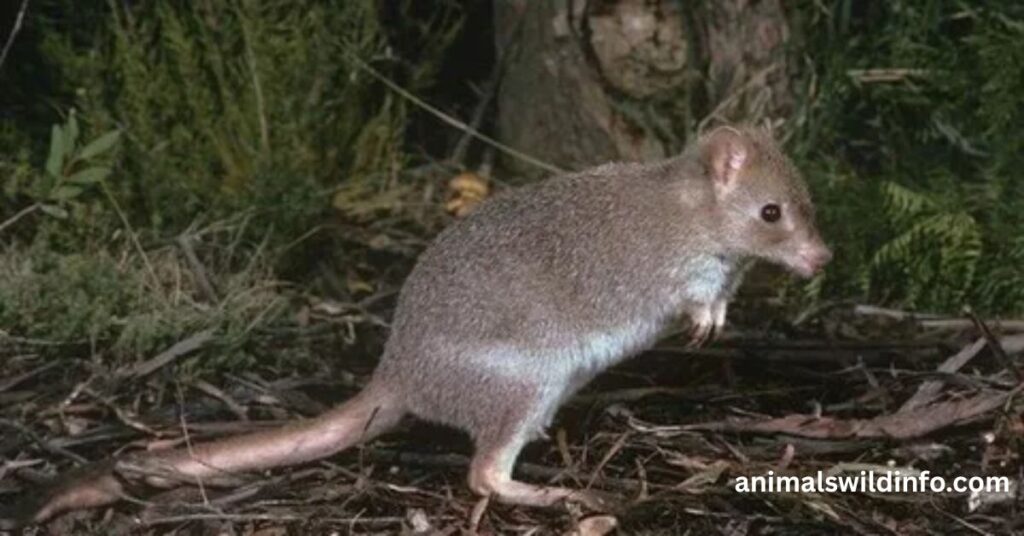
As one of the classic desert rodents, the kangaroo rat relies on small ears to reduce water loss in dry, hot climates. This trait supports overall desert survival adaptations, letting the animal go without drinking water for long periods. Being a nocturnal mammal, it avoids the sun’s heat entirely by staying active only after dark.
Elephant Shrew
Scientific Name: Macroscelidea Class: Mammalia Diet: Insectivore
Don’t let the name fool you. Elephant shrews are small, quick insect-eaters with tiny ears suited for warm African habitats. Their heat regulation works hand-in-hand with a sharp sense of smell, since their hearing plays a smaller role in finding food. Speed, not sound, is what really keeps this animal alive.
Naked Mole-Rat
Scientific Name: Heterocephalus glaber Class: Mammalia Diet: Herbivore
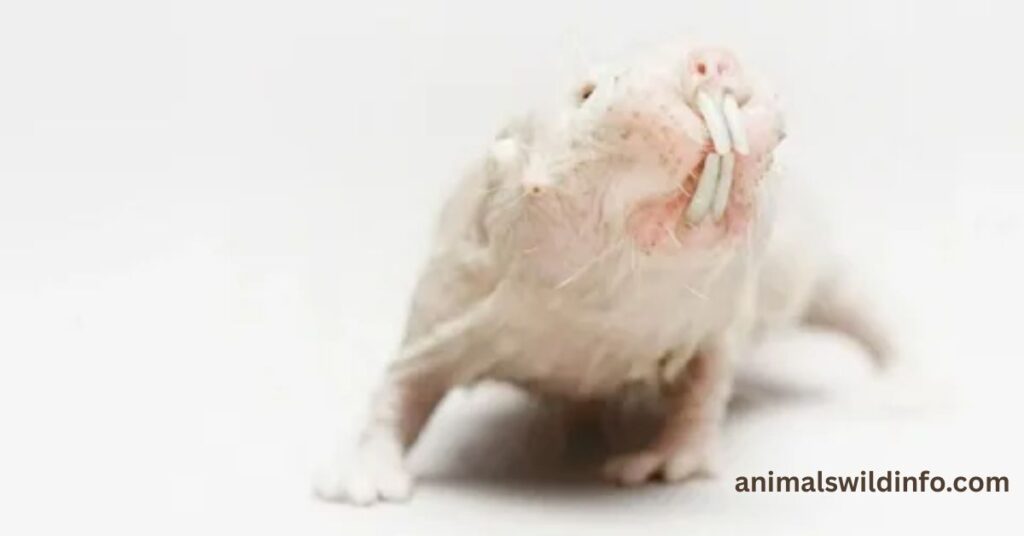
Naked mole-rats live almost their entire lives underground, and their tiny ear openings barely show at all. As true underground mammals, they rely on touch and vibration far more than sound. This trait reflects a clear case of burrow adaptations, where excess ear tissue would only get in the way while digging tunnels.
Mole
Scientific Name: Talpa europaea Class: Mammalia Diet: Insectivore
Moles are burrowing mammals built for life underground, and their small ears sit flush against the head to avoid catching dirt. Since moles have poor eyesight, sound still matters, so their ear structure in mammals stays functional even while staying compact. This balance shows just how efficient natural selection can be.
Pika
Scientific Name: Ochotona Class: Mammalia Diet: Herbivore

Living high in rocky mountains, pikas use short, rounded ears to handle freezing alpine air. This is a textbook case of insulation against cold, helping the pika survive where few other small mammals can. Pikas also use sharp calls to warn each other of danger, proving small ears don’t mean poor hearing.
Hedgehog
Scientific Name: Erinaceinae Class: Mammalia Diet: Insectivore
Hedgehogs pack surprisingly sharp hearing into small, rounded ears tucked near their spines. This setup supports strong predator avoidance, since hedgehogs can detect rustling leaves or approaching feet well before danger arrives. When threatened, they curl into a tight ball, protecting both ears and body at once.
Capybara
Scientific Name: Hydrochoerus hydrochaeris Class: Mammalia Diet: Herbivore

The capybara, the world’s largest rodent, has ears that look almost too small for its body. As one of the well-known aquatic mammals, it uses this trait for minimizing water resistance while swimming through rivers and marshes. Capybaras also stay social, using vocal calls to make up for limited hearing range.
Read More: Top 25 Animals With the Lowest IQ (With Pictures)
Muskrat
Scientific Name: Ondatra zibethicus Class: Mammalia Diet: Omnivore
Much like beavers, muskrats seal their small ears shut underwater, helping them dive and forage in wetlands without discomfort. This trait supports reducing drag while swimming, letting muskrats move quickly through ponds and marshes. Their compact ear shape fits perfectly with their semi-aquatic lifestyle.
Wombat
Scientific Name: Vombatus ursinus Class: Mammalia Diet: Herbivore
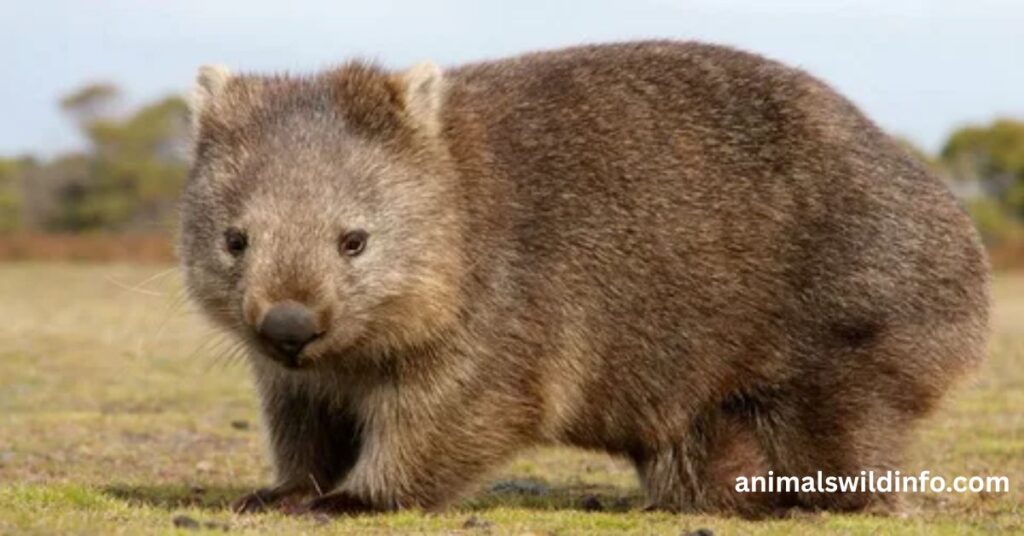
Wombats dig extensive tunnel systems, and their small, rounded ears help with efficient burrowing through Australian soil. Thick cartilage protects their head structure while digging through tough ground. This trait ties directly into habitat-specific evolution, since wombats needed sturdy, low-profile ears to survive underground life.
Platypus
Scientific Name: Ornithorhynchus anatinus Class: Mammalia Diet: Carnivore
The platypus barely shows any external ears at all, closing them completely underwater. Instead, it relies on electroreception to hunt, a rare trait among mammals. This unusual setup reflects deep morphological adaptation, letting the platypus thrive in rivers where sound doesn’t travel the way it does on land.
Tapir
Scientific Name: Tapirus Class: Mammalia Diet: Herbivore

Tapirs live in dense vegetation across forests in South America and Southeast Asia, where large ears would only snag on branches. Small, rounded ears help this animal move quietly and avoid injury. Combined with a flexible snout, the tapir balances smell, touch, and limited hearing for full predator avoidance.
Manatee
Scientific Name: Trichechus Class: Mammalia Diet: Herbivore
Manatees have no visible external ears at all, just tiny openings along the head. As one of the gentle aquatic mammals of coastal waters, this trait supports a fully streamlined body, cutting resistance while swimming through rivers and bays. Manatees still detect sound well underwater, despite lacking visible ear flaps.
Tuatara
Scientific Name: Sphenodon punctatus Class: Reptilia Diet: Carnivore

The tuatara isn’t a mammal at all, but this ancient reptile from New Zealand has no visible external ears either. Its body structure has barely changed in millions of years, making it a living example of species survival against changing environments. Sound reaches its inner ear through the skull instead of an outer flap.
Lemming
Scientific Name: Lemmus Class: Mammalia Diet: Herbivore
Lemmings live across Arctic tundras, and their small ears reduce heat loss during brutal winters. As true Arctic wildlife, lemmings depend on this trait for basic survival when temperatures crash. Their short ears also stay tucked safely under thick fur, protecting them from frostbite and wind.
Rock Hyrax
Scientific Name: Procavia capensis Class: Mammalia Diet: Herbivore

Despite its small size, the rock hyrax is more closely related to elephants than rodents. Living among rocky habitats across Africa and the Middle East, its tiny ears help filter out wind noise while amplifying nearby danger sounds. Hyraxes live in tight colonies, using calls to stay connected across their rocky terrain.
Read More: Top 14 Animals That Eat Cactus (With Pictures & Interesting Facts)
Penguin
Scientific Name: Spheniscidae Class: Aves Diet: Carnivore

Penguins hide their tiny ears completely beneath feathers, protecting them from freezing Antarctic air. This trait supports strong heat conservation while diving into icy water to hunt fish. Their compact ear structure also reduces water pressure while swimming, letting penguins focus fully on the hunt below the surface.
Why Do Some Animals Have Small Ears?
Small ears don’t appear by accident. They form over generations through environmental pressures that reward certain traits over others. Animals living in extreme cold, dry deserts, or tight burrows all face different challenges, and ear size often shifts to match each specific setting.
This pattern shows up across totally unrelated species, which tells us something powerful about biological adaptation. A polar bear and a mole share almost nothing in common, yet both benefit from smaller ears in their own way. Let’s break down the five biggest reasons this trait keeps showing up in nature.
Reducing Heat Loss in Cold Climates
In freezing regions, every bit of exposed skin loses warmth fast. Small ears cut down on surface area, which directly supports heat conservation for animals like Arctic foxes and lemmings. This simple shape change can mean the difference between surviving winter and freezing to death.
Preventing Injury While Burrowing
Underground life comes with tight spaces and rough dirt walls. Burrowing animals like moles and naked mole-rats keep their ears small to avoid scrapes and blockages while digging. Large ears would only get in the way, catching soil and slowing movement through narrow tunnels.
Improving Streamlined Movement in Water
Swimming mammals like otters, muskrats, and manatees benefit from reducing drag while swimming. Small, flat ears create less resistance against water, helping these animals move faster and use less energy. This matters most for species that hunt or travel long distances through rivers, lakes, and oceans.
Protecting Ears From Dirt and Sand
Dry, windy environments push sand and dust into any open space. Preventing sand entry becomes critical for animals like kangaroo rats, protecting delicate inner ear structures from damage. This trait supports overall health and hearing function across long desert lifespans.
Evolutionary Adaptations
Over thousands of generations, natural selection favors traits that help animals live longer and reproduce more successfully. Small ears often start as a minor genetic variation, then spread through a population because they offer a real survival edge. This slow, steady process shapes nearly every trait we see in wildlife today.
How Small Ears Help Animals Survive
Beyond the “why,” it helps to understand exactly how this trait plays out day to day. Small ears aren’t just about looks. They actively shape how animals hunt, hide, and stay alive across dangerous environments.
These benefits often overlap, working together rather than standing alone. A single trait like ear size can protect against predators, conserve energy, and support movement all at once. Here’s a closer look at five specific survival advantages tied to this feature.
Better Protection From Predators
Smaller ears create a smaller target and reduce visibility against predators scanning the horizon. This supports predator avoidance across many prey species, especially those without other strong defenses. Combined with fur color and body shape, reduced ear size often works as part of a bigger camouflage strategy.
Conserving Body Heat
We’ve touched on this already, but it’s worth repeating: thermoregulation in mammals depends heavily on managing exposed body parts. Every bit of surface area matters when the difference between comfort and hypothermia comes down to a few degrees. Small ears play a quiet but critical role in this balance.
Easier Movement Through Dense Vegetation
Animals moving through thick brush or tangled roots need compact bodies. Locomotion adaptation benefits from smaller ears, since large ears would snag on branches and slow escape from danger. Tapirs and hedgehogs both show this trait clearly, moving quietly and quickly through cluttered terrain.
Reduced Risk of Ear Injuries
Whether fighting rivals or digging through rock, exposed ears face constant physical risk. Compact ear shape lowers the chance of tears, cuts, or infection across rough environments. This matters especially for burrowing and territorial species that deal with regular physical contact.
Specialized Habitat Adaptations
Every environment comes with its own set of challenges, and animals respond with traits suited to their exact ecological niche. Small ears show up again and again because they solve so many different problems at once. This flexibility makes ear size one of nature’s most efficient design choices.
Which Habitats Have Animals With Small Ears?
Small-eared animals don’t cluster in just one place. You’ll find them scattered across wildly different corners of the planet, each shaped by local conditions. Understanding these habitats helps explain why this trait keeps reappearing across totally separate species.
From frozen tundra to warm ocean water, habitat specialization drives much of what we see in wildlife diversity today. Let’s walk through seven major environments where small ears give animals a real edge.
Arctic Regions
Polar bears, Arctic foxes, and lemmings all call frozen tundra home, relying on small ears for cold-weather adaptations. Wind chill and subzero air make heat loss a constant threat here. Every physical trait, including ear size, gets shaped by the need to survive brutal winters.
Deserts
Kangaroo rats and elephant shrews thrive across the desert ecosystem, where sand, heat, and water scarcity shape nearly every trait. Small ears here protect against both overheating and grit buildup. This region shows just how much environmental pressure can shrink a single body part over time.
Forests
Tapirs, wombats, and hedgehogs move through dense vegetation, needing compact bodies to avoid injury. Forest floors and undergrowth create constant physical obstacles for larger animals. Small ears fit neatly into this lifestyle, reducing drag and snag risk with every step.
Wetlands
Beavers, muskrats, capybaras, and platypuses all depend on marshes, rivers, and ponds for survival. In these wetlands, ear size shrinks to support swimming, diving, and sealing out water. This habitat produces some of the clearest examples of aquatic mammals using ear adaptation for daily survival.
Oceans
Sea otters, manatees, and penguins spend most of their lives in open water, facing cold temperatures and strong currents. Small ears here support both streamlined body movement and heat retention. Ocean life demands total-body efficiency, and ear shape plays its own small but important part.
Underground Burrows
Moles and naked mole-rats spend nearly their whole lives beneath the surface, relying on burrow adaptations for daily survival. Total darkness makes touch and vibration far more useful than sound. Small ears fit perfectly into this tight, dirt-filled world.
Mountains
Pikas and rock hyraxes live across steep, rocky terrain, facing thin air and unpredictable weather. Rocky habitats demand strong grip, sharp reflexes, and efficient heat retention. Small ears support survival here just as much as they do in Arctic tundra or desert sand.
Final Thoughts
Small ears might seem like a minor detail at first glance, but they tell a much bigger story about survival. Every species on this list uses ear adaptations shaped by real environmental pressure, from freezing wind to burning sand. This shows how wildlife biology connects even the smallest physical traits to life-or-death outcomes.
Next time you spot an animal with tiny ears, you’ll know it’s not random. It’s the result of thousands of years of animal evolution, fine-tuned by the exact place that animal calls home. Nature rarely wastes a feature, and small ears prove that point again and again.
FAQs
What animals have small ears?
Many species show this trait, including polar bears, beavers, moles, hedgehogs, capybaras, and penguins. Animals with small ears span mammals, marsupials, reptiles, and birds. Each one uses this feature for a slightly different survival purpose.
Why do some animals have small ears?
Why do animals have small ears usually comes down to environment. Cold climates, sandy deserts, tight burrows, and water all push species toward smaller, more compact ear shapes. It’s a clear case of environmental adaptation shaping physical traits over generations.
What animal has the smallest ears relative to its body size?
The naked mole-rat stands out here, with tiny ear openings barely visible against its body. Manatees and platypuses come close too, since both lack easily visible external ears. These species show just how far reduced pinnae can go in the animal kingdom.
Are tiny ears rare in the animal kingdom?
Not really. Benefits of small ears show up across dozens of species worldwide, from Arctic mammals to desert rodents. This trait appears often enough that it counts as a common, repeatable survival strategy rather than a rare exception.
Which animals rely most on hearing despite having small ears?
Hedgehogs and pikas both stand out, using sharp hearing for animal survival strategies despite their compact ear size. Small doesn’t always mean weak. In these cases, small ears still pick up detailed sound needed to detect predators quickly.
What are small, rounded ears in animals typically called?
Scientists often describe them as reduced pinnae, or simply rounded ears when discussing ear structure in mammals. This term covers everything from a polar bear’s stubby ears to a hedgehog’s tucked-in ear flaps.