Top 12 Animals Like Porcupines (With Pictures & Amazing Facts)
Nature loves a good disguise. Spikes, spines, and quills show up again and again across the animal kingdom, and they don’t always belong to the same family tree. Porcupine-like animals pop up on land, in forests, and even deep in the ocean. Some of these creatures share DNA with porcupines. Others just borrowed the same survival trick through evolution.
This guide walks you through twelve animals similar to porcupines. You’ll see how each one uses spines, armor, or clever tricks to stay alive. Some are gentle foragers. Others pack a toxic punch. By the end, you’ll know exactly why so many spiny mammals and sea creatures look like they raided the same costume shop.
List of Animals Like Porcupines
The animal kingdom is full of prickly animals that never cross paths with a real porcupine. Yet they all solved the same problem: how do you survive when you can’t outrun a predator? The answer, again and again, involves animals with spines, tough shells, or a scent so bad nothing wants a second sniff.
Below, you’ll find twelve creatures that count as porcupine relatives or porcupine look alike species. Some are close cousins. Others just share a similar defense mechanism. Here’s a quick snapshot before we dive into each one.
| Number | Animal | Type of Defense | Class |
| 1 | Hedgehog | Spines | Mammal |
| 2 | Echidna | Spines | Monotreme |
| 3 | Tenrec | Spines and fur | Mammal |
| 4 | Muskrat | None (camouflage, speed) | Mammal |
| 5 | Armored Rat | Tough skin | Mammal |
| 6 | Stink Badger | Foul spray | Mammal |
| 7 | Raccoon | Intelligence, agility | Mammal |
| 8 | Opossum | Playing dead | Mammal |
| 9 | Sea Urchin | Spines | Marine invertebrate |
| 10 | Pufferfish | Inflation, toxin | Marine animal |
| 11 | Long-Spine Porcupinefish | Spines and inflation | Marine animal |
| 12 | Armadillo | Body armor | Mammal |
Hedgehog
Read More: Top 20 Shy Animals in the World (With Pictures & Fascinating Facts)
Scientific Name: Erinaceus europaeus Class: Mammalia
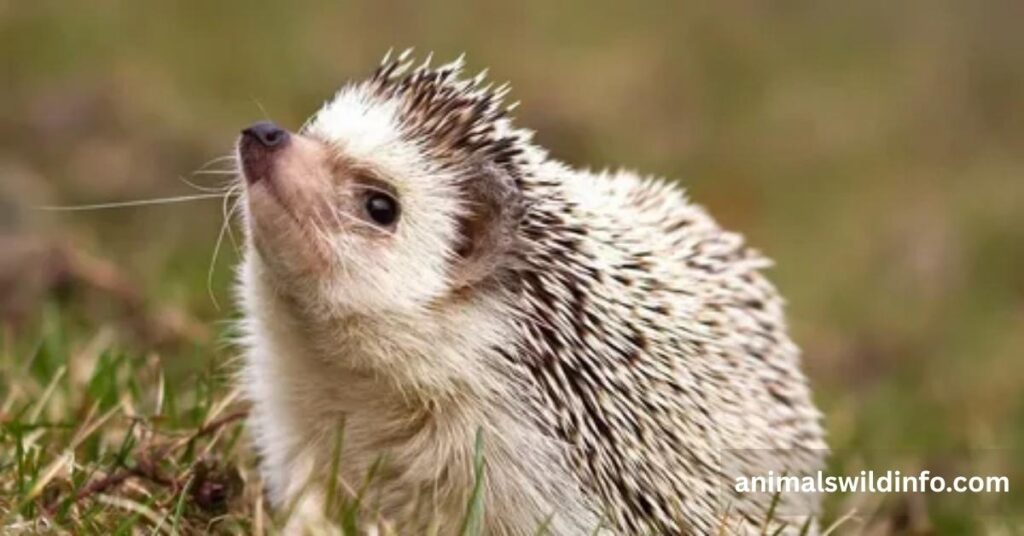
The hedgehog looks like a porcupine that shrank in the wash. It’s small, round, and covered in stiff keratin spines instead of long quills. When a predator gets too close, the hedgehog curls into a tight ball. Its spines point outward, and suddenly there’s nothing soft left to bite. This little insectivore hunts at night. It snuffles through gardens looking for beetles, worms, and slugs. Unlike the porcupine, which chews bark and stems, the hedgehog eats mostly bugs. That makes it a natural pest controller for backyard gardens across the U.S. and Europe.
Hedgehogs also adapt well to human neighborhoods. You might spot one crossing a suburban lawn at dusk. They’re nocturnal animals, so daylight hours are nap time. Despite their spiky look, hedgehogs are gentle and shy. They’d rather roll into a ball than fight. This makes them one of the most recognizable animals with quills, even though technically, their spines are a bit different from a porcupine’s barbed weapons.
Echidna
Scientific Name: Tachyglossus aculeatus Class: Mammalia (Monotremata)
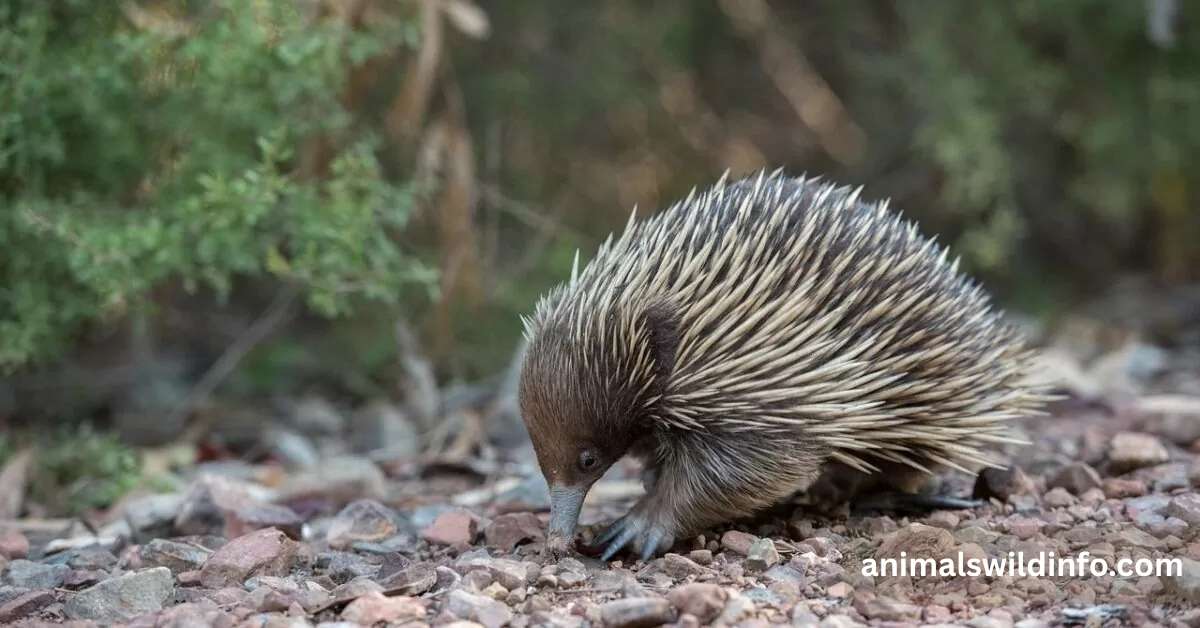
Here’s a fact that surprises most people: the echidna lays eggs. It’s one of only a few egg-laying mammals on Earth, along with the platypus. That alone makes it stand out from the porcupine, which gives birth to live young. Still, the echidna’s back is covered in stiff spines that look almost identical to porcupine quills. When threatened, it digs straight down into soil, leaving only spines exposed. Predators simply can’t get a grip.
The echidna also eats very differently from a porcupine. It uses a long, sticky tongue to slurp up ants and termites, making it a dedicated insect-eating mammal. During breeding season, several males will follow one female in a strange parade called “the echidna train.” Scientists still study this behavior to understand mating competition in solitary species. Native to Australia, the echidna proves that spiny defenses evolved more than once, in completely separate corners of the mammal family.
Read More: Are There Badgers in Maine? 14 Facts, Habitat, Sightings & Interesting Information
Tenrec
Scientific Name: Tenrec ecaudatus Class: Mammalia
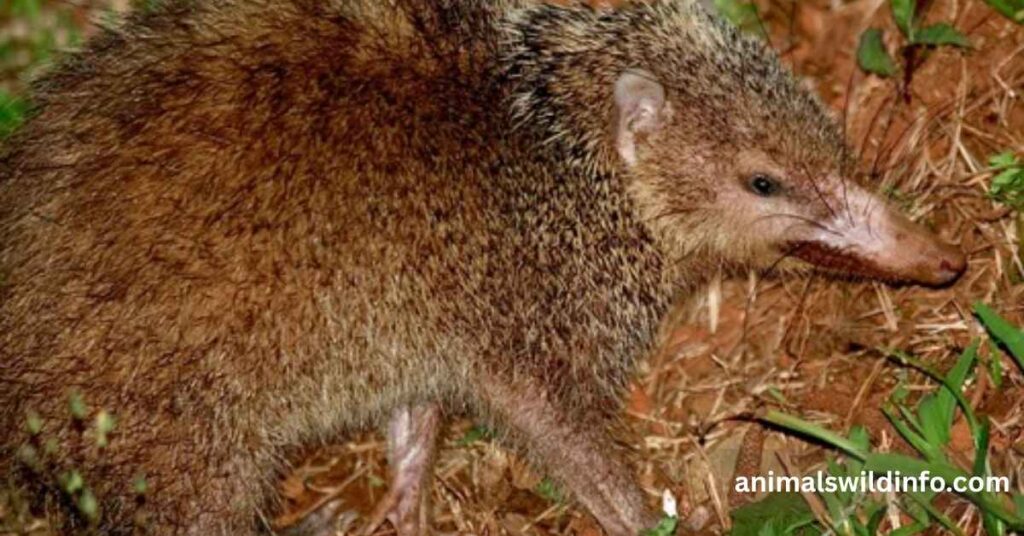
Madagascar is home to one of the strangest mammal groups on the planet: tenrecs. The greater hedgehog tenrec looks almost exactly like a European hedgehog, yet the two aren’t closely related at all. This is a textbook case of convergent evolution, where unrelated animals develop similar traits because they face similar challenges. Another cousin, the lowland streaked tenrec, has bold yellow and black stripes and can even rattle its spines to warn off threats.
Unlike the solitary porcupine, many tenrec species live in family groups. They groom each other, “talk” through vocal clicks, and even use spine-rattling as a form of communication. Tenrecs help their forest habitat by controlling insect populations and dispersing seeds as they forage. With over thirty known species, ranging from tiny shrew-like tenrecs to larger spiny ones, this group shows just how creative biodiversity can get on an isolated island.
Muskrat
Scientific Name: Ondatra zibethicus Class: Mammalia
The muskrat doesn’t have a single spine on its body, so why does it make this list? It’s a rodent, just like the porcupine, and it shares that same knack for reshaping its environment. Muskrats build lodges out of mud and reeds, similar to how porcupines gnaw dens into tree trunks. Their flattened tails and webbed feet make them powerful swimmers, built for life in ponds, marshes, and slow rivers across North America.
Instead of quills, the muskrat relies on speed and water to escape danger. It can hold its breath underwater for several minutes, diving away from foxes, hawks, and other predators. Its diet of cattails, roots, and small aquatic creatures keeps wetland vegetation in check. This makes the muskrat a quiet but important part of ecosystem balance, even without a single spike to its name.
Armored Rat
Scientific Name: Hoplomys gymnurus Class: Mammalia
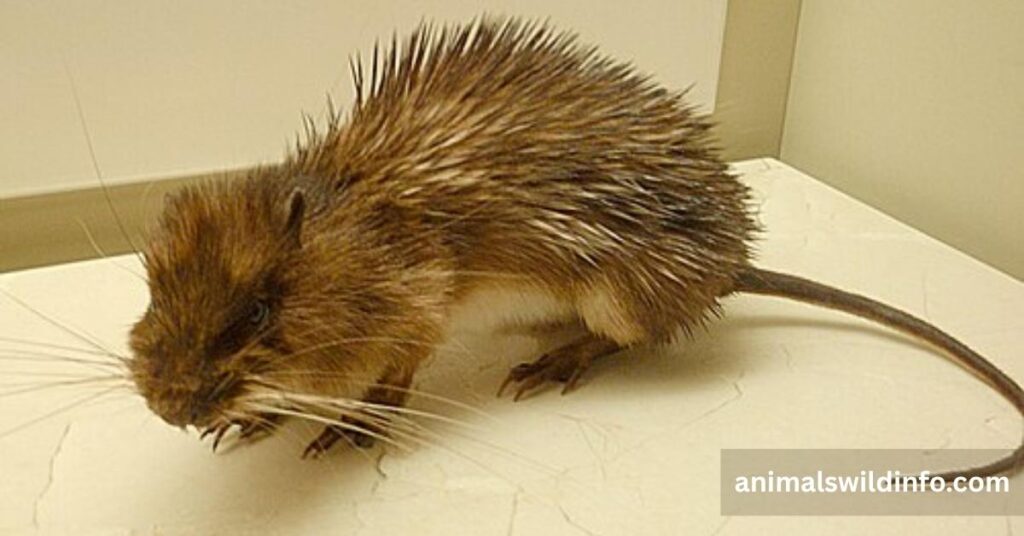
Central and South America hide a rodent that looks like it wandered out of a knight’s armory. The armored rat, sometimes called a spiny rat, has tough, scaly skin dotted with stiff bristles. It isn’t as sharp as a true porcupine quill, but it still discourages predators looking for an easy meal. When threatened, this rodent relies on quick reflexes rather than standing its ground.
Armored rats live in burrow systems shared by several family members. This communal setup offers extra eyes and ears against danger. Their diet includes fruit, seeds, and small insects, which they gather during nighttime foraging trips. Because they’re shy and rarely seen, armored rats remain one of the lesser-known rodents with quills-like features, even in their native range.
Stink Badger
Scientific Name: Mydaus javanensis Class: Mammalia
Forget spines. The stink badger protects itself with something far more unpleasant: a spray so strong it can clear a room, or a jungle clearing, in seconds. Found across Southeast Asia, this nocturnal mammal has short legs and a stocky, badger-like body. Predators that ignore the warning stripes on its back quickly regret it once the spray hits.
Despite the smell, stink badgers play a useful ecological role. They dig through soil while hunting insects, worms, and small vertebrates, which helps aerate the ground and control pest populations. Some stink badgers live in small family groups, sharing burrows and foraging territory. It’s proof that a defense mechanism doesn’t need to be sharp to be effective. Sometimes, smell alone gets the job done.
raccoon
Scientific Name: Procyon lotor Class: Mammalia
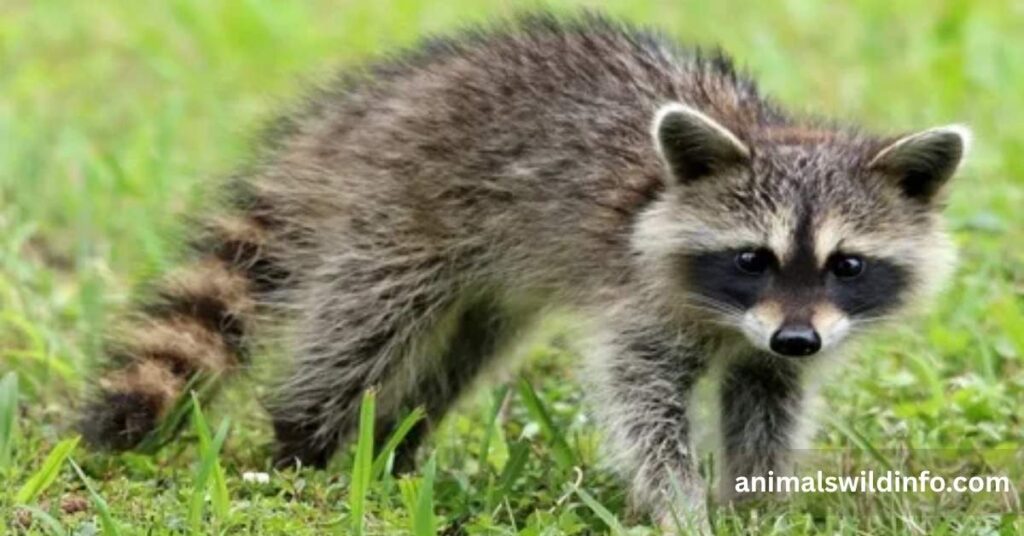
At first glance, the raccoon seems like an odd fit for this list. It has no spines, no armor, and no toxic spray. What it does have is brainpower. Raccoons are famous for solving puzzles, opening latches, and adapting to nearly any habitat, from forests to city alleyways. Their masked faces and ringed tails make them instantly recognizable across the United States.
Unlike the solitary porcupine, raccoons often forage in small family groups, especially mothers with their young. Their front paws work almost like hands, letting them investigate food and objects with surprising precision. This adaptability, paired with sharp night vision, makes the raccoon a master survivor. It represents a different kind of survival strategy: instead of armor, it relies on intelligence and flexibility to outsmart danger.
Opossum
Scientific Name: Didelphis virginiana Class: Mammalia
North America’s only marsupial has a defense trick that sounds almost too strange to be true. When cornered, the opossum collapses, drools, and emits a foul odor, mimicking a sick or dead animal. This isn’t a choice. It’s an involuntary response called thanatosis, and it often confuses predators long enough for the opossum to escape once the coast clears.
Opossums also do serious pest control work. A single opossum can eat thousands of ticks in one season, which helps reduce the spread of Lyme disease in local communities. Their naturally low body temperature makes them poor hosts for rabies, despite their reputation. As omnivore foragers, opossums eat insects, fruit, and small rodents, rounding out their role as one of nature’s quietest clean-up crews.
Sea Urchin
Scientific Name: Echinus esculentus Class: Echinoidea
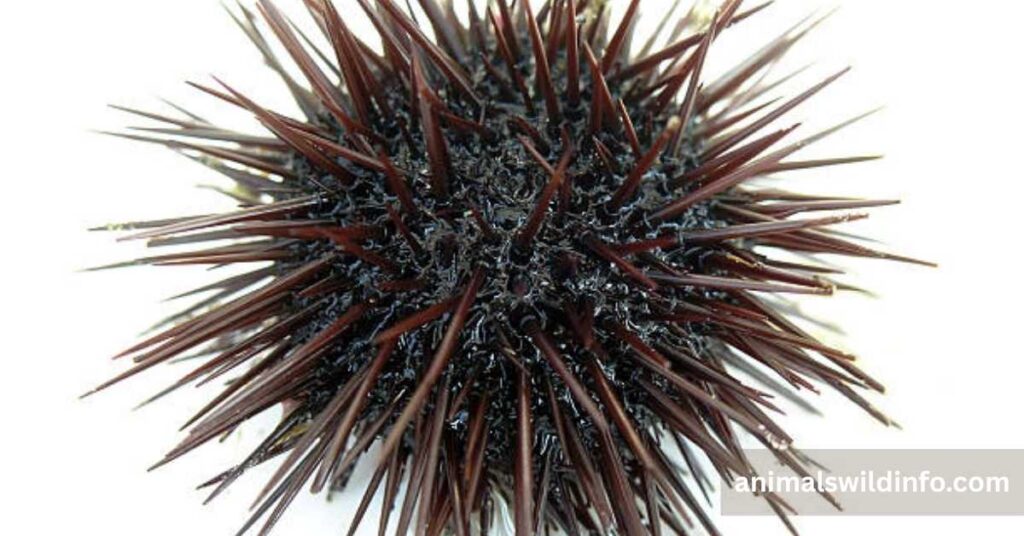
Step off dry land, and you’ll find one of the ocean’s spiniest residents. The sea urchin is a marine invertebrate covered in a hard shell studded with sharp spines. These spines protect it from fish and other predators while also helping it wedge into rocky crevices along the seafloor. Some species even carry mild venom in their spines, adding an extra layer of protection.
Sea urchins feed using a specialized mouth structure nicknamed “Aristotle’s lantern,” which scrapes algae off rocks and coral. This grazing habit helps control algae growth on reefs, keeping the ecosystem balanced. Found in oceans worldwide, from tide pools to deep reef systems, sea urchins prove that marine animals with spines can be just as fascinating as anything found on land.
Pufferfish
Class: Actinopterygii
The pufferfish takes a completely different approach to self-defense: it turns itself into a balloon. When threatened, it gulps water rapidly, swelling into a round, spiky shape that’s hard for most predators to swallow. Many species also carry tetrodotoxin, a toxin far more powerful than cyanide, hidden in their skin and organs. One wrong bite, and a predator learns its lesson fast.
Pufferfish are surprisingly good at detecting danger before it strikes. They sense subtle changes in water pressure and chemical signals, giving them a head start when a predator approaches. Found in warm coastal waters around the world, including parts of the southern United States, the pufferfish shows how inflation and toxin can replace quills entirely, while still landing it firmly on the list of animals with sharp spines.
Read More: Top 13 Animals Without Tails (With Pictures, Facts & Habitats)
Long-Spine Porcupinefish
Scientific Name: Diodon holocanthus Class: Actinopterygii
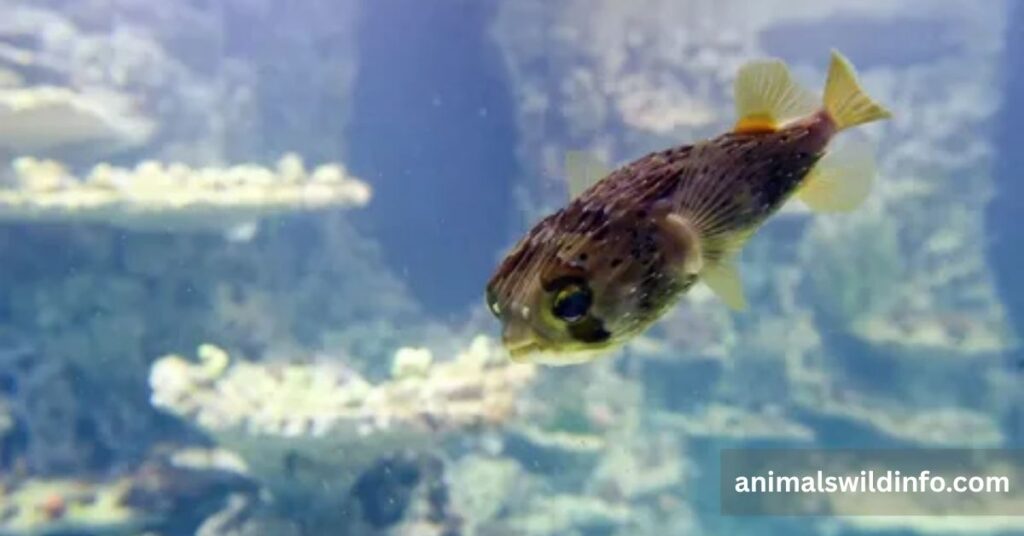
Don’t confuse this one with a regular pufferfish. The porcupinefish takes the inflation trick and adds real spines on top of it. When calm, its body looks fairly ordinary, with spines lying flat against its skin. Threatened, it swells into a spiky ball almost overnight, and those spines snap upright like tiny lances. Few predators want a mouthful of that.
Beyond defense, the long-spine porcupinefish is also a skilled hunter. It uses a strong, beak-like mouth to crack open snails, crabs, and other hard-shelled prey. Found in tropical reefs across the globe, this fish plays both predator and potential prey, depending on who’s swimming nearby. It’s one of the clearest examples of marine animals with spines mirroring their land-based namesake almost perfectly.
Armadillo
Scientific Name: Dasypus novemcinctus Class: Mammalia
Instead of quills, the armadillo wears something closer to a knight’s breastplate. Bony plates called scutes cover its back, forming natural armor that protects against bites and scratches. Some species, like the three-banded armadillo, can roll into a complete ball, sealing every soft part of their body inside a shell of bone.
Armadillos are also expert diggers. Their long claws let them tear into soil and rotting logs in search of insects, grubs, and larvae. This foraging habit helps control pest populations across the southern United States and Central America, where armadillos are common. While solitary by nature, some species show surprising maternal care, with mothers fiercely guarding their young. It’s another reminder that animals with body armor don’t need spines to survive, just the right kind of built-in protection.
Why Are These Animals Similar to Porcupines?
Nature rarely invents the same solution once. Instead, it invents it over and over, in completely unrelated species. This pattern is called convergent evolution, and it explains why animals have quills, spines, armor, or foul smells despite having no close family connection to a porcupine. A hedgehog and a porcupine share a similar spiky look, yet their last common ancestor lived tens of millions of years ago. Even the tenrec, half a world away in Madagascar, developed nearly identical spines through its own separate evolutionary path.
These defensive adaptations in animals almost always trace back to the same pressure: predator avoidance. Whether it’s a sea urchin bristling with spines or an opossum playing dead, each strategy buys precious seconds to escape. Beyond defense, many of these creatures also share ecological roles. They control insects, aerate soil, or graze algae, quietly supporting the ecosystem around them. That shared purpose, more than shared DNA, is what ties this strange, spiky family together.
How Are Porcupines Different From Other Spiny Animals?
True porcupines belong to the rodent family, and their quills are barbed, detachable, and built specifically to embed in an attacker’s skin. This sets them apart from hedgehog spines or echidna spikes, which stay firmly attached and never detach on contact. Depending on the species, porcupines fall into two major groups. The Old World porcupine lives across Africa, Europe, and Asia, and tends to have longer, thicker quills. The North American porcupine, along with species like the Indian crested porcupine and African brush-tailed porcupine, shows just how much variety exists within the porcupine family itself.
The difference between quills vs spikes matters more than most people realize. A porcupine’s quills can detach and stay lodged in a predator, delivering pain long after the encounter ends. A hedgehog’s spines, by contrast, stay put and only work through the animal’s ability to curl into a ball. Below is a simple breakdown showing how these spiny wildlife species stack up against one another.
| Animal | Defense Type | Detachable? | Habitat |
| Porcupine | Barbed quills | Yes | Forests, grasslands |
| Hedgehog | Fixed spines | No | Gardens, woodlands |
| Echidna | Fixed spines | No | Australian outback |
| Sea Urchin | Spines (some venomous) | No | Ocean floor |
| Armadillo | Bony armor | No | Grasslands, forests |
Final Thoughts
From the deserts of Australia to the coral reefs of the Pacific, spines and armor show up again and again as nature’s favorite defense trick. Each spiky animal on this list took a different evolutionary path to reach a similar result. Yet together, they highlight something bigger than individual survival. These creatures support pollination, pest control, soil health, and reef balance, making them essential threads in the wider fabric of biodiversity conservation. The next time you spot a hedgehog in a garden or a pufferfish photo online, you’ll know exactly why it looks the way it does.
FAQ’s
Hedgehogs, echidnas, and tenrecs come closest in appearance. All three carry stiff spines and share a similar rounded body shape, even though none of them are closely related to true porcupines.
The echidna stands out as the closest visual match. Its spines closely mirror porcupine quills, though the echidna lays eggs and belongs to a completely different mammal group called monotremes.
True barbed quills are fairly rare outside of porcupines themselves. Most lookalikes, including hedgehogs and echidnas, carry fixed spines instead, which stay attached rather than detaching like a porcupine’s quills.
Not really. Despite their similar looks, hedgehogs and porcupines sit far apart on the mammal family tree. Their shared spiky appearance comes from convergent evolution, not from any recent common ancestor.