Top 13 Animals Without Tails (With Pictures, Facts & Habitats)
Have you ever watched a gorilla swing through the trees and wondered where its tail went? You’re not alone. Most people assume every animal has one. That’s simply not true.
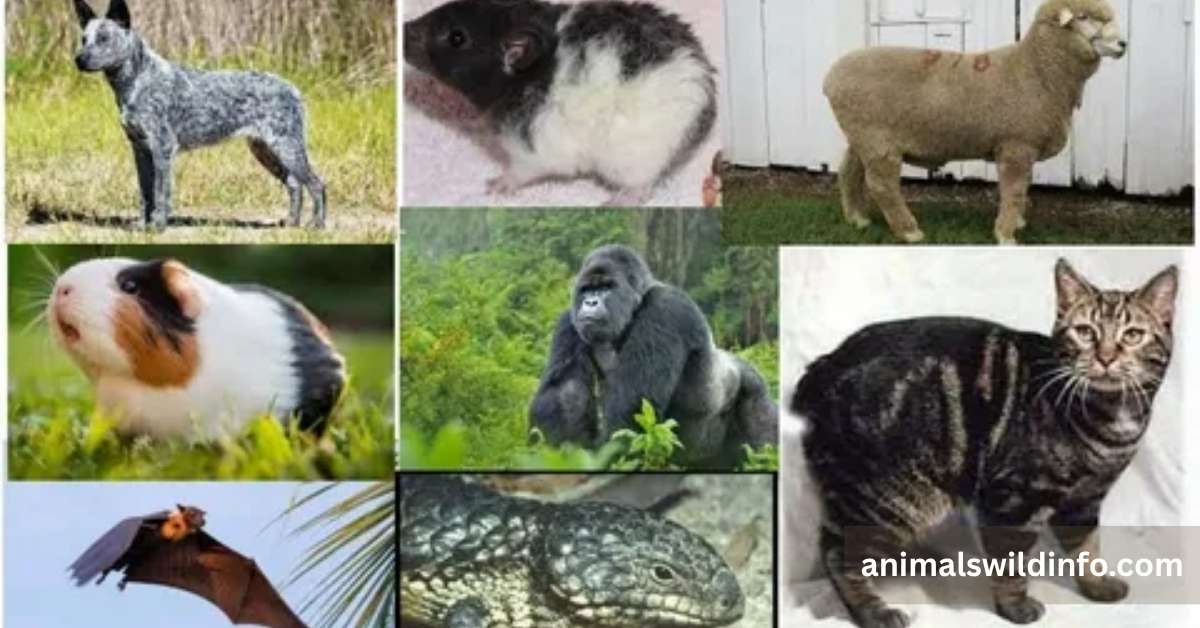
Animals without tails show up in surprising places. You’ll find them in rainforests, grasslands, wetlands, and even your own living room. This guide covers 13 fascinating tailless animals. You’ll learn why they lost their tails, how they balance without one, and where they call home.
From great apes to tiny frogs, animals with no tails prove that nature doesn’t follow one single rulebook. Let’s dive in.
What Are Animals Without Tails?
Animals without tails are species that live without a functional tail. Some never grow one at all. Others carry just a tiny stub, left over from millions of years of evolution.
Scientists call that leftover stub a vestigial tail. It’s a body part that no longer does its original job. Humans have one too, tucked at the base of the spine. We call it the coccyx, or tailbone. Many tailless mammals share this exact trait, hidden deep inside their skeleton.
Quick List of Animals Without Tails
Before we go deep into each animal, here’s a fast overview. This quick list covers every species without tails featured in this article.
| Number | Animal |
| 1 | Gorilla |
| 2 | Orangutan |
| 3 | Barbary Macaque |
| 4 | Manx Cat |
| 5 | Koala |
| 6 | Capybara |
| 7 | Guinea Pig |
| 8 | Frog |
| 9 | Toad |
| 10 | Wombat |
| 11 | Hedgehog |
| 12 | Gibbon |
| 13 | Chimpanzee |
Animals Without Tails Comparison Table
Want a fast snapshot before the full breakdown? This table lines up habitat, diet, and one standout fact for each animal on our list. It’s a handy reference if you’re short on time.
Read More: How Strong Are Kangaroos? 10 Amazing Facts About Their Power, Speed & Strength
Use it to compare wildlife without tails side by side. Then jump into the full profiles below for the deeper story behind each one.
| Animal | Scientific Name | Class | Habitat | Diet | Fun Fact |
| Gorilla | Gorilla gorilla | Mammalia | African rainforests | Herbivore | Knuckle-walks on strong arms |
| Orangutan | Pongo pygmaeus | Mammalia | Borneo & Sumatra rainforests | Omnivore | Spends most of its life in trees |
| Barbary Macaque | Macaca sylvanus | Mammalia | North Africa, Gibraltar | Omnivore | Only tailless monkey species |
| Manx Cat | Domestic breed | Mammalia | Isle of Man origin, worldwide homes | Carnivore | Born tailless from a genetic mutation |
| Koala | Phascolarctos cinereus | Mammalia | Australian eucalyptus forests | Herbivore | Sleeps up to 20 hours a day |
| Capybara | Hydrochoerus hydrochaeris | Mammalia | South American wetlands | Herbivore | World’s largest rodent |
| Guinea Pig | Cavia porcellus | Mammalia | Andes grasslands (originally) | Herbivore | Domesticated over 3,000 years ago |
| Frog | Order Anura | Amphibia | Wetlands worldwide | Carnivore | Loses its tail during metamorphosis |
| Toad | Order Anura | Amphibia | Grasslands and gardens | Carnivore | Has drier, bumpier skin than frogs |
| Wombat | Vombatus ursinus | Mammalia | Australian grasslands | Herbivore | Produces cube-shaped droppings |
| Hedgehog | Erinaceus europaeus | Mammalia | European gardens and hedgerows | Omnivore | Rolls into a spiky ball for defense |
| Gibbon | Family Hylobatidae | Mammalia | Southeast Asian rainforests | Omnivore | Fastest tree-swinging primate alive |
| Chimpanzee | Pan troglodytes | Mammalia | African rainforests and savannas | Omnivore | Shares 98% of human DNA |
Detailed Look at Animals Without Tails
Now let’s get into the details. Each animal below gets its own profile, packed with habitat facts, body structure, and behavior notes.
Gorilla
Scientific Name: Gorilla gorilla Class: Mammalia
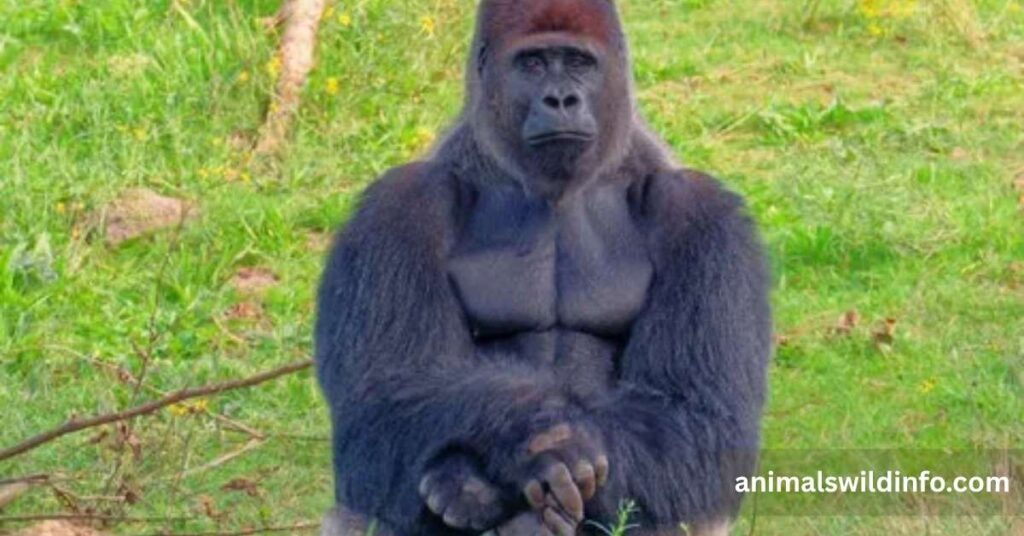
The gorilla is one of the largest great apes on Earth, and it carries zero tail. Instead of balancing with a tail, this animal relies on thick, powerful limbs and a low center of gravity. Gorillas use knuckle-walking to move across the forest floor, resting their weight on their front knuckles instead of their palms. This animal locomotion style works well for their heavy build. Living in tight family groups, gorillas rely on body language and deep grunts to communicate. Their strength and social bonds make up for the lack of a tail entirely.
Orangutan
Scientific Name: Pongo pygmaeus Class: Mammalia
Orangutans spend nearly their whole lives in the rainforest canopy of Borneo and Sumatra. Without a tail for balance, they depend on long, flexible arms and a strong grip to move through the trees. This makes them one of the best arboreal mammals around. Orangutans are mostly solitary, unlike many other primates, and they build a fresh sleeping nest almost every single night. Their intelligence rivals that of chimpanzees, and their patient, deliberate movements show just how well animal adaptations can replace a missing tail.
Barbary Macaque
Scientific Name: Macaca sylvanus Class: Mammalia
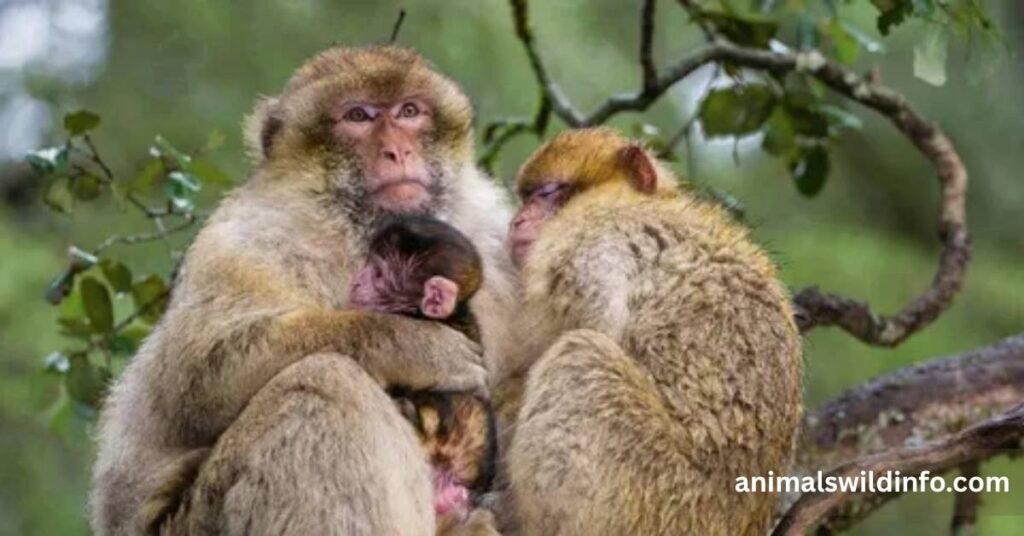
Here’s a fun twist: the Barbary macaque is the only monkey species without a tail. Found in the Atlas Mountains of North Africa and famously in Gibraltar, this primate thrives in rocky, cold terrain. Its short, sturdy limbs help it climb and leap across uneven ground with ease. Barbary macaques live in complex troops, and grooming plays a huge role in their social behavior. This taillessness sets it apart from nearly every other monkey species, making it a favorite subject for researchers studying tail loss in animals.
Manx Cat
Class: Mammalia (domestic breed)
The Manx cat owes its missing tail to a natural genetic mutation, first recorded on the Isle of Man. Unlike wild animals that evolved without tails over generations, the Manx cat was born tailless through a single dominant gene. This gene affects the whole spine, so some Manx cats have no tail at all, while others have just a short stub. Despite the missing tail, these cats jump, climb, and balance just fine. Owners often describe them as playful, loyal, and surprisingly dog-like in personality.
Read More: Top 20 Shy Animals in the World (With Pictures & Fascinating Facts)
Koala
Scientific Name: Phascolarctos cinereus Class: Mammalia
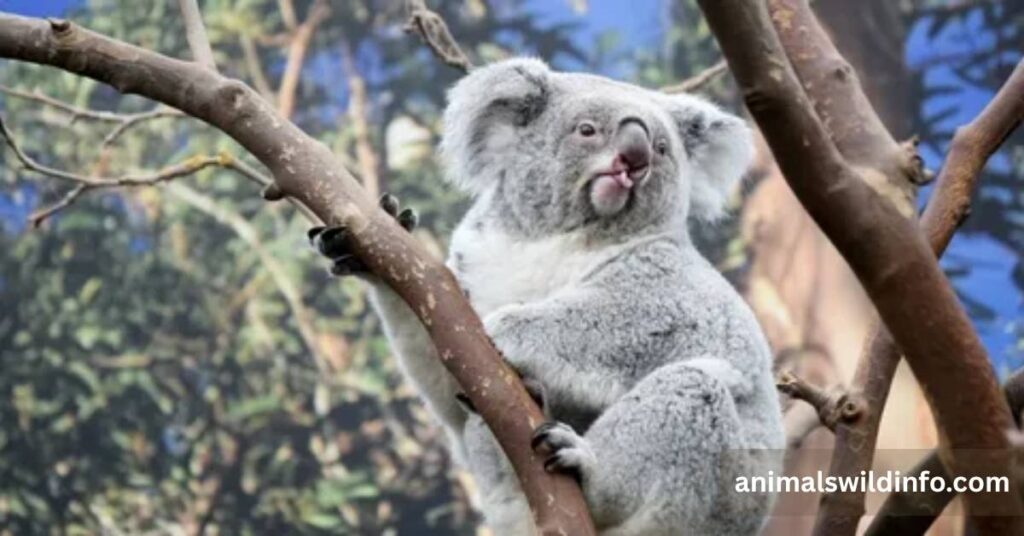
The koala is one of the most recognizable marsupials without a tail. It does have a tiny vestigial tail, but it’s so small it serves no real purpose. Koalas spend most of their day sleeping in eucalyptus trees, and their strong claws and grippy paws keep them steady on branches. Instead of tail-based balance, koalas use their body posture and gripping limbs to stay put for hours. Native to Australia, they rely almost entirely on eucalyptus leaves for food and hydration.
Capybara
Scientific Name: Hydrochoerus hydrochaeris Class: Mammalia
As the largest rodent on the planet, the capybara is a true wetland specialist. It lives across South America, often near rivers, ponds, and marshes. Its webbed feet make it an excellent swimmer, letting it escape predators by diving underwater. Capybaras are deeply social animals, living in groups of ten to twenty. Without a tail, they rely on strong limbs and a stocky, stable body shape to move confidently on both land and water.
Guinea Pig
Scientific Name: Cavia porcellus Class: Mammalia
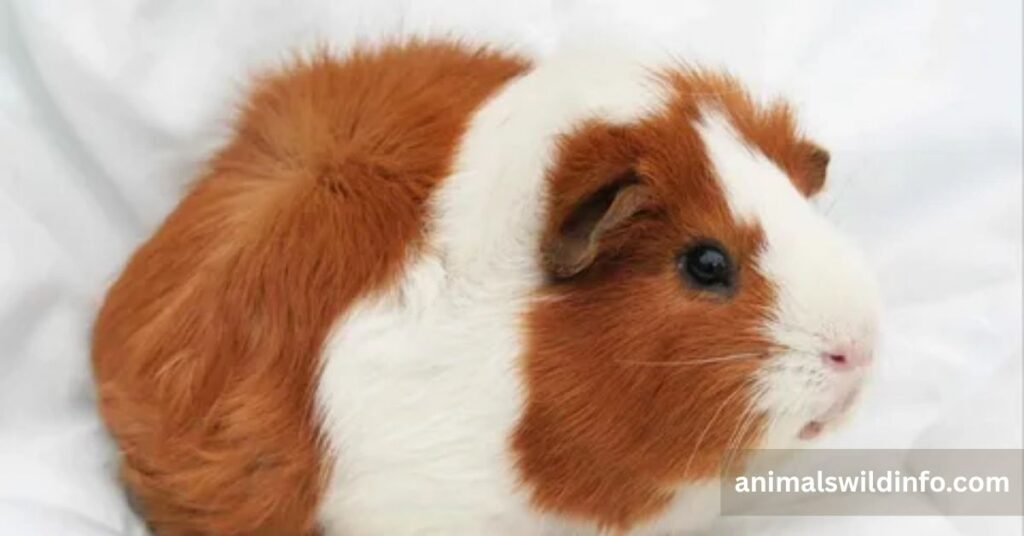
Guinea pigs are gentle, tailless rodents that humans domesticated thousands of years ago in the Andes region. Their compact, low bodies give them natural balance without needing a tail at all. These animals are highly social, and they communicate through a wide range of squeaks, purrs, and whistles. Guinea pigs also burrow instinctively, a survival trait passed down from wild ancestors. Their calm nature and strong social bonds make them one of the most popular tailless pets worldwide.
Frog
Class: Amphibia
Frogs are classic examples of animals that lost their tails during development rather than through long-term evolution. As tadpoles, frogs actually have tails for swimming. Once they undergo metamorphosis into adults, the tail disappears through natural reabsorption. Adult frogs rely on powerful hind legs instead, using explosive jumps to escape predators and cross wetlands. This shift from tailed swimmer to tailless leaper is one of the most dramatic body transformations in the animal kingdom.
Toad
Class: Amphibia
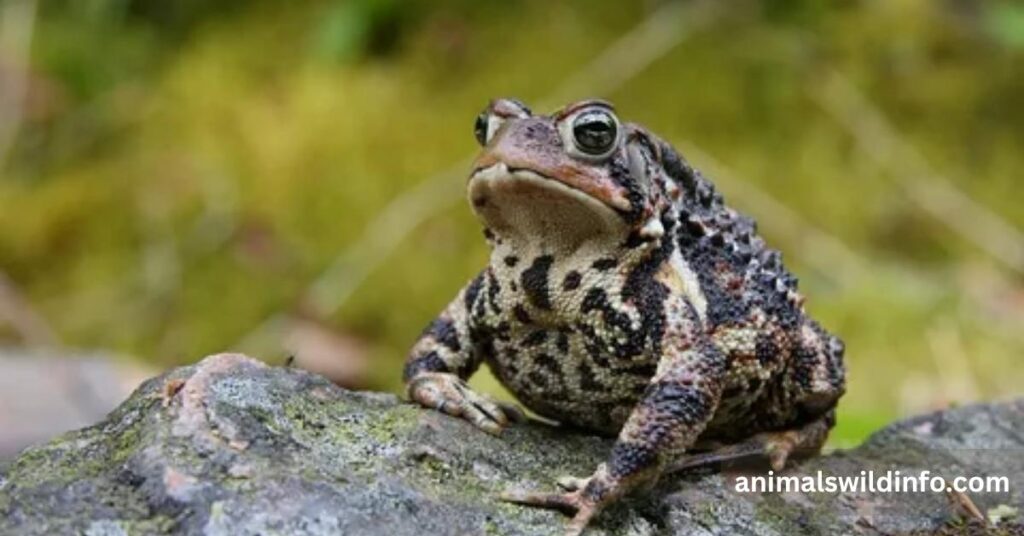
Toads follow the same tail-loss pattern as frogs, shedding their tadpole tails during metamorphosis. However, toads have drier, bumpier skin and prefer land over water once they mature. You’ll often spot toads in gardens, grasslands, and even suburban backyards. Their tailless, squat body shape helps them hop short distances and burrow into soil when threatened. Toads also produce a mild toxin through their skin, offering protection now that a tail no longer plays defensive backup.
Wombat
Scientific Name: Vombatus ursinus Class: Mammalia
The wombat is a stocky, burrowing marsupial found across Australian grasslands. Its tail is so short and hidden that it’s barely visible under thick fur. Wombats dig extensive underground tunnel systems, and their sturdy legs and broad, flat rear help protect them from predators when retreating into burrows. One bizarre fact: wombats are the only animals known to produce cube-shaped droppings, a trait linked to their unique digestive tract. Their thick build more than makes up for the missing tail.
Hedgehog
Scientific Name: Erinaceus europaeus Class: Mammalia
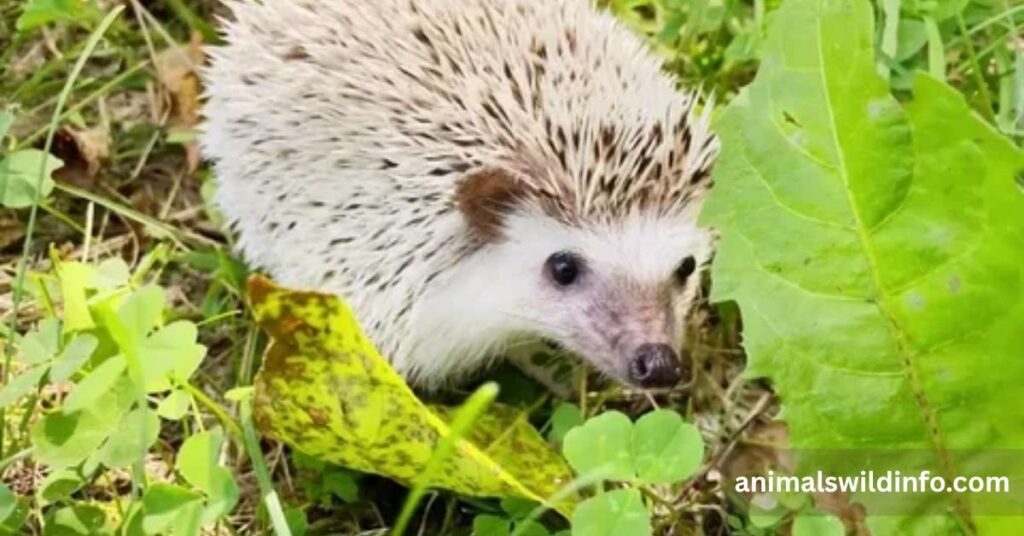
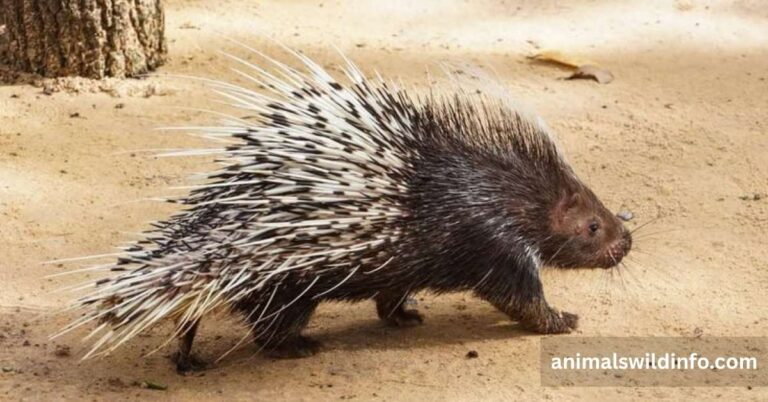
Hedgehogs carry only a tiny, barely-there tail, hidden beneath a coat of sharp spines. Native to Europe, these nocturnal mammals forage through gardens and hedgerows at night, hunting insects, worms, and small creatures. When threatened, a hedgehog rolls into a tight ball, using its spines as its main defense instead of any tail-based trick. This survival adaptation works so well that hedgehogs rarely need speed or agility to stay safe from predators.
Gibbon
Family: Hylobatidae Class: Mammalia
Gibbons are often called the acrobats of the rainforest canopy, and for good reason. These small primates move through trees using a swinging motion called brachiation, covering long distances using only their arms. Without a tail for balance, gibbons rely on incredibly long limbs and flexible shoulder joints. Found across Southeast Asia, gibbons form monogamous pairs and use loud, echoing calls to mark territory. Their speed through the treetops rivals almost any other arboreal mammal alive today.
Read More: Are There Badgers in Maine? 14 Facts, Habitat, Sightings & Interesting Information
Chimpanzee
Scientific Name: Pan troglodytes Class: Mammalia
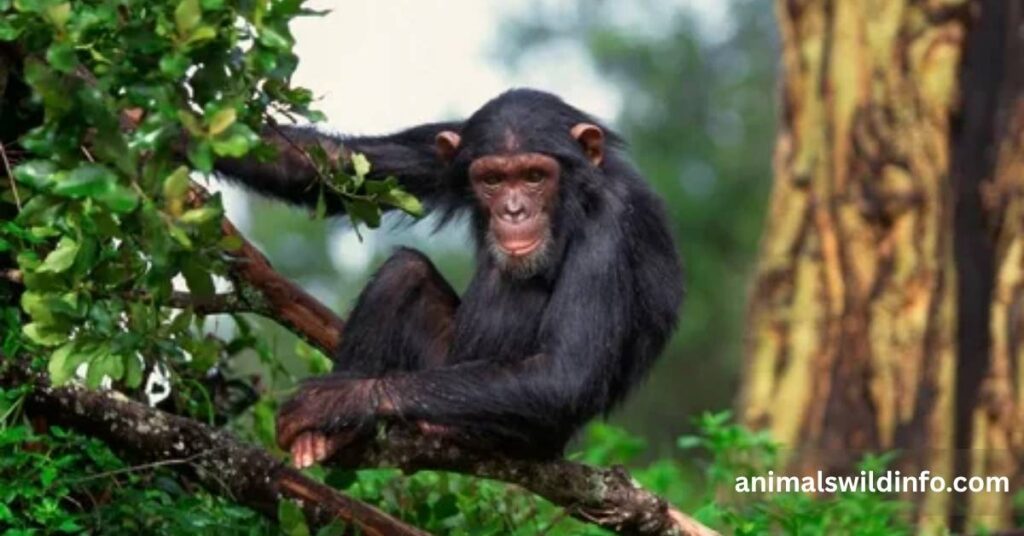
Chimpanzees, our closest living relatives, share nearly 98% of human DNA and, like us, they have no tail. Living across African rainforests and savannas, chimps use tools, solve problems, and build complex social hierarchies within their communities. Their strong arms and legs allow both tree climbing and ground walking. Chimpanzee troops rely heavily on animal communication, using facial expressions, gestures, and vocal calls to bond and resolve conflict, much like the other great apes on this list.
Why Do Some Animals Have No Tails?
Why do some animals have no tails? The answer usually comes down to natural selection. If a tail doesn’t help an animal survive or reproduce, evolution slowly phases it out over many generations. This explains why apes have no tails while their monkey cousins still swing one around.
Different species followed different paths toward tail reduction in animals. Apes evolved sturdier limbs for tree movement instead of a balancing tail. Frogs and toads lose theirs entirely during tail loss in animals through metamorphosis. Each case shows how tail evolution bends toward whatever helps a species survive best in its specific environment.
How Do Tailless Animals Maintain Their Balance?
You might wonder how do animals without tails balance without falling over constantly. The secret lies in strong limbs, flexible joints, and smart body posture. Great apes, for example, use long arms and a wide grip to stay steady while climbing.
Ground-dwelling species take a different approach entirely. Capybaras and guinea pigs stay low to the ground, giving them a stable, hard-to-tip frame. Hedgehogs and wombats rely on compact, sturdy bodies rather than height or reach. Across the board, animal balance comes down to body shape, limb strength, and how an animal actually moves through its world.
Where Do Animals Without Tails Live?
Tailless animals live on nearly every continent, adapting to wildly different environments. Great apes like gorillas, orangutans, and chimpanzees stick to dense African and Southeast Asian rainforests. Meanwhile, Africa, South America, and Australia each host their own unique tailless species, from Barbary macaques to wombats and capybaras.
Some tailless animals even live right in your home. The Manx cat and guinea pig both started as wild or semi-wild species before becoming beloved pets. Wetlands support frogs and toads, while grasslands host wombats and hedgehogs. This spread across habitats shows just how adaptable wildlife adaptations can be, regardless of climate or terrain.
Are Animals Without Tails Born That Way?
It depends entirely on the species. Great apes, Barbary macaques, and Manx cats are all born without a full tail. Their taillessness comes from either long-term evolution or, in the Manx cat’s case, a single genetic mutation passed down at birth.
Frogs and toads work differently. They’re actually born with tails as tadpoles, then lose them naturally during metamorphosis into adults. So while some animals born without tails never had one to begin with, others develop and then shed theirs entirely. Both paths lead to the same tailless result, just through very different biological journeys.
Fun Facts About Animals Without Tails
Here’s something you probably didn’t know: wombats produce cube-shaped droppings, a trait scientists still study closely today. Their intestines shape waste into cubes so it won’t roll away on sloped ground, marking territory more effectively.
Another surprising fact involves the Manx cat, which comes in a full spectrum of tail lengths depending on its genes. Some are completely tailless, called “rumpies,” while others carry a small stub known as a “stumpy.” Meanwhile, gibbons can swing through trees faster than most animals can run on the ground, making them some of the quickest arboreal mammals in the entire animal kingdom.
Final Thoughts
Animals without tails remind us that evolution doesn’t follow just one formula. Whether it’s a gorilla’s powerful arms, a frog’s leaping hind legs, or a wombat’s sturdy burrow-ready build, every tailless species found its own way to thrive without this common body part.
Studying these animals gives us a deeper appreciation for biodiversity and the countless ways life adapts to survive. From dense rainforests to backyard gardens, tailless creatures prove that nature always finds a workaround. Next time you spot one, you’ll know exactly why it doesn’t need a tail at all.
FAQ’s
Several animals lack tails, but the Manx cat stands out as one of the most famous examples. Its taillessness comes from a natural genetic mutation, giving it a rounded, tail-free rear end.
If you’re asking which animals don’t have tails, the list includes gorillas, orangutans, chimpanzees, gibbons, koalas, wombats, and guinea pigs, among others. Each one adapted differently, whether through evolution or genetics.
Yes, plenty of animals live without tails entirely. Great apes, Manx cats, and adult frogs and toads are common examples of animals lacking tails in the wild and at home.
Yes, giraffes actually have quite long tails, often ending in a tufted, brush-like tip. Unlike the animals on this list, giraffes rely on their tail to swat away insects and pests.