Are There Badgers in Maine? 14 Facts, Habitat, Sightings & Interesting Information
Have you ever spotted a strange, low animal digging near a field in Maine and wondered what it was? Maybe a neighbor swore they saw a Maine badger crossing a back road at dusk. Stories like this pop up every year, and they always spark the same question.
Are there really badgers in Maine, or is this just a case of mistaken identity? This article digs into the truth behind badger sightings in Maine, and it covers everything from habitat and diet to size, behavior, and reproduction. By the end, you’ll know exactly what to look for, and you’ll understand why this animal is such a rare sight in the Pine Tree State.
Are There Badgers in Maine?
The short answer is no. Badgers aren’t native to Maine, and no confirmed breeding population exists in the state. The American badger (Taxidea taxus) mostly sticks to the open plains and prairies of the central and western United States, far from Maine’s dense forests and rocky coastline.
That said, unconfirmed reports do surface now and then, usually from folks who spot a groundhog or fisher and assume it’s something more exotic. Wildlife officials in Maine haven’t verified a wild badger population, so most badger sightings in Maine likely involve a case of mistaken identity rather than an actual American badger in Maine.
Read More: Top 20 Animals Like Foxes (With Pictures & Fascinating Facts)
Badgers in Maine at a Glance
Before diving deeper, here’s a quick snapshot of what an American badger looks like and how it lives, even though it isn’t a true resident of Maine.
| Feature | Details |
| Scientific Name | Taxidea taxus |
| Class | Mammalia |
| Diet | Carnivorous, occasionally omnivorous |
| Average Size | 24 to 30 inches long |
| Average Weight | 15 to 30 pounds |
| Lifespan | 4 to 6 years wild, up to 14 in captivity |
| Habitat | Open grasslands, prairies, loose sandy soil |
| Status in Maine | Not established, rare or unconfirmed sightings only |
This table gives you a fast overview, and it sets the stage for a closer look at each part of the badger’s life below.
Habitat of Badgers in Maine
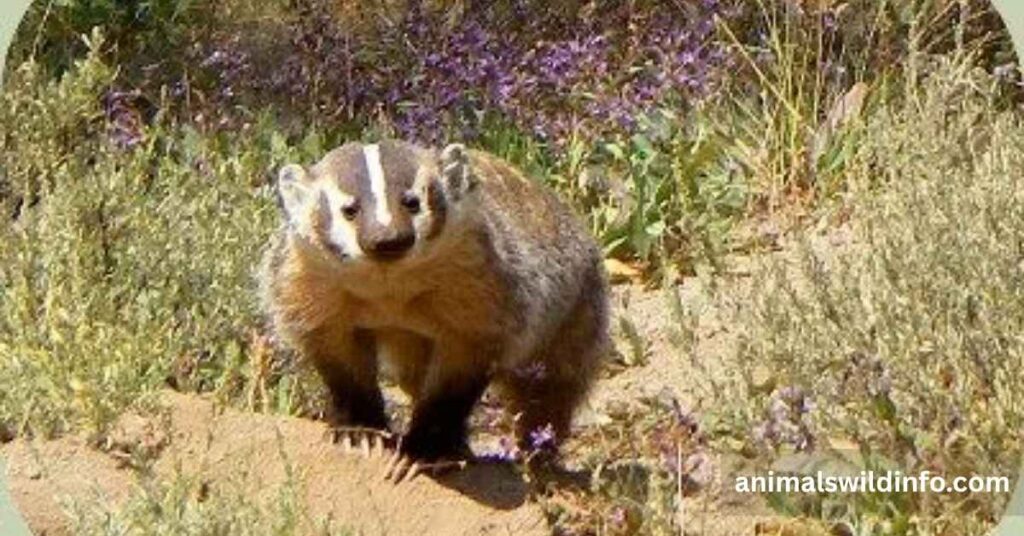
Badgers thrive in wide open grasslands and dry agricultural fields, places with loose sandy soil that’s easy to dig through. They also favor woodland edges, where forest meets field and small prey animals tend to gather. This kind of terrain gives them everything they need, from soft ground for burrowing to plenty of hunting territory nearby.
Maine’s landscape doesn’t match that description very well. The state is covered mostly in thick Maine forests, rocky soil, and wet lowlands, none of which suit a badger’s digging lifestyle. While isolated patches of farmland might offer a tempting stopover, Maine simply lacks the wide-open Maine grasslands that badgers need to settle down long-term.
What Do Badgers Eat in Maine?
If badgers did live in Maine, their badger diet would look pretty familiar to anyone who knows the animal’s habits elsewhere. These are skilled hunters that go after small mammals like ground squirrels, voles, mice, and rabbits. Their strong sense of smell helps them track prey even underground, and they’ll dig straight through a burrow to catch a meal.
Badgers don’t stop at meat, though. They’re an opportunistic predator, which means they’ll happily snack on insects and earthworms when small mammals are scarce. This flexible eating style helps them survive in a wide range of environments, and it’s one reason wildlife experts consider badgers such adaptable carnivorous mammals, even leaning omnivorous mammals on occasion.
Physical Characteristics of American Badgers
Badgers have a distinct look that sets them apart from most other mammals of Maine, or any state, for that matter. Their body shape, thick fur, and sharp features all work together to support a life built around digging and hunting.
Body Size
An adult American badger usually measures between 24 and 30 inches from nose to tail. That’s roughly the size of a medium dog, though their body shape is much flatter and wider. This low, stocky build helps them squeeze into tight burrows without much trouble.
Weight
Most badgers weigh somewhere between 15 and 30 pounds, depending on age, sex, and how much food is available. Males typically run a bit heavier than females. Despite their size, they’re incredibly strong for their badger weight class, especially when it comes to digging through packed earth.
Read More: How Strong Are Kangaroos? 10 Amazing Facts About Their Power, Speed & Strength
Fur Colour
Badger fur ranges from thick gray fur to shades of brown and sandy tan, and this coloring helps them blend into dry, open terrain. The exact shade often depends on the surrounding landscape, so badgers in rocky areas may look darker than those in open fields. This natural camouflage keeps them hidden from both predators and prey.
Powerful Claws
Few animals can dig like a badger can. Their front paws carry long, curved claws built for tearing through soil fast, and their powerful forelimbs give them the muscle to back it up. A badger can disappear into the ground in under a minute if it feels threatened, which is a handy trick when danger shows up.
Sharp Teeth
Badgers have sharp, pointed teeth designed for gripping and tearing prey. This dental setup fits perfectly with their hunting style, since they often catch small mammals underground where there’s no room for a long chase. One quick bite usually ends the hunt.
Distinctive Facial Markings
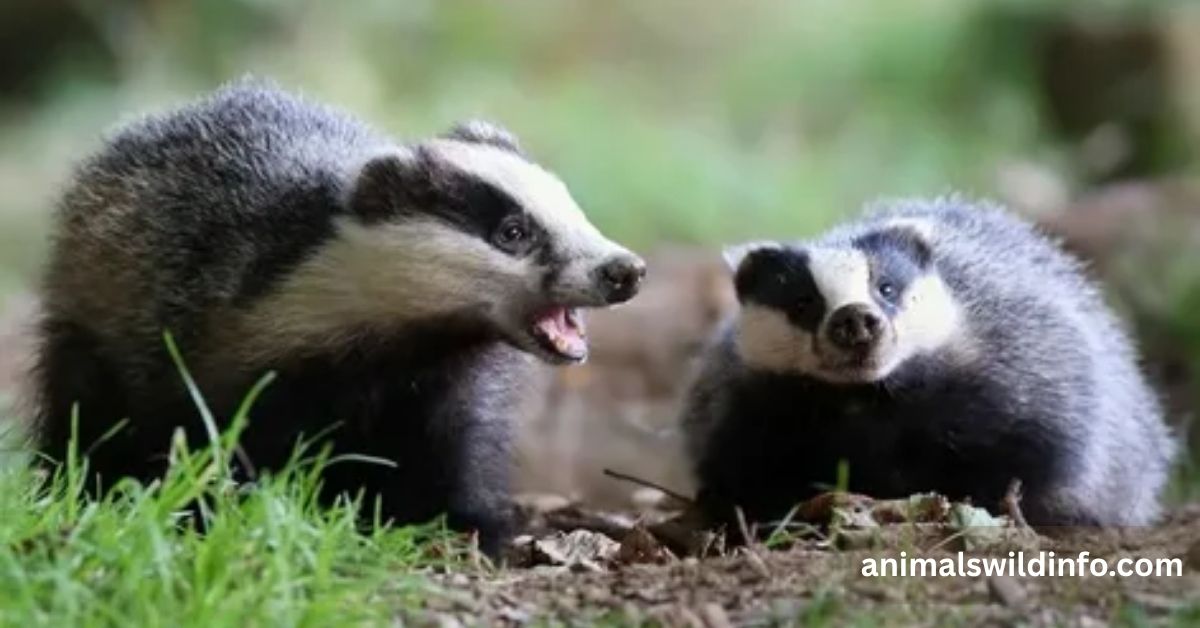
A badger’s face is one of its most recognizable features. Bold facial stripes run down the head, creating a striking black and white face pattern that almost looks painted on. Scientists believe these markings may help badgers signal to other badgers, or possibly startle a predator during a tense standoff.
Lifespan
In the wild, badgers typically live around 4 to 6 years, since predators, disease, and harsh winters all take a toll. Under protected conditions, though, some badgers have lived up to 14 years. That’s a huge difference, and it shows just how much environment affects a wild animal’s badger lifespan.
Behaviour and Hunting Habits
Badgers are mostly solitary mammals, and they prefer to hunt and live alone rather than in groups. They’re also nocturnal mammals by nature, though they’ll sometimes forage during the day if conditions are right. Their hunting behavior relies heavily on smell and digging speed rather than a long chase.
One of the more surprising facts about badgers involves teamwork. Badgers occasionally hunt alongside coyotes, with each animal covering a different angle of attack. The coyote chases prey across open ground, while the badger digs it out if it dives underground. This odd but effective partnership is a great example of a natural predator-prey relationship working in an animal’s favor, even when the “predator” gets a little help.
Reproduction and Life Cycle
Badgers typically breed in late winter or early spring, and the process of badger reproduction follows a fairly consistent pattern across the species. After mating, the gestation period runs about six to eight weeks before the female gives birth. Litters usually include two to five kits, each weighing just a few ounces at birth.
Mother badgers stay close to their young, teaching them how to dig, hunt, and stay alert to danger. This nurturing period can last several months, and it plays a huge role in a kit’s chances of survival once it strikes out on its own. Badgers don’t form long-term family units past this stage, since both mother and offspring return to a solitary lifestyle once the kits mature.
Where Can You Find Badgers in Maine?
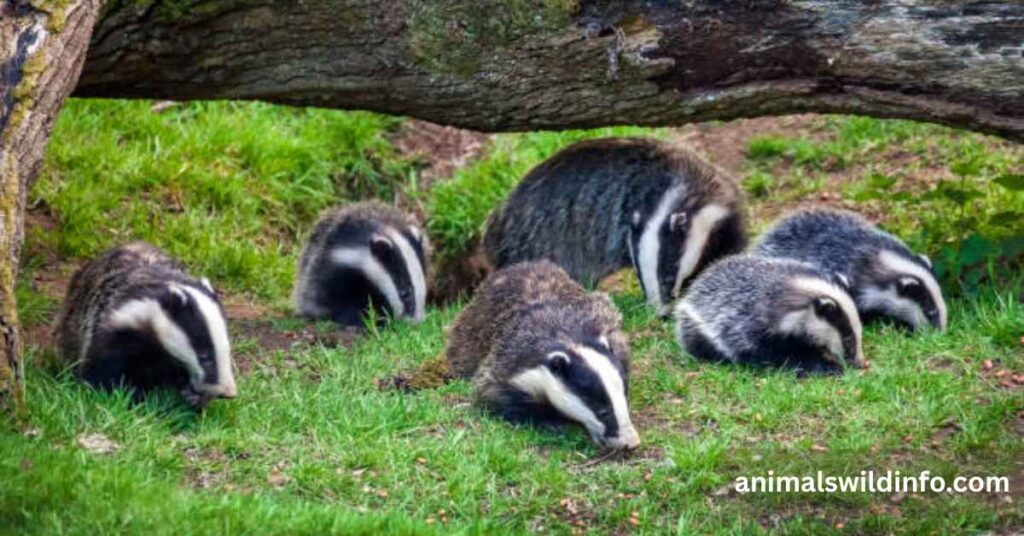
Given everything discussed so far, the honest answer is that you’re unlikely to find a wild badger anywhere in Maine. The American badger range covers the Midwest and western United States, stretching from the Great Plains into parts of California and the Pacific Northwest. Maine sits far outside that natural boundary.
If you’re hoping to see one in person, states like Iowa, Nebraska, and parts of California offer a much better shot. Maine’s native wildlife includes plenty of fascinating wild animals in Maine, but the badger simply isn’t one of the regulars, no matter how many rumors circulate each season.
Predators of American Badgers
Even a tough digger like the badger has enemies. Coyotes and wolves sometimes target young or injured badgers, and mountain lions pose a threat in regions where their ranges overlap. Birds of prey occasionally snatch unprotected kits before they’re old enough to defend themselves.
Humans present another danger, mostly through vehicle collisions and habitat loss from farming and construction. As open grasslands shrink across the country, badgers lose more of the terrain they depend on for both food and shelter. This ongoing habitat pressure plays a bigger role in badger survival than most people realize.
Badger vs Groundhog: What’s the Difference?
Since badgers and groundhogs get confused so often, especially in states like Maine where badgers rarely show up, it helps to compare the two side by side.
| Feature | Badger | Groundhog |
| Size | 24 to 30 inches | 16 to 26 inches |
| Diet | Carnivorous, some insects | Mostly herbivorous |
| Face | Bold black and white stripes | Plain brown face |
| Claws | Long, built for fast digging | Shorter, less aggressive digger |
| Habitat | Open grasslands, prairies | Fields, meadows, woodland edges |
| Common in Maine | No | Yes |
Groundhogs are common across Maine, and they’re the most likely culprit behind a supposed badger sighting. Their stocky brown bodies and burrowing habits look similar at a glance, but a badger’s face markings and sharper build set it apart once you know what to look for.
Are Badgers Dangerous to Humans and Pets?
Badgers aren’t aggressive by nature, and they’d much rather retreat underground than pick a fight. Most encounters end with the badger fleeing into a burrow long before a person even gets close. Still, a cornered badger can become defensive, using its claws and teeth if it feels trapped.
Pets face a slightly higher risk, especially dogs that chase wildlife into a burrow entrance. A startled badger might scratch or bite in self-defense, so it’s smart to keep pets leashed in open rural areas. Simple caution goes a long way toward avoiding any unpleasant surprise.
Why Badgers Are Important to the Ecosystem
Badgers play a bigger role in nature than most people give them credit for. Their constant digging supports soil aeration, which helps water and nutrients reach plant roots more easily. This process supports biodiversity in the surrounding landscape, benefiting far more than just the badger itself.
They also help control rodent populations, keeping the food chain balanced in areas where they live. Fewer rodents mean less crop damage and a healthier natural ecosystem overall. This makes badgers a quiet but valuable partner in ecosystem balance, even in places where they’re rarely seen.
Are Badgers Protected in Maine?
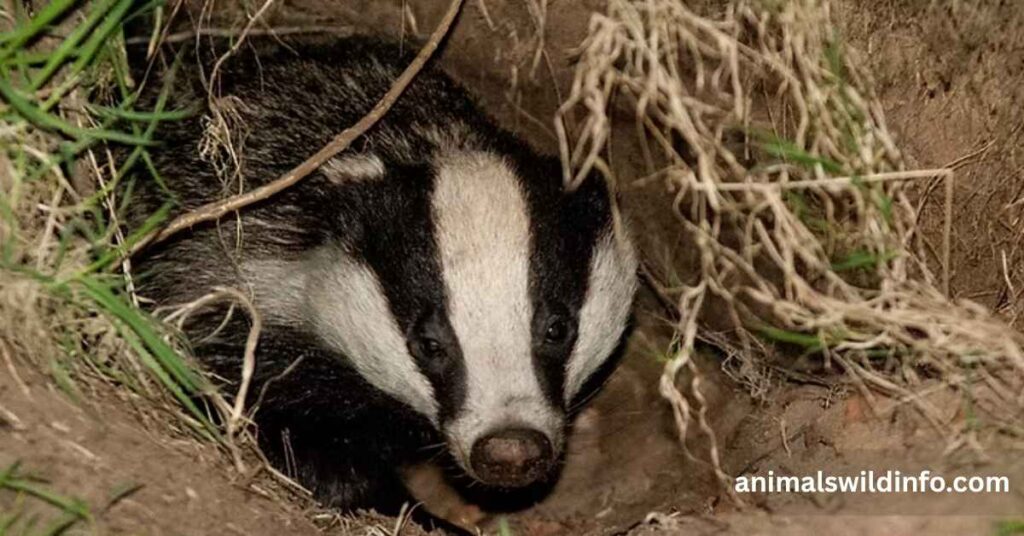
Since badgers aren’t an established species in Maine, the state doesn’t list them under specific local wildlife protections. Maine’s wildlife conservation rules instead focus on species that actually reside within its borders, like black bears, moose, and various birds of prey.
If a badger somehow did wander into Maine, it would still fall under general wildlife protection laws that prevent unnecessary harm to wild animals. Anyone who spots one should contact Maine’s Department of Inland Fisheries and Wildlife rather than approach or attempt to handle the animal directly.
Read More: Top 20 Shy Animals in the World (With Pictures & Fascinating Facts)
Interesting Facts About Badgers in Maine
Even without a permanent population, badgers offer plenty of fascinating trivia worth sharing. A single badger can dig a burrow several feet deep in under an hour, which shows just how powerful those front claws really are. Their underground tunnels can stretch for many feet, complete with multiple entrances and sleeping chambers.
Badgers also hold a place in folklore across various cultures, often symbolizing persistence and resourcefulness. Their odd partnership with coyotes remains one of the more unusual examples of animal behavior in the wild, and it continues to intrigue researchers studying wildlife observation and cooperative hunting across species.
Final Thoughts
So, are there badgers in Maine? Based on everything covered here, the answer leans firmly toward no, at least when it comes to an established, breeding population. Maine’s dense forests and rocky terrain simply don’t match the open, sandy landscapes badgers need to thrive. Most sightings likely trace back to groundhogs or other mammals found in Maine rather than a true North American badger.
Still, Maine’s wildlife scene offers plenty to appreciate, from moose roaming the backwoods to fishers slipping through the trees. Understanding what does and doesn’t belong in a region helps build a stronger appreciation for Maine nature as a whole, badger or no badger.
FAQ’s
American badgers generally avoid conflict and prefer running from danger over fighting it. They can defend themselves with sharp claws and teeth if cornered, but unprovoked attacks on humans are extremely rare.
Iowa and other Midwest states report some of the highest badger populations in the country. Their open plains and farmland provide ideal digging conditions and abundant prey.
Maine is home to black bears, coyotes, and bobcats as its main large predators. These animals occupy the forests and rural areas throughout the state.
Coyotes and wolves rank among the badger’s biggest natural threats, especially toward younger or weaker individuals. Humans also pose a major risk through vehicle strikes and habitat loss.