Top 20 Shy Animals in the World (With Pictures & Fascinating Facts)
Some animals want nothing to do with the spotlight. They hide, they freeze, they vanish into the trees before you even blink. This article looks at the most Shy Animals in the World on Earth and what makes them tick. You’ll meet timid animal species from snowy mountains to steamy rainforests. Some are famous. Others you’ve probably never heard of. All of them share one thing: a deep instinct to stay out of sight.
By the end, you’ll understand animal behavior a little better. You’ll also see why wildlife conservation matters more than ever for these quiet creatures.
Quick Table of the Top 20 Most Shy Animals
Here’s a fast look at our full shy animals list. Use this table to jump to whichever animal catches your eye.
| Animal | Habitat | Shy Trait | |
| 1 | Snow Leopard | Central Asian mountains | Solitary, avoids all contact |
| 2 | Okapi | Congo rainforest | Rarely seen, silent movement |
| 3 | Red Panda | Himalayan forests | Hides in trees, avoids humans |
| 4 | Pangolin | Africa and Asia | Curls into a ball when scared |
| 5 | Saola | Vietnam and Laos | Almost never photographed |
| 6 | Aardvark | Sub-Saharan Africa | Nocturnal, burrows alone |
| 7 | Giant Anteater | Central and South America | Avoids confrontation |
| 8 | Koala | Australian eucalyptus forests | Sleeps most of the day |
| 9 | Quokka | Rottnest Island | Nocturnal, cautious |
| 10 | Slow Loris | Southeast Asia | Moves in total silence |
| 11 | Tarsier | Southeast Asian islands | Freezes at the smallest sound |
| 12 | Kakapo | New Zealand | Flightless, hides by day |
| 13 | Ili Pika | Chinese mountains | One of the rarest mammals alive |
| 14 | Fossa | Madagascar | Silent predator, avoids people |
| 15 | Shoebill | African wetlands | Stands still for hours |
| 16 | Deer | Forests worldwide | Bolts at the first hint of danger |
| 17 | Hedgehog | Gardens and woodlands | Curls up tight when scared |
| 18 | Fennec Fox | Sahara Desert | Hunts only at night |
| 19 | Sloth | Central and South American rainforest | Moves so slowly, it disappears |
| 20 | Giant Panda | Chinese bamboo forests | Solitary, quiet by nature |
What Makes an Animal Shy?
Shyness in the animal kingdom isn’t about feelings the way it is for us. It’s survival instincts doing their job. Animals that stay quiet and hidden tend to live longer. Predator avoidance drives most of this behavior. A rabbit that freezes instead of running might dodge a hawk’s sharp eyes. A deer that stays in thick brush avoids a wolf’s nose. This is defensive behavior at its finest, built over thousands of years of trial and error.
Natural camouflage plays a huge role too. Fur, feathers, and skin patterns often match the surroundings perfectly. Add in nocturnal behavior, and you get animals that are almost impossible to find. Many creatures on this list also lead a solitary lifestyle. Fewer animals around means fewer chances of getting spotted. It’s a simple math problem, really: less noise, less movement, less risk.
Read More: Top 15 Animals That Look Like Capybaras (With Pictures & Fun Facts)
List of the Most Shy Animals in the World
Let’s meet the 20 elusive animals that made our list. Each one has its own story, its own habitat, and its own way of staying hidden.
Snow Leopard
Scientific Name: Panthera uncia Class: Mammalia Diet: Carnivore
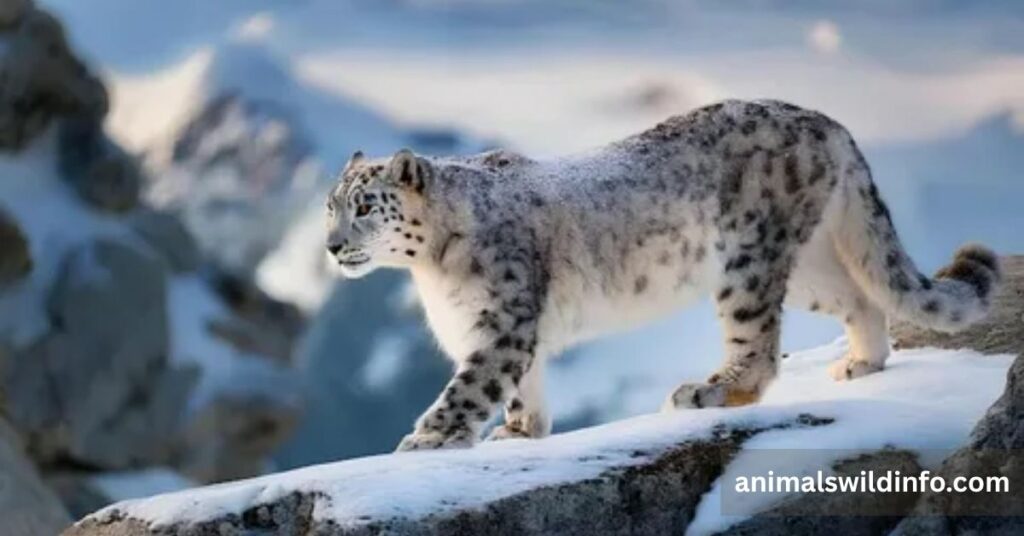
People call the snow leopard the “ghost of the mountains,” and that name fits. This big cat lives across Central Asia’s rocky peaks. It moves alone, hunts alone, and almost never crosses paths with people. Thick gray fur with black spots helps it blend into snow and stone. Scientists rarely spot one in the wild, even after months of tracking. This is one of nature’s most secretive species, and its natural habitat keeps it that way.
Okapi
Scientific Name: Okapia johnstoni Class: Mammalia Diet: Herbivore
The okapi looks like someone mixed a zebra with a giraffe. It lives deep in the Congo’s dense forests, where thick leaves hide it from view. This animal moves so quietly that local trackers sometimes miss it entirely. It wasn’t even confirmed by Western science until the early 1900s. Even today, the okapi remains one of the most hidden wildlife species on the planet, a true example of rare mammals that few humans ever see.
Red Panda
Scientific Name: Ailurus fulgens Class: Mammalia Diet: Omnivore
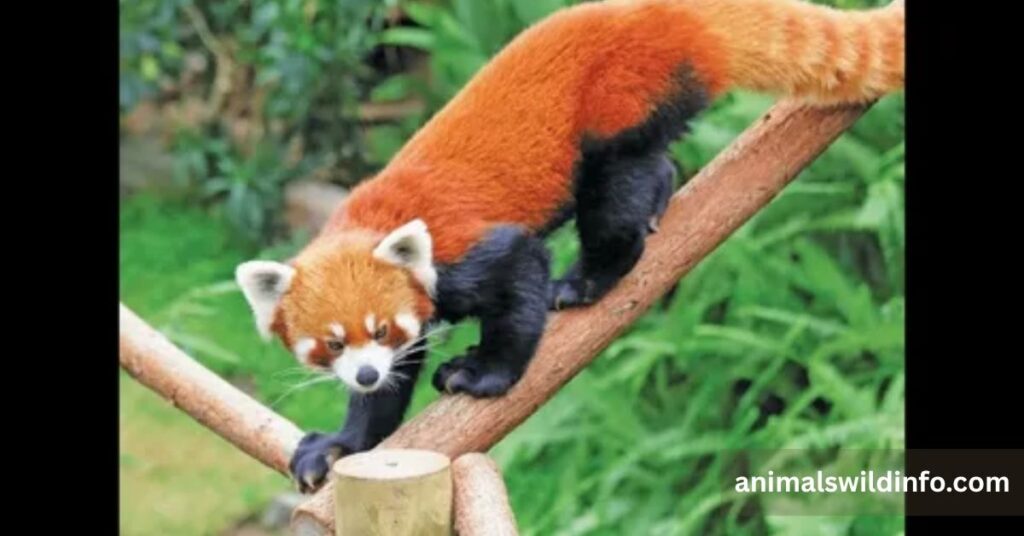
Red pandas live high in the Himalayan wildlife zones of Nepal, Bhutan, and parts of China. They spend most of their day resting in trees, only coming down to eat. Their reddish fur blends into mossy branches and red-brown leaves. This is textbook animal adaptations in action. Red pandas avoid open spaces and stick to thick canopy cover. Habitat loss from logging puts real pressure on their numbers each year.
Pangolin
Scientific Name: Manis Class: Mammalia Diet: Insectivore
Pangolins wear armor made of keratin scales, the same stuff as your fingernails. When scared, they roll into a tight ball. This single move protects their soft belly from almost any predator. Sadly, pangolins are also the most trafficked mammal in the world. Poaching has pushed several species toward endangered mammals status. Their shy, curling behavior can’t protect them from humans, which makes wildlife protection efforts critical right now.
Saola
Scientific Name: Pseudoryx nghetinhensis Class: Mammalia Diet: Herbivore
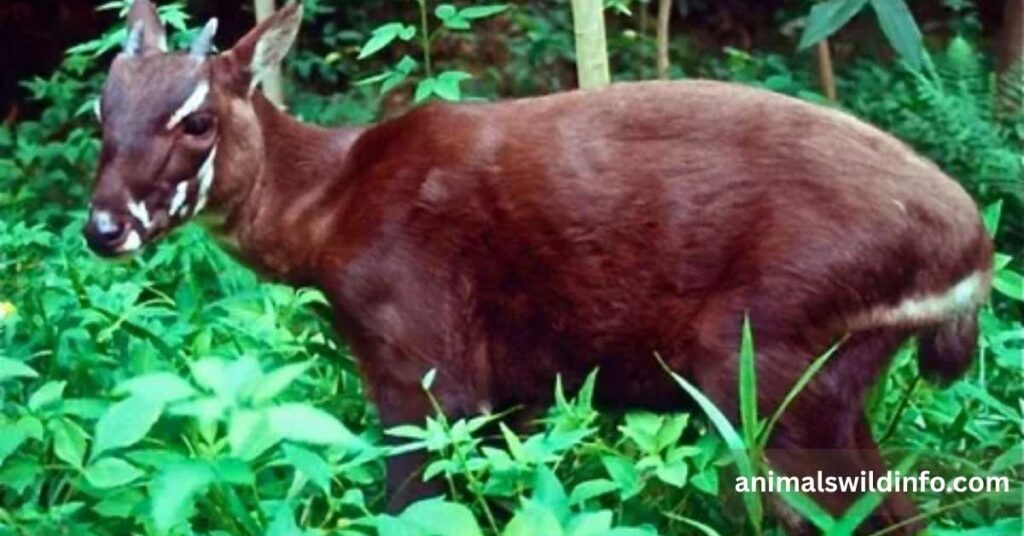
Nobody had even heard of the saola until 1992. Found only in the mountains of Vietnam and Laos, it’s nicknamed the “Asian unicorn” for a reason. Camera traps have caught it only a handful of times. No scientist has ever studied one in the wild for long. This makes the saola one of the rarest and most threatened wildlife species alive today. Its whole existence depends on remote habitats staying untouched.
Aardvark
Scientific Name: Orycteropus afer Class: Mammalia Diet: Insectivore
Aardvarks come out only at night, digging through termite mounds with long claws. Their burrows offer safety from lions and hyenas. This is a classic case of nocturnal animals using darkness as a shield. Aardvarks rarely interact with other aardvarks, let alone humans. They prefer digging alone and disappearing underground the moment danger arrives. Their whole lifestyle centers around avoiding conflict and staying unseen.
Giant Anteater
Scientific Name: Myrmecophaga tridactyla Class: Mammalia Diet: Insectivore
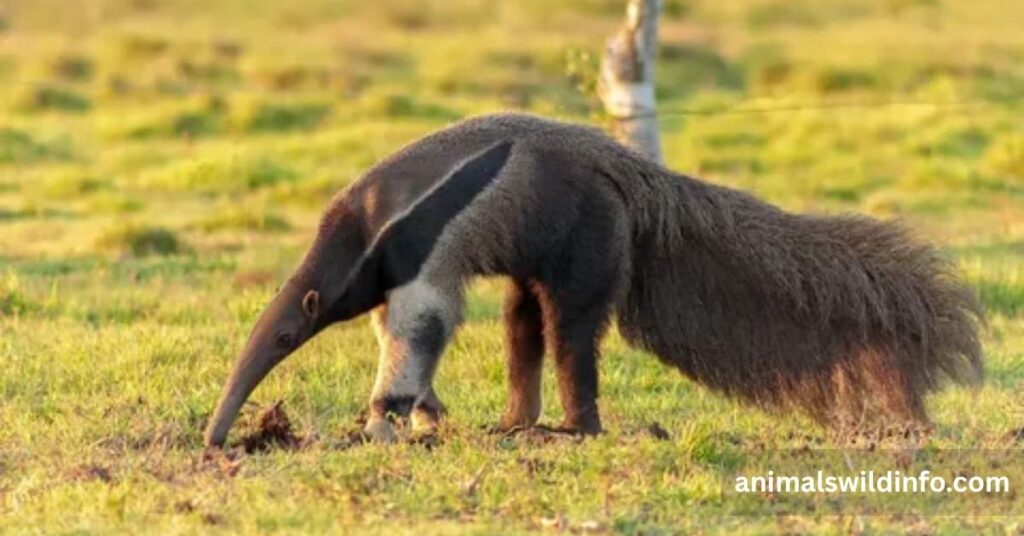
The giant anteater has a nose built for smelling out ants from far away. Its sense of smell is nearly 40 times stronger than yours. This animal avoids fights whenever it can, but it isn’t defenseless. When cornered, it uses sharp claws to protect itself. Giant anteaters roam grasslands and forests across Central and South America, always choosing to slip away rather than face a threat head-on.
Koala
Scientific Name: Phascolarctos cinereus Class: Mammalia Diet: Herbivore
Koalas spend up to 20 hours a day sleeping in eucalyptus forests. Their diet is so specialized that they barely leave their tree of choice. This slow, quiet lifestyle keeps energy use low and exposure to danger even lower. Koalas rarely make noise, except during mating season when males let out deep, booming calls. Otherwise, they stay tucked away, blending into branches most people would walk right past.
Read More: Top 20 Animals Like Foxes (With Pictures & Fascinating Facts)
Quokka
Scientific Name: Setonix brachyurus Class: Mammalia Diet: Herbivore
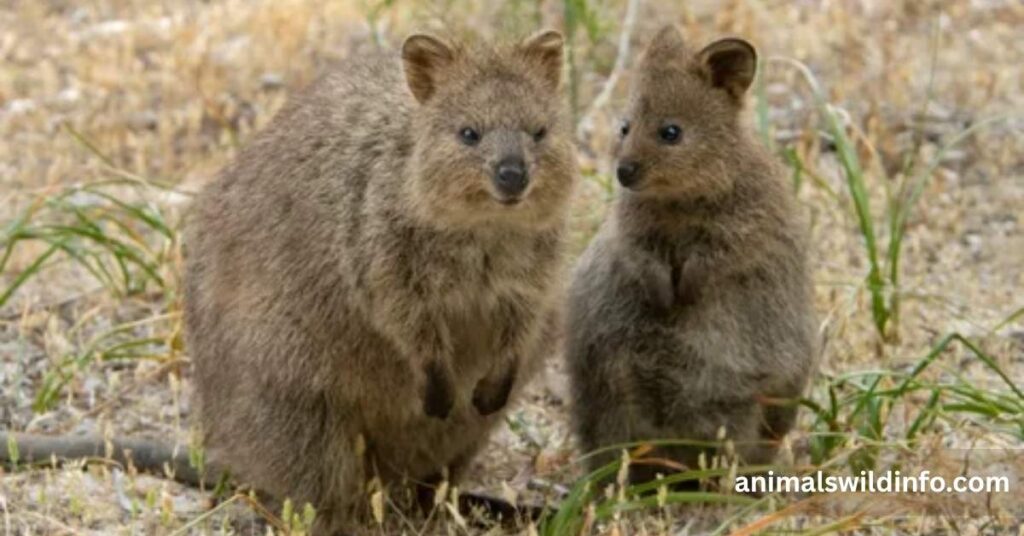
Quokkas look like they’re always smiling, which made them internet-famous. But don’t let the cute face fool you. In the wild, quokkas are cautious and mostly active at night. They live in small family groups and avoid large gatherings. Rottnest Island in Australia remains their biggest stronghold. Their shy, careful nature helped them survive here, even as populations elsewhere in Australia declined sharply.
Slow Loris
Scientific Name: Nycticebus Class: Mammalia Diet: Omnivore
The slow loris moves through the trees in near-total silence. It hunts alone at night across Southeast Asia’s rainforests. Its slow, deliberate movements aren’t laziness; they’re strategy. Slower movement means less noise and fewer chances of alerting predators. Strangely enough, this small primate also carries a toxic bite, giving it a rare defense most cute animals simply don’t have.
Tarsier
Scientific Name: Tarsius Class: Mammalia Diet: Carnivore
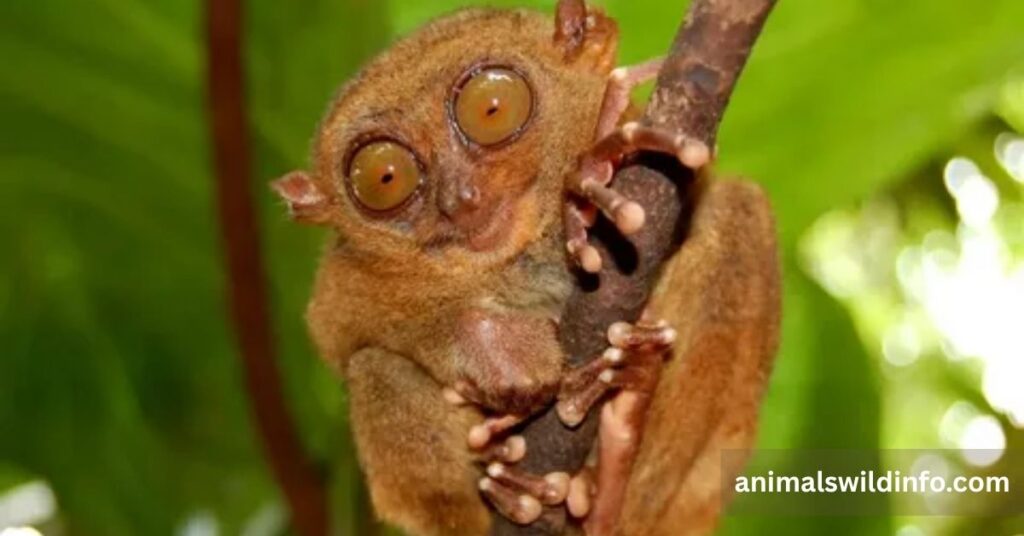
Tarsiers have enormous eyes that can rotate almost all the way around. This helps them spot danger without moving their whole body. Found across Southeast Asian islands, tarsiers are tiny, quiet, and almost entirely nocturnal. They freeze at the smallest sound and vanish into leaves within seconds. Their whole body seems built for one purpose: staying hidden while still watching everything around them.
Kakapo
Scientific Name: Strigops habroptilus Class: Aves Diet: Herbivore
The kakapo is a flightless parrot found only in New Zealand. Since it can’t fly away from danger, it relies on freezing completely still. Its green and brown feathers work like natural camouflage against moss and forest floor. Kakapos are also critically endangered, with only a small population left today. Conservationists track each bird closely, making this one of the most protected endangered species on Earth.
Ili Pika
Scientific Name: Ochotona iliensis Class: Mammalia Diet: Herbivore
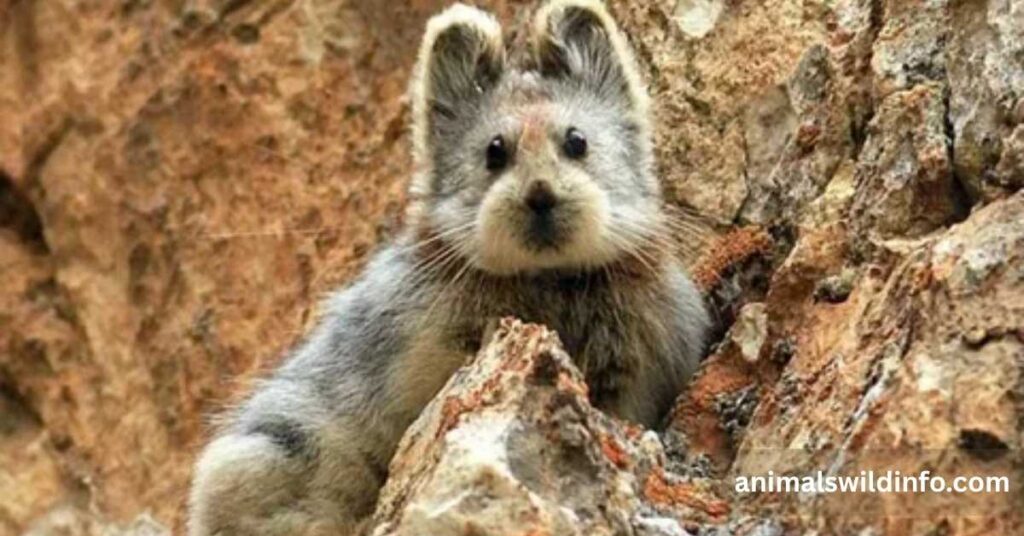
Few people have ever seen an Ili Pika in person. This small, round mammal lives only in a remote mountain range in China. It was first discovered in 1983, and sightings since then have been shockingly rare. Its population is thought to be dropping fast due to climate change. The Ili Pika stands as proof that some animals remain almost mythical, hiding in alpine ecosystems far from human eyes.
Fossa
Scientific Name: Cryptoprocta ferox Class: Mammalia Diet: Carnivore
The fossa is Madagascar’s top predator, though most people have never heard its name. It moves through trees almost like a cat, hunting lemurs and other small mammals in silence. Fossas avoid humans completely, sticking to deep forest where they rarely cross paths with villages. This makes them one of the most silent hunters in the world, feared by prey but almost invisible to researchers.
Shoebill
Scientific Name: Balaeniceps rex Class: Aves Diet: Carnivore
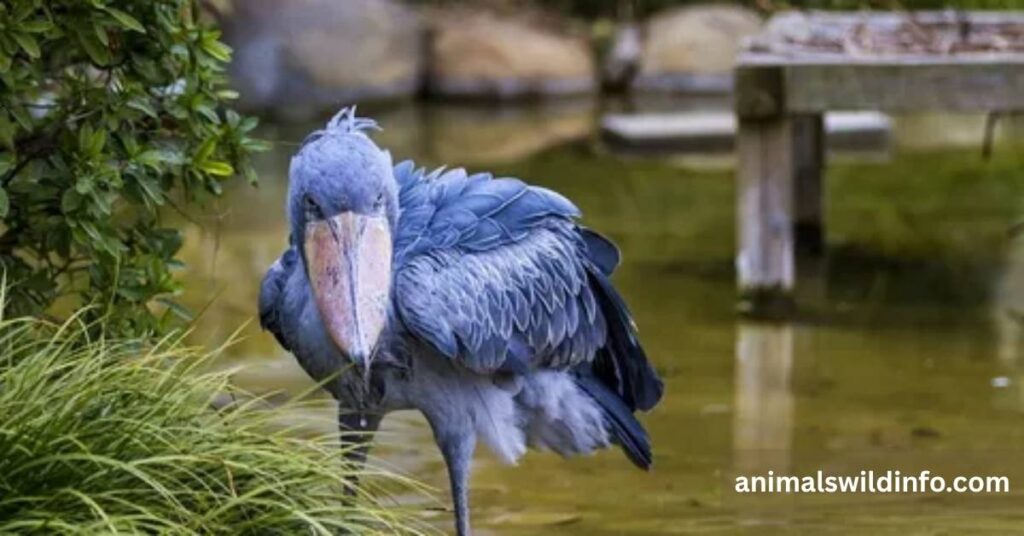
The shoebill stork can stand motionless for hours while hunting fish in African wetlands. Its massive beak looks almost prehistoric, but its patience is what really stands out. This bird avoids groups and prefers total isolation while stalking prey. Locals in parts of Africa consider spotting one a rare event. Shoebills combine size with stillness, making them oddly easy to miss despite standing nearly five feet tall.
Deer
Scientific Name: Cervidae Class: Mammalia Diet: Herbivore
Deer rely on sharp hearing and quick reflexes to avoid predators. A snapped twig or rustling leaf can send a whole herd running in seconds. This is anti-predator adaptation working exactly as it should. Deer communicate through subtle body signals like a raised tail or a sudden freeze. Living in forests worldwide, they’ve mastered the art of staying calm until the very moment they need to run.
Hedgehog
Scientific Name: Erinaceus europaeus Class: Mammalia Diet: Insectivore
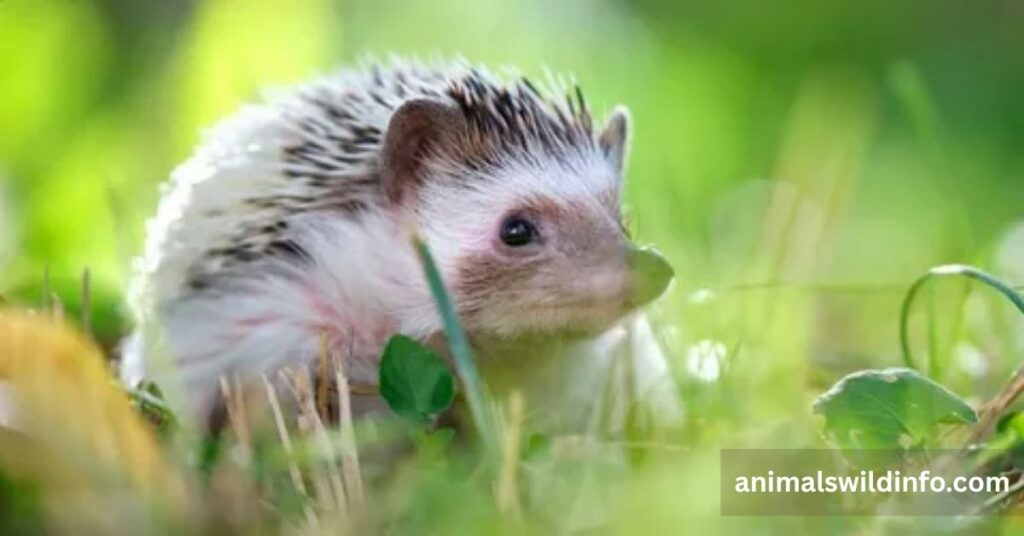
Hedgehogs curl into a spiky ball the second they sense danger. This simple defense works against almost every predator they encounter. They forage at night in gardens and woodlands, staying hidden under leaves and hedges during the day. Their quiet, cautious nature makes them one of the more friendly shy animals, since they rarely show aggression even when startled.
Fennec Fox
Scientific Name: Vulpes zerda Class: Mammalia Diet: Omnivore
The fennec fox’s oversized ears do more than look adorable. They help release heat in the scorching Sahara Desert and pick up the faintest sounds of prey underground. This fox hunts only at night, avoiding the desert’s brutal daytime heat and any chance of being seen. Its small size and light-colored fur make it nearly invisible against pale desert sand, a perfect blend of evolutionary adaptation and stealth.
Read More: How Strong Are Kangaroos? 10 Amazing Facts About Their Power, Speed & Strength
Sloth
Class: Mammalia Diet: Herbivore
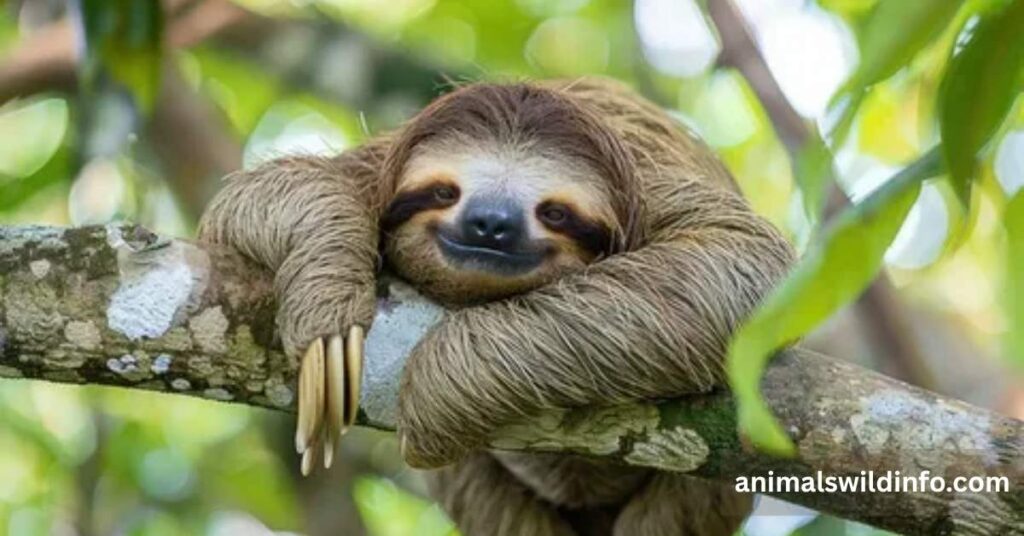
Sloths move so slowly that algae actually grows on their fur, adding a greenish tint that blends with rainforest leaves. This isn’t an accident. Slow movement means less attention from predators like eagles and jaguars. Sloths spend nearly their entire life hanging in trees, rarely coming down except to relieve themselves. Their low energy lifestyle is one of the clearest examples of animal survival strategies built entirely around staying still.
Giant Panda
Scientific Name: Ailuropoda melanoleuca Class: Mammalia Diet: Herbivore
Giant pandas live quietly across China’s bamboo forests, eating almost nothing else all day. They avoid other pandas outside of mating season and rarely make loud sounds. Their black and white coloring actually works as camouflage in shaded, dappled forest light. Giant pandas remain a global symbol of biodiversity conservation, and their slow recovery from endangered status shows what real protection efforts can achieve.
Why Are Some Animals Naturally Shy?
Naturally shy animals didn’t choose this personality overnight. It’s baked into their wildlife ecology through generations of pressure from predators. An animal that hides survives to pass on its genes. One that shows off often doesn’t get that chance. Over time, entire species shift toward quiet, cautious behavior because it simply works better.
Body size matters here too. Smaller animals face more danger, so they lean harder into camouflage and stillness. Larger predators like the fossa still avoid humans, since even top hunters gain nothing from unnecessary risk. Whether prey or predator, staying under the radar often means staying alive. This is wildlife behavior shaped by millions of years of trial, error, and survival.
Where Do Shy Animals Usually Live?
Most reclusive animals stick to places that offer natural cover. Think tropical rainforest canopies, mountain animals hiding in cliffs and snow, or wetlands thick with reeds. These environments do a lot of the hiding for them. Thick brush, tall grass, and deep shade all reduce the risk of being spotted by a hungry predator or curious human.
Location also affects behavior directly. Central Asian wildlife like the snow leopard needs open, rocky terrain to disappear into. Southeast Asian mammals like the slow loris depend on dense jungle canopy instead. Australian marsupials such as the quokka and koala rely on isolated islands and thick eucalyptus groves. Each forest ecosystem shapes its shy residents differently, but the goal stays the same: blend in, stay quiet, and avoid attention.
Are Shy Animals Dangerous to Humans?
Here’s the truth: wild animals that avoid humans are rarely a threat if left alone. Most shy species would rather run than fight. A deer bolts, a pangolin curls up, and a fossa disappears into the trees before you even know it’s there. Their entire strategy is built around avoiding human interaction, not seeking it out.
That said, a few exceptions exist. The slow loris carries a toxic bite, and it will use it if handled or cornered. The fossa, while shy, is still a skilled predator toward smaller animals. The lesson here is simple: give these creatures space and respect their instinct to hide. Most cautious animals pose zero danger as long as you don’t force an encounter.
Final Thoughts
From the icy peaks where the snow leopard roams to the quiet rainforest floor where sloths barely move, shy animals prove that survival doesn’t always mean being the loudest or boldest. Their instinct to hide, freeze, or vanish reflects millions of years of evolutionary adaptation. Protecting their natural habitat matters just as much as protecting the animals themselves, since habitat loss remains the biggest threat most of them face.
Next time you’re out hiking or reading about wildlife, remember: some of the planet’s most fascinating creatures are the ones you’ll probably never see. That’s exactly how they like it.
FAQ’s
Many experts point to the saola as the shyest animal alive, since it’s been photographed only a handful of times in recorded history. The Ili Pika comes in close behind, given how rarely researchers ever spot one in the wild.
The deer fits this description well. It stays silent, alert, and ready to bolt at any moment, relying on sharp hearing rather than loud warnings to survive.
The snow leopard often earns this title. It avoids nearly all contact with humans and other animals, earning its nickname as the “ghost of the mountains.”
A solid top five would include the snow leopard, okapi, saola, pangolin, and slow loris. Each one relies heavily on hiding, silence, or camouflage to survive.
The hedgehog fits this perfectly. It curls up defensively when scared, but it shows no aggression toward people and often becomes a gentle companion in captivity.
The fossa moves through Madagascar’s forests almost without a sound, making it one of the quietest hunters found anywhere in the animal kingdom.