Top 15 Animals That Eat Rabbits (With Pictures & Fascinating Facts)
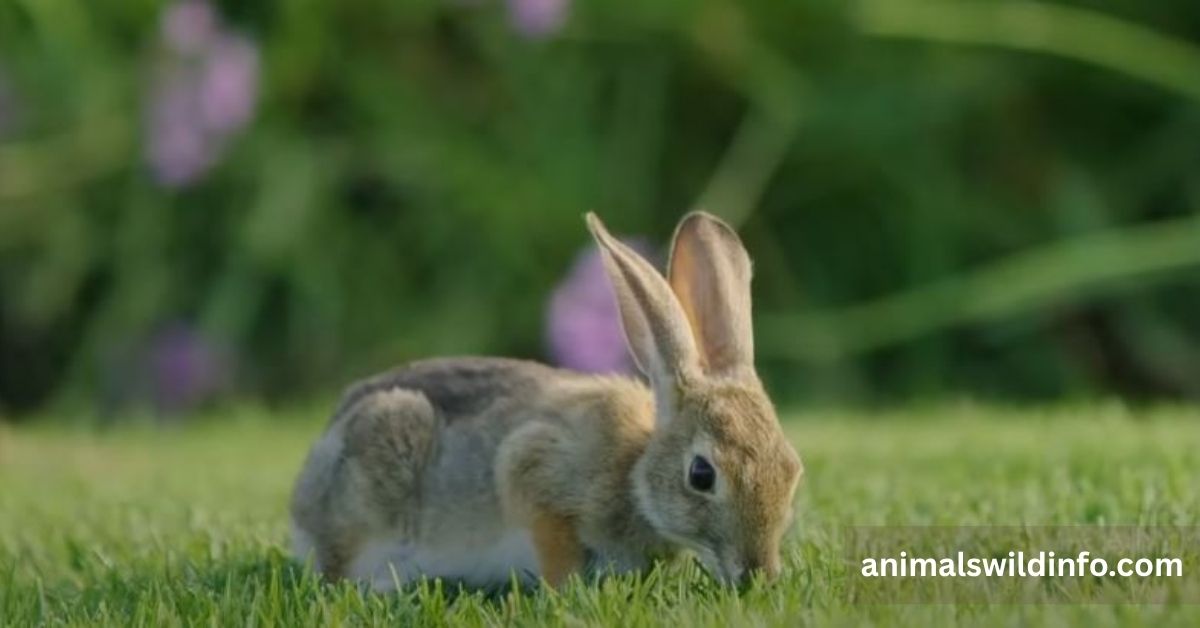
Rabbits look soft. They look harmless. But out in the wild, they sit near the bottom of a very busy food chain. Almost everything wants a bite of them.
From silent owls to sneaky foxes, rabbit predators come in every shape and size. Some hunt from the sky. Some dig them out of burrows. Some just wait in the grass.
This guide covers the full list of animals that prey on rabbits, how rabbits fight back, and why this endless chase matters for nature. You’ll learn what eats rabbits, what eats bunnies, and why rabbits still thrive despite so much danger.
Quick List of Animals That Eat Rabbits
Rabbits face threats from the sky, the ground, and even underground. Here’s the full lineup of bunny predators covered in this article, ranked by how often they show up in a rabbit’s daily life.
- Golden Eagle
- Red-tailed Hawk
- Great Horned Owl
- Foxes
- Coyotes
- Wolves
- Bobcat
- Eurasian Lynx
- Weasel
- European Polecat
- Ferrets
- Badgers
- Bears
- Snakes
- Feral Cats
How Rabbits Survive Despite Having So Many Predators
You’d think with this many hunters after them, rabbits would vanish fast. They don’t. Nature gave them a trick that works better than any claw or fang: rabbit survival depends on speed of reproduction, not brute strength. A single female rabbit can produce dozens of babies each year. That’s her real weapon.
This reproductive strategy keeps the rabbit population steady even under heavy hunting pressure. It’s a numbers game, and rabbits play it well. Add sharp hearing, quick reflexes, and a knack for vanishing into thickets, and you get a species built to survive constant pressure rather than fight it head-on.
Top 15 Animals That Eat Rabbits
Some hunters chase. Others wait. Some fly, some dig, and some slither. Every animal on this list has its own way of catching a rabbit, and each one plays a part in the rabbit food chain.
Below, you’ll find each predator’s scientific details, hunting style, and what makes it dangerous to a rabbit. Pictures and quick facts sit alongside each entry so you can spot these hunters in the wild or just enjoy learning about them.
Golden Eagle
Scientific Name: Aquila chrysaetos Class: Aves Diet: Carnivore
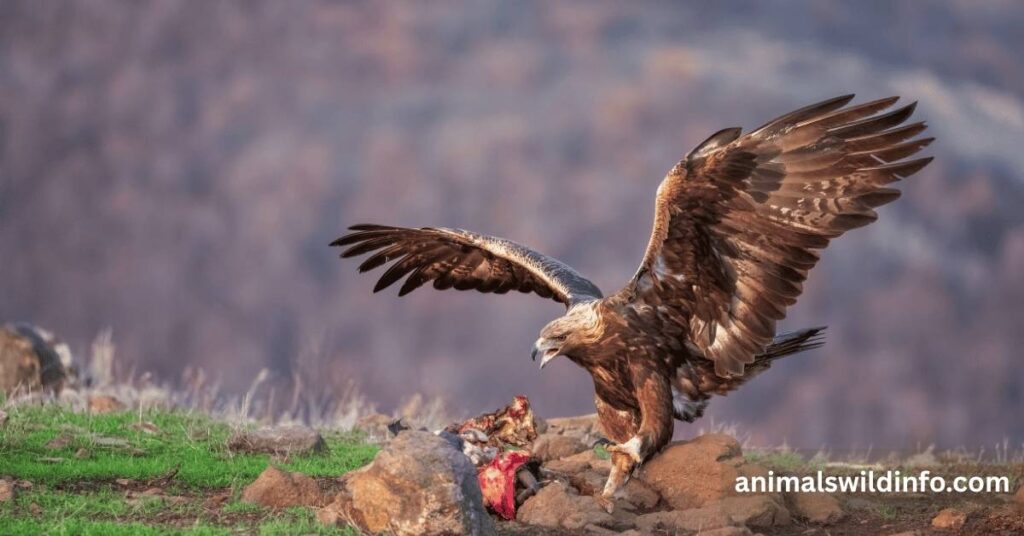
The Golden Eagle rules the sky over open plains and mountains. Its wingspan stretches past six feet, and its keen eyesight can spot a rabbit from two miles away. That’s sharper vision than any human could dream of.
Once it spots prey, the eagle folds its wings and dives. Speeds can top 150 miles per hour during the strike. This makes the Golden Eagle a true apex predator, one that rabbits rarely see coming until it’s too late. Its hunting strategy relies on patience first, then a burst of raw speed that ends the chase in seconds.
Red-tailed Hawk
Scientific Name: Buteo jamaicensis Class: Aves Diet: Carnivore
You’ve probably seen a Red-tailed Hawk perched on a highway pole without knowing it. These birds of prey thrive in cities, farmland, and forests alike. Their adaptability makes them one of the most common rabbit hunting animals in North America.
Red-tailed hawks favor a quiet, watchful approach. They perch high, scan the ground, then drop fast when a rabbit moves. This ambush style, paired with a four-foot wingspan, gives them an edge over prey that never expects an attack from directly above.
Read More: 12 Fascinating Animals With Shells Found Around the World
Great Horned Owl
Scientific Name: Bubo virginianus Class: Aves Diet: Carnivore
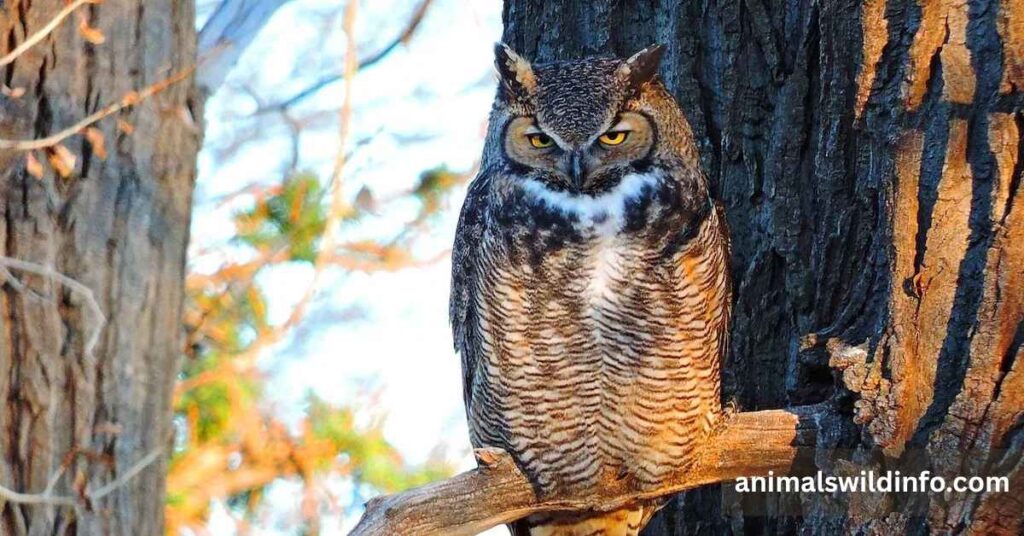
Night falls, and the Great Horned Owl gets to work. As a classic nocturnal hunter, it relies on silent flight to sneak up on prey without a sound. Its feathers muffle every wingbeat, so a rabbit below hears nothing until it’s grabbed.
Add excellent hearing and night vision built for darkness, and you get one of the deadliest owls in North America. This owl doesn’t chase. It waits on a branch, listens, then strikes with sharp talons strong enough to snap a rabbit’s spine in one grip.
Foxes
Scientific Name: Vulpes vulpes Class: Mammalia Diet: Omnivore
Foxes are clever, and that cleverness makes them excellent rabbit hunters. They use stealth hunting to creep close before pouncing, often leaping high into the air to pin prey with their front paws. It’s a hunting move as effective as it is entertaining to watch.
What sets foxes apart is their adaptability. In cities, they’ve learned to use fences, sheds, and gardens as cover. In the countryside, they rely on scent and patience. Either way, foxes remain one of the most consistent wild animals that eat rabbits, adjusting their hunting behavior to whatever landscape they’re given.
Coyotes
Scientific Name: Canis latrans Class: Mammalia Diet: Omnivore
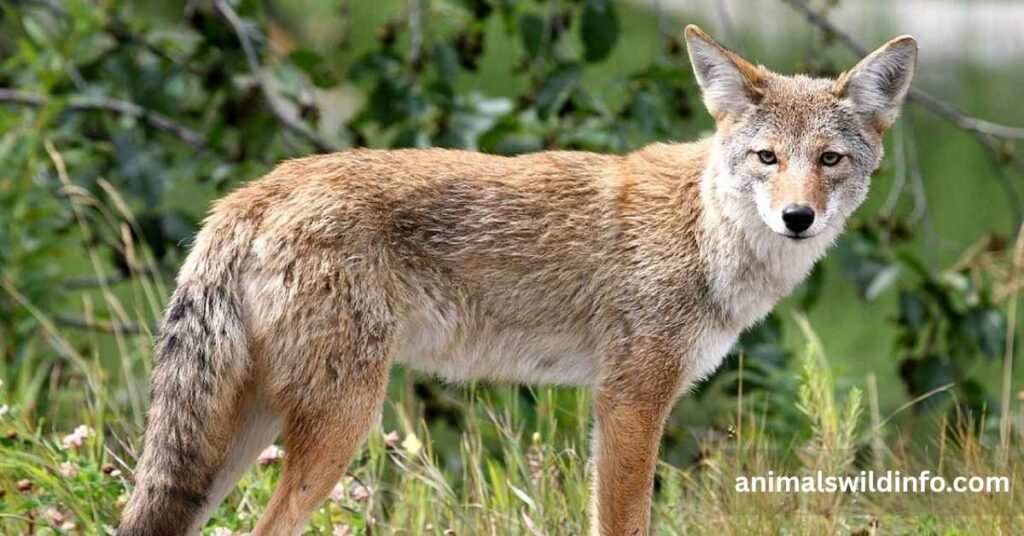
Coyotes show up almost everywhere in North America now, from deserts to city parks. Their success comes from being an opportunistic predator. They’ll eat rabbits, rodents, fruit, or garbage, whatever’s easiest to find that day.
Rabbits often try to escape coyotes by zigzagging, but coyotes are smart enough to predict the pattern. Sometimes they hunt alone. Other times, they use cooperative hunting, working together to corner prey from two directions at once. This teamwork makes coyotes one of the more dangerous predators of cottontail rabbits in rural and suburban areas alike.
Wolves
Scientific Name: Canis lupus Class: Mammalia Diet: Carnivore
Wolves usually chase bigger game like elk or deer, but rabbits still end up on the menu when bigger prey is scarce. Their pack hunting style means several wolves can flush a rabbit out of dense brush while others wait to close in.
Twilight hours bring out the best of a wolf pack’s coordination. Their combination of speed, teamwork, and sharp senses makes them a serious threat, even to prey as quick as a rabbit. Wolves also help with rabbit population control, keeping numbers balanced across the wider wildlife ecosystem they share with dozens of other species.
Bobcat
Scientific Name: Lynx rufus Class: Mammalia Diet: Carnivore
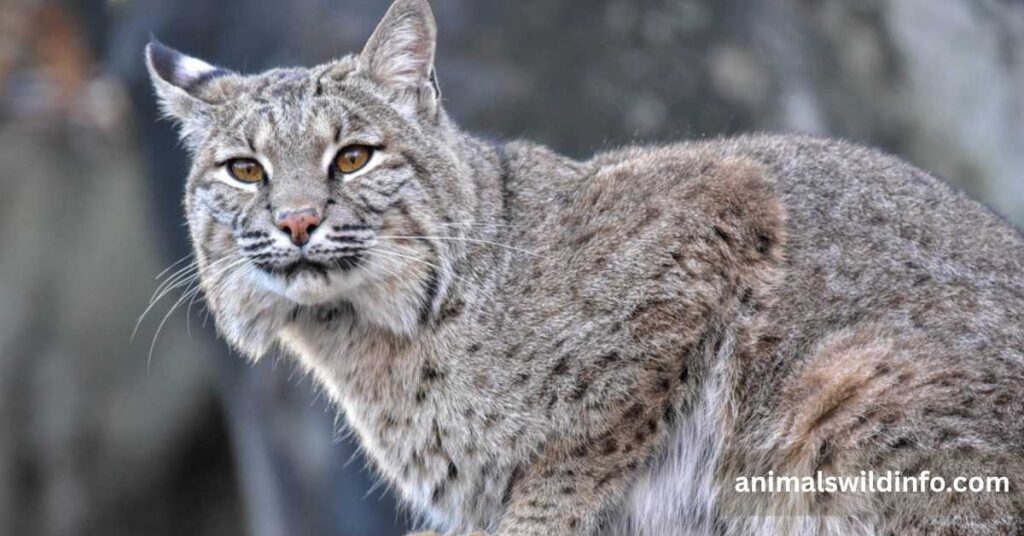
Bobcats are quiet, solitary, and built for the ambush. A bobcat can leap up to 12 feet in a single bound, closing the gap on a fleeing rabbit before it even registers the danger. That leap alone makes bobcats one of the more feared mammalian predators in North American woodlands.
Depending on the terrain, a bobcat changes tactics. In thick brush, it stalks low and slow. In open fields, it uses tall grass or rocks as cover before striking. This flexible hunting strategy shows just how adaptable woodland predators like the bobcat really are.
Eurasian Lynx
Scientific Name: Lynx lynx Class: Mammalia Diet: Carnivore
Roaming the forest habitats of Europe and Asia, the Eurasian Lynx hunts with a patience that few predators can match. Its tufted ears and powerful hind legs make it a natural fit for chasing rabbits through snow and undergrowth alike.
The lynx doesn’t rush. It waits, watches, and only moves once it’s certain of a clean strike. This patient approach, combined with keen eyesight and sharp hearing, places the Eurasian Lynx among the top predators of European rabbits across its range.
Weasel
Scientific Name: Mustela nivalis Class: Mammalia Diet: Carnivore
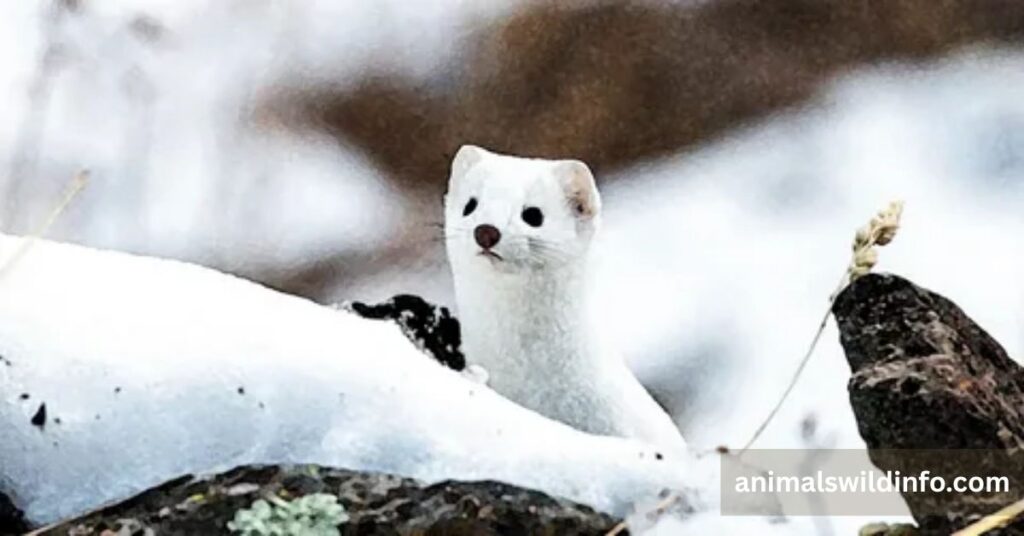
Don’t let the small size fool you. Weasels are fierce, fast, and shockingly effective hunters. Their thin bodies let them slip straight into rabbit burrows, turning a rabbit’s own hiding spot into a trap.
Weasels rely on stealth hunting more than raw power. They creep close, wait for the perfect moment, then strike with speed that catches prey completely off guard. This combination of patience and precision makes the weasel one of the most underrated rabbit hunting animals in the wild.
European Polecat
Scientific Name: Mustela putorius Class: Mammalia Diet: Carnivore
The European Polecat, a close relative of the ferret, hunts rabbits across grasslands and hedgerows throughout Europe. It’s a skilled burrow hunter, following rabbit scent trails straight into their underground homes.
Polecats hunt mostly at night, relying on smell and touch more than sight. Once inside a burrow, escape becomes nearly impossible for a cornered rabbit. This makes the polecat one of the most effective UK rabbit predators, especially in rural farmland where rabbit warrens are common.
Read More: Top 10 Animals Like Mongoose (With Pictures & Fascinating Facts)
Ferrets
Scientific Name: Mustela putorius furo Class: Mammalia Diet: Carnivore
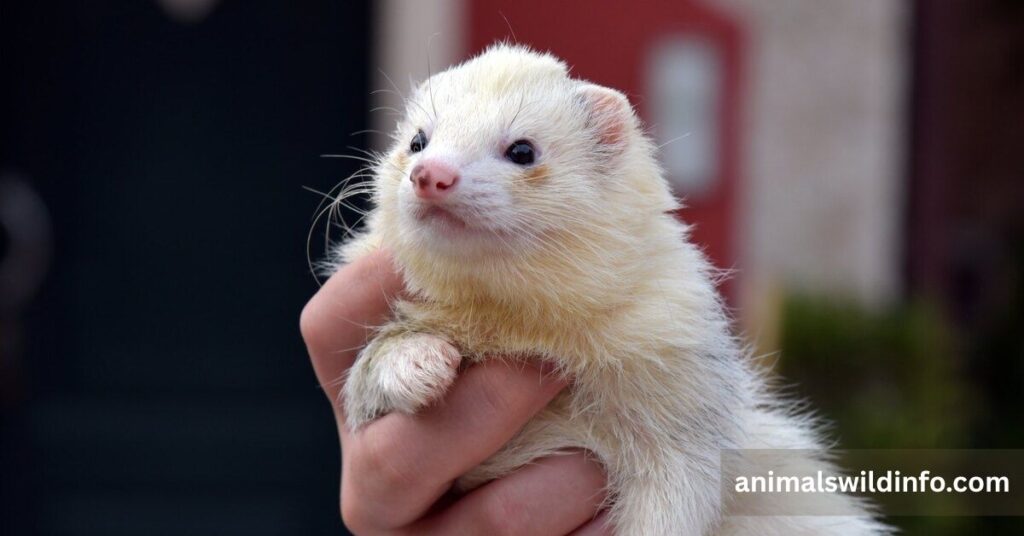
Ferrets look playful, but their wild instincts run deep. Bred originally from polecats, they still carry the same burrow-hunting skill their ancestors had. A ferret can track a rabbit’s scent through tunnels most predators can’t even enter.
Historically, humans even used trained ferrets to flush rabbits out of warrens for hunting. That partnership shows just how naturally skilled ferrets are at this task. Their hunting behavior blends scent-tracking with tight, narrow-space agility that larger predators simply don’t have.
Badgers
Scientific Name: Meles meles Class: Mammalia Diet: Omnivore
Badgers don’t rely on speed. They rely on strength and patience instead. With powerful claws built for digging, badgers can tear into a rabbit burrow and reach prey that thought it was safe underground.
This burrow hunting method makes badgers uniquely dangerous, since most predators can’t follow rabbits into their tunnels. Badgers often wait quietly near a warren entrance, watching for movement before committing to the dig. It’s a slow, deliberate style that still gets results.
Bears
Scientific Name: Ursidae Class: Mammalia Diet: Omnivore
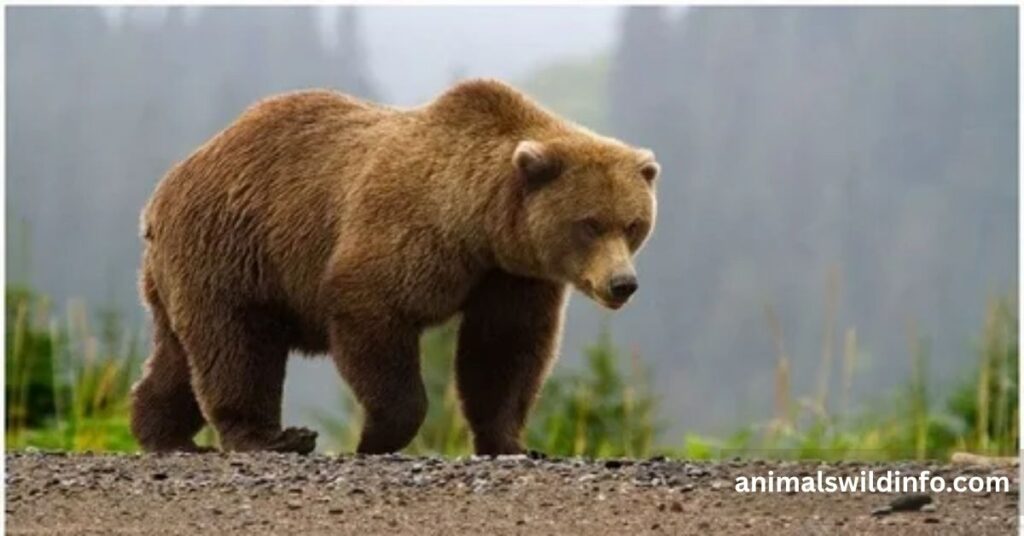
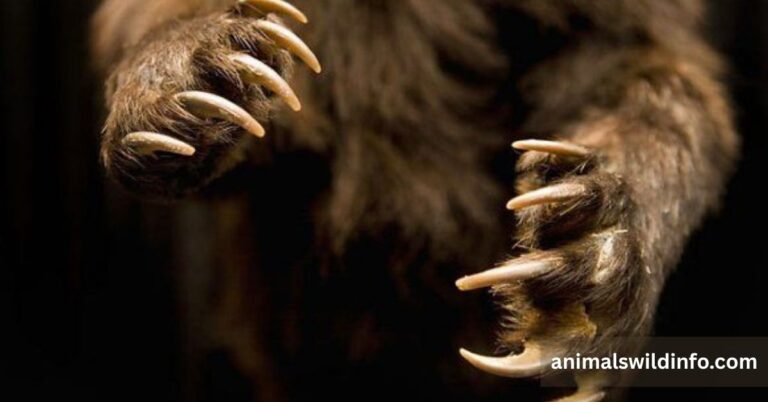
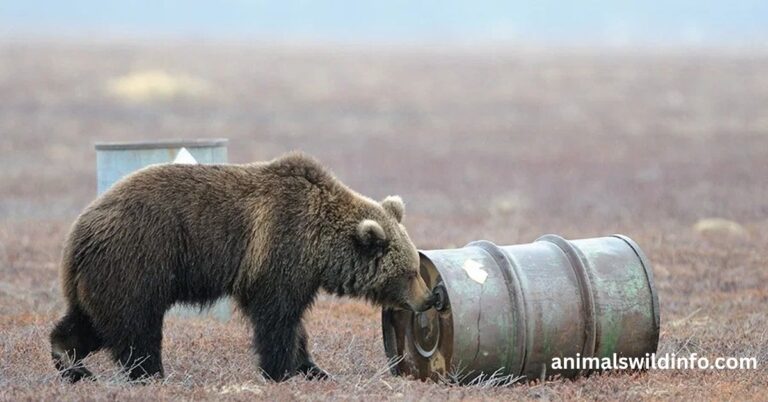
Bears aren’t usually thought of as rabbit hunters, but black bears and grizzlies will happily grab one if the chance comes up. Their diet shifts with the seasons, and rabbits offer a quick, easy protein boost when berries and nuts run thin.
This opportunistic streak fits perfectly with a bear’s broader survival strategy. Building fat reserves before winter matters more than sticking to one food type. So when a rabbit crosses a bear’s path in late summer, it rarely gets a second chance to run.
Snakes
Scientific Name: Serpentes Class: Reptilia Diet: Carnivore
Snakes bring a completely different hunting style to this list. Species like rattlesnakes use heat-sensing pits to detect a rabbit’s body warmth, even in total darkness. This gives snakes a hunting edge that mammals and birds simply don’t have.
Once a snake strikes, it either constricts its prey or uses venom to subdue it quickly. The rabbit’s soft body makes it easy to swallow whole, followed by a long digestion period. As reptilian predators, snakes prove that speed isn’t the only path to a successful hunt.
Read More: Top 15 Animals With Bushy Tails (With Pictures & Fascinating Facts)
Feral Cats
Scientific Name: Felis catus Class: Mammalia Diet: Carnivore
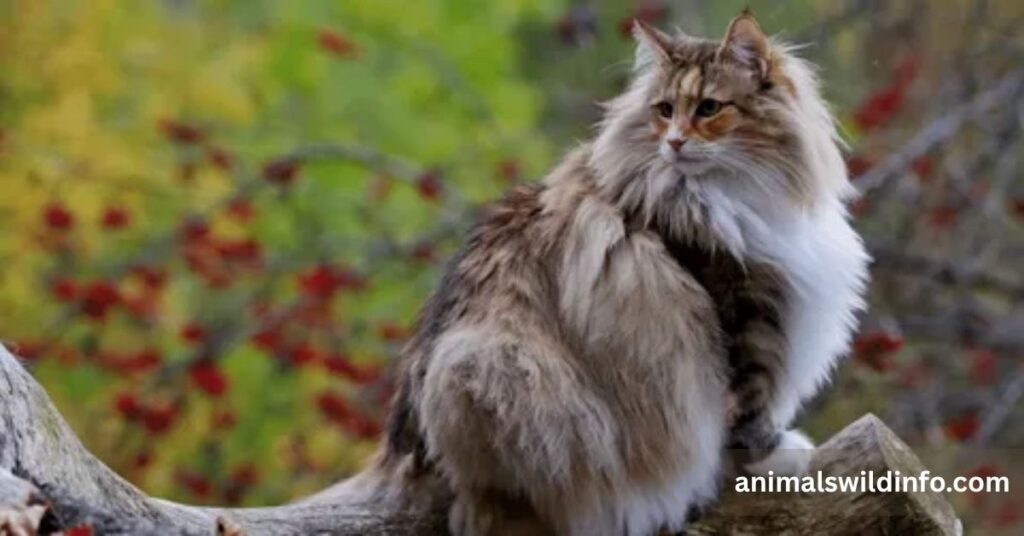
Feral cats might be the most overlooked wild carnivores on this list, yet they cause serious damage to rabbit populations near towns and farmland. Unlike house cats, feral cats hunt purely for survival, and young or small rabbits make easy targets.
Their hunting strategy relies on patience and a low, silent stalk through grass. Feral cats often hunt at dawn or dusk, times when rabbits are most active and least alert. In many suburban areas, feral cats now rank among the top predators of wild rabbits, alongside foxes and birds of prey.
Comparison Table: Animals That Eat Rabbits
| Animal | Class | Diet | Hunting Style |
| Golden Eagle | Aves | Carnivore | Aerial dive, ambush |
| Red-tailed Hawk | Aves | Carnivore | Perch and swoop |
| Great Horned Owl | Aves | Carnivore | Silent night ambush |
| Foxes | Mammalia | Omnivore | Stealth stalk, pounce |
| Coyotes | Mammalia | Omnivore | Solo or cooperative chase |
| Wolves | Mammalia | Carnivore | Pack hunting |
| Bobcat | Mammalia | Carnivore | Ambush, high leap |
| Eurasian Lynx | Mammalia | Carnivore | Patient stalk |
| Weasel | Mammalia | Carnivore | Burrow infiltration |
| European Polecat | Mammalia | Carnivore | Scent-tracking, burrow hunting |
| Ferrets | Mammalia | Carnivore | Burrow tracking |
| Badgers | Mammalia | Omnivore | Digging, burrow raiding |
| Bears | Mammalia | Omnivore | Opportunistic grab |
| Snakes | Reptilia | Carnivore | Heat-sensing ambush |
| Feral Cats | Mammalia | Carnivore | Silent stalk |
Birds That Hunt and Eat Rabbits
Birds that eat rabbits share a few key traits that make them dangerous from above. Sharp talons, incredible eyesight, and either silent flight or a lightning dive give raptors like the Golden Eagle, Red-tailed Hawk, and Great Horned Owl a massive edge over any rabbit caught in the open.
What separates a diurnal predator like the hawk from a nocturnal hunter like the owl comes down to timing. Hawks and eagles hunt by daylight using vision alone, while owls rule the night with hearing and stealth. Together, these raptors cover almost every hour of the day, leaving rabbits with very little safe time to graze without risk.
Mammals That Commonly Prey on Rabbits
Mammals that hunt rabbits make up the largest and most varied group on this list. Foxes, coyotes, wolves, bobcats, lynx, weasels, polecats, ferrets, badgers, bears, and feral cats all rely on different combinations of scent, speed, and digging ability to catch their prey.
Some, like wolves and coyotes, use teamwork and open-ground speed. Others, like weasels and badgers, go straight for the burrow. This range of tactics among carnivorous mammals shows why rabbits face pressure from nearly every direction, whether they’re hiding in a hedge, a burrow, or an open meadow.
Reptiles That Feed on Rabbits
Reptiles that eat rabbits rely on tools no mammal or bird has. Snakes, in particular, use heat-sensing organs to track body warmth, letting them hunt effectively even without clear eyesight. This gives certain snake species a serious advantage in low light or thick cover.
Unlike mammals that chase, snakes wait and strike. Once they catch a rabbit, they either constrict it or use venom to end the chase quickly. It’s a slower, more patient approach, but it works often enough to make snakes one of the more surprising entries on this list of animals that hunt rabbits.
What Animals Eat Rabbits in the Wild?
Out in true wilderness, away from cities and farms, rabbits face a steady lineup of natural predators of rabbits. Foxes, wolves, bobcats, eagles, hawks, and owls all patrol wild spaces like forests, grasslands, and open plains, each looking for the same easy meal.
This pressure never really stops. Day or night, sky or ground, something is usually hunting nearby. That constant threat has shaped rabbit behavior over thousands of years, pushing them toward the fast breeding and sharp instincts that keep the species going strong despite so much danger.
What Eats Rabbits in the UK?
Britain has its own cast of hunters, some shared with the US and some unique to the region. Foxes remain the most common threat, alongside badgers, weasels, and stoats that specialize in burrow hunting. Birds of prey like buzzards also take rabbits when the chance appears.
The European Polecat plays a bigger role in the UK than almost anywhere else, since it’s built specifically for hunting through rabbit warrens. Combined with foxes and birds of prey, these UK rabbit predators keep wild rabbit numbers in check across the British countryside.
Other Threats Rabbits Face Besides Predators
Predators aren’t the only danger rabbits deal with. Habitat pressure and disease often cause just as much harm, sometimes more, especially in areas where human development keeps expanding into wild spaces.
Habitat Loss and Fragmentation
Urban sprawl, farming, and deforestation keep shrinking the open spaces rabbits need to thrive. As natural habitats shrink and split into smaller patches, rabbits lose safe ground to burrow, breed, and hide from predators, making survival harder even before a hunter shows up.
Disease and Human Activities
Diseases like myxomatosis and rabbit hemorrhagic disease (RHD) have wiped out huge portions of wild rabbit populations in the past. Add vehicle collisions and pesticide exposure, and it’s clear humans shape rabbit survival almost as much as any predator does.
How Rabbits Protect Themselves from Predators
Rabbits aren’t defenseless just because they’re small. Their first move is almost always freezing in place, using camouflage to blend into grass or brush before a predator even notices them. If that fails, they bolt in a zigzag pattern that makes it hard for chasing predators to predict their next move.
Underground, rabbits rely on burrow systems, built with multiple exits so they can escape even if a predator blocks one entrance. Add sharp hearing and a wide field of vision, and you get a prey animal built almost entirely around early detection and fast escape rather than direct confrontation. These rabbit defence mechanisms work together, giving rabbits a fighting chance against nearly every hunter on this list.
Why Rabbits Are Important in the Food Chain
Rabbits sit at a critical point in the food web. Without them, many predators would struggle to find enough food, and populations of foxes, hawks, owls, and other hunters would likely shrink fast. Their steady numbers support an entire chain of wildlife above them.
Beyond feeding predators, rabbits also shape the land itself. Their grazing habits control plant growth, and their burrowing helps aerate soil, benefiting everything from insects to root systems. This dual role, prey and ecosystem engineer, makes rabbits far more important to biodiversity than most people realize.
Final Thoughts
Rabbits face threats from nearly every direction, sky, ground, and even underground tunnels. Yet they persist, thanks to fast reproduction, sharp instincts, and a body built for escape rather than fight. Every predator on this list plays its own role in keeping that balance steady.
Understanding this predator-prey relationship helps us appreciate just how connected wildlife really is. Protecting rabbit habitats, supporting wildlife conservation efforts, and respecting the space predators need all matter for keeping this delicate ecosystem balance intact for generations to come.
FAQ’s
Foxes, coyotes, wolves, bobcats, eagles, hawks, owls, snakes, and even feral cats all eat rabbits. Rabbits face threats from birds, mammals, and reptiles alike, making them one of the most widely hunted prey species in the wild.
Wolves and Golden Eagles rank among the biggest threats, thanks to their size, speed, and hunting skill. Wolves rely on pack hunting, while eagles use aerial dives that few rabbits can escape once spotted.
Yes, foxes eat rabbits regularly. They’re one of the most common rabbit predators worldwide, using stealth and quick pounces to catch prey in fields, forests, and even backyard gardens.
Yes, though wolves usually prefer larger game like deer or elk. When bigger prey is scarce, wolves happily switch to rabbits, especially using teamwork to flush them from cover.
Yes, bears eat rabbits when the opportunity arises. It’s not their main food source, but rabbits offer a quick protein boost, especially useful before winter hibernation.