Top 10 Animals Like Mongoose (With Pictures & Fascinating Facts)
Have you ever watched a mongoose dart across the grass and wondered what other creatures move with that same speed and grit? You’re not alone. Nature is full of mongoose-like animals that share the same quick reflexes, sharp senses, and fearless attitude. Some live in trees. Some swim in rivers. Some hunt in packs, while others prefer to work alone.
In this guide, you’ll meet ten fascinating animals like mongoose from around the globe. You’ll learn what makes them tick, where they live, and why they’ve earned comparisons to one of nature’s boldest little predators. By the end, you’ll have a whole new appreciation for these clever, scrappy survivors.
What Are Animals Like Mongoose?
So, what exactly makes an animal “mongoose-like”? Most of these creatures belong to closely related mammal families, including Herpestidae, Mustelidae, and Viverridae. They tend to share a few defining traits: a slender body, short legs, sharp claws, and a mind built for hunting. Many are small carnivorous mammals or omnivorous mammals, and nearly all of them count as agile mammals built for speed over strength.
What ties them together isn’t just biology. It’s behavior. These wild animals like mongoose tend to be curious, alert, and quick to react. Some are nocturnal mammals that hunt under cover of darkness, while others are diurnal mammals active during the day. Whether they’re burrowing mammals digging through soil or fast land animals sprinting after prey, they all share that same restless energy that makes the mongoose so easy to admire.
Quick List of Animals Like Mongoose
Before we dive deep into each species, here’s a fast overview of the ten mongoose relatives and look-alikes you’ll learn about today.
| Number | Animal |
| 1 | Meerkats |
| 2 | Weasel |
| 3 | Ferrets |
| 4 | Linsang |
| 5 | Genet |
| 6 | Marten |
| 7 | Stoat |
| 8 | Civets |
| 9 | Mink |
| 10 | Tayra |
Each one brings its own twist to the mongoose family’s reputation for cleverness and speed. Let’s take a closer look.
Top 10 Animals Like Mongoose
Ready to meet the cast? Below, you’ll find ten mongoose family animals and close relatives, each with its own scientific background, habits, and personality. Every entry includes a scientific name, class, and diet, so you know exactly what you’re looking at.
Meerkats
Scientific name: Suricata suricatta Class: Mammalia Diet: Omnivore
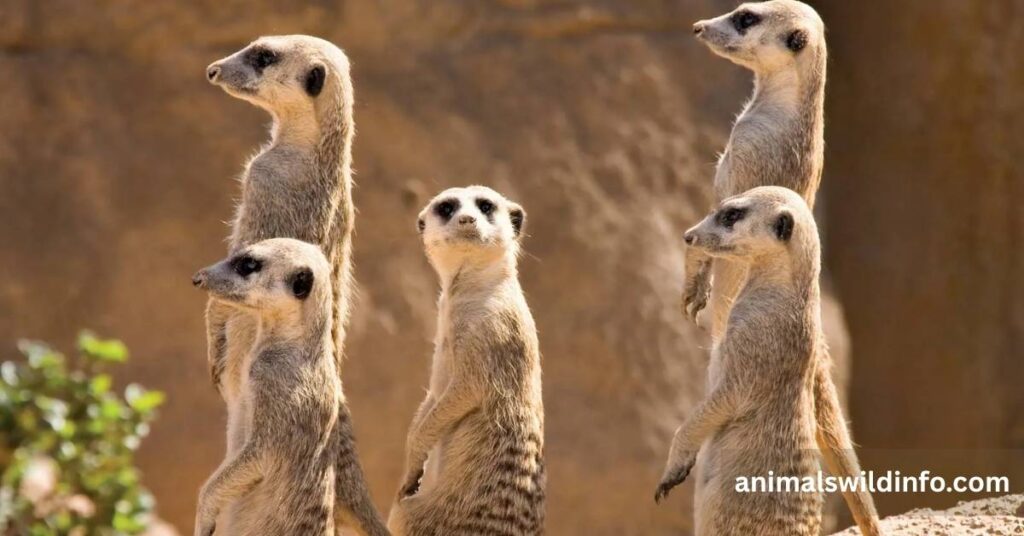
Meerkats are true members of the Herpestidae family, making them one of the closest mongoose relatives on this list. They live in tight family groups called mobs, and they’ve turned teamwork into an art form. One meerkat always stands guard, scanning the horizon for hawks and jackals, while the rest of the group digs for food. It’s a small act of trust that keeps the whole colony alive.
What really sets meerkats apart is their communication. Researchers have counted dozens of distinct calls, each one carrying a different warning or message. That’s a level of intelligence you don’t often find in such a small package. Add in their playful social mammal habits, like grooming and mock fighting, and it’s easy to see why meerkats charm scientists and tourists alike.
Weasel
Scientific name: Mustela nivalis Class: Mammalia Diet: Carnivore
The weasel belongs to the Mustelidae family, and it shares the mongoose’s knack for squeezing into impossibly tight spaces. Its long body and short legs let it chase rodents straight into their burrows. Few predators can follow prey that far underground, but the weasel does it without breaking stride.
Weasels usually live a solitary lifestyle, though that can shift with the seasons. During breeding season or when food is plentiful, you might spot small temporary groups. Their defense tactics are just as memorable. A cornered weasel might freeze, hiss, or even fake its own death, a predator avoidance trick that echoes the pack tactics mongooses use against snakes and larger threats.
Read More: Top 15 Amazing Animals With Thick Fur (With Pictures & Fascinating Facts)
Ferrets
Scientific name: Mustela putorius furo Class: Mammalia Diet: Carnivore
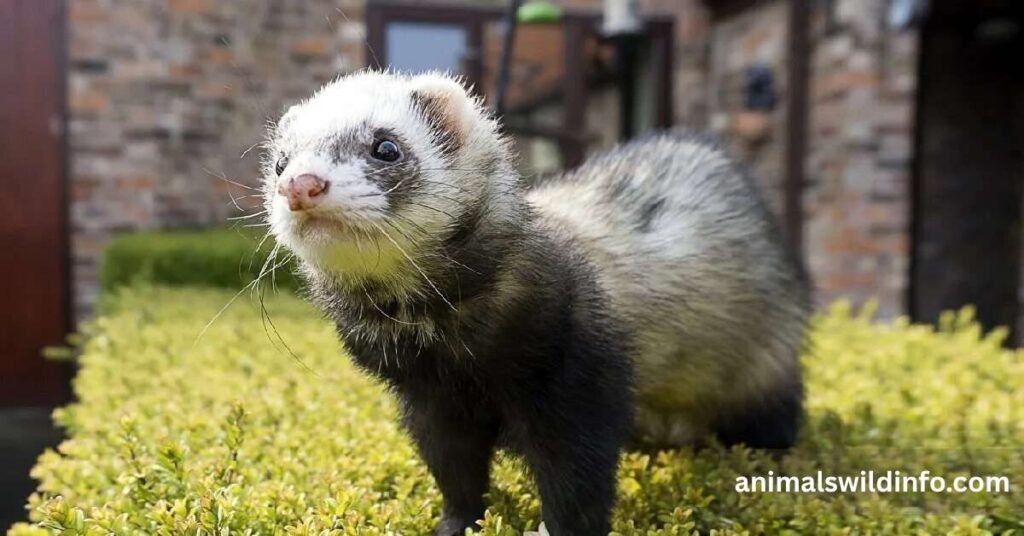
Ferrets carry that same Mustelidae bloodline as the weasel, but they’ve built a reputation for something else entirely: companionship. Unlike many small wild mammals on this list, ferrets crave social contact, whether with each other or with the humans who keep them as pets. That need for connection makes them unusually easy to bond with.
Underneath the playful exterior, though, is a serious hunter. Ferrets have been used for centuries to flush rabbits from burrows, thanks to their natural burrowing behavior and fearless attitude underground. That same tenacity, paired with sharp survival instincts, is exactly what draws comparisons to the mongoose’s hunting style.
Linsang
Scientific name: Prionodon Class: Mammalia Diet: Carnivore
Head to the tropical forests of Southeast Asia, and you might catch a glimpse of the linsang, a sleek, tree-dwelling hunter with a striped fur coat and a long tail for balance. Unlike ground-dwelling mongooses, the linsang lives most of its life in the canopy, leaping between branches with a flexible body built for climbing.
Its diet tells a similar story of adaptability. Linsangs eat fruit, small mammals, and birds, switching between roles as fruit eater and rodent hunter depending on what’s available. A sharp sense of smell helps it track prey through thick foliage, proving that even in the treetops, this agile mammal hunts with mongoose-like precision.
Genet
Scientific name: Genetta genetta Class: Mammalia Diet: Omnivore
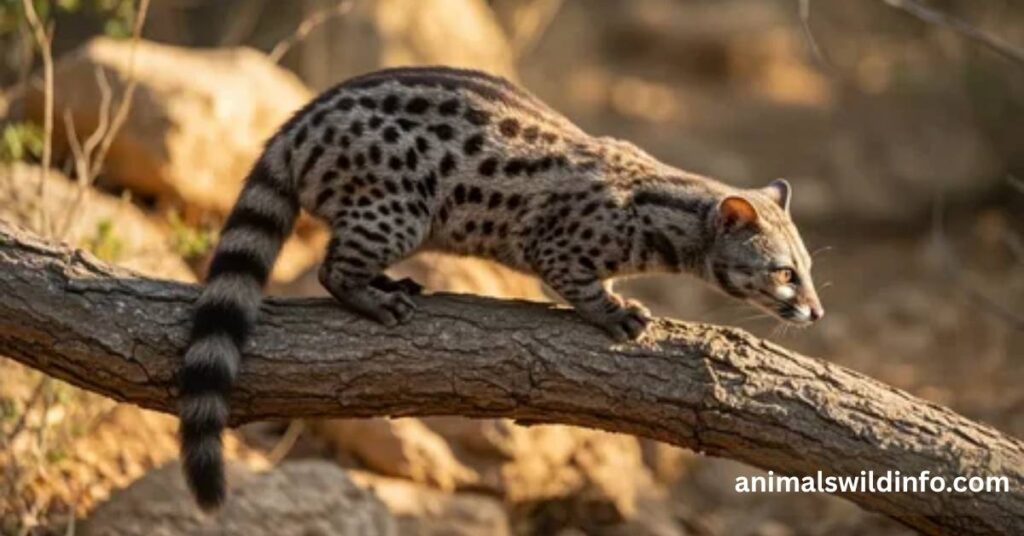
The genet brings a touch of elegance to the African and European landscape. With its spotted coat and catlike movements, it’s often mistaken for a small feline, but it’s actually part of the Viverridae family and a genuine mongoose look-alike. Genets are nocturnal hunters, relying on stealth rather than speed to catch their next meal.
Where mongooses often hunt in packs, genets prefer to go it alone. That solitary lifestyle lets them cover more ground and avoid competition for food. Their diet includes rodents, insects, and birds, making them true opportunistic feeders that adjust to whatever their forest or savanna habitat provides.
Marten
Scientific name: Martes martes Class: Mammalia Diet: Omnivore
Found across Eurasia and parts of North America, the marten is a skilled climber with a bushy tail and sharp claws built for gripping bark. It’s most active at dawn and dusk, which makes catching a glimpse of one feel like a small stroke of luck. That elusiveness only adds to its appeal among wildlife watchers.
Martens are true omnivorous mammals, feeding on everything from small mammals to seasonal fruit. This flexible diet lets them thrive in forests, alpine regions, and everywhere in between. By keeping rodent numbers in check, martens also play a quiet but important role in rodent population control and overall ecosystem balance.
Stoat
Scientific name: Mustela erminea Class: Mammalia Diet: Carnivore
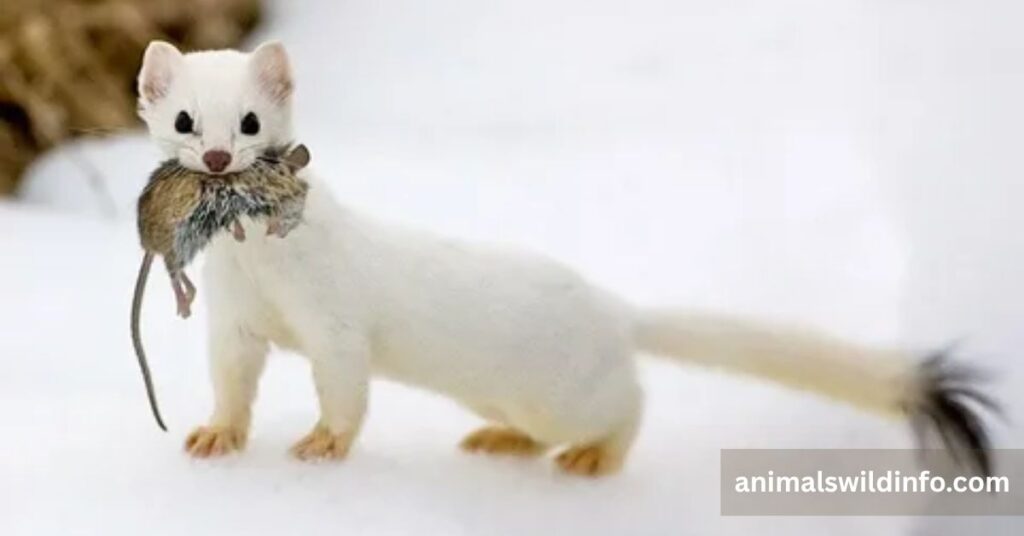
The stoat might be small, but it hunts like something twice its size. Its thick fur turns snow-white in winter, giving it near-perfect camouflage across northern landscapes. That seasonal shift isn’t just for show. It’s a survival tool that’s been fine-tuned by generations of harsh winters.
What makes the stoat especially fascinating is its brain-to-body ratio, which rivals that of much larger predators. Stoats use a calculated “pounce and dispatch” method to take down rabbits and voles, chasing them straight into burrows if needed. That kind of stealth hunter precision is exactly the trait that earns the stoat its spot among top mongoose comparison animals.
Civets
Scientific name: Paradoxurus hermaphroditus Class: Mammalia Diet: Omnivore
Civets wander through tropical forests, savannas, and even city edges with the same adaptability that defines so many wildlife species on this list. Their catlike faces and long tail give them a distinct look, but their real value lies in what they eat. As they munch on fruit, civets scatter seeds across the landscape, making them key players in seed dispersal.
Beneath that quiet exterior is a complicated social life. Civets mostly stick to a solitary lifestyle, using scent marking to claim territory and communicate with others from a distance. That balance between predator and forager gives civets a role that’s every bit as important as the mongoose’s in maintaining biodiversity.
Mink
Scientific name: Neovison vison Class: Mammalia Diet: Carnivore
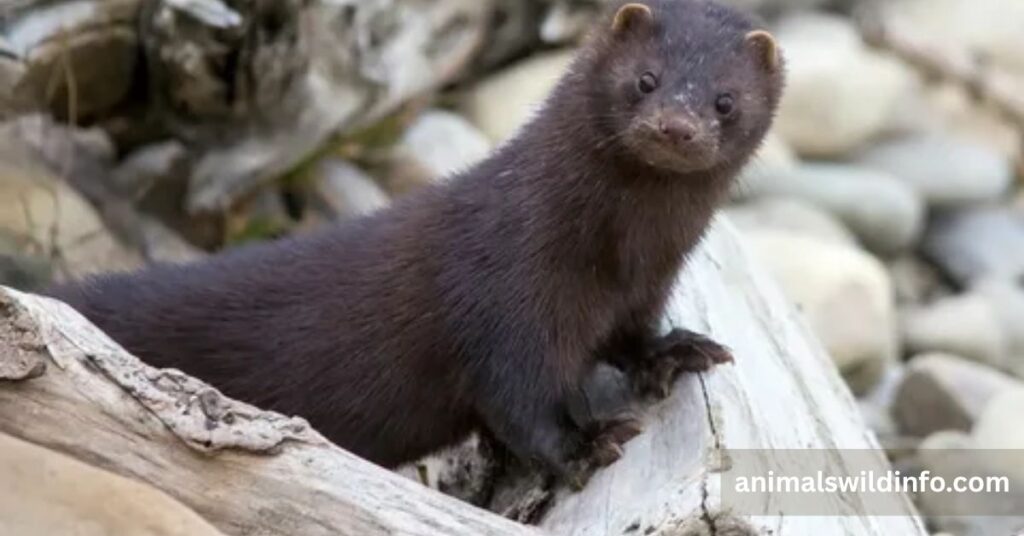
The mink takes the mongoose’s hunting instincts and adds water into the mix. This semi-aquatic member of the Mustelidae family is a genuine skilled swimmer, diving after fish and amphibians with the same confidence a mongoose shows on dry land. Its sleek fur, once prized by the fur trade, hints at just how well-adapted it is to cold, wet environments.
Minks are curious and quick, blending fast reflexes with sharp instincts to hunt fish, small mammals, and amphibians across North America and Eurasia. Like many animals on this list, they lead a solitary lifestyle, marking territory with a musky scent that keeps rivals at bay.
Read More: 12 Fascinating Animals With Shells Found Around the World
Tayra
Scientific name: Eira barbara Class: Mammalia Diet: Omnivore
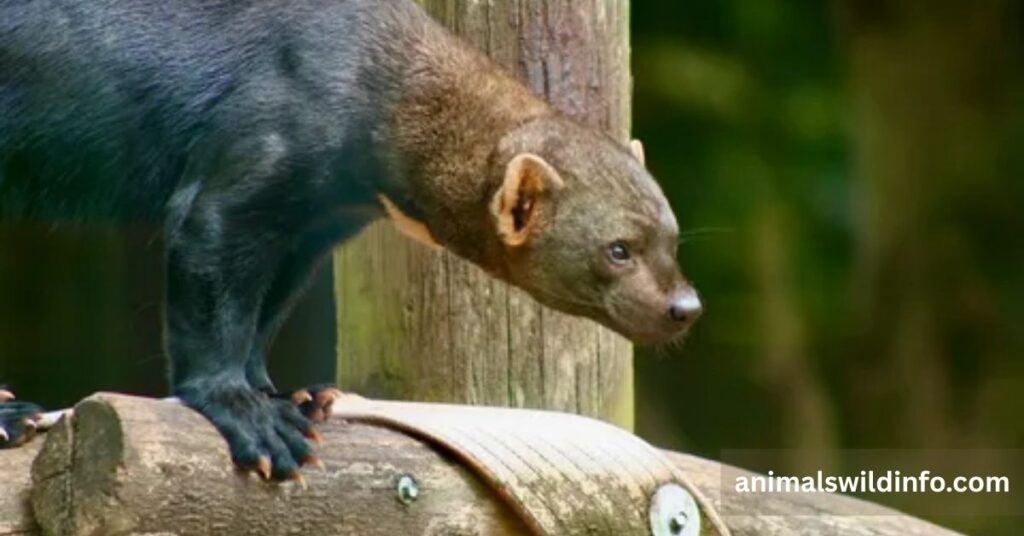
Roaming through Central America and South America, the tayra looks a bit like an oversized ferret, with an elongated body and a bushy tail built for climbing. Unlike most animals on this list, tayras often live in small family groups, foraging together through the treetops in search of fruit and insects.
What really sets the tayra apart is its intelligence. These animals have been observed cracking nuts by dropping them onto rocks, a rare example of tool use among mammals. That kind of curiosity and problem-solving, paired with a wide vocal range for communication calls, makes the tayra one of the smartest mammalian predators on this list.
Why Do These Animals Resemble Mongooses?
It’s not a coincidence that so many unrelated species end up looking and acting alike. This is a case of convergent evolution, where different animals develop similar traits because they face similar challenges. Whether it’s chasing rodents through tight burrows or dodging larger predators, these pressures shape bodies and behaviors in remarkably similar ways.
That’s why you’ll spot the same patterns again and again: a slender-bodied frame, sharp mammals with sharp claws, and lightning-fast reflexes. These quick hunting animals also share sharp senses and strong survival skills, whether they’re terrestrial mammals chasing prey across open ground or forest mammals slipping silently through the undergrowth. Nature simply keeps reusing a winning formula.
Mongoose vs. Similar Animals: Key Differences
While these animals share plenty in common with the mongoose, they’re far from identical. Family background, habitat, and diet all set them apart in meaningful ways. The table below breaks down how each species compares.
| Animal | Family | Habitat | Diet | Social Behavior |
| Mongoose | Herpestidae | Grasslands, forests | Omnivore | Pack or solitary, depending on species |
| Meerkats | Herpestidae | Deserts, savannas | Omnivore | Highly social family groups |
| Weasel | Mustelidae | Woodlands, grasslands | Carnivore | Mostly solitary |
| Ferrets | Mustelidae | Burrows, domestic settings | Carnivore | Social |
| Linsang | Prionodontidae | Tropical forests | Carnivore | Solitary |
| Genet | Viverridae | Forests, savannas | Omnivore | Solitary |
| Marten | Mustelidae | Forests, alpine regions | Omnivore | Solitary |
| Stoat | Mustelidae | Forests, mountains | Carnivore | Solitary |
| Civets | Viverridae | Tropical forests, urban edges | Omnivore | Solitary |
| Mink | Mustelidae | Wetlands, rivers | Carnivore | Solitary |
| Tayra | Mustelidae | Central and South American forests | Omnivore | Small family groups |
When you compare mongoose vs meerkat, the family tie is obvious since both belong to Herpestidae. But when you look at ferret vs mongoose or mink vs mongoose, the connection comes down to shared behavior rather than shared bloodlines. That’s what makes this whole group of animals so interesting to study side by side.
Where Are Animals Like Mongooses Found?
Geography plays a huge role in shaping these species. True mongooses and genets call Africa and Asia home, thriving in savannas and dense woodland. Meanwhile, weasels, martens, stoats, and mink have spread across Europe and North America, adapting to everything from snowy mountains to river wetlands. Linsangs stick closer to the humid, layered canopies of Southeast Asia, while tayras have carved out a niche across Central America and South America.
What’s remarkable is just how many different natural habitats these animals call home. You’ll find them in dense woodlands, open grasslands, and wetlands, and even along the edges of growing cities. That kind of range shows just how adaptable this broader group truly is, and it’s part of why researchers keep uncovering new details about their ecological role in local food chains.
Final Thoughts
From the icy camouflage of the stoat to the tight-knit teamwork of meerkats, these ten animals prove there’s more than one way to be mongoose-like. Each species brings its own strengths to the table, whether that’s climbing skill, swimming ability, or sheer cunning. Together, they highlight just how varied and resourceful nature’s small predators can be.
Understanding these animals isn’t just a fun exercise. It’s a reminder of how connected ecosystems really are, and how much wildlife conservation matters for keeping that balance intact. The next time you spot a quick, sharp-eyed creature darting through the grass, you’ll know it might just be one of the mongoose’s many fascinating relatives.
FAQ’s
The meerkat is the closest match. It belongs to the same Herpestidae family as the mongoose and shares its social structure, alertness, and hunting style.
Weasels, ferrets, genets, civets, and martens all share physical and behavioral traits with the mongoose, including slender bodies, sharp claws, and quick reflexes.
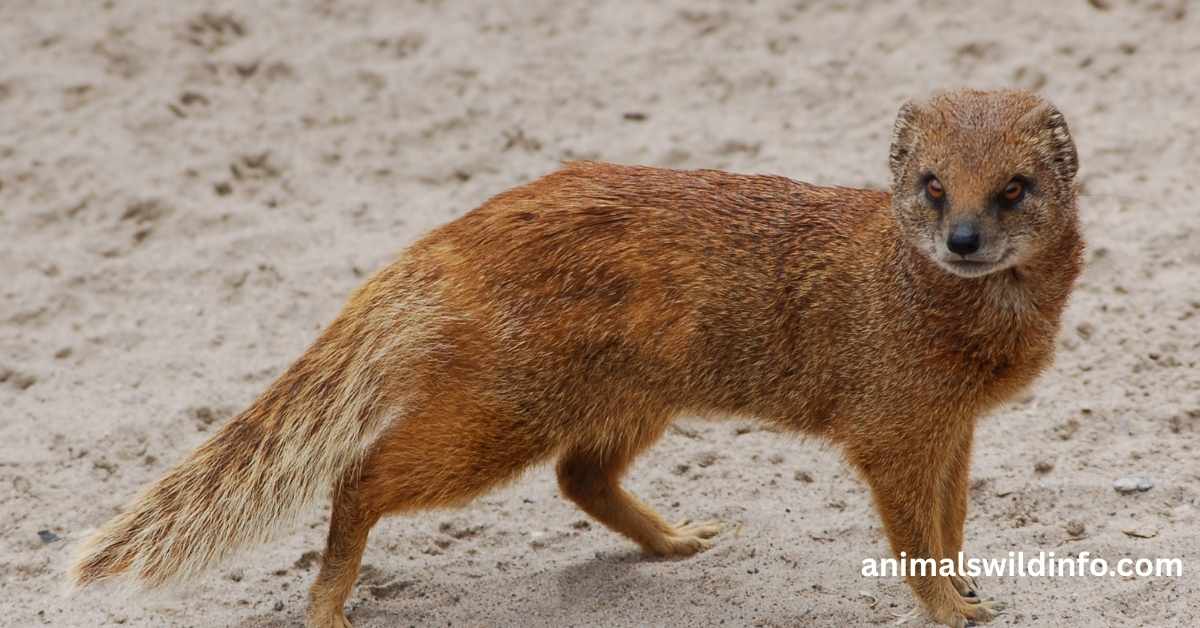
A mongoose has a long body, short legs, a pointed snout, and a bushy tail. Its fur ranges from brown to grey, and its build is made for speed and agility.
Five well-known animal families include Herpestidae (mongooses), Mustelidae (weasels, minks), Felidae (cats), Canidae (dogs), and Viverridae (civets, genets). Each group shares traits like diet, body shape, and habitat.
Weasels, ferrets, genets, martens, and civets all resemble the mongoose in body shape and hunting style. They share the same slender body, sharp claws, and quick reflexes.
Large birds of prey, such as eagles and hawks, pose a major threat to mongooses. Big cats and snakes, despite the mongoose’s snake-fighting reputation, also rank among its top predators.
The five main animal types are mammals, birds, reptiles, amphibians, and fish. Each group is classified by traits like body covering, reproduction, and habitat.