Top 22 Mischievous Animals in the World (With Pictures & Amazing Facts)
Have you ever watched a raccoon open a trash can like it owns the place? Or seen a seagull swoop in and steal a sandwich right out of someone’s hand? Nature is full of little tricksters. These mischievous animals don’t just survive. They play, scheme, and outsmart everyone around them, including us.
This list covers the most mischievous animals in the world. You’ll find familiar backyard critters and a few surprising clever animals from around the globe. Each one earns its spot through playful antics, sharp wit, or a talent for stealing food. By the end, you’ll understand why these animal pranksters act the way they do, and you might just look at your neighborhood squirrel a little differently.
Let’s dig in.
What Makes an Animal Mischievous?
Mischief in the animal kingdom isn’t about being bad. It’s about curiosity, intelligence, and a drive to explore. Intelligent animals often test their limits. They poke, pull, and investigate things they shouldn’t. This kind of play behavior helps young animals build problem-solving skills they’ll need later in life. A cub that wrestles with its sibling today learns how to hunt tomorrow.
Mischief also comes from survival instincts. Many naughty animals steal food because it’s easier than hunting for it themselves. Others use tool use or teamwork to get what they want. Scientists call this adaptive behavior, and it shows up again and again in wildlife behavior studies. The smartest species on this list share one thing in common: they treat the world like a puzzle, and they love solving it.
List of Mischievous Animals
Here are 22 of the most mischievous animals in the world, each one known for funny habits, sneaky tricks, or downright cunning behavior. Some live in your backyard. Others roam far-off jungles and oceans. All of them prove that mischief is simply nature’s way of keeping things interesting.
Capuchin Monkey
| Scientific Name | Class | Diet |
| Cebus | Mammalia | Omnivore |
The Capuchin monkey is one of the smartest primates on Earth. It uses stones as tools to crack open nuts, a clear sign of real animal cognition. Capuchins also steal food from each other just for the thrill of it. Watch a group for long enough, and you’ll see full-blown social behavior unfold, complete with tricks, distractions, and the occasional dramatic chase.
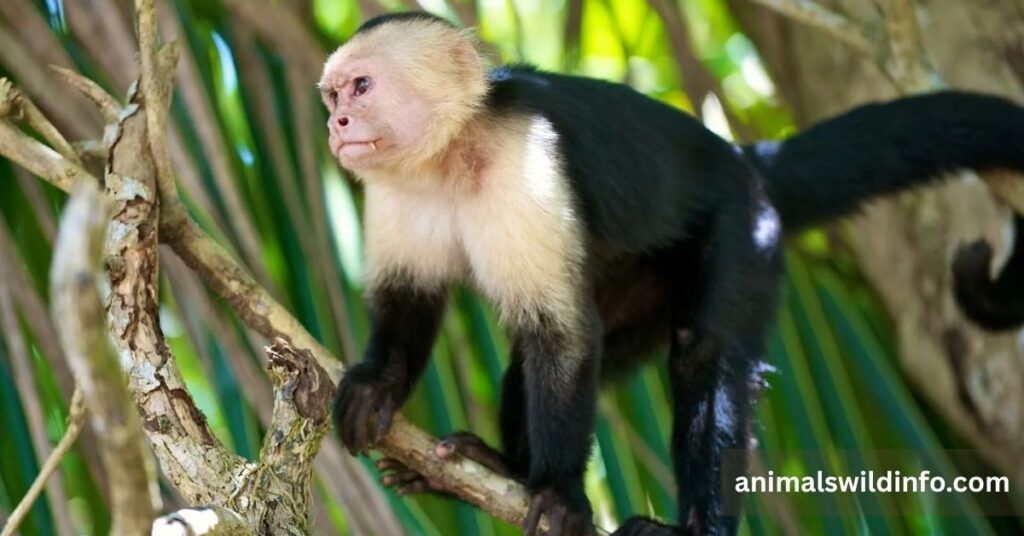
This isn’t random chaos, though. Every prank builds trust and rank within the group. Curious animals like the Capuchin learn by watching others, then copying what works. That’s observational learning in action, and it’s one reason these monkeys stay a step ahead of nearly everyone else in the forest.
Raccoon
| Scientific Name | Class | Diet |
| Procyon lotor | Mammalia | Omnivore |
Ask any homeowner in the United States, and they’ll tell you: the raccoon is a certified escape artist. It can twist open latches, unscrew jar lids, and flip a trash can lid without breaking a sweat. Its front paws work almost like little hands, giving it an edge most wild animals with playful behavior simply don’t have.
Raccoons are also surprisingly social. They chatter, purr, and even play-fight with one another at night. This nocturnal lifestyle, paired with sharp problem-solving skills, makes the raccoon one of the most resourceful animals in North America. Once you’ve lost a cooler to one, you never underestimate them again.
Seagull
| Scientific Name | Class | Diet |
| Laridae | Aves | Omnivore |
Anyone who’s visited a beach knows the seagull doesn’t ask before it takes your fries. These birds are bold, loud, and shockingly strategic. Some gulls work in pairs, using a distraction strategy where one bird swoops in low while another grabs the food. That’s cooperative behavior, and it’s rare to see in birds this size.
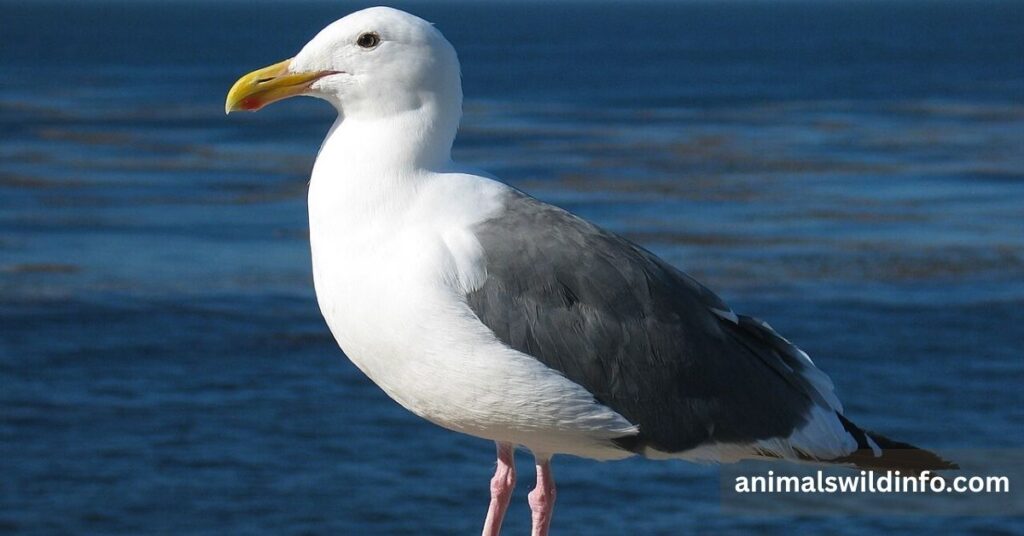
Seagulls also adjust their tactics based on location. Coastal gulls behave differently from ones near city dumpsters, showing real environmental adaptation. Call them opportunistic feeders if you want to be polite. Most beachgoers just call them thieves with wings.
Pig
| Scientific Name | Class | Diet |
| Sus scrofa domesticus | Mammalia | Omnivore |
People underestimate the pig, and that’s a mistake. Pigs are far smarter than most farm animals, and they know it. They root through hay, sneak past fences, and figure out gate latches with startling speed. Farmers often say a bored pig is a dangerous pig, mostly because boredom turns straight into mischief.
In the wild, pigs roll in mud for cooling and comfort, but they also seem to genuinely enjoy it. That playful streak carries into everything they do. Their curious nature and sharp memory make them one of the more intelligent wildlife species most people never give credit for.
Elephant
| Scientific Name | Class | Diet |
| Loxodonta africana / Elephas maximus | Mammalia | Herbivore |
The elephant is massive, gentle, and surprisingly playful. Young elephants splash water on their herd mates during baths, turning a simple routine into a full-blown game. They also sneak up on older relatives just to startle them, a behavior researchers describe as play behavior tied to social hierarchy.
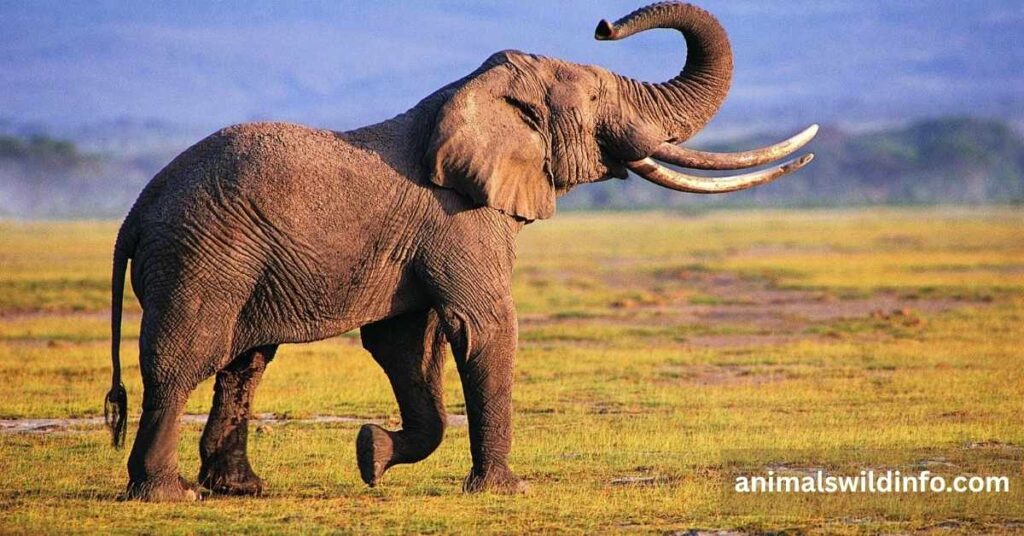
Elephants remember faces, routines, and even grudges for years. That kind of memory feeds directly into their mischief. A herd isn’t just a family unit. It’s a tight-knit group where group dynamics shape how, when, and why the fun happens.
Chimpanzee
| Scientific Name | Class | Diet |
| Pan troglodytes | Mammalia | Omnivore |
Our closest animal relative, the chimpanzee, shares more than just DNA with humans. It shares a sense of humor. Chimps hoard tools, steal food from rivals, and play games that look a lot like tag. Some researchers have even documented laughter-like sounds during their play sessions.
This mischief serves a purpose beyond fun. It strengthens bonds and teaches younger chimps how to navigate their world. Their advanced problem-solving skills and rich animal communication system make chimpanzees one of the clearest examples of animal emotions at work in nature.
Read More: Top 20 Animals With Long Necks (With Pictures & Amazing Facts)
Raven
| Scientific Name | Class | Diet |
| Corvus corax | Aves | Omnivore |
The raven has a reputation for wisdom, but don’t let that fool you. This bird loves trouble. Ravens use sticks to dig out insects, slide down snowy rooftops for no reason but fun, and steal shiny objects just because they catch the light. That’s tool-using animals behavior mixed with pure entertainment.
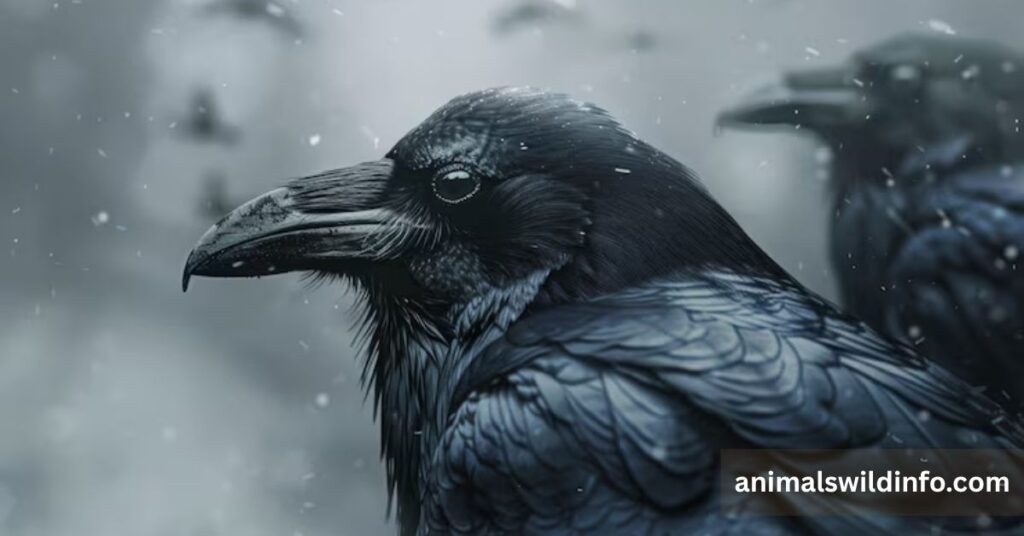
What sets ravens apart is how they share their tricks. Once one raven learns a clever move, others pick it up fast. This social interaction creates a network of sneaky, capable birds that always seem to be one step ahead of the humans around them.
Macaque
| Scientific Name | Class | Diet |
| Macaca | Mammalia | Omnivore |
Visit a tourist site in Asia, and you’ll likely meet a macaque willing to steal your sunglasses. These monkeys have learned that humans carry interesting things, and they’ve turned theft into an art form. Japanese macaques, in particular, show remarkable adaptability, adjusting their behavior based on the environment around them.
Their mischief isn’t random. It’s tied closely to social hierarchy within the troop. Playful skirmishes and small thefts help establish rank and build alliances. Underneath the chaos lies a surprisingly organized society full of cunning animals working out their place in the group.
Dog
| Scientific Name | Class | Diet |
| Canis lupus familiaris | Mammalia | Omnivore |
Man’s best friend is also one of the world’s favorite animal pranksters. From stealing socks to staging dramatic food heists, the dog turns everyday moments into comedy. That guilty look after a shoe gets destroyed isn’t an accident. Dogs read human emotion well, and they use it to their advantage.

This mischief traces back to ancestral survival instincts. Play helped young dogs build the stealth and agility needed for hunting long before domestication. Today, that same instinct shows up as backyard zoomies and sneaky treat heists, a small window into a very old lineage.
Goat
| Scientific Name | Class | Diet |
| Capra aegagrus hircus | Mammalia | Herbivore |
Few animals climb like the goat. These agile creatures scale trees, roofs, and steep cliffs just because they can. Their curiosity knows almost no boundaries, and farmers often find them somewhere they absolutely shouldn’t be. It’s not defiance exactly. It’s pure exploration behavior.
Goats also work together when mischief calls for teamwork. They’ll nudge open gates or help each other reach hay bales just out of reach. This kind of cooperative behavior shows that goats aren’t just wandering aimlessly. They’re solving problems as a team, and having fun doing it.
Squirrel
| Scientific Name | Class | Diet |
| Sciuridae | Mammalia | Omnivore |
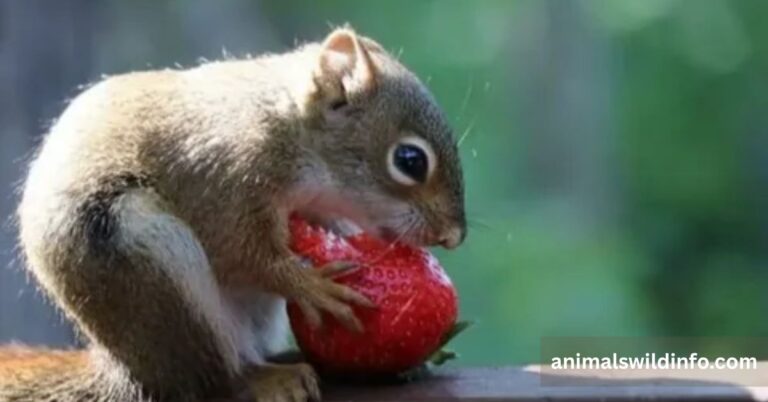
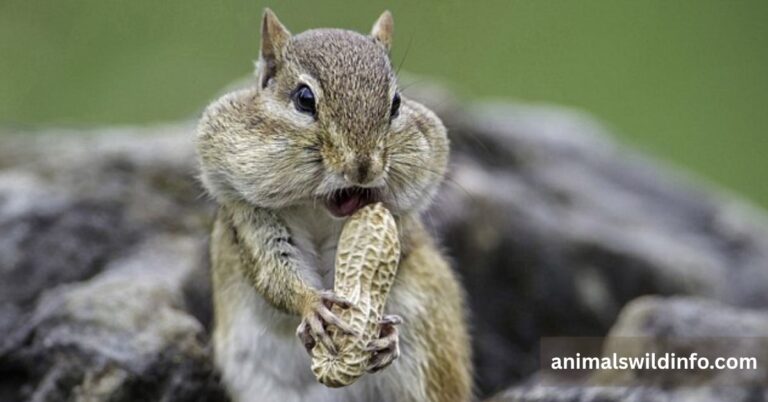
The backyard squirrel might be the most underrated trickster on this list. Researchers have documented deceptive caching, where squirrels pretend to bury food in one spot while actually hiding it somewhere else. That’s a clear sign of cognitive abilities far beyond simple instinct.
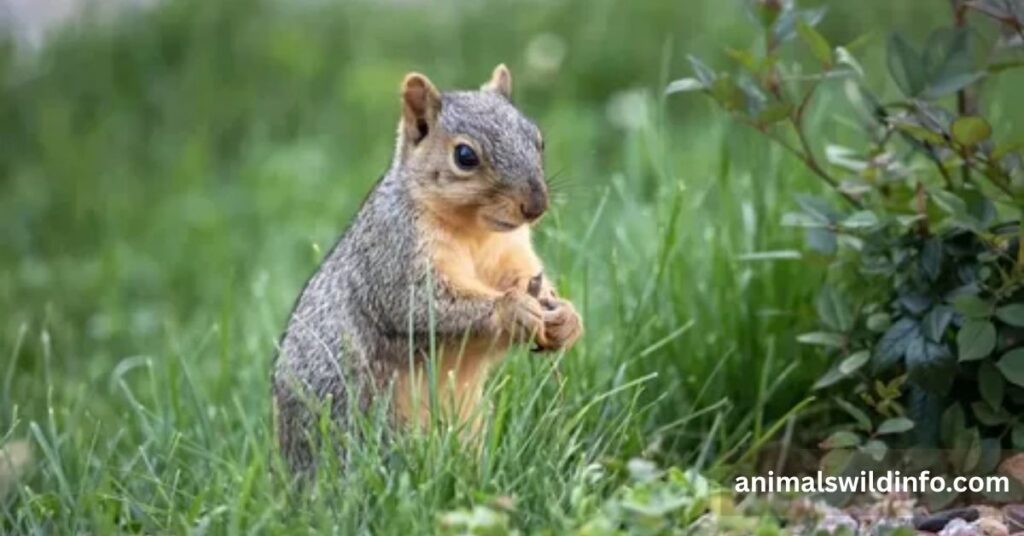
Different squirrel species show different styles of mischief. Tree squirrels raid bird feeders with acrobatic precision, while ground squirrels dig burrow systems that confuse predators completely. Whatever the method, squirrels prove that even small playful mammals can be remarkably sneaky animals.
Bear
| Scientific Name | Class | Diet |
| Ursidae | Mammalia | Omnivore |
National park visitors know the bear as a master of the cooler heist. These animals unlatch containers, flip picnic tables, and raid campsites with a mix of strength and surprising finesse. It’s not just brute force. It takes real problem-solving skills to get past a bear-proof lock.
Bears also roll in dirt and snow, partly to cool off and partly, it seems, just because it feels good. Cubs learn survival skills through mock fights and wrestling with their mothers. Underneath that tough exterior sits a genuinely playful behavior pattern passed down through generations.
Read More: Top 14 Animals with Whiskers (With Pictures & Amazing Facts)
Ferret
| Scientific Name | Class | Diet |
| Mustela putorius furo | Mammalia | Carnivore |
Bring a ferret into your home, and prepare for chaos. These small mammals turn every room into a playground. They dig through laundry, chase invisible targets, and squeeze into gaps you didn’t know existed. Their curious nature has no off switch.
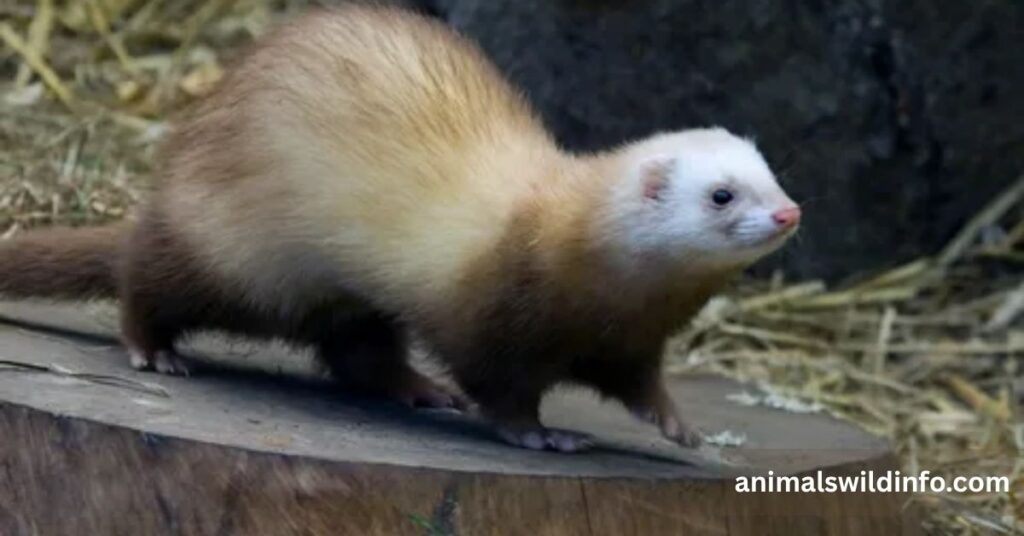
Ferrets also thrive in social settings, often mimicking hunting behavior during group play. This mix of intelligence and energy makes them exhausting, lovable pets. Owners quickly learn that any gap, drawer, or loose vent is fair game for a determined ferret.
Dolphin
| Scientific Name | Class | Diet |
| Delphinidae | Mammalia | Carnivore |
The ocean’s favorite jokester, the dolphin, loves a good game. They ride boat wakes for fun, play tug-of-war with seaweed, and have even been seen nibbling at the tails of unsuspecting fish. This kind of playful antics goes beyond simple survival behavior.
Some studies suggest dolphins might understand humor, at least in a basic sense. Their complex animal communication system, built on clicks and whistles, helps coordinate these games across the pod. Few sea creatures combine intelligence and playfulness quite like the dolphin does.
Otter
| Scientific Name | Class | Diet |
| Lutrinae | Mammalia | Carnivore |
Watch an otter slide down a muddy bank into the water, and you’ll understand instantly why people love this animal. Otters play constantly, using rocks to crack open shellfish and turning nearly every activity into a game. This isn’t just fun. It builds survival strategies young otters need later on.
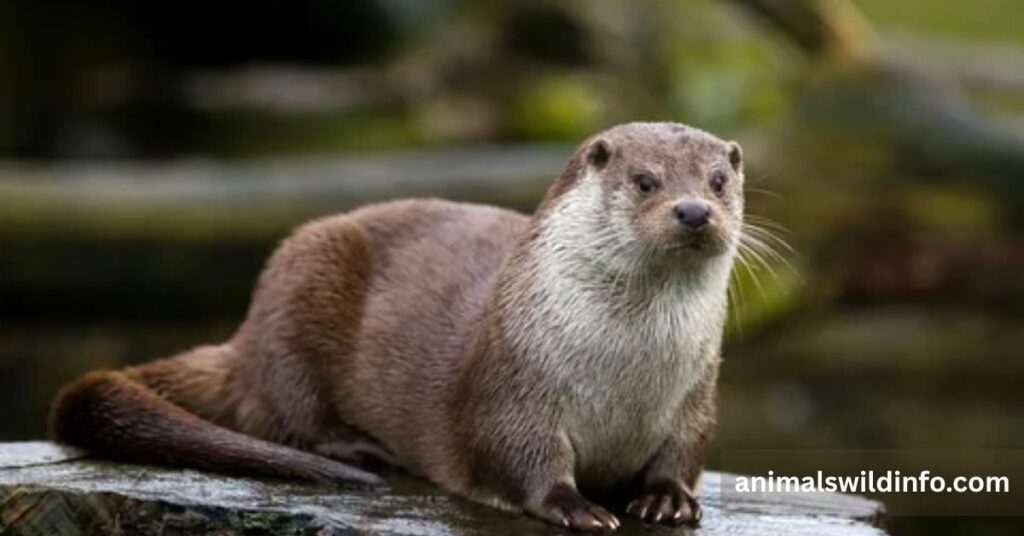
Otters also show a strong sense of community. Groups often swim together in sync or team up to steal food from unsuspecting birds. That balance of playfulness and cooperation makes the otter one of nature’s most charming social animals.
Coyote
| Scientific Name | Class | Diet |
| Canis latrans | Mammalia | Omnivore |
The coyote thrives almost everywhere in North America, from remote deserts to busy city suburbs. Its adaptability is nearly unmatched among wild canines. Coyotes shift their hunting style depending on food availability, switching easily between solo hunts and pack strategies.
Communication plays a huge role in their success. Yips, howls, and barks send detailed messages across long distances, coordinating hunts and marking territory. This blend of wild instincts and street smarts keeps the coyote one step ahead of both predators and the humans trying to manage them.
Crow
| Scientific Name | Class | Diet |
| Corvus | Aves | Omnivore |
Few birds rival the crow when it comes to brainpower. Crows solve multi-step puzzles, recognize individual human faces, and hold grudges against people who’ve wronged them. That’s a serious level of animal cognition for a creature many people dismiss as a simple scavenger.
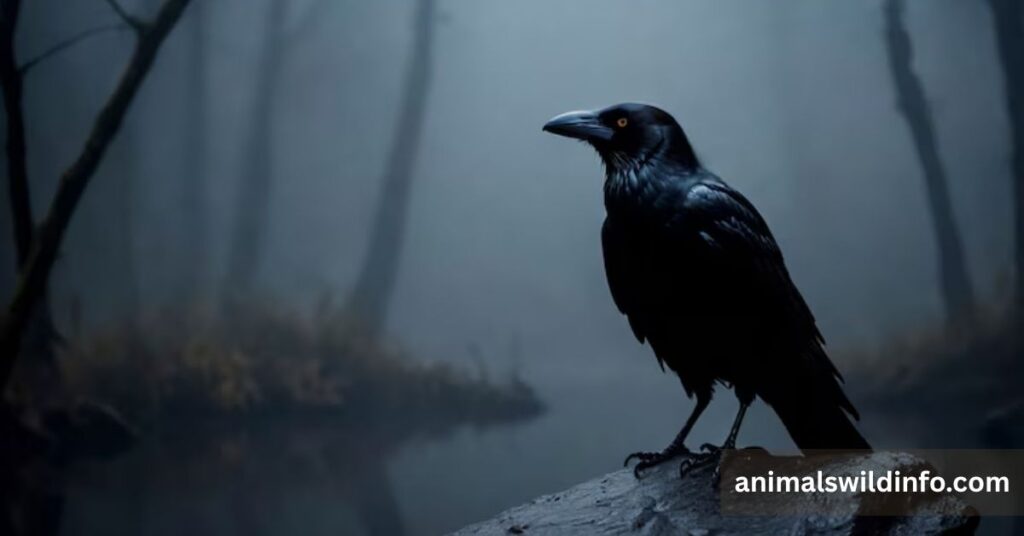
Crows also share knowledge fast. Once one bird figures out a clever food-gathering trick, the rest of the group often learns it too. Add in their playful aerial games and love of shiny objects, and you’ve got one of the most genuinely funny animals in the sky.
Cat
| Scientific Name | Class | Diet |
| Felis catus | Mammalia | Carnivore |
The house cat somehow manages to be both regal and completely ridiculous. One moment it’s dozing peacefully. The next, it’s knocking a glass off the counter while staring you dead in the eye. This isn’t clumsiness. It’s a hunter’s curiosity looking for a reaction.
Cats left without enough stimulation often invent their own mischief, from shredding houseplants to sprinting through paper bags at full speed. Give them proper toys and interactive play, though, and that same energy channels into something far less destructive. Either way, the cat remains one of the most naughty animals living in American homes today.
Magpie
| Scientific Name | Class | Diet |
| Pica pica | Aves | Omnivore |
The magpie has earned a reputation as a shameless collector of shiny things, though scientists now debate how true that really is. What’s certain is its intelligence. Magpies are among the few birds known to recognize themselves in a mirror, a rare sign of advanced cognitive abilities.
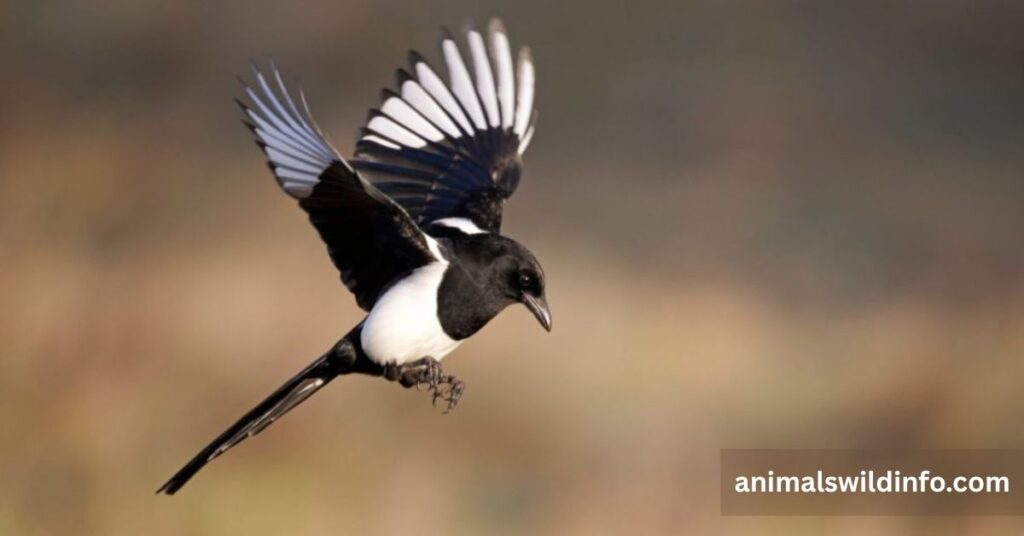
These birds also live in tight social groups, where observational learning helps young magpies pick up tricks from older ones. Their cheeky reputation might be a bit exaggerated, but their sharp mind and bold personality earn them a solid spot among the world’s trickster animals.
Parrot
| Scientific Name | Class | Diet |
| Psittaciformes | Aves | Omnivore |
Talk to a parrot long enough, and it might just talk back, sometimes at the worst possible moment. Parrots mimic sounds and phrases with startling accuracy, often using their new vocabulary to get attention or cause a bit of chaos in the house.
Beyond mimicry, parrots are gifted problem solvers. Many figure out how to open cage latches or untie simple knots just to explore outside their space. This combination of animal intelligence and boldness makes the parrot one of the most entertaining mischievous birds you can own.
Read More: Top 16 Animals That Drink a Lot of Water (Pictures & Surprising Facts)
Fox
| Scientific Name | Class | Diet |
| Vulpes vulpes | Mammalia | Omnivore |
Folklore has always painted the fox as sly, and real behavior backs that reputation up. Foxes use clever hunting tricks, like faking a pounce direction to confuse prey at the last second. In suburban areas across the United States, foxes have learned to slip through yards largely unnoticed.
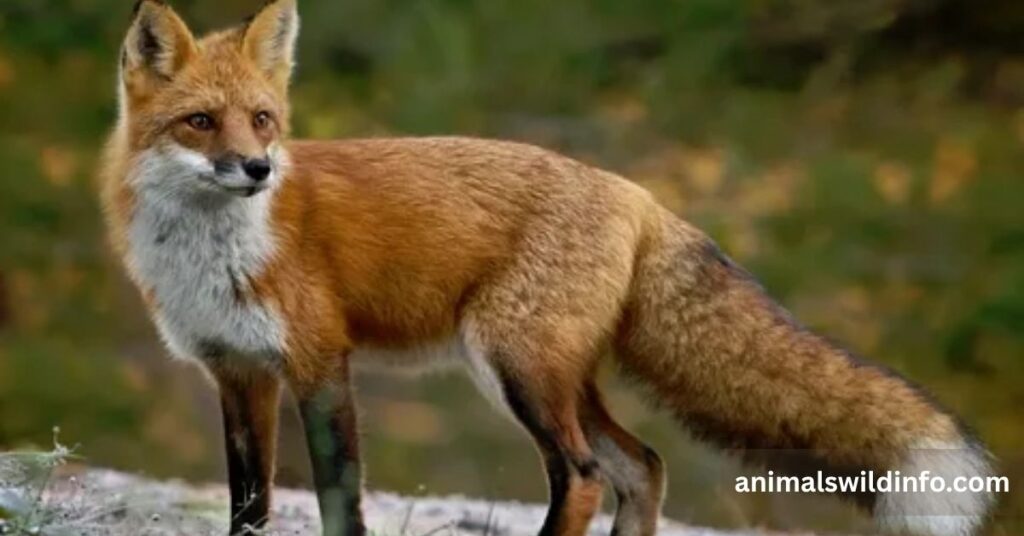
This blend of stealth and adaptability makes the fox a genuine cunning animal in every sense. It rarely announces its presence, preferring quiet observation over loud confrontation. That patient, calculated approach is exactly why the fox remains one of nature’s most respected sneaky animals.
Rat
| Scientific Name | Class | Diet |
| Rattus | Mammalia | Omnivore |
Most people don’t think of the rat as clever, but researchers consistently prove otherwise. Rats navigate mazes quickly, remember complex routes, and even show signs of empathy toward other rats in distress. That’s a surprising depth of animal cognition for a creature so often overlooked.
Urban rats survive by adapting constantly to changing environments, from sewer systems to city apartments. Their foraging behavior is relentless and highly organized, often involving teamwork within a colony. Underestimate the rat at your own risk. It’s one of the most resourceful animals on the planet.
Why Are Some Animals So Mischievous?
Mischief usually comes down to one thing: brains. Animals with higher cognitive development tend to explore more, test more, and push boundaries more often. This curiosity isn’t wasted energy. It’s how young animals practice the skills they’ll need to survive as adults, from hunting to escaping danger.
Play also strengthens social bonds. Many social animals use mischief to build trust, establish rank, or simply blow off steam. Think of it like how kids learn through games, testing limits in a safe space before facing the real world. For animals, a little trouble today often means better survival strategies tomorrow.
Common Traits of Mischievous Animals
Across every species on this list, a few patterns keep showing up. Here’s a quick breakdown of what most mischievous animals have in common.
| Trait | Why It Matters | Example |
| High intelligence | Helps solve problems fast | Crow, raven |
| Strong curiosity | Drives exploration and testing | Cat, ferret |
| Social learning | Spreads clever tricks through the group | Macaque, magpie |
| Adaptability | Allows survival in changing environments | Coyote, rat |
| Playful bonding | Builds trust and hierarchy | Elephant, otter |
These shared traits explain why mischief pops up again and again across such different species. Whether it’s a playful mammal in the forest or a mischievous bird in the city, the underlying drivers stay remarkably similar.
Conclusion
From the clever raccoon raiding a trash can to the sly fox slipping through a backyard at dusk, mischievous animals remind us that intelligence and playfulness go hand in hand. Their tricks aren’t random. They’re built on curiosity, memory, and a deep drive to understand the world around them.
Next time a squirrel outsmarts your bird feeder or a crow seems to remember your face, take it as a compliment. You’re witnessing animal intelligence at work, wrapped in a little bit of harmless chaos. These naughty animals don’t just survive in the wild. They make it a whole lot more fun.
Frequently Asked Questions
Many animals qualify, but the raccoon, crow, and capuchin monkey rank among the most mischievous. Each one shows strong problem-solving skills and a habit of stealing food or tools whenever the chance comes up.
The raccoon often takes the top spot. Its dexterous paws and sharp memory let it open latches, unscrew jars, and outsmart nearly every trash can made for humans.
The fox has long symbolized mischief in folklore and mythology. Its cunning hunting style and quiet, sneaky nature made it a natural symbol for trickery across many cultures.
The fox and the rat both rank high for sneaky behavior. Both species rely on stealth, patience, and sharp instincts to survive and thrive, often without humans even noticing they’re nearby.