Top 16 Animals That Drink a Lot of Water (Pictures & Surprising Facts)
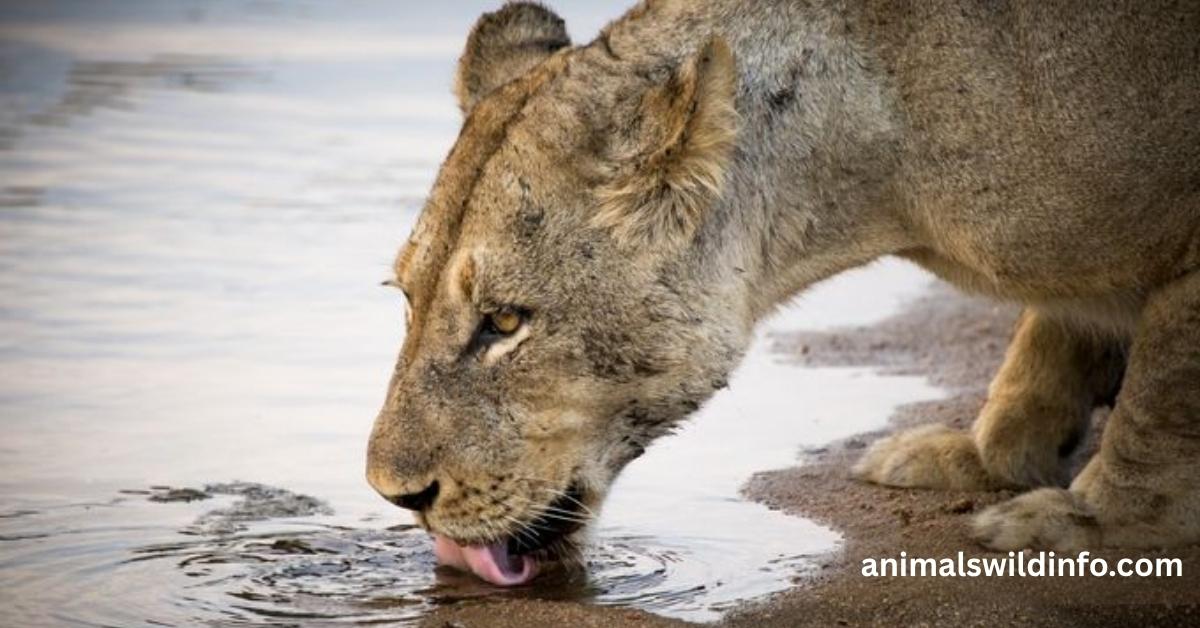
Did you know an elephant can drink enough water to fill a bathtub in one sitting? Nature is full of surprises like this. Some creatures need huge amounts of water just to survive the day. Others sip small amounts but still count among the thirstiest animals on Earth.
This guide looks at the Animals That Drink a Lot of Water, why they need it, and how their bodies handle hydration in wildlife. You’ll meet giants like elephants and hippos, along with smaller but surprising water-dependent animals like the marine iguana. Let’s dive in.
List of Animals That Drink a Lot of Water
Some species need water constantly. Others store it or pull it from food. Either way, these 16 animals stand out as true water-drinking animals. Here’s the full list before we explore each one in detail.
| Number | Animal |
| 1 | Elephant |
| 2 | Hippopotamus |
| 3 | Horse |
| 4 | Camel |
| 5 | African Buffalo |
| 6 | Water Buffalo |
| 7 | Cow |
| 8 | Rhinoceros |
| 9 | Moose |
| 10 | Giraffe |
| 11 | Zebra |
| 12 | Pig |
| 13 | Kangaroo |
| 14 | Proboscis Monkey |
| 15 | Marine Iguana |
| 16 | Deer |
Elephant
Scientific Name: Loxodonta africana (African), Elephas maximus (Asian)
Class: Mammalia
Diet: Herbivore
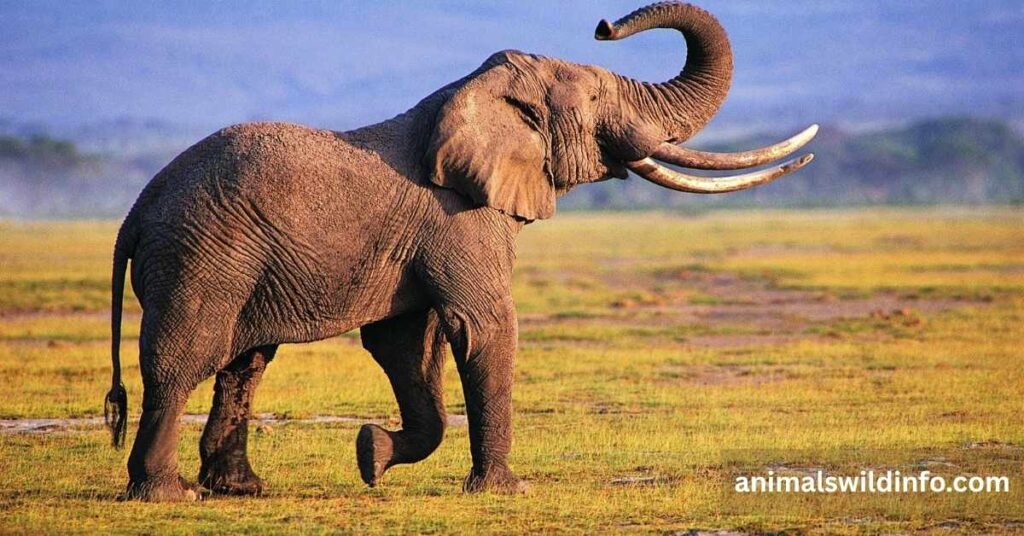
Elephant water consumption ranks among the highest in the animal kingdom. A single adult can drink between 18 and 30 gallons a day. That’s not just for thirst. Elephants use water to cool their huge bodies and protect their skin from the sun. They also spray mud over themselves after bathing, which acts like natural sunscreen and bug repellent.
What makes elephants fascinating is how they find water. They sense it underground through vibrations in the earth and dig wells with their trunks when rivers run dry. This skill helps entire herds survive droughts. It’s a clear example of animal survival and water working hand in hand, since without this instinct, elephant populations in dry regions simply couldn’t make it through the year.
Hippopotamus
Scientific Name: Hippopotamus amphibius
Class: Mammalia
Diet: Herbivore
Hippopotamus drinking habits are unlike almost any other land mammal. Hippos spend up to 16 hours a day submerged in rivers and lakes. This isn’t laziness. Their skin dries out fast in the sun, so water keeps them cool and protected. They can drink over 40 gallons daily, and much of their hydration comes simply from staying in the water for most of the day.
At night, hippos leave the water to graze on grass, sometimes walking miles to find food. This behavior shows a strong link between water availability and survival. Without nearby rivers or lakes, hippos couldn’t regulate their body temperature or protect their sensitive skin, which explains why they never wander far from freshwater habitats.
Read More: Top 26 Animals With No Legs That Will Amazingly Surprise You (Pictures)
Horse
Scientific Name: Equus ferus caballus
Class: Mammalia
Diet: Herbivore
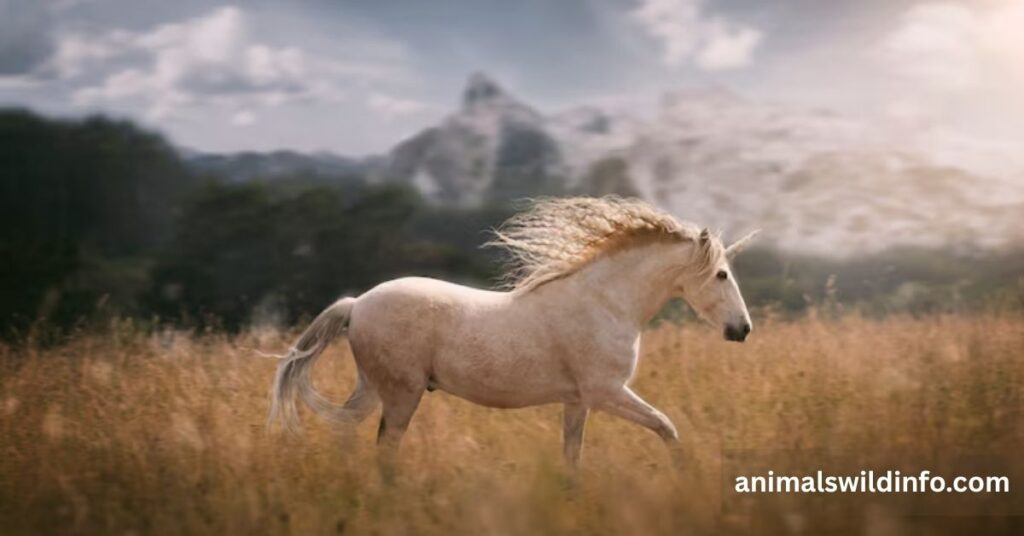
Horse daily water intake typically falls between 5 and 12 gallons, depending on size, activity, and weather. Horses in training or hot climates drink more to replace fluids lost through sweat. Unlike some animals, horses are picky drinkers. They prefer clean, cool water and often refuse water that smells odd or sits too long in a trough.
This pickiness actually protects them. Dirty water can carry bacteria that upset a horse’s sensitive digestive system. Owners who monitor water quality closely tend to see healthier, more energetic horses. It’s a simple reminder that animal hydration isn’t just about quantity. Quality matters just as much for these powerful, hardworking animals.
Camel
Scientific Name: Camelus dromedarius (Dromedary), Camelus bactrianus (Bactrian)
Class: Mammalia
Diet: Herbivore
Camel hydration works like nothing else in the animal world. Camels can lose up to 25% of their body weight in fluids without collapsing, something that would kill most mammals. When they finally reach water, they can drink over 30 gallons in just a few minutes. Their red blood cells are oval-shaped, which helps blood keep flowing even when the body is severely dehydrated.
This is a textbook case of desert adaptation. Camels don’t store water in their humps, as many people believe. Instead, their humps store fat, which the body converts into energy and a small amount of water when food runs low. Combined with their ability to close their nostrils against sand, camels are built for survival in extreme environments.
African Buffalo
Scientific Name: Syncerus caffer
Class: Mammalia
Diet: Herbivore
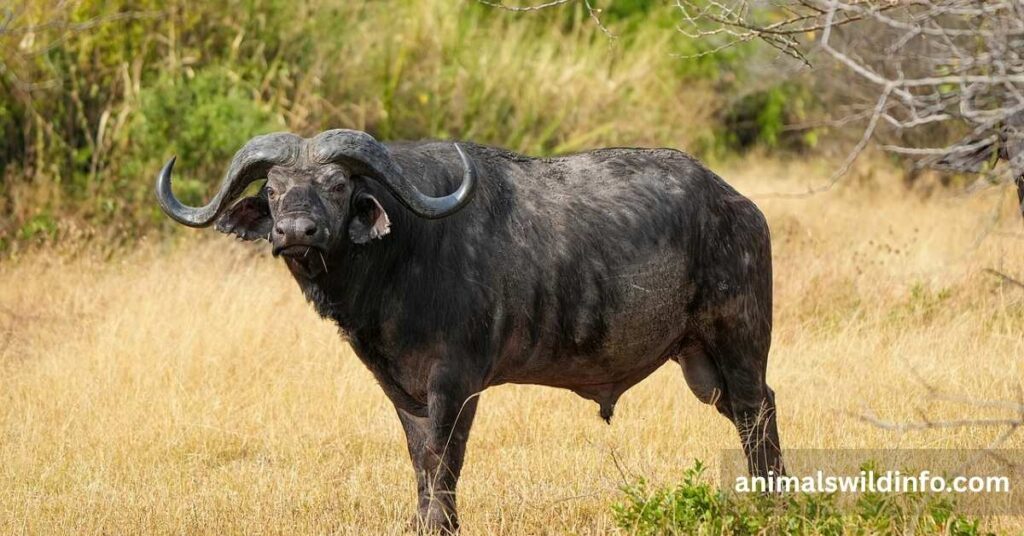
The African buffalo is a classic example of savannah wildlife built around water access. These animals drink up to 30 gallons a day and rarely stray more than a few miles from a water source. Herds often gather at the same waterhole daily, creating a rhythm that shapes their entire social life and grazing pattern.
Group drinking also protects buffalo from predators. Lions and crocodiles often wait near water, so buffalo herds stick together for safety in numbers. This shared caution shows how animal behavior around water isn’t only about thirst. It’s tied closely to survival strategies passed down through generations of the herd.
Water Buffalo
Scientific Name: Bubalus bubalis
Class: Mammalia
Diet: Herbivore
Water buffalo live up to their name. These animals practically depend on wallowing in mud and shallow water to survive hot, humid climates across Asia. They can drink around 20 to 30 gallons daily, and much of their day is spent partly submerged, cooling their thick, dark skin under the sun.
Unlike their African cousins, water buffalo have adapted specifically to wetland ecosystems and rice paddies, where they’re often used for farm labor. Their broad, splayed hooves let them walk through mud without sinking, a trait that sets them apart from most large animals that drink water. This adaptation makes them essential partners for farmers in flood-prone regions.
Cow
Scientific Name: Bos taurus
Class: Mammalia
Diet: Herbivore
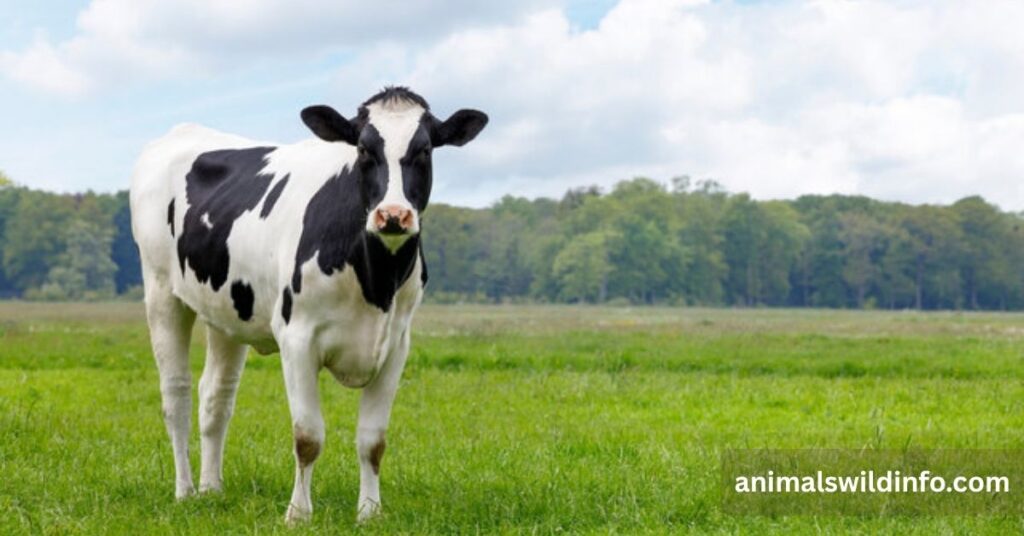
Cow water requirements are higher than most people expect. A dairy cow can drink between 30 and 50 gallons a day, especially during milk production, since milk itself is mostly water. Beef cattle drink slightly less but still need steady access to clean water to maintain healthy digestion and body condition.
Farmers who understand this often see better results. Cows that drink enough water produce more milk and stay healthier overall. This connection between daily water intake of animals and productivity is why ranchers invest heavily in reliable water systems. It’s one of the clearest examples of how hydration directly shapes an animal’s output and wellbeing.
Rhinoceros
Scientific Name: Ceratotherium simum (White Rhino)
Class: Mammalia
Diet: Herbivore
Rhino water needs are substantial, with adults drinking up to 40 gallons a day. Like hippos and buffalo, rhinos rely on mud wallows as much as open water. Wallowing cools their skin and forms a protective layer against biting insects and harsh sun, which matters since rhino skin, despite looking tough, sunburns easily.
Rhinos also use scent marking near waterholes to signal territory to other rhinos. This turns a simple drinking spot into a hub of communication and social structure. It’s a good reminder that water sources for animals often serve more than one purpose, blending survival, comfort, and social signaling into a single daily routine.
Read More: Top 20 Animals With Long Necks (With Pictures & Amazing Facts)
Moose
Scientific Name: Alces alces
Class: Mammalia
Diet: Herbivore
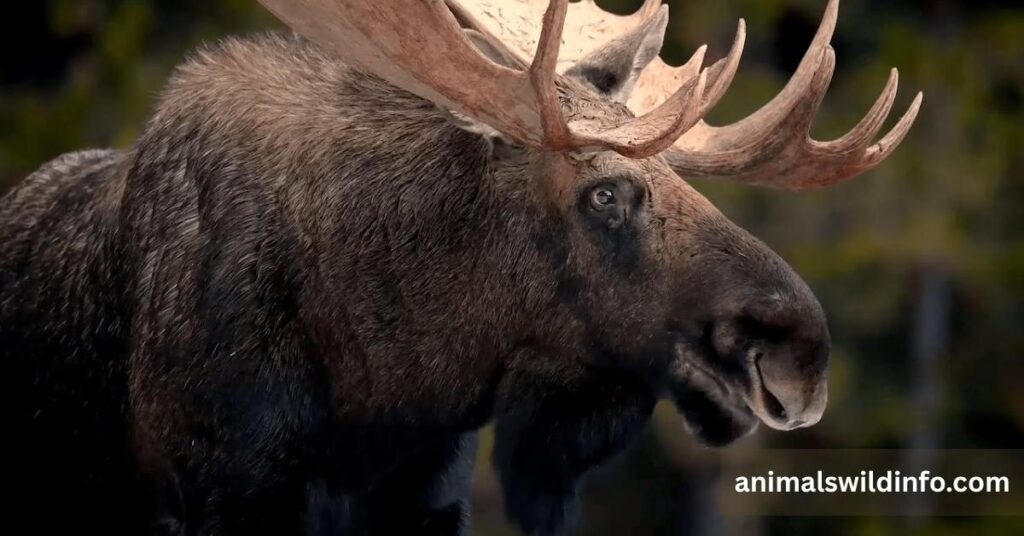
The moose habitat centers almost entirely around water. Moose live in forests, swamps, and near lakes, and they’re strong swimmers who dive underwater to reach aquatic plants. A moose can hold its breath for nearly 30 seconds while feeding below the surface, something few land mammals can manage.
Daily water intake for a moose reaches around 30 gallons, particularly in warmer months. Since moose have thick fur built for cold winters, they rely on water to stay cool once temperatures rise. This need makes them one of the more fascinating wetland animals, blending grazing habits with genuine aquatic skill few people expect from such a large land mammal.
Giraffe
Scientific Name: Giraffa camelopardalis
Class: Mammalia
Diet: Herbivore
Giraffe drinking behavior is famously awkward. Because of their long necks and legs, giraffes must spread their front legs wide or bend at an angle just to reach water. This position leaves them vulnerable to predators, so giraffes often drink quickly and in short bursts, staying alert the entire time.
Despite this risk, a giraffe can down up to 12 gallons in one session. Much of their daily hydration actually comes from moisture from food, especially acacia leaves, which contain high water content. This dual strategy of drinking and eating water-rich plants helps giraffes survive even when nearby watering holes run low during dry seasons.
Zebra
Scientific Name: Equus quagga
Class: Mammalia
Diet: Herbivore
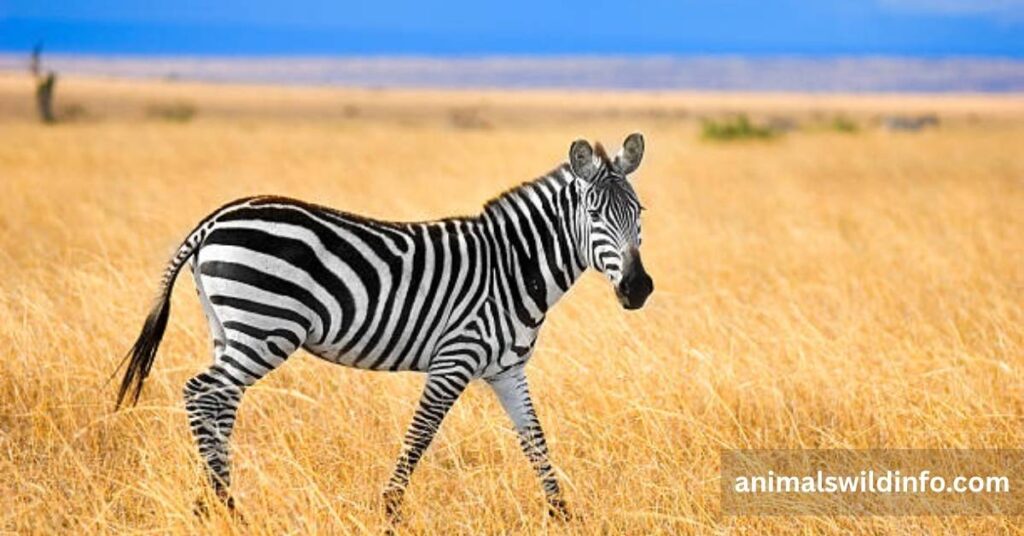
Zebra hydration habits mirror their close relatives, horses. Zebras drink roughly 8 to 10 gallons daily and often travel long distances during migration to find fresh water. Herds gather at shared waterholes, turning drinking time into a lively social event filled with movement, noise, and constant watching for predators.
This communal drinking style offers real protection. With many eyes on alert, zebras can spot lions or hyenas before an attack happens. It’s another strong example of animal drinking behavior shaped by survival instinct rather than convenience, proving that even something as simple as a drink can double as a defense strategy.
Pig
Scientific Name: Sus scrofa domesticus
Class: Mammalia
Diet: Omnivore
Pig water intake is often underestimated. Adult pigs drink between 3 and 8 gallons a day, though this rises sharply for pregnant or nursing sows. Since pigs lack functional sweat glands, water plays a huge role in thermoregulation. Without wallowing in mud or water, pigs can overheat quickly in warm weather.
This is why pigs seek out muddy patches whenever possible, not out of mess but necessity. The mud coats their skin and cools them the way sweat cools humans. As omnivorous mammals, pigs also get some hydration from fruits and vegetables in their diet, but nothing replaces direct access to clean drinking water for their overall health.
Kangaroo
Scientific Name: Macropus rufus
Class: Mammalia
Diet: Herbivore
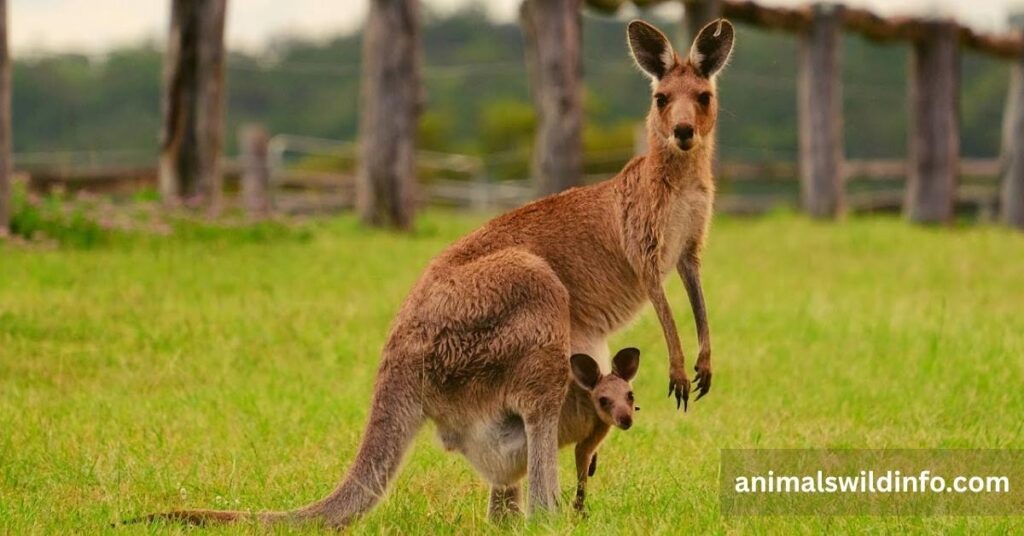
Kangaroo survival in Australia’s dry outback depends on smart water conservation rather than constant drinking. Kangaroos can go long stretches without direct water, pulling most of their hydration from grasses and shrubs instead. This adaptation lets them thrive in regions where water availability shifts dramatically between seasons.
When water is available, kangaroos will drink, but they’re built to minimize how often they need to. Their active hours during dawn and dusk also help them avoid the harshest heat, reducing water loss overall. This combination of behavior and biology makes kangaroos a standout among desert survival adaptations in the mammal world.
Read More: Top 14 Animals with Whiskers (With Pictures & Amazing Facts)
Proboscis Monkey
Scientific Name: Nasalis larvatus
Class: Mammalia
Diet: Herbivore
The proboscis monkey habitat revolves around the mangrove forests and rivers of Borneo. These monkeys are surprisingly strong swimmers, known to leap into rivers and paddle across using their partially webbed feet. Water isn’t just for drinking here. It’s part of daily travel and even escape from predators like crocodiles.
Their leaf-heavy diet demands steady hydration to support digestion, since fibrous leaves are harder to break down than fruit. This makes them a clear example of herbivore adaptations tied closely to environment. Without rivers and dense wetland cover, proboscis monkeys simply wouldn’t have the resources they need to survive in the wild.
Marine Iguana
Scientific Name: Amblyrhynchus cristatus
Class: Reptilia
Diet: Herbivore
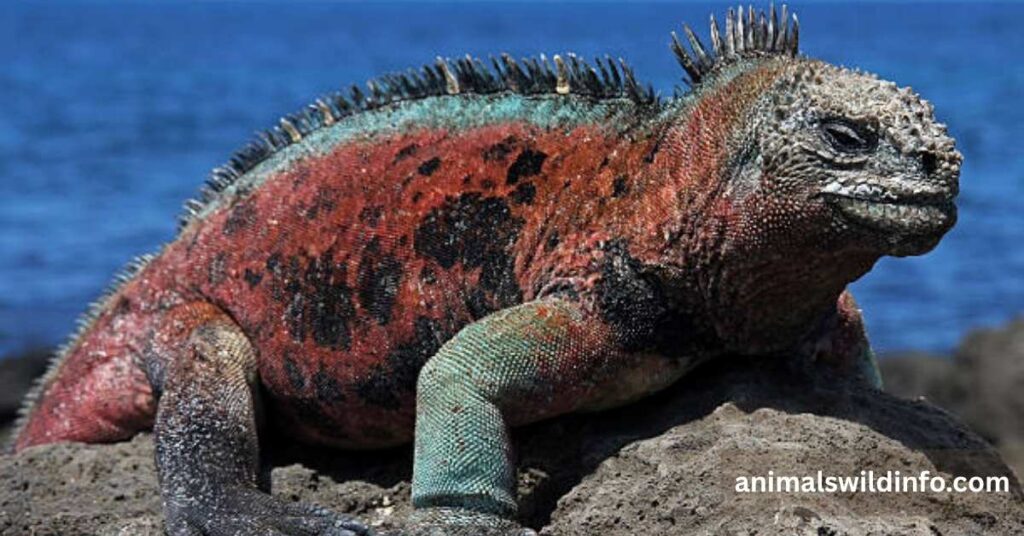
Marine iguana adaptation is one of the strangest stories in the reptile world. Found only in the Galápagos Islands, these lizards dive into cold ocean water to feed on algae, something almost no other iguana species does. They drink very little freshwater, relying instead on specialized glands that filter excess salt from seawater.
After diving, marine iguanas bask on volcanic rocks to warm back up, since ocean water drops their body temperature fast. This mix of diving, salt filtering, and sun basking makes them a rare case of aquatic adaptation in a reptile. It’s proof that hydration needs can be met in wildly different ways across the animal kingdom.
Deer
Scientific Name: Odocoileus virginianus (White-tailed Deer)
Class: Mammalia
Diet: Herbivore
Deer drinking habits shift with the seasons. In warmer months, deer drink around 3 to 5 gallons daily, often visiting streams, ponds, or lakes at dawn and dusk. During colder months, they get more moisture from snow and vegetation, cutting down how often they need to visit open water.
Deer are cautious drinkers, always scanning the surroundings before lowering their heads. This habit protects them from predators like wolves and coyotes, who often stalk near water sources. As common rainforest animals and forest dwellers alike, deer show how seasonal water needs shape both behavior and daily routine across different climates.
Why Do Some Animals Drink So Much Water?
Water is essential for survival, but the reasons behind high intake vary widely. Body size plays a major role, since larger animals like elephants and hippos simply need more fluid to support their organs and animal metabolism. Diet matters too. Herbivores that eat dry grasses or leaves, like cows and buffalo, often need extra water to help digest tough plant fibers efficiently.
Climate is another huge factor. Animals in hot climates lose water fast through sweat, panting, or evaporation, so they must replace it constantly to avoid heat stress in animals. Water also supports cooling through water for species without efficient sweat glands, like pigs and rhinos. Altogether, these factors show how deeply water requirements of animals connect to biology, environment, and daily survival.
How Much Water Do These Animals Drink Daily?
Daily intake varies enormously across species, shaped by size, diet, and habitat. Below is a simple comparison showing roughly how much water each animal needs on an average day, giving a clear picture of just how demanding hydration in wildlife can be.
| Animal | Approximate Daily Water Intake |
| Elephant | 18–30 gallons |
| Hippopotamus | 40+ gallons |
| Horse | 5–12 gallons |
| Camel | 30+ gallons (in one session) |
| African Buffalo | Up to 30 gallons |
| Water Buffalo | 20–30 gallons |
| Cow | 30–50 gallons |
| Rhinoceros | Up to 40 gallons |
| Moose | Up to 30 gallons |
| Giraffe | Up to 12 gallons |
| Zebra | 8–10 gallons |
| Pig | 3–8 gallons |
| Kangaroo | Low direct intake, mostly from food |
| Proboscis Monkey | Moderate, diet-supported |
| Marine Iguana | Minimal freshwater, seawater-adapted |
| Deer | 3–5 gallons |
Looking at this table, cows and hippos clearly top the chart, while kangaroos and marine iguanas rely far more on moisture from food than direct drinking. This wide range shows that animal physiology and environmental adaptation shape hydration needs just as much as raw body size does.
Interesting Facts About Animals That Drink a Lot of Water
Some facts about these animals are almost hard to believe. Camels, for instance, can refill their entire fluid loss in under 10 minutes once they reach water, a recovery speed unmatched by nearly any other mammal. Elephants, meanwhile, are known to dig their own wells during droughts, creating water sources that other animals in the area depend on too.
Marine iguanas remain the only lizard species on Earth that forages in the ocean, a trait found nowhere else in Reptilia. Giraffes, despite drinking large amounts occasionally, can survive days without water thanks to their leafy diet. These small but striking details highlight just how creative nature gets when solving the challenge of preventing dehydration across such different species and wildlife biodiversity.
Final Thoughts
From towering elephants to the small but tough marine iguana, these 16 animals show just how differently water-dependent animals approach survival. Some rely on sheer intake, drinking dozens of gallons daily, while others pull hydration cleverly from food or specialized biology. Either way, water remains one of the most powerful forces shaping animal life across the globe.
As droughts and climate shifts continue affecting freshwater ecosystems, protecting natural water sources matters more than ever. Supporting wildlife conservation efforts helps ensure these remarkable creatures keep thriving for generations to come. Every wallow, waterhole, and river plays a role in the bigger picture of ecosystem balance that all of us share responsibility for protecting.
Frequently Asked Questions
The elephant is often considered the most thirsty animal due to its massive daily intake, sometimes reaching 30 gallons. However, hippos and cows also rank extremely high, since both can consume over 40 gallons under the right conditions, making the title genuinely close between a few species.
Cows typically consume the most water among common animals, with dairy cows drinking up to 50 gallons daily during milk production. Hippos come close behind, especially since they spend most of their day submerged, constantly absorbing and using water for cooling and skin protection.
Many large mammals drink a lot of water, including elephants, hippos, rhinos, and buffalo. These animals share large body sizes, herbivorous diets, and warm habitats, all of which increase their hydration needs significantly compared to smaller or more water-efficient species.
The jellyfish is one of the most water-dense animals on Earth, made up of roughly 95% water. While jellyfish aren’t part of this land-animal list, their extreme water content shows just how much biology across the animal kingdom depends on water, from body composition to survival itself.