Top 20 Animals With Long Necks (With Pictures & Amazing Facts)
Nature loves a good shortcut. Instead of building an animal a ladder, it just stretched the neck. That’s how you end up with Animals With Long Necks features all over the world, from the hot savannah of Africa to quiet wetlands in Asia. Some use their necks to grab lunch from the treetops. Others use them to spot trouble before it gets close.
This guide walks you through the top 20 long-necked animals on Earth. You’ll meet mammals with long necks like the giraffe and the camel. You’ll also meet birds with long necks, like the heron and the flamingo. Each one solved a different problem with the same basic tool: a longer neck.
By the end, you’ll know why these animals evolved this way, where they live, and what makes each one a standout in the animal kingdom. Let’s get into it.
What Are Long-Necked Animals?
Long-necked animals are simply species whose necks are much longer than you’d expect for their body size. This isn’t one animal family. It’s a trait that popped up again and again, in completely different corners of the tree of life. A giraffe and a swan aren’t related at all, yet both ended up with the same basic solution to very different problems.
Some of these are tall animals built for reaching high branches. Others are short, squat birds with necks that fold like origami. You’ll find grazing animals on grasslands, wading birds in shallow water, and desert animals that use their necks to survive brutal heat. It’s one trait, expressed in dozens of different ways, and that’s what makes this list of wildlife species so interesting.
Why Do Some Animals Have Long Necks?
The short answer: food and safety. A long neck adaptation lets an animal reach food that nothing else can touch. Think about a giraffe pulling leaves from the top of an acacia trees canopy. No other herbivore on the savannah can compete for that food source. That’s a massive advantage, and it’s a big part of the evolution of long necks across so many species.
But food isn’t the only reason. A tall neck also works like a periscope. It lets grassland animals like zebras and horses spot a predator from far away, long before danger gets close. Water birds use their necks differently. A heron’s neck coils like a spring, then shoots forward to catch fish. So when you ask why do animals have long necks, the real answer is: it depends on the animal, but it almost always comes down to survival.
Top 20 Animals With Long Necks
Below, you’ll find a full rundown of the 20 most fascinating animals with the longest necks on the planet. Each entry covers where the animal lives, what it eats, and exactly how its neck helps it survive day to day. You’ll see a mix of African wildlife, South American mammals, Australian birds, and species from wetland ecosystems around the globe.
| No. | Common Name | Scientific Name |
| 1 | Giraffe | Giraffa camelopardalis |
| 2 | Swan | Cygnus olor |
| 3 | Camel | Camelus dromedarius |
| 4 | Okapi | Okapia johnstoni |
| 5 | Llama | Lama glama |
| 6 | Alpaca | Vicugna pacos |
| 7 | Emu | Dromaius novaehollandiae |
| 8 | Ostrich | Struthio camelus |
| 9 | Heron | Ardea cinerea |
| 10 | Flamingo | Phoenicopterus roseus |
| 11 | Turkey | Meleagris gallopavo |
| 12 | Black-necked Stork | Ephippiorhynchus asiaticus |
| 13 | Mute Swan | Cygnus olor |
| 14 | Black Stork | Ciconia nigra |
| 15 | Horse | Equus ferus caballus |
| 16 | Zebra | Equus quagga |
| 17 | Peacock | Pavo cristatus |
| 18 | Turkey Vulture | Cathartes aura |
| 19 | Anhinga | Anhinga anhinga |
| 20 | Great Blue Heron | Ardea herodias |
Giraffe
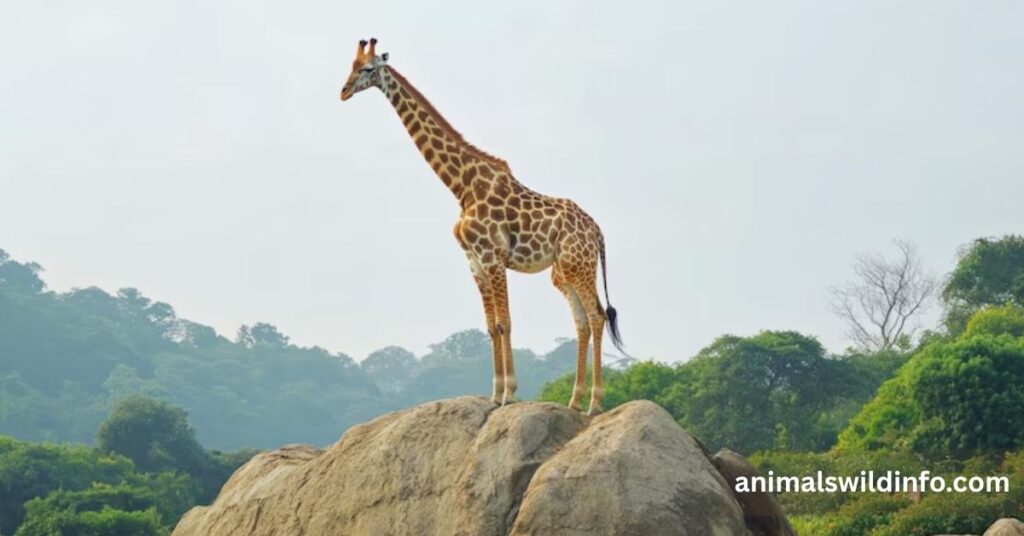
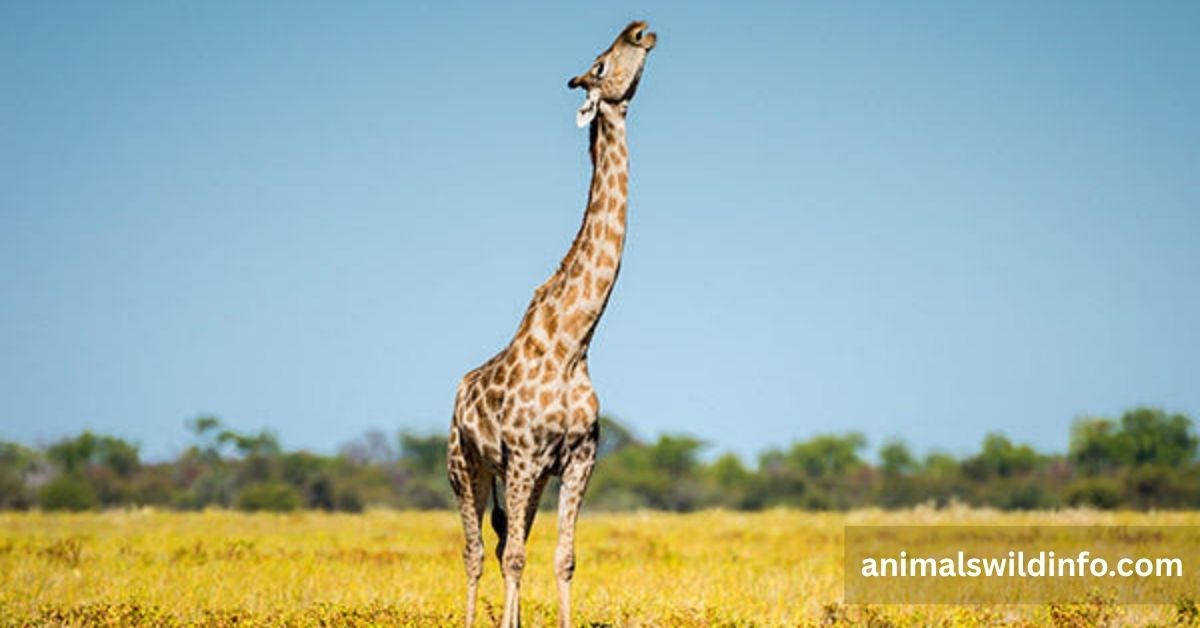
The Giraffe is the poster child for animals with long neck anatomy, and for good reason. Standing on the open savannah of Africa, it browses on leaves that no other animal can reach. Its favorite meal comes from acacia trees, and its neck stretches high enough to clear most competition entirely. This is a classic case of reaching high vegetation solving a food shortage problem.
What really sets the giraffe apart is its neck structure. Despite its size, it has only seven neck bones, the same number as a human. Its heart works overtime, pumping blood all the way up that long flexible neck to the brain. Fun fact: a giraffe’s tongue stretches almost 20 inches long, letting it strip leaves clean around sharp acacia thorns.
Swan
The Swan glides across lakes and rivers like a slow-moving sailboat. You’ll spot these elegant water birds across Europe, Asia, and parts of North America, always near calm lakes or slow rivers. Their necks curve into a graceful S-shape, and that shape isn’t just for looks. It lets them plunge underwater and pull up roots, stems, and small aquatic creatures with ease.
Swans build large nests near reed beds, and both parents guard the eggs closely. Their feeding habits rely almost entirely on that long flexible neck, since it reaches food sitting well below the surface. Fun fact: during migration, swan flocks form a V-shape in the sky, a formation that saves serious energy over long distances.
Camel
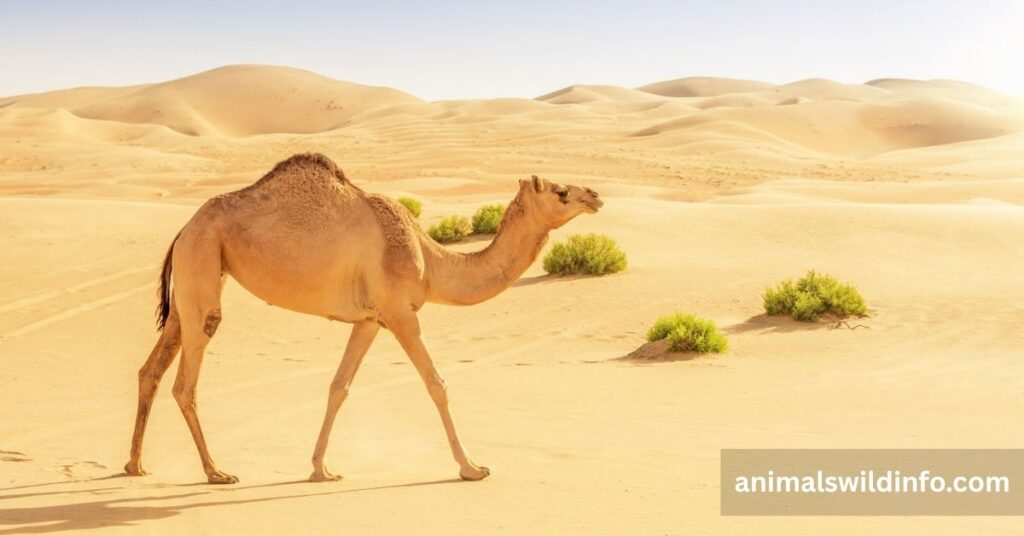
Out in the blazing heat of the desert, the Camel puts its long neck to a very different use. Found across the Middle East and North Africa, this desert animal uses its neck to reach thorny shrubs and dry grass that grow low to the ground. Nothing about the desert makes food easy to find, so that extra reach matters a lot.
Camels store fat in their hump, not water, which is a common myth worth clearing up. Their long legs and neck also keep their body further from the scorching sand below. Fun fact: a thirsty camel can drink over 100 liters of water in a single sitting, enough to keep it going for days.
Okapi
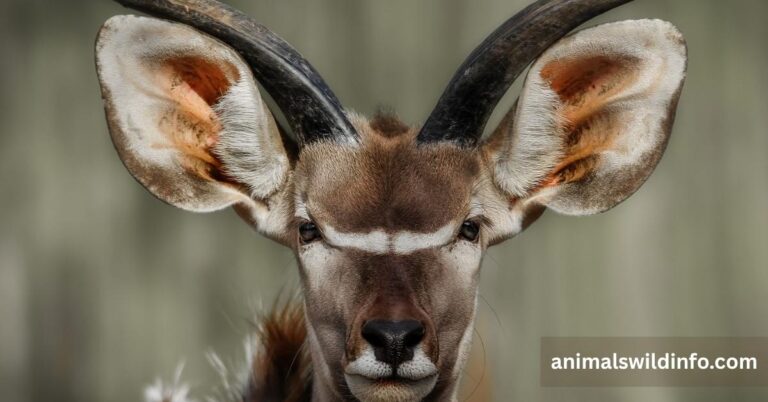
Deep in the rainforest of Central Africa, the shy Okapi hides in dense shade most of the day. It looks like a cross between a zebra and a giraffe, and it’s actually the giraffe’s closest living relative. Its neck, while shorter than a giraffe’s, still beats most other forest mammals for reaching leaves tucked high in the canopy.
Okapis move quietly across soft, damp ground, and they rarely stray into open spaces. Their tongue is so long, it can clean their own eyes and ears, a handy trick borrowed from their giraffe cousins. Fun fact: okapis stayed completely unknown to Western science until the early 1900s.
Read More: 16 Incredible Stubborn Animals That Will Surprise You (With Pictures)
Llama
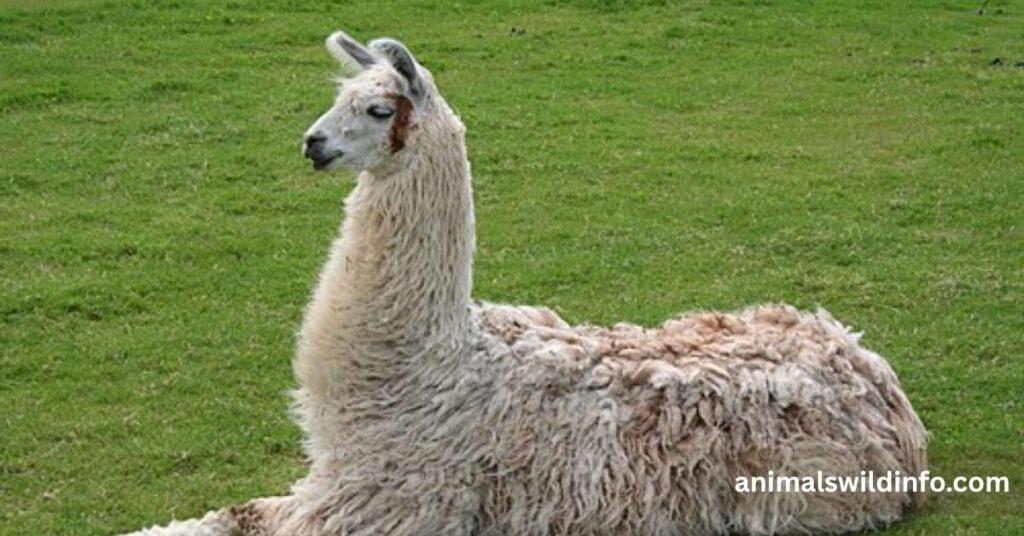
High in the mountains of the Andes, the Llama grazes calmly across rocky, thin-aired terrain. This herbivore feeds on tough grasses and herbs that grow at extreme altitude, and its long neck gives it a wide, useful view of the surrounding slopes. That view matters, since predators can appear from any direction on open mountain terrain.
Llamas hum when they’re relaxed, and they let out sharp cries when startled. People have used llamas as pack animals for centuries, thanks to their sturdy legs and calm temperament. Fun fact: llamas can actually learn their own names and respond when called.
Alpaca
The Alpaca shares its mountain home with the llama, though it’s smaller and a bit gentler by nature. Found across Peru, Bolivia, and Chile, this South American mammal grazes slowly across cold, open grassland. Its long neck lets it reach grass without wasting energy on constant movement, which matters a lot at high altitude where oxygen runs thin.
Alpacas live in tight social herds, and one member often stays alert while others eat. Their soft fleece has made them valuable to humans for centuries, prized for wool that contains no lanolin. Fun fact: that lanolin-free fleece makes alpaca wool a safe choice for people with wool allergies.
Ostrich
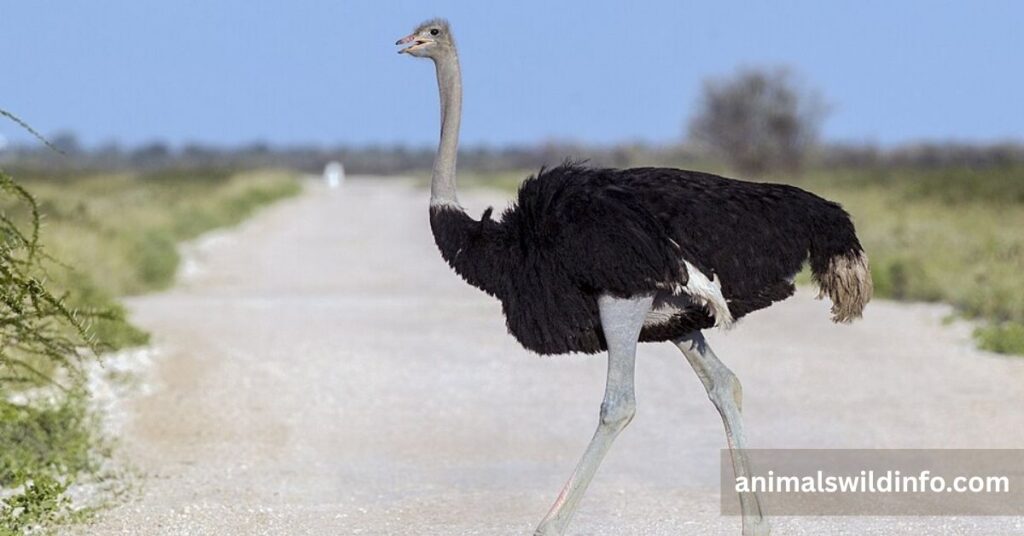
As the tallest bird alive, the Ostrich uses its long neck like a built-in watchtower across the African plains. This flightless giant stretches up high above the grass, scanning wide stretches of open savanna for any sign of danger. Few animals get a better early warning system than this one.
Ostriches swallow small stones to help grind up food in their stomach, since they eat seeds, plants, and the occasional small animal. If a predator does get close, a single kick from those powerful legs can end the chase fast. Fun fact: an ostrich’s eyes are actually bigger than its own brain.
Emu
Australia’s own flightless giant, the Emu, roams grasslands and dry plains with a neck held high and steady. This flightless bird can’t fly, but it makes up for it with serious speed on the ground. Its long neck helps it reach both low shrubs and higher leaves, giving it flexible feeding habits across changing terrain.
Male emus take on full parenting duty, incubating eggs and raising chicks completely alone for months. That’s rare in the bird world, and it makes emus one of the more unusual parents in the animal kingdom. Fun fact: emus travel long distances following rainfall, since fresh plant growth always follows behind the rain.
Flamingo
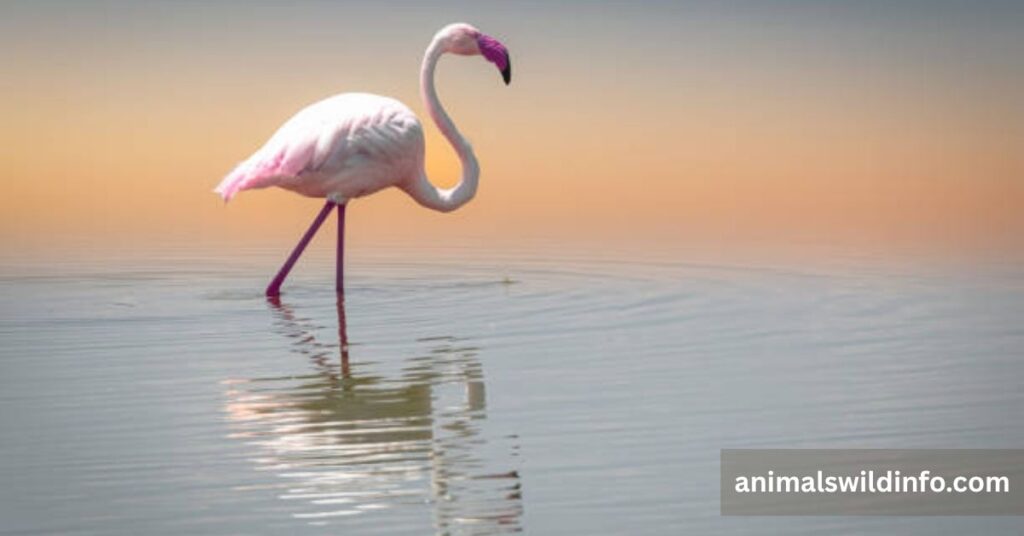
Standing in shallow, salty lakes across Africa, Asia, and southern Europe, the Flamingo feeds with its neck bent almost upside down. This striking wetland bird filters algae and small aquatic creatures straight out of the water. Large flocks often feed together, dozens of bent necks moving in near-perfect rhythm.
Flamingos build nests from mud, usually in tight breeding colonies near the water’s edge. Chicks actually hatch gray, and only turn that famous pink color as they grow and start eating. Fun fact: that pink color comes directly from pigments in the food flamingos eat, not from their genes.
Heron
Patient and precise, the Heron stands motionless in shallow water, waiting for the perfect moment to strike. You’ll find these sharp-eyed hunters across rivers, lakes, and wetlands throughout Europe, Asia, and Africa. Their neck coils into a tight S-shape, storing energy like a loaded spring until prey swims close enough.
Herons nest in trees near water, often forming loose colonies where food stays plentiful. Their hunting style rewards stillness over speed, and a heron can hold one position for several minutes without moving a muscle. Fun fact: a heron’s strike happens faster than a human eye can properly track.
Read More: Top 24 Adorable Chubby Animals in the World (With Pictures)
Great Blue Heron
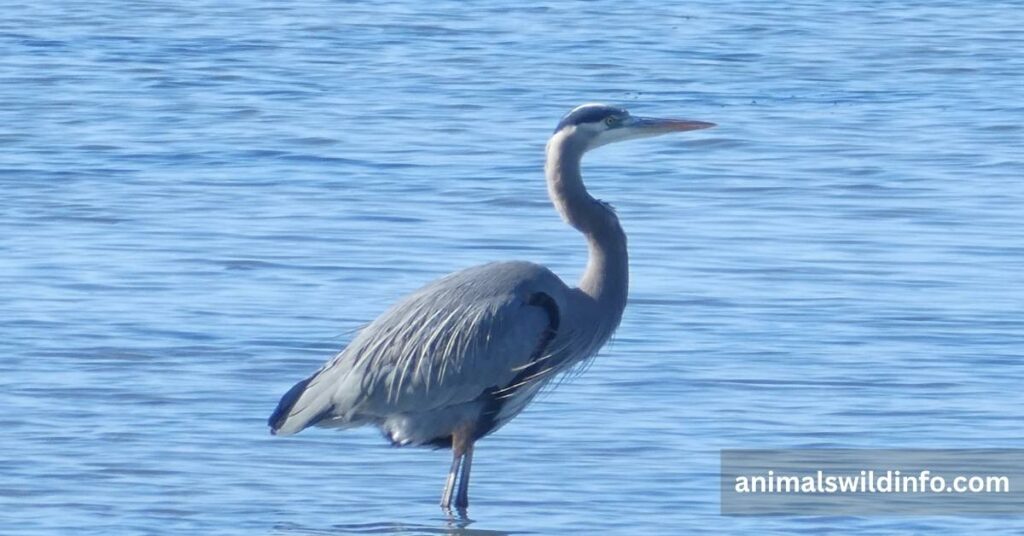
Across lakes, rivers, and marshes throughout North America, the Great Blue Heron stands as one of the continent’s most recognizable wading birds. Larger than its European cousin, it uses the exact same S-shaped neck trick to ambush fish, frogs, and small mammals in shallow water. You’ll often spot one standing dead still at the edge of a pond.
These herons nest high in trees, usually in loose colonies close to a steady food source. Their patience rivals any hunter in the wild, since they’ll wait motionless for long stretches before finally striking. Fun fact: a great blue heron can swallow a surprisingly large fish whole, without any trouble at all.
Black-necked Stork
Found across wetlands in Australia and South Asia, the Black-necked Stork stands out with its glossy black-and-white feathers and striking red legs. This tall wading bird wades slowly through shallow water, using its long neck and sharp bill to hunt fish, frogs, and small reptiles hiding below the surface. Unlike smaller herons, it often hunts in deeper water thanks to its taller stance.
Pairs tend to stay together for life, and they build large stick nests high in isolated trees near open water. These birds avoid crowds, preferring quiet, undisturbed wetland ecosystems far from human activity. Fun fact: the black-necked stork ranks among the tallest storks in the world, with some adults topping five feet.
Black Stork
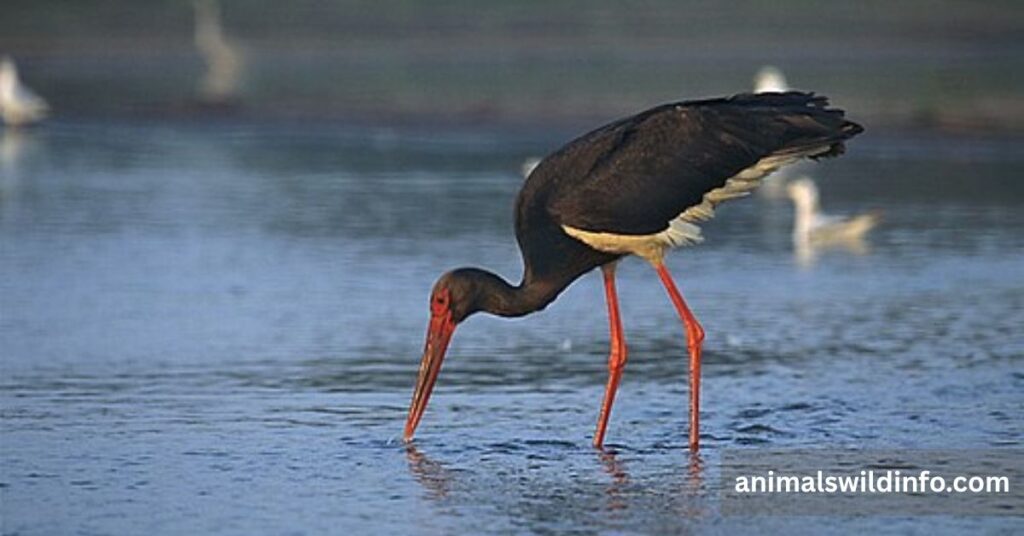
Shy and rarely seen, the Black Stork prefers quiet forest rivers over open, crowded wetlands. Found across parts of Europe and Asia, this carnivore hunts fish, frogs, and insects by wading slowly through shallow streams. Its long neck stretches forward while hunting, then strikes fast the moment prey comes into range.
Black storks build nests high in trees or along remote cliffs, well away from human disturbance. They migrate long distances each year, and their numbers have dropped in areas where clean rivers and forest cover disappear. Fun fact: black storks actively avoid cities, noise, and anything resembling human crowds.
Mute Swan
Don’t let the name fool you. The Mute Swan may be quieter than other swans, but it still hisses loudly when threatened. Common across lakes and rivers in Europe, this bird uses its strong, flexible neck to pull up roots and stems from underwater plants, often stirring up mud in the process.
Mute swans form tight, long-lasting pairs, and both parents defend their nesting territory fiercely. They’ll chase off intruders without much hesitation, especially during breeding season. Fun fact: despite the “mute” name, these swans make plenty of noise when they feel their nest is at risk.
Anhinga
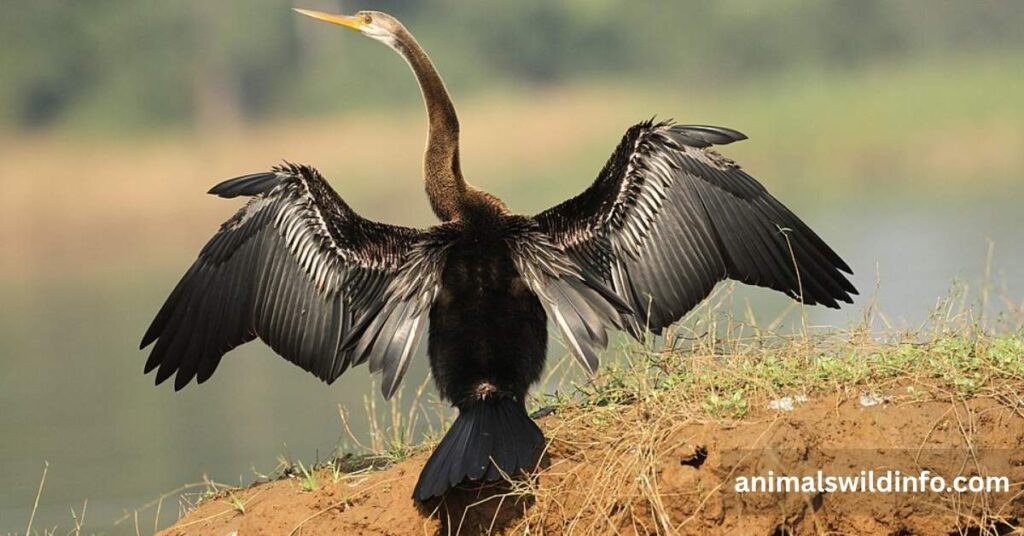
Nicknamed the “snake bird,” the Anhinga swims through warm lakes and swamps with just its thin neck poking above the waterline. That long, narrow neck works like a loaded spear underwater, letting this bird thrust forward and skewer fish in a single fast strike. It’s one of the more unusual hunting styles among wading birds.
Anhingas lack the waterproof feathers most birds rely on, so after diving, they often perch with wings spread wide to dry off in the sun. They nest in colonies near quiet water, usually alongside other wetland species. Fun fact: that spear-like neck is exactly why early naturalists nicknamed it the snake bird.
Turkey
Alert and quick on its feet, the Turkey roams forest edges and open woodland across North America. As it walks, its neck stretches forward scanning the ground, then pulls back sharply the moment it senses danger. This omnivore feeds on seeds, berries, insects, and the occasional small reptile.
During mating season, male turkeys puff up their feathers and change the color of their neck skin to signal strength. At night, turkeys roost safely up in trees, well away from ground predators. Fun fact: a wild turkey can actually outrun a human over short distances.
Turkey Vulture
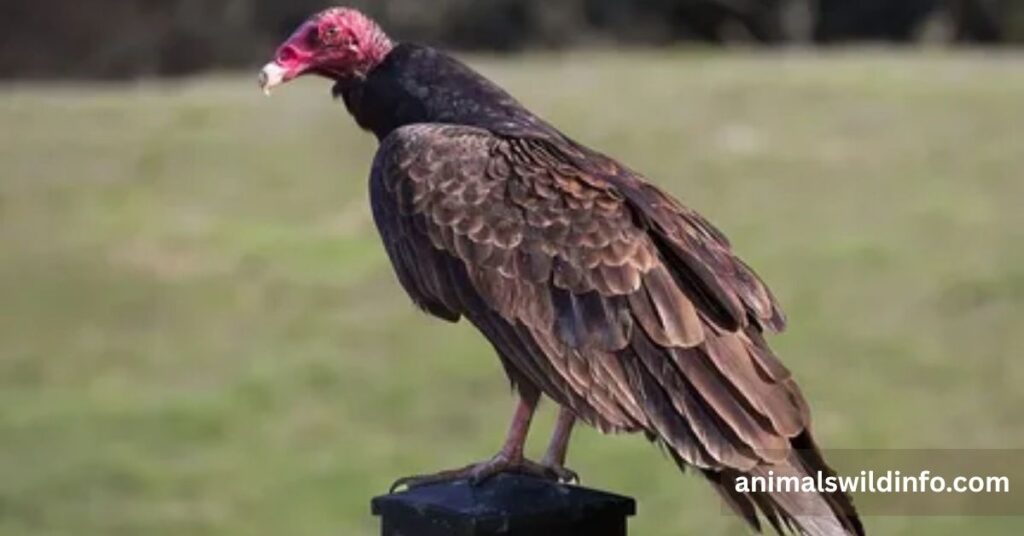
Soaring high above deserts, fields, and forests across the Americas, the Turkey Vulture rides warm air currents with barely a flap of its wings. Its bare, featherless neck isn’t an accident. It keeps things clean while feeding on carrion, since feathers would only trap mess and bacteria. This scavenger plays a major role in keeping ecosystems healthy.
Turkey vultures have an unusually sharp sense of smell, letting them detect food from remarkable heights. They roost in groups for safety, and they’d much rather fly off than fight. Fun fact: a turkey vulture can smell a carcass hidden beneath a thick forest canopy.
Peacock
Native to forests and farmland across South Asia, the Peacock carries its slender neck upright with real confidence. This omnivore forages on the ground for insects, seeds, and small plants, its neck bobbing gently with each step. But the neck plays a second role too, one tied closely to courtship.
During breeding season, males fan out their famous tail feathers while holding their neck tall and steady. That posture signals health and vitality to nearby females. Fun fact: despite those long, heavy tail feathers, peacocks can still manage short bursts of flight.
Read More: Top 26 Animals With No Legs That Will Amazingly Surprise You (Pictures)
Horse
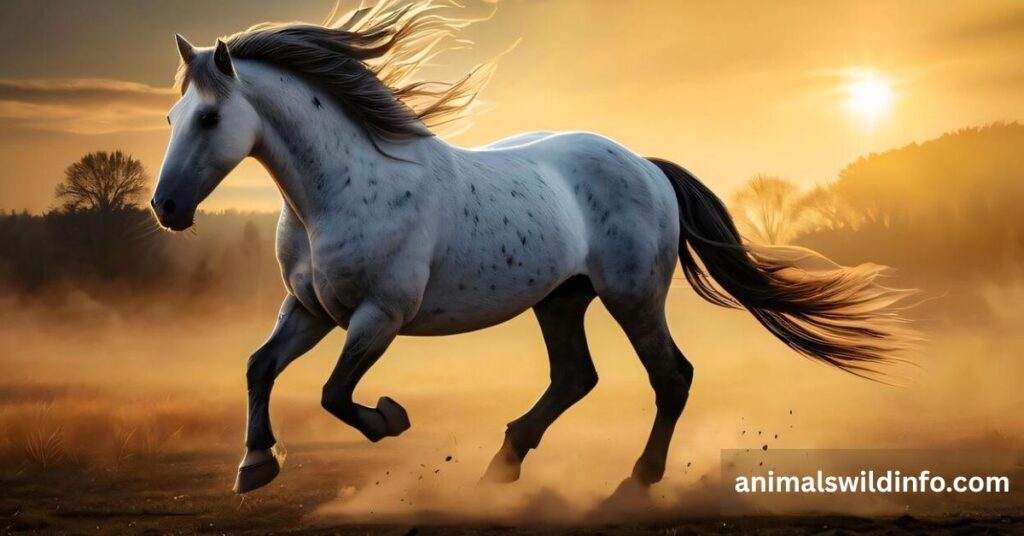
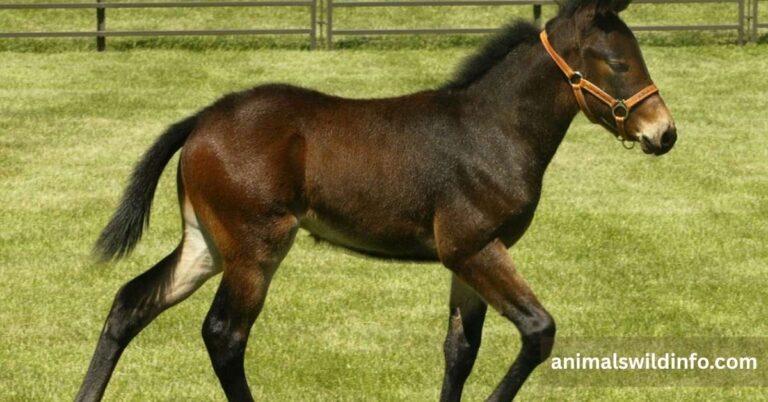
Grazing across farms, plains, and open grassland worldwide, the Horse relies on its long neck for two very different jobs. It lowers its head to graze on short grass, then lifts quickly to scan the horizon for danger. This mix of grazing behavior and quick awareness has kept horses safe for thousands of years.
Horses live in herds with clear social roles, and they often sleep standing up, thanks to a special leg-locking mechanism. Their neck muscles also help with balance during fast, sudden movement. Fun fact: wild horses can nap standing without ever falling over.
Zebra
Roaming the grasslands of eastern and southern Africa, the Zebra shares many habits with its distant relative, the horse. Its neck moves fast and often, dipping down to graze, then rising quickly to check for predator activity nearby. Living in tight herds gives zebras extra protection, since one animal often stays alert while others feed.
Zebras travel long distances chasing seasonal rain and fresh grass, and they rest during the hottest parts of the day. Even mid-rest, their neck stays upright enough to keep watch over open land. Fun fact: no two zebras share the exact same stripe pattern, similar to a human fingerprint.
How Long Necks Help Animals Survive
A long neck isn’t just one trick. It’s really a toolkit, and different species use it in different ways depending on where they live. On the savannah, it means reaching food nobody else can touch. In wetlands, it means striking fast enough to catch a fish before it swims away. Understanding these survival adaptations helps explain why this single trait shows up across so many unrelated species.
Here’s a quick breakdown of the main survival benefits a long neck provides across the animal kingdom.
- Reaching food: Giraffes, okapis, and llamas all use height to access leaves and plants that ground-level herbivores can’t reach.
- Spotting predators: Ostriches, zebras, and horses use their raised necks like a lookout tower, catching early signs of danger.
- Finding mates: Peacocks and turkeys use neck posture and color changes to signal health and attract partners during breeding season.
- Feeding in water: Flamingos, herons, and anhingas rely on neck shape and reach to hunt or filter food underwater.
- Maintaining body balance: Horses and zebras use neck movement to stay steady and controlled, especially while running at speed.
Interesting Facts About Animals With Long Necks
Some of the most fascinating animals on this list hide surprising details behind their long necks. A giraffe’s tongue alone stretches close to 20 inches, long enough to strip leaves clean around sharp thorns. An ostrich’s eyeball is bigger than its own brain, a strange but true bit of animal anatomy. And an anhinga hunts fish underwater using its neck like a loaded spear, which is exactly why people call it the snake bird.
These small, odd facts add up to something bigger. They show that one simple adaptation, a longer neck, solved wildly different problems across completely different environments. Whether it’s a camel surviving the desert or a swan gliding across a quiet lake, nature reused the same basic idea again and again, tweaking it slightly each time.
| Animal | Approx. Neck Length | Primary Use |
| Giraffe | 6 feet | Reaching high leaves |
| Ostrich | 3 feet | Predator lookout |
| Flamingo | 1.5 feet | Underwater filter feeding |
| Camel | 3-4 feet | Reaching low desert shrubs |
| Heron | 1-1.5 feet | Fast fish strikes |
Conclusion
One simple trait, and dozens of different survival stories. That’s really what this list of animals with long neck features comes down to. A giraffe reaches into the treetops. A heron waits motionless by the water. A camel pushes through blistering desert heat. Different animals, different homes, same basic tool.
If you enjoyed this wildlife guide, there’s a whole world of animal adaptations still worth exploring. Nature rarely repeats itself exactly, but it sure loves reusing a good idea.
Frequently Asked Questions
The giraffe holds this title easily. Its neck alone can stretch up to six feet long, letting it reach food no other land animal can touch.
Most long-necked animals developed this trait to reach food, spot predators early, or hunt more effectively in water. It’s one adaptation solving several different survival problems.
Not at all. Plenty of birds with long necks, like swans, herons, and ostriches, use the same basic adaptation for feeding and awareness.
The giraffe, swan, ostrich, flamingo, and camel rank among the most well-known long neck animals across the globe.
The giraffe remains the most iconic example of this trait, instantly recognizable across the animal kingdom.
Beyond the giraffe, the okapi and camel both carry surprisingly long necks suited to very different environments.
There’s no single special term, though scientists sometimes describe this trait as an elongated cervical structure, a fancy way of saying a stretched-out neck.
Again, the giraffe leads the pack, though swans and ostriches come close in their own unique ways.