25 Animals That Gallop: Amazing Facts & Pictures
Animals That Gallop are creatures that use a fast, four-beat running style. All four legs leave the ground at once during this movement. This special gait helps animals move faster than walking or trotting.
Have you ever seen a horse race across an open field? Its powerful legs move so fast, they seem to fly. This exciting sight shows the true power of nature in motion.
Many animals use this gait, not just horses. Zebras, dogs, and even cows can gallop too. Each animal gallops for its own special reason.
What Does Galloping Mean in Animals?
What is galloping? It’s a fast gait used by many four-legged animals. During a gallop, all four legs leave the ground at once. This moment is called the suspension phase. It’s what makes galloping different from a simple run or trot.
Galloping is also known as a four-beat gait. Each leg strikes the ground at a slightly different time. This creates a rolling, powerful rhythm. Mammals that gallop rely on powerful legs, a flexible spine, and strong muscles to pull this off. It takes real muscle coordination to make it look smooth. That’s why not every animal can do it well.
How Does Galloping Differ From Running?
People often mix up galloping and running. But they’re not the same thing. Running just means moving fast on foot. Galloping is a specific running technique with its own pattern of footfalls. Think of running as the category, and galloping as one special type inside it.
Here’s a simple table to make it clear:
| Gait | Speed | Feet Off Ground? | Common In |
| Walk | Slow | Never | Most land animals |
| Trot | Medium | Rarely | Horses, dogs |
| Canter | Fast | Sometimes | Horses |
| Gallop | Fastest | Yes (suspension phase) | Horses, cheetahs, deer |
This chart shows how animal movement builds up in stages. Ground movement starts slow, then speeds up into a full terrestrial locomotion burst. The gallop sits at the top of that ladder. Not every fast animal uses this gait, though. Cheetahs, for example, tweak the pattern slightly to reach their incredible running speed.
Why Do Animals Gallop?
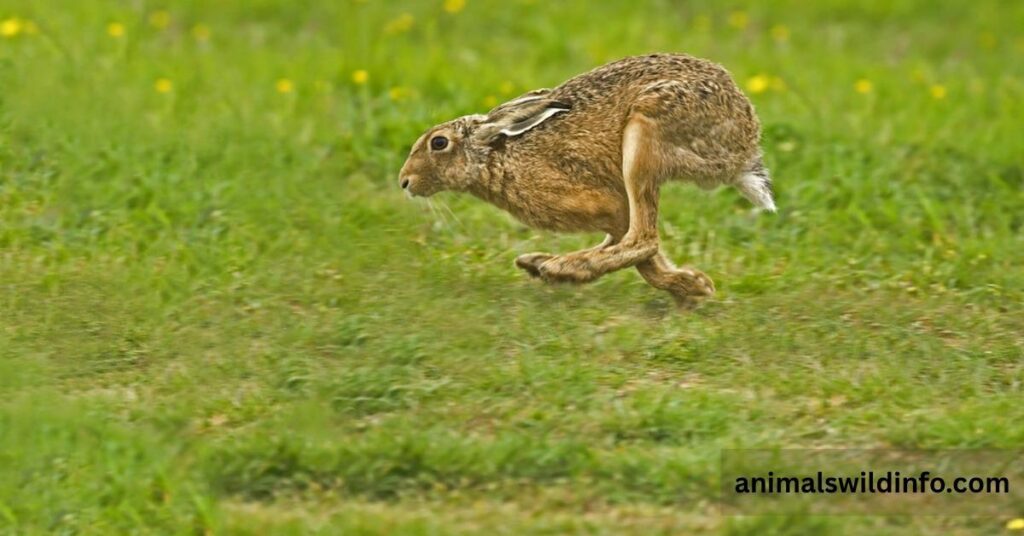
So why bother galloping at all? The answer comes down to survival. Many wild animals that gallop do it for predator avoidance. A gazelle that can’t outrun a lion doesn’t live long. Escaping predators is often a matter of life and death.
But it’s not just about running away. Some animals gallop while hunting prey. A wolf pack, for instance, uses bursts of speed to close in on a target. Others gallop simply because it feels good. Horses and dogs will often gallop in open fields just for fun. This shows that galloping isn’t only a survival strategy. It’s also tied to animal behavior, social bonding, and even joy. Whatever the reason, galloping proves how well animal anatomy can adapt to different needs across the animal kingdom.
List of Animals That Gallop
Below, you’ll find 25 amazing animals that move by galloping. Each one has its own style, speed, and story. From the open grasslands to the desert, these creatures show just how varied wildlife movement can be.
Horse
Scientific name: Equus ferus caballus Class: Mammalia Diet: Herbivore
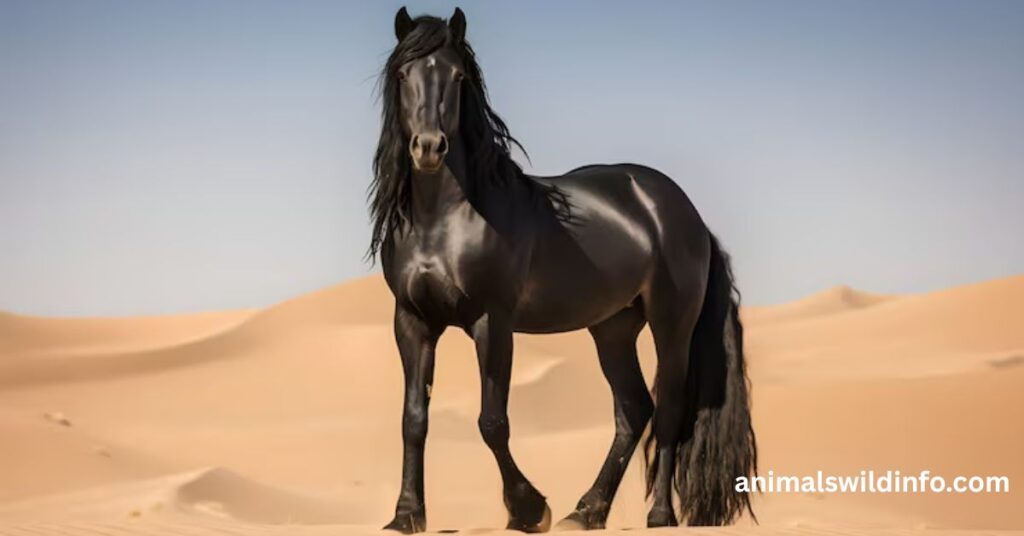
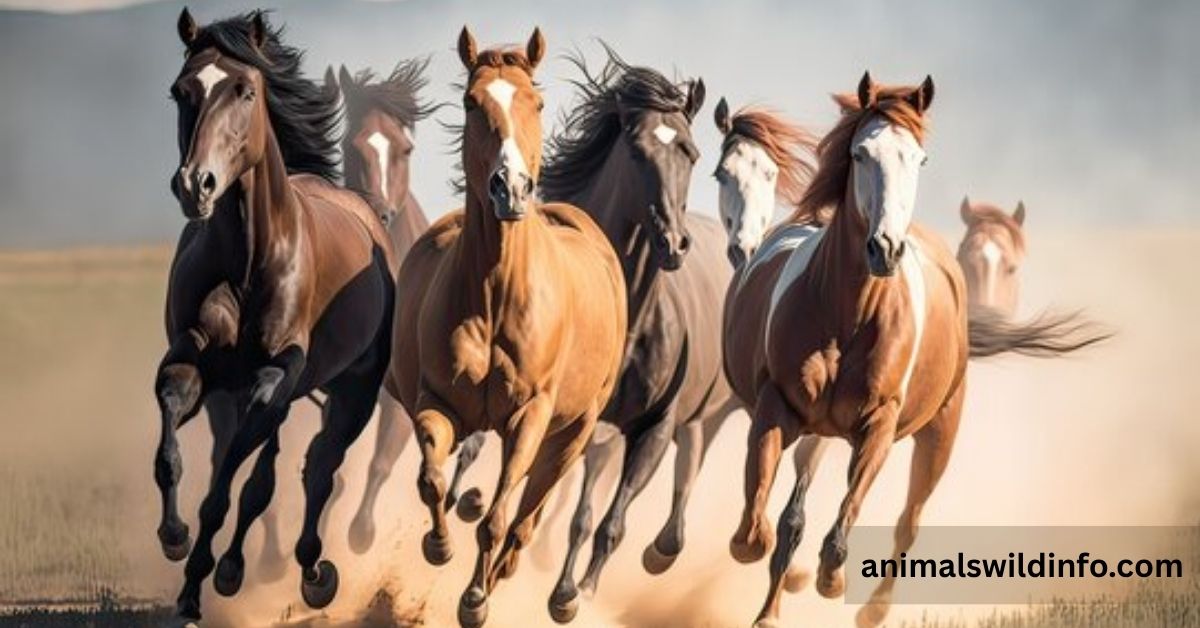
The horse is the classic example of a galloping animal. Its long legs and flexible spine let it reach speeds up to 55 miles per hour. Horses have been galloping alongside humans for thousands of years, used in racing, farming, and travel. Their gallop is smooth and rhythmic, a true showcase of animal biomechanics. When a horse stretches into a full gallop, you can see its whole body work as one unit, driven by strong muscles and years of evolution built for speed.
Camel
Scientific name: Camelus dromedarius Class: Mammalia Diet: Herbivore
The camel may look slow and steady, but it can gallop at up to 40 miles per hour in short bursts. Its wide, padded feet help it grip loose sand without sinking. This wildlife adaptation lets camels move fast even across the toughest desert terrain. Camels also show great energy efficiency, storing fat in their humps instead of water, which helps them keep moving even with little food or drink for long stretches.
Giraffe
Scientific name: Giraffa camelopardalis Class: Mammalia Diet: Herbivore
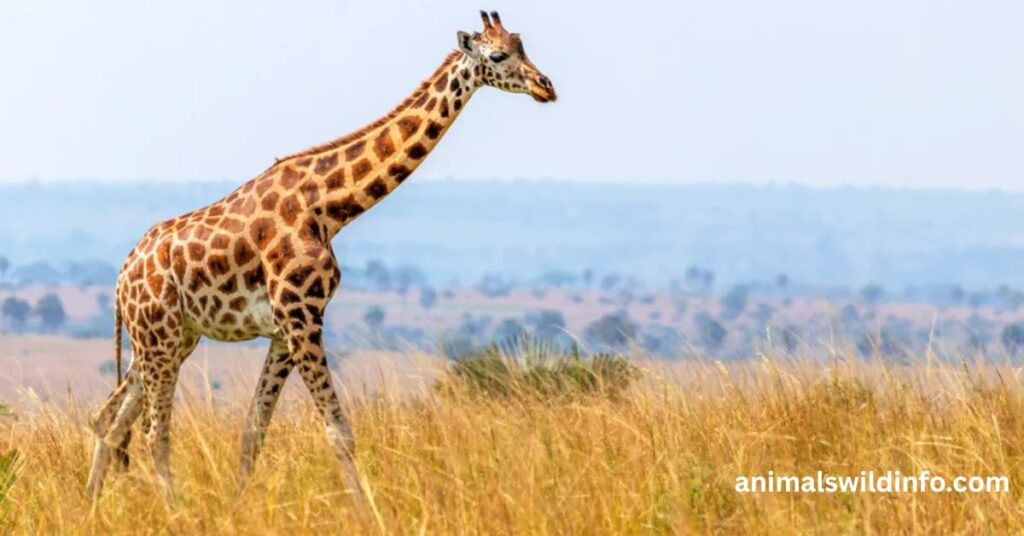
Watching a giraffe gallop is a strange and wonderful sight. Its odd, rocking motion looks awkward, but it works. Giraffes can hit speeds of 37 miles per hour thanks to their long legs and unique body structure. Young giraffes often gallop while playing, which helps them build the agility and balance they’ll need later in life. Their gait shows how animal adaptation doesn’t always look pretty. It just has to work.
Zebra
Scientific name: Equus quagga Class: Mammalia Diet: Herbivore
The zebra is a fast and social grasslands dweller. It can reach 40 miles per hour when galloping away from danger. Zebras live in herds, and their black-and-white stripes may confuse predators during a chase. This is a smart survival strategy built right into their appearance. When a herd gallops together across the savannah, it’s one of nature’s most dramatic displays of herd movement and coordination.
Deer
Scientific name: Cervidae Class: Mammalia Diet: Herbivore
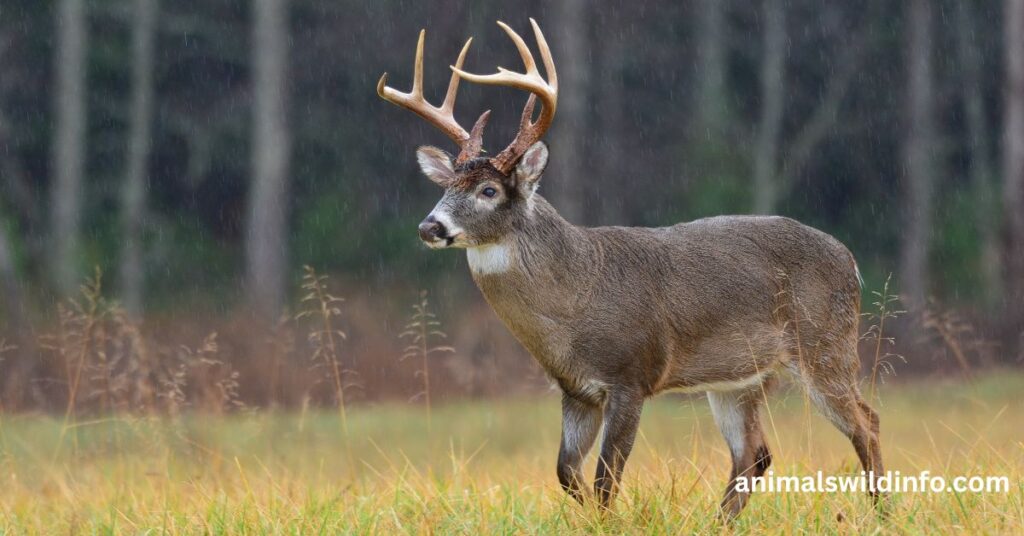
Deer are graceful, quick, and always alert. Their gallop uses a two-beat pattern that lets them cover ground fast while dodging trees and brush. Living in forest areas, deer rely on agility more than raw top speed. Young deer learn to gallop early, often mimicking older herd members. This shared knowledge boosts the whole group’s chances of escaping predators like wolves and coyotes.
See Also: Are Kangaroos Smart? Interesting Facts About Kangaroo Intelligence
Gazelle
Class: Mammalia Diet: Herbivore
Few animals show off speed adaptation better than the gazelle. It can gallop at up to 60 miles per hour and leap more than 10 feet in a single bound. This bounding style, sometimes called “pronking,” helps gazelles save energy while still moving fast. Living on the open plains, gazelles depend on both sprinting and endurance to survive constant threats from lions and cheetahs.
Antelope
Class: Mammalia Diet: Herbivore
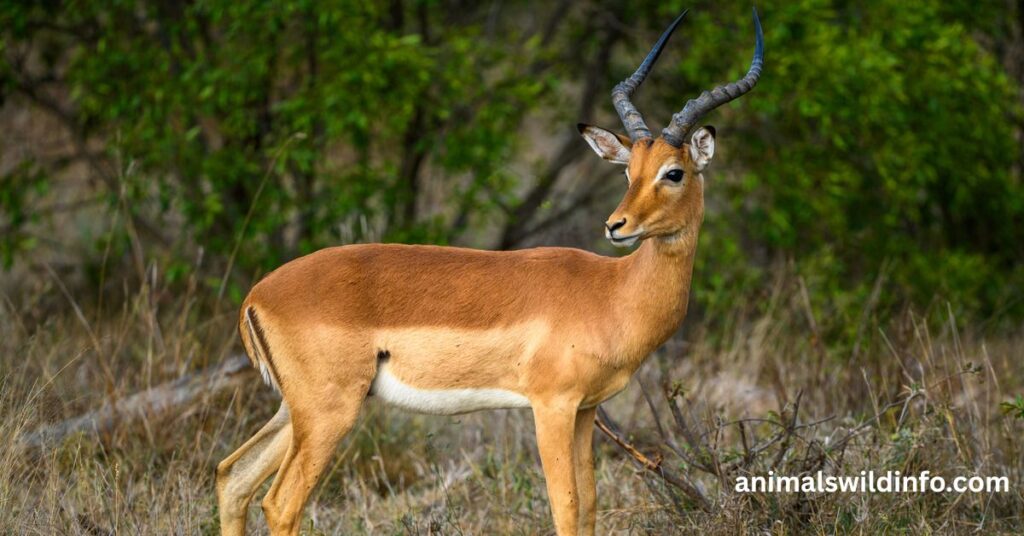
The antelope family includes many species built for speed. Most can gallop at 50 to 55 miles per hour across open grasslands. Their long, thin legs act like springs, storing and releasing energy with each stride. Antelope herds also use smart group behavior, changing direction quickly to confuse predators. This mix of acceleration and teamwork makes them one of the more successful herbivores that gallop.
Elk
Scientific name: Cervus canadensis Class: Mammalia Diet: Herbivore
The elk is a large, strong animal that can still move surprisingly fast. It gallops at speeds near 45 miles per hour when startled or threatened. Elk live in herds across North American forests and mountain meadows, and their size doesn’t slow them down much. Their powerful legs and large lungs give them both good acceleration and solid endurance over rough terrain.
See Also: Top 8 Dangerous Animals in Aruba: Some Can Be Deadly
Bison
Scientific name: Bison bison Class: Mammalia Diet: Herbivore
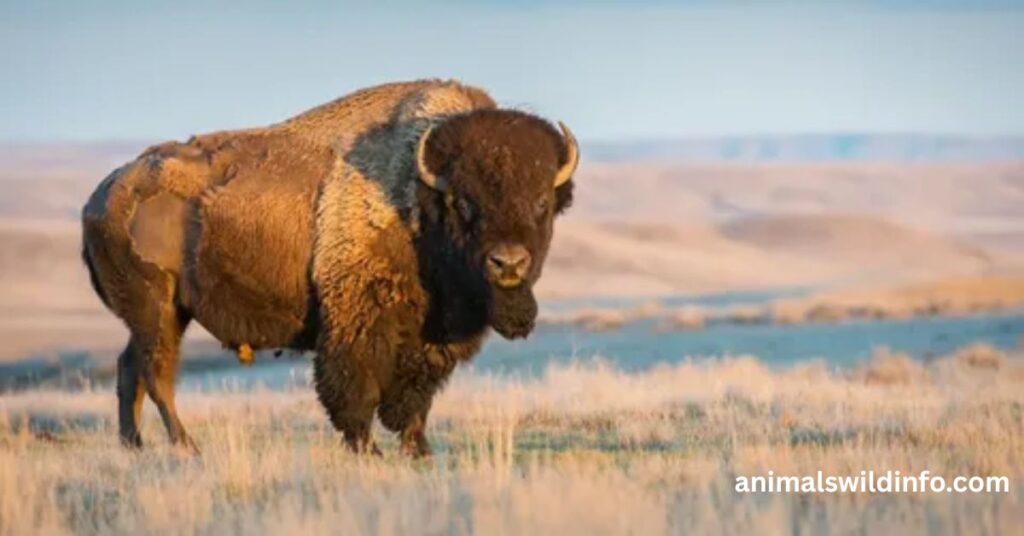
It’s easy to think a 2,000-pound animal can’t move fast, but the bison proves otherwise. It can gallop at nearly 35 miles per hour. Bison herds once roamed across huge stretches of American open plains, and their thundering gallop was a defining sound of the frontier. Their size and speed combined make them one of the most surprising land animals on this list.
Rhinoceros
Class: Mammalia Diet: Herbivore
The rhinoceros is another giant that can move much faster than people expect. Despite weighing over a ton, a rhino can gallop at 30 to 34 miles per hour. Its short, thick legs generate huge force with each stride. Rhinos mostly live in grasslands and savannah regions, and while they don’t need to outrun predators often as adults, their speed helps them defend territory and charge when threatened.
Read More: 30 Skinny Animals in the World (With Pictures & Interesting Facts)
Dog
Scientific name: Canis lupus familiaris Class: Mammalia Diet: Omnivore
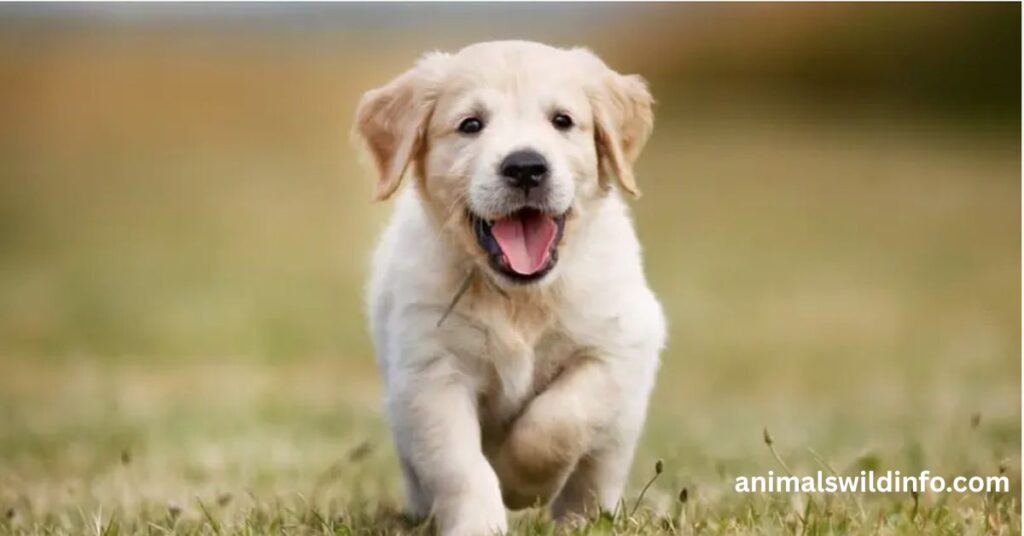
Many people ask, “does a dog gallop?” The answer is yes, especially breeds like Greyhounds and Vizslas. These dogs can gallop at 30 to 45 miles per hour. Watching a dog gallop across a park is often pure joy in motion. Their ancestors used this gait for hunting, and that instinct still shows up in modern pets during playtime. It’s a clear link between wild history and everyday animal behavior.
Wolf
Scientific name: Canis lupus Class: Mammalia Diet: Carnivore
The wolf is built for both speed and endurance. While it can gallop at around 35 to 40 miles per hour in short bursts, its real strength lies in stamina. Wolves can maintain a steady pace for miles while hunting prey as a pack. This teamwork, paired with strong animal communication, makes wolves some of the most effective carnivores that gallop in the wild.
Lion
Scientific name: Panthera leo Class: Mammalia Diet: Carnivore
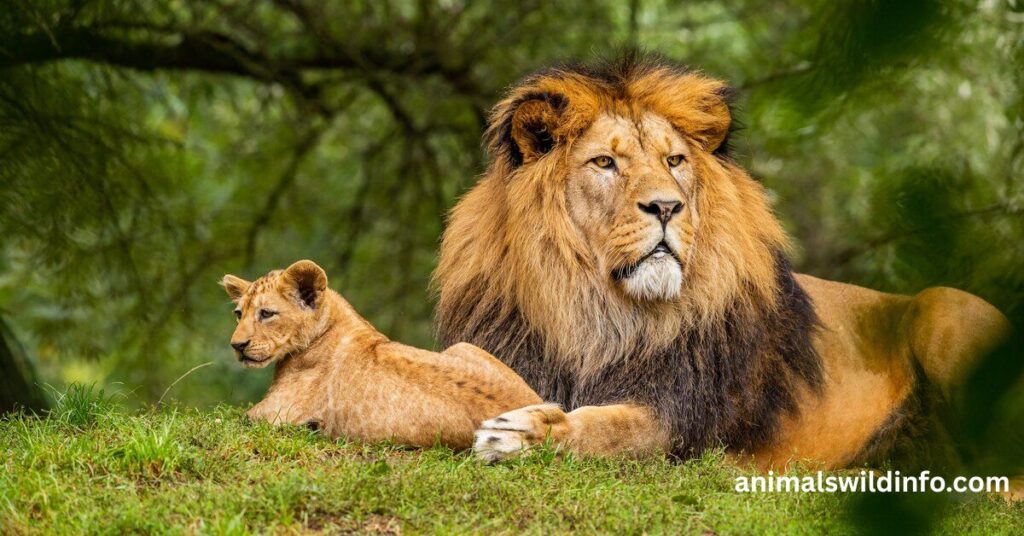
The lion doesn’t gallop constantly, but when it does, it’s explosive. Lions can reach 50 miles per hour in short chases. Because of their heavy, muscular build, they can only keep this pace for a few seconds. Lions often hunt in groups, using coordinated hunting tactics rather than relying on speed alone. This social structure is a big part of their success as top predators.
Tiger
Scientific name: Panthera tigris Class: Mammalia Diet: Carnivore
Unlike lions, the tiger is a mostly solitary hunter. It can gallop at speeds up to 30-40 miles per hour in short sprints. Tigers rely more on stealth than sustained speed, sneaking close to prey before a final burst. Their body structure, with a low center of gravity, helps them move through dense forest cover while staying balanced and quiet.
Cheetah
Scientific name: Acinonyx jubatus Class: Mammalia Diet: Carnivore
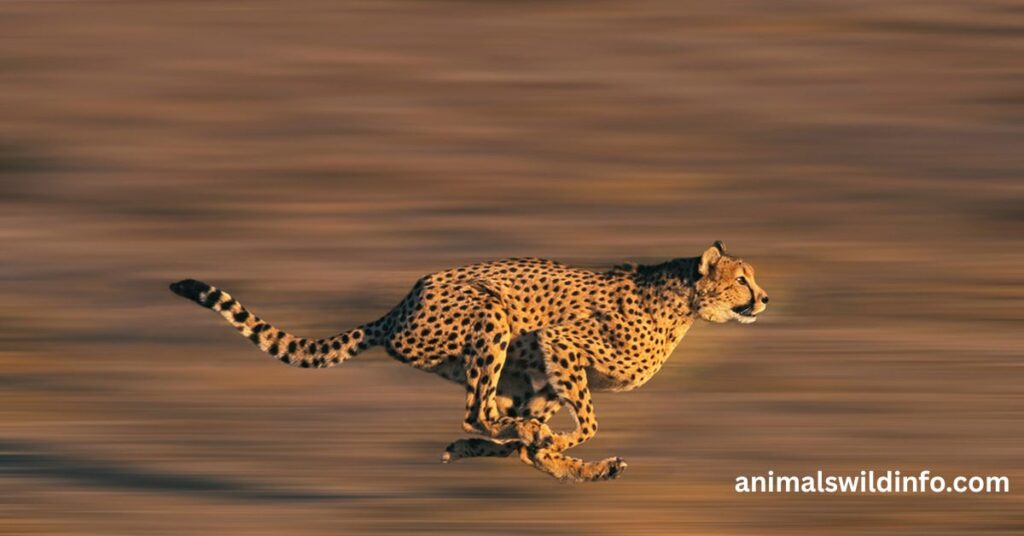
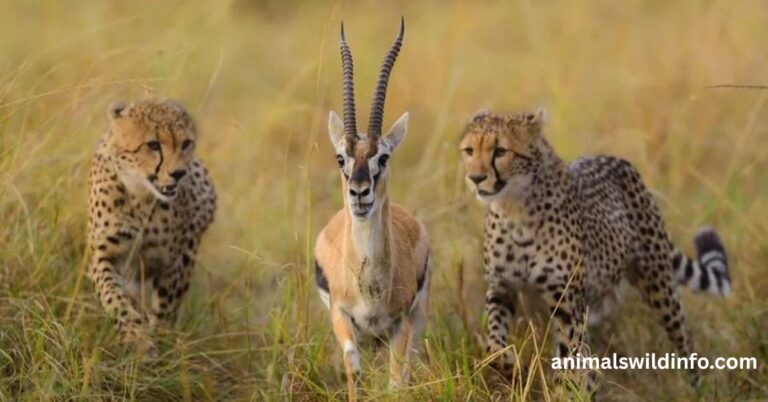
No list of fast-running animals is complete without the cheetah. It’s the fastest land animal alive, reaching speeds up to 75 miles per hour. Its spine flexes like a spring with every stride, and its long tail acts as a rudder for sharp turns. However, this incredible running speed only lasts 20 to 30 seconds before the cheetah needs to rest. It’s a perfect example of speed traded for endurance.
Hyena
Scientific name: Hyaenidae Class: Mammalia Diet: Carnivore
The hyena is often underestimated, but it can gallop at up to 37 miles per hour. Its front legs are slightly longer than its back legs, giving it a distinct running style. Hyenas often hunt in groups, using their speed and stamina to wear down prey over long chases. This combination of agility and social hunting makes them surprisingly effective predators across African savannah regions.
Bear
Class: Mammalia Diet: Omnivore
Most people don’t expect a bear to gallop, but it can reach 30 miles per hour over short distances. That’s faster than most humans can sprint. Bears use this burst of speed to defend cubs or chase down prey. Their heavy build might look clumsy, but their powerful legs and thick muscle give them surprising acceleration when it matters most.
Crocodile
Class: Reptilia Diet: Carnivore
Does a crocodile gallop? Surprisingly, yes. The crocodile can perform a galloping motion on land during short chases. This is one of the more unusual entries on this list, since most reptilia don’t move this way. Crocodiles switch between swimming and this land gallop depending on the situation, showing flexible terrestrial locomotion despite their mostly aquatic lifestyle.
Hippopotamus
Scientific name: Hippopotamus amphibius Class: Mammalia Diet: Herbivore
The hippopotamus looks slow, but don’t be fooled. It can gallop at speeds up to 19 to 30 miles per hour on land. Their short, sturdy legs create powerful momentum despite their huge body weight. Hippos often live near rivers and lakes, and their gallop is mostly used for defense or during dominance displays between males protecting territory.
Wild Boar
Scientific name: Sus scrofa Class: Mammalia Diet: Omnivore
The wild boar is quick, tough, and always ready to move. It can gallop at around 30 miles per hour, using bursts of speed to escape danger or defend its group. Wild boars live in forests and grasslands across many parts of the world. Their gallop also plays a role in social signals, helping establish rank within a group.
Goat
Class: Mammalia Diet: Herbivore
The goat may not be the first animal you think of, but it can gallop across rocky, uneven ground with real skill. Goats use short bursts of speed combined with sharp agility to move through natural habitat that would trip up other animals. Their strong sense of balance lets them gallop confidently on slopes and cliffs alike.
Sheep
Class: Mammalia Diet: Herbivore
Sheep aren’t known for speed, but they can gallop when startled or herded quickly. Their gait is less powerful than a horse’s but still uses the same basic four-beat gait pattern. Sheep tend to move in tight flocks, and a galloping sheep often triggers the whole group to follow, showing strong flock-based social behavior.
See Also: Top 18 Animals That Eat Corn (With Pictures & Feeding Facts)
Cow
Class: Mammalia Diet: Herbivore
Does a cow gallop? Yes, though not often. A cow can gallop short distances when frightened or excited, reaching speeds close to 25 miles per hour. Their large body isn’t built for long chases, but the burst can be surprising to anyone standing nearby. Farmers often see this gallop during herding or when cattle react suddenly to loud noises.
Donkey
Class: Mammalia Diet: Herbivore
The donkey is a steady, hardworking animal, but it can gallop when it needs to. Its top speed reaches around 30 to 35 miles per hour. Donkeys are known for strong stamina rather than raw speed, which makes them useful for long trips across rough or hilly natural habitat. Their energy efficiency is part of what makes them such dependable animals.
Llama
Scientific name: Lama glama Class: Mammalia Diet: Herbivore
The llama shows real athletic skill for an animal known mostly for its calm nature. It can gallop up to 30 miles per hour over short distances. Originally domesticated in the Andes mountains, llamas developed strong legs for climbing and moving across rocky terrain. Their gallop is smooth, with a natural four-beat rhythm that helps them cross difficult ground safely.
Alpaca
Scientific name: Vicugna pacos Class: Mammalia Diet: Herbivore
Last but not least, the alpaca rounds out our list of galloping wildlife. Alpacas gallop when playing or when startled, using quick bursts of speed across open fields. Their padded feet reduce damage to the ground, making them gentle on delicate natural habitat even while moving fast. Alpacas are social animals, and a galloping alpaca often triggers playful chasing among the herd.
Which Animals Are the Fastest Gallopers?
If you’re wondering which of these animals that can gallop wins the speed contest, here’s a quick answer. The cheetah takes first place by a wide margin, but several others come surprisingly close.
| Animal | Top Speed (mph) |
| Cheetah | 75 |
| Gazelle | 60 |
| Antelope | 50-55 |
| Horse | 55 |
| Lion | 50 |
| Zebra | 40 |
| Camel | 40 |
| Elk | 45 |
This table shows just how much variety exists in animal speed across the animal kingdom. Speed doesn’t always mean sustained power, though. The cheetah wins on sprinting, but wolves and camels win on endurance over longer distances. That mix of acceleration and stamina is what makes wildlife movement so fascinating to study.
Animals That Gallop vs Animals That Cannot Gallop
Not every land animal can gallop, and there’s a good reason why. Body shape plays a huge role. Animals like elephants and tortoises simply don’t have the flexible spine or leg structure needed for this quadrupedal movement. Their weight and skeletal design favor stability over speed.
Here’s a simple comparison:
| Can Gallop | Cannot Gallop |
| Horse, Cheetah, Zebra | Elephant, Tortoise |
| Deer, Wolf, Lion | Sloth, Rhinoceros beetle (not a mammal) |
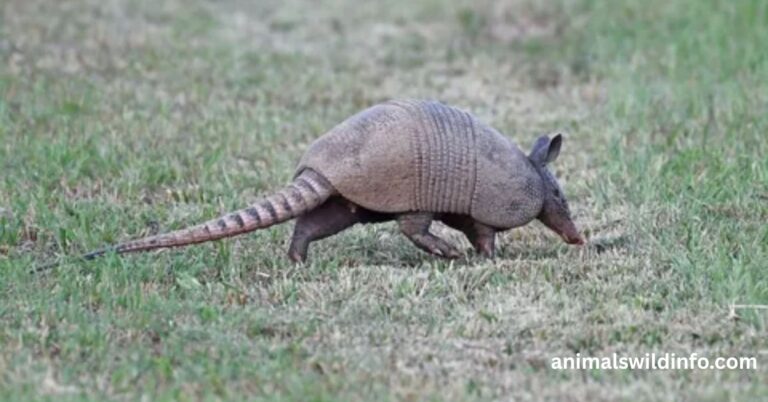
| Camel, Llama, Bison | Hedgehog, Armadillo |
This difference comes down to animal anatomy and millions of years of evolution. Fast terrestrial locomotion works well for open grasslands and savannah life, but it’s less useful for animals that rely on armor, size, or slow movement to survive. Every wildlife species finds its own path based on habitat and need.
Interesting Facts About Galloping Animals
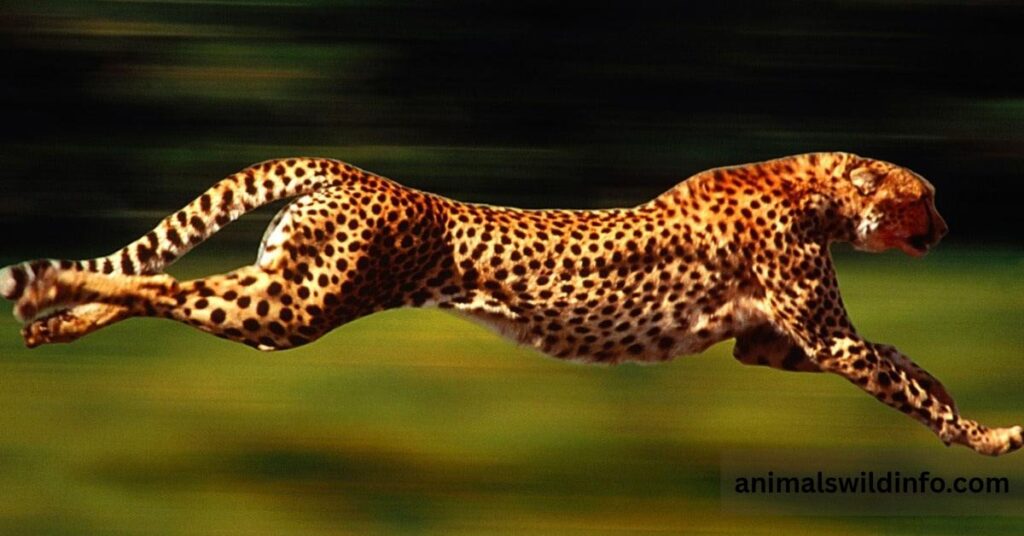
Galloping is full of small surprises once you dig into the details. Cheetahs can accelerate from 0 to 60 miles per hour in about three seconds, which is faster than most sports cars. Giraffes gallop with a strange rocking motion because their front and back legs move almost in sync rather than opposite pairs like most mammals that gallop.
Wild American bison herds could once be heard from miles away as they galloped across the plains, a sound early settlers described as thunder rolling across the land. Crocodiles are one of the few reptiles capable of a true gallop, a trait scientists only confirmed through slow-motion video studies in recent years. And despite their bulk, hippos have caused more human injuries in Africa than lions, partly due to their sudden bursts of speed on land. As naturalists often say, “Never judge an animal’s speed by its size.”
Frequently Asked Questions
What animals can gallop?
Many land animals can gallop, including horses, zebras, deer, lions, wolves, camels, and even dogs. Galloping is common among mammals, though a few reptiles, like crocodiles, can do a version of it too.
What is the difference between galloping and running?
Running is a general term for fast movement. Galloping is a specific gait with a suspension phase, where all four feet leave the ground at the same time. Not all fast movement counts as a true gallop.
Do giraffes gallop?
Yes, giraffes gallop using an unusual rocking motion. Their front legs move together, followed by their back legs, creating a unique but effective form of quadrupedal movement.
Can crocodiles gallop?
Yes, crocodiles can gallop for short distances on land. This surprises many people since crocodiles are usually seen swimming, but their body structure allows a brief galloping motion when needed.
How many animals gallop?
Dozens of species across the animal kingdom can gallop, from herbivores like horses and deer to carnivores like lions and wolves. This list alone covers 25 examples, and there are many more.
Does a dog gallop?
Yes, especially fast breeds like Greyhounds. Dogs often gallop during play or while chasing something, showing off natural agility inherited from their wild ancestors.
Does a cow gallop?
Yes, though it’s less common. Cows can gallop short distances when startled, reaching speeds close to 25 miles per hour despite their large size.
Conclusion
Animals That Gallop show us amazing speed and strength. Horses, zebras, and cheetahs all use this fast gait to move across the land. Some animals gallop to escape danger. Other animals gallop to catch their food. Farm animals like goats and cows can gallop too. This proves that galloping is not just for wild creatures. Nature gives each animal the right body for this special skill.
Learning about Animals That Gallop helps us understand the animal kingdom better. Every creature has its own reason to run this way. Strong legs and flexible bodies make this movement possible. Students can watch these animals at farms, zoos, or nature parks. This knowledge builds respect for wildlife and its many wonders.