30 Most Energetic Animals in the World: Amazing Facts & Pictures
Some animals just never stop. They sprint, swim, fly, or buzz around like they’ve had ten cups of coffee. The most energetic animals on Earth don’t all move the same way, though. Some win with raw explosive speed. Others win with cardiovascular endurance that lasts for hours, or even days. And some just never sit still, burning fuel constantly through a nonstop active lifestyle.
This guide ranks 30 of the most energetic creatures alive today, from the sprinting cheetah to the tireless honeybee. You’ll see who wins on speed, who wins on animal stamina, and who just wins on sheer nonstop motion. Let’s get into it.
What Makes an Animal Energetic?
Energy isn’t one single trait. It shows up in three different ways across the animal kingdom. Some animals rely on explosive speed, burning huge amounts of fuel in short, fast bursts. Others depend on animal endurance, pacing themselves to keep moving for miles or hours without stopping. And a third group runs on constant activity, a high metabolism that never really switches off, even at rest.
A cheetah shows the first type perfectly. It can hit incredible speeds, but only for a few seconds before it’s completely out of gas. A honeybee shows the third type. It doesn’t move fast, but it barely stops moving all day. Understanding these differences matters, because “energetic” means something different depending on which animal you’re looking at.
Quick Comparison Table of the Most Energetic Animals
Before diving into all 30 animals one by one, here’s a fast snapshot. This table pulls the headline names so you get instant context before scrolling further.
| Animal | Top Speed | Energy Type | Standout Trait |
| Cheetah | 60-70 mph | Sprinting | 0-60 mph in 3 seconds |
| Pronghorn | 55 mph | Endurance runner | Fast pace over long distances |
| Peregrine-level dive speed (Arctic Tern flight) | 25 mph flight | Long-distance migration | 44,000-mile round trip |
| Honeybee | 15 mph | Constant activity | Visits 2,000 flowers a day |
| Hummingbird | 30 mph | Rapid wing beats | Wings beat 80 times per second |
| Dragonfly | 30 mph | Hunting precision | 95% hunting success rate |
| Mustang Horse | 30-40 mph | Sustained speed | Built for open-range stamina |
| Wolf | 35 mph | Pack endurance | Can travel 30 miles a day |
| Sea Otter | 5-6 mph swim | Tool use and activity | Constant grooming and foraging |
| Shrew | N/A | Rapid metabolism | Eats its body weight daily |
30 Most Energetic Animals (With Pictures)
Here’s the full lineup. Each animal below earns its place through speed, stamina, or nonstop activity, and often a mix of all three.
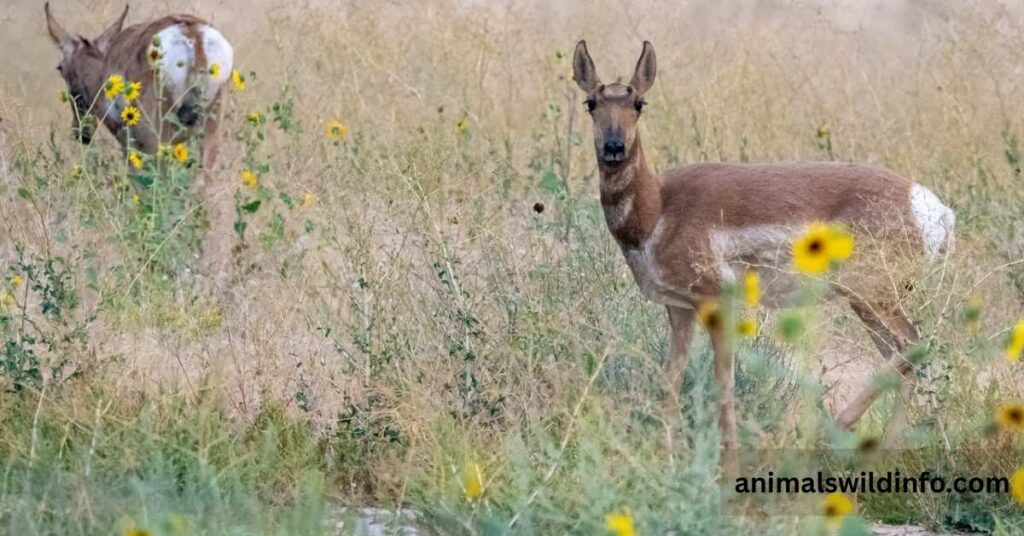
Pronghorn
The pronghorn is North America’s true endurance runner. It’s the second-fastest land mammal, capable of hitting 55 miles per hour, but its real superpower is pronghorn endurance. Unlike a cheetah, the pronghorn can hold near-top speed for miles, not seconds. Its oversized lungs and heart give it exceptional oxygen efficiency, letting it outlast almost any predator chasing it across open grassland. This is a textbook case of endurance vs speed working in perfect balance. Pronghorns also have incredible eyesight, spotting movement from over a mile away. That combination of vision and stamina makes them nearly impossible for coyotes or mountain lions to catch once they’re already running.
Ant
Ants may be tiny, but they’re some of the hardest-working creatures on the planet. An ant colony operates like a single, well-oiled machine, with each member playing a role in gathering food, defending the nest, or caring for young. Ants can carry objects up to 50 times their own body weight, a feat of muscular power that puts most animals to shame. Their energy isn’t about speed. It’s about relentless teamwork in animals, communicated through pheromone trails that keep the whole colony moving with purpose. This constant, coordinated labor is a major reason ants have colonized nearly every landmass on Earth.
Arctic Tern
No animal travels farther each year than the Arctic Tern. Arctic Tern migration covers roughly 44,000 miles annually, flying from the Arctic to Antarctica and back. This isn’t a burst of speed. It’s raw physical endurance stretched across months of flight. The tern’s slim, aerodynamic body and strong wings make long-distance travel possible, while its instinct for chasing endless summer daylight maximizes feeding time along the way.
Few migratory birds match this level of commitment, and the Arctic Tern’s journey stands as one of nature’s greatest examples of energy spent wisely over the long haul.
See Also: Top 8 Dangerous Animals in Aruba: Some Can Be Deadly
Dolphin
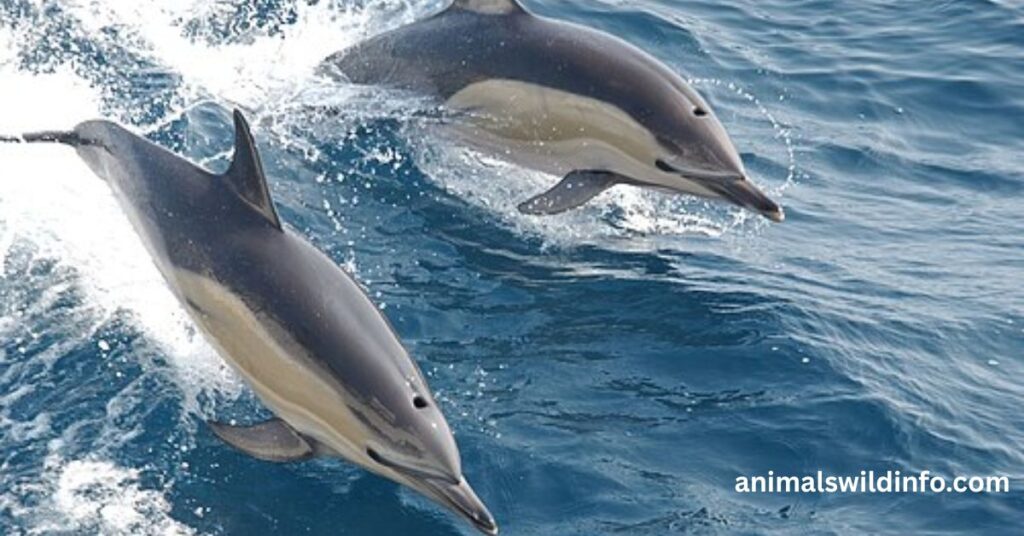
Dolphins combine speed, intelligence, and social energy in one sleek package. Dolphin intelligence is well documented, with pods using complex clicks and whistles to coordinate hunts and maintain relationships. Physically, dolphins are strong swimmers, capable of sustained speed while chasing fish or simply playing.
That playfulness isn’t wasted energy either. Leaping, spinning, and diving all strengthen social bonds within the pod. Dolphins also show signs of empathy, sometimes helping injured companions, a level of animal behavior that goes far beyond basic survival instinct.
Kangaroo
Kangaroo jumping is one of nature’s most efficient forms of movement. A single bound can cover over 30 feet, powered by incredibly powerful legs built for both distance and quick escapes. This hopping style actually saves energy compared to running, since kangaroos store and release elastic energy in their tendons with every bound.
Beyond their physical build, kangaroos live in social groups called mobs, coordinating movement and using vocal cues to keep the group safe. Their blend of efficient locomotion and social awareness makes them one of Australia’s most fascinating high-energy mammals.
Mustang Horse
Wild and free, the Mustang Horse thrives on open-range stamina. These horses can maintain a strong gallop over long stretches, a product of generations spent surviving without human intervention.
Their cardiovascular endurance lets them cover large distances searching for food and water, especially in tough terrain across the American West. Mustangs also show strong herd behavior, relying on social structure to stay alert and protected. Their resilience, both physical and behavioral, reflects thousands of years of adaptation to a demanding, unpredictable environment.
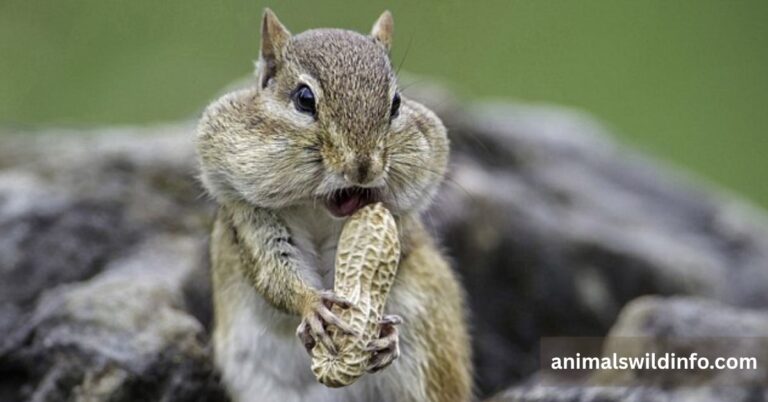
Squirrel
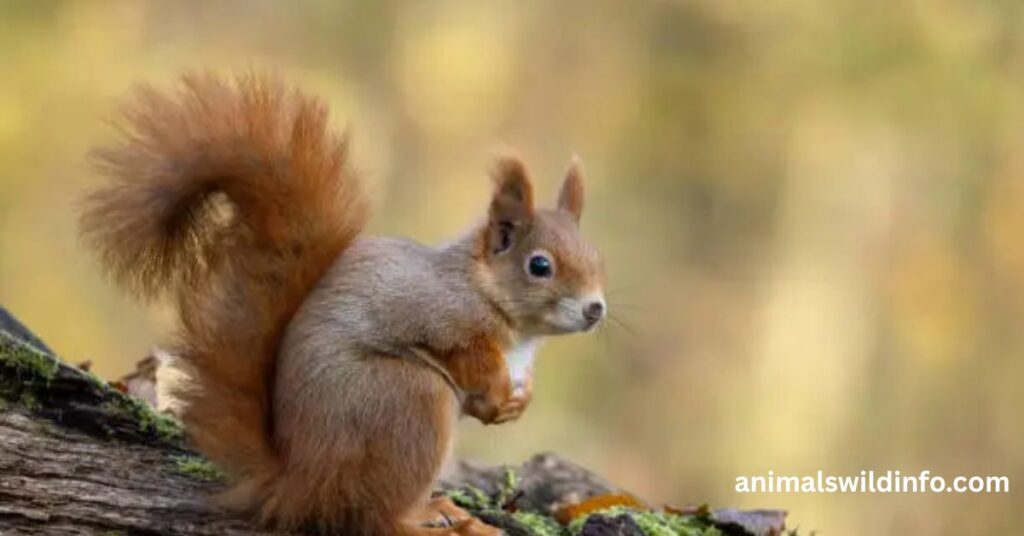
Squirrel agility turns ordinary trees and rooftops into a personal obstacle course. These small mammals leap between branches with astonishing precision, using quick reflexes and a flexible spine to change direction mid-air.
Beyond their acrobatics, squirrels show real problem-solving skill, figuring out clever ways to access bird feeders or buried food. Their constant movement also benefits forest ecosystems, since forgotten buried nuts often grow into new trees. This makes the squirrel both an energetic performer and an accidental gardener.
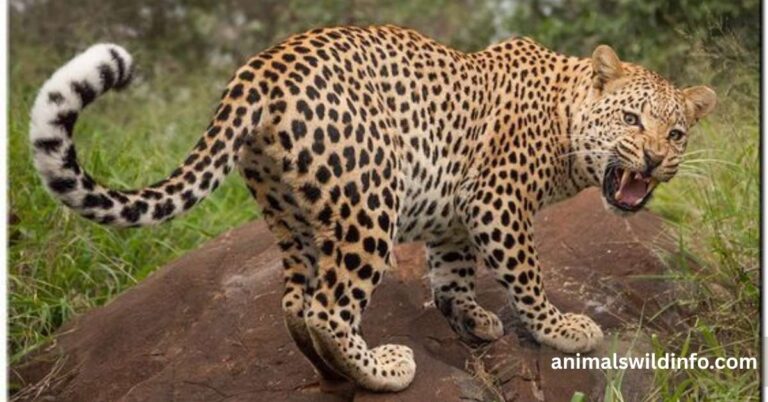
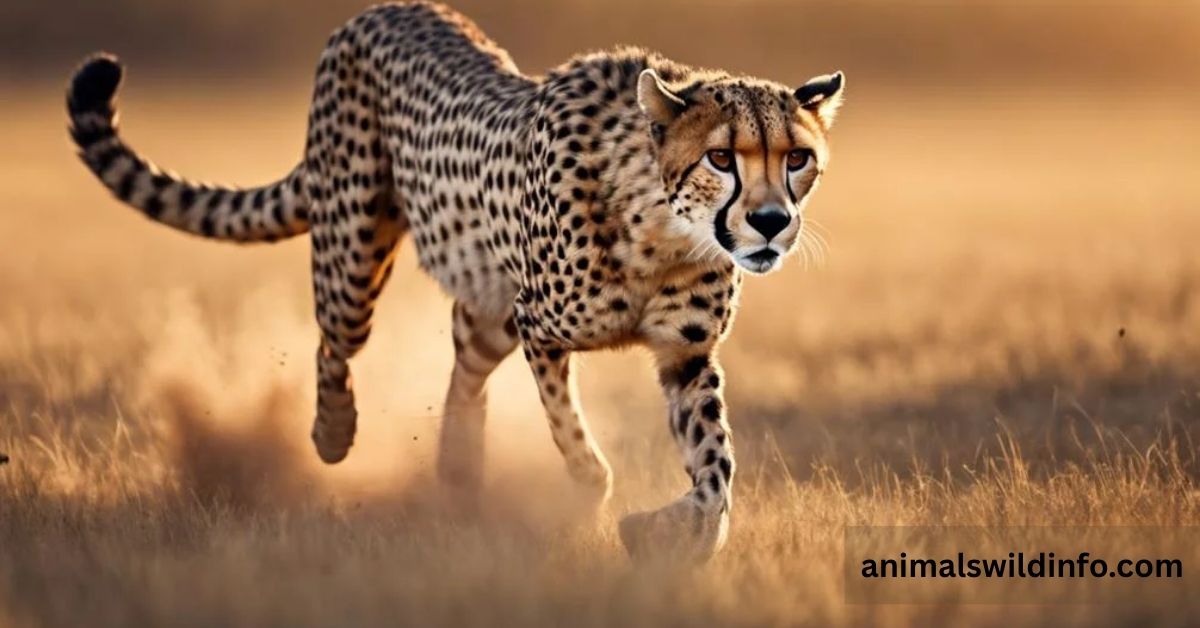
Cheetah
Nothing embodies cheetah speed quite like this big cat. It can accelerate from 0 to 60 miles per hour in about three seconds, a burst of explosive speed unmatched by any other land animal. That speed comes at a cost though. Cheetahs can only maintain top speed for around 20 seconds before overheating, meaning every hunt is a short, high-stakes sprint. Interestingly, cheetahs also show surprising social behavior, with male siblings sometimes forming small coalitions to defend territory and improve hunting success. Speed defines them, but cooperation helps them survive.
Adélie Penguin
Adélie penguins may waddle on land, but underwater they transform into fast, agile hunters. They can dive over 500 feet chasing krill and fish, showing impressive swimming endurance in freezing Antarctic waters. On land, their energy shows up differently, through elaborate courtship dances and busy, crowded nesting colonies often called penguin cities. This mix of underwater athleticism and above-water social activity makes the Adélie penguin a genuinely well-rounded energetic species, built for one of the harshest environments on the planet.
Read More: 30 Skinny Animals in the World: Fascinating Facts & Pictures
Capuchin Monkey
Capuchin monkey intelligence rivals that of some larger primates. These small monkeys use tools, cracking nuts with rocks or extracting insects with sticks, showing real problem-solving skill. Socially, capuchins build tight hierarchies, grooming each other and even comforting group members in distress. That emotional awareness, paired with constant physical activity, makes capuchins one of the more behaviorally complex animals on this list. Their energy isn’t just physical. It’s cognitive too, always working through a puzzle or a social dynamic.
Wolf
Wolf pack hunting depends on coordination as much as raw stamina. Wolves can travel up to 30 miles in a single day, tracking prey across vast territories. Their howls aren’t just noise. They’re a communication tool, marking territory and keeping pack members connected across long distances. This blend of physical endurance and social structure lets wolves succeed as hunters, even against prey much larger than themselves. Teamwork, in this case, multiplies raw energy into something far more effective.
Hummingbird
Few creatures pack more energy into a smaller body than the hummingbird. Hummingbird wing beats can hit 80 times per second, creating the signature hover that lets them feed on nectar mid-air. This demands an extraordinarily high metabolism, forcing hummingbirds to eat roughly twice their body weight in nectar every single day.
Hummingbird metabolism runs so fast that they enter a hibernation-like state called torpor overnight just to conserve energy. Beyond their own survival, hummingbirds play a critical pollination role, connecting their nonstop energy directly to the health of surrounding plant life.
Tasmanian Devil
Small but ferocious, the Tasmanian Devil brings surprising bursts of energy to its scavenging lifestyle. Loud screeches and growls echo through Tasmanian forests as these marsupials compete over food, often displaying more aggression than their compact size would suggest.
Sadly, a contagious disease called Devil Facial Tumor Disease has devastated wild populations, making conservation efforts increasingly urgent. Even under threat, the Tasmanian Devil remains a vital recycler of its ecosystem, cleaning up carcasses that would otherwise spread disease across the landscape.
African Wild Dog
African wild dog hunting stands out for its remarkable efficiency. These canines succeed in nearly 80% of hunts, a staggering rate compared to lions or other big predators. Their secret lies in cooperative hunting and smart energy conservation, working together so no single dog burns out chasing prey alone.
Beyond hunting, African wild dogs bond through greeting rituals and shared care of pups, reflecting a social structure built on trust. Habitat loss threatens their future, but their hunting model remains one of nature’s most efficient examples of hunting efficiency.
Swallow
Swallow migration takes these small birds thousands of miles between breeding and wintering grounds each year. Their sleek, pointed wings allow for constant aerial hunting, snatching insects mid-flight with remarkable precision. Scientists believe swallows navigate using a mix of landmarks and Earth’s magnetic fields, a form of natural GPS built entirely into their biology. Watching a swallow dart and dive at dawn is a quick lesson in flying ability, proof that even a small bird can master long-distance travel and split-second aerial control at the same time.
Siberian Husky
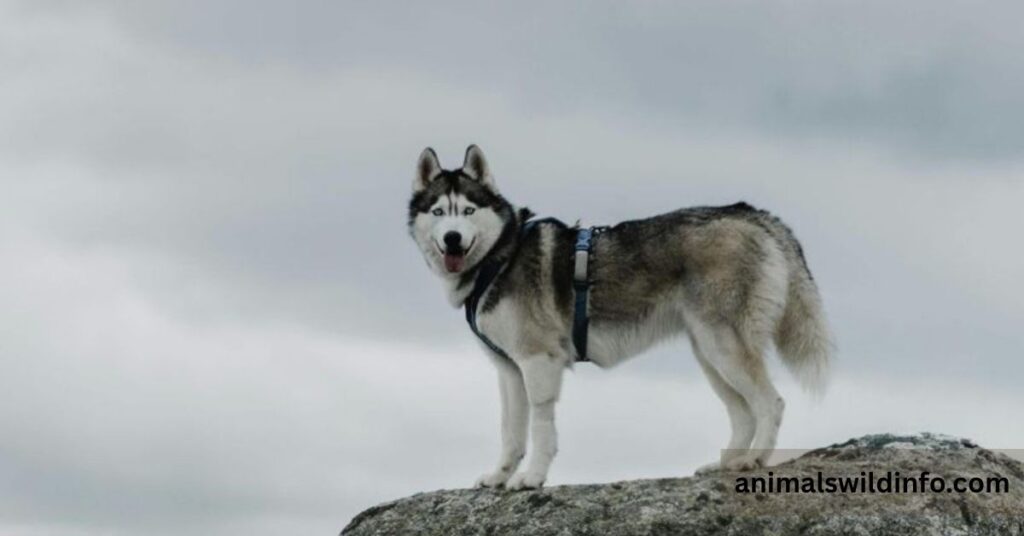
Siberian Husky endurance was bred for one purpose: pulling sleds across brutal Arctic terrain. Originally developed by the Chukchi people, this breed carries an instinct to run that modern pet owners must actively manage through regular exercise. Huskies are also famously “talkative,” using howls, whines, and barks to express themselves in a way that feels almost conversational. Without enough physical and mental stimulation, that legendary stamina can turn into restless, destructive behavior at home, which is why active owners tend to get along with huskies best.
Dragonfly
Dragonfly hunting success is almost unfairly high, with some studies showing capture rates near 95%. Their four independently-controlled wings allow flight in nearly any direction, including backward and hovering in place.
This unmatched agility turns them into precision hunters, snatching mosquitoes and other insects mid-air with ease. Dragonflies are also sensitive to environmental changes, meaning healthy dragonfly populations often signal clean, well-balanced wetlands. Their color can even shift based on temperature, adding another layer to their finely tuned, constantly active lifestyle.
Shrew
Shrew metabolism runs at an almost unbelievable pace. These tiny mammals must eat close to their entire body weight in food daily just to survive. That demand drives constant, frantic foraging through leaf litter and underbrush, hunting insects and worms with sharp teeth and surprising speed.
Some shrew species even produce venom, letting them take down prey larger than themselves. Few animals illustrate rapid metabolism as clearly as the shrew, a creature that essentially cannot afford to slow down, even for a moment.
Sea Otter
Sea otter tool use shows off both intelligence and constant activity. Otters float on their backs, cracking open shellfish using rocks balanced on their chests, a skill that takes real practice to master.
Beyond feeding, sea otters play a major ecological role by controlling sea urchin populations, which helps protect and maintain kelp forests. Socially, otters have been seen holding paws while sleeping to avoid drifting apart, a small but touching example of how their energetic lifestyle extends into genuine social bonding.
Chimpanzee
Chimpanzee intelligence and energy go hand in hand. These primates swing through trees, chase each other in play, and communicate through a rich mix of vocalizations and gestures. Chimps also cooperate closely within their communities, working together to find food and defend territory. That blend of physical activity and social strategy makes chimpanzees some of the most behaviorally complex animals on Earth, using their energy not just for survival, but for building lasting relationships within their group.
Baby Goat (Kid)
Baby goat jumping might be the purest expression of joy in the animal kingdom. Kids leap onto fences, bound across pastures, and seem to treat gravity as more of a suggestion than a rule. This constant play isn’t random.
It helps young goats build coordination, muscle strength, and social skills they’ll need as adults. Watching a group of kids headbutt and bounce around reveals a surprisingly structured form of communication, even if it looks like total chaos at first glance.
Border Collie
Border Collie intelligence ranks among the highest of any dog breed. Originally bred for herding sheep across the UK’s rugged hillsides, these dogs need both physical exercise and mental challenges to stay balanced.
Their herding instinct isn’t just a cute quirk. It’s a deeply wired drive to organize, track, and control movement, which explains why bored Border Collies sometimes try to herd children, cars, or anything else that moves. Given the right outlet, their energy translates into some of the most impressive obedience and agility performances in the dog world.
Honeybee
Honey bee pollination depends entirely on nonstop energy. A single honeybee can visit up to 2,000 flowers a day, with wings flapping roughly 200 times per second to produce their signature buzz.
That effort supports the entire colony, since bees rely on a “waggle dance” to communicate the exact distance and direction of food sources to each other. This constant labor doesn’t just keep the hive alive. It directly supports ecosystem balance, since so many crops and wild plants depend on bee pollination to reproduce.
Jack Russell Terrier
Jack Russell Terrier energy is famous for a reason. These small dogs pack an enormous amount of drive into a compact frame, always ready to chase, dig, or explore. Bred originally for fox hunting, Jack Russells carry a strong prey instinct and sharp problem-solving skills.
Without enough stimulation, that energy can turn into mischief fast, chewing furniture or escaping the yard just to find something to do. With proper training though, their intelligence and stamina make them excellent companions for active households.
Squirrel Monkey
Squirrel monkey activity never really slows down during daylight hours. These small primates leap through the rainforest canopy with impressive precision, using long limbs and a semi-prehensile tail for balance and control.
They live in large, noisy troops of up to 30 members, using constant vocalizations to stay connected while foraging or watching for predators. This near-constant chatter and movement reflect a species built for group survival, where staying alert and staying active go hand in hand.
Read More: 25 Animals That Gallop (With Pictures and Fun Facts)
Weasel
Weasels are small, but their weasel metabolism runs incredibly hot. These slender predators need to eat frequently, often hunting multiple times a day just to fuel their fast-paced lifestyle. Their long, narrow bodies let them chase rodents directly into burrows, something bulkier predators simply can’t manage.
This combination of speed, flexibility, and relentless hunger makes weasels surprisingly effective hunters despite their small size, proving that a high metabolism can be just as useful as brute strength.
Red Panda
Red panda climbing ability sets this species apart from most other mammals its size. With sharp, curved claws and flexible ankle joints, red pandas move through trees with impressive control, often using their long, bushy tails for balance.
While they spend a lot of time resting to conserve energy, their bursts of climbing and foraging activity show real muscular power packed into a small frame. Native to the mountain forests of Asia, red pandas rely on this agility to stay safe from ground-based predators.
Ferret
Ferret energy is famous among pet owners for a reason. These small, curious mammals move in constant bursts, darting around rooms, tunneling through blankets, and investigating every new object they find.
Originally bred for hunting, ferrets retain a strong prey drive and love of burrowing spaces. Their playful, high-energy nature usually peaks in short, intense sessions followed by deep naps, a rhythm that mirrors many small predators built for quick bursts rather than long endurance.
Octopus
Octopus intelligence might be the most surprising entry on this list. These soft-bodied cephalopods solve puzzles, escape enclosures, and even use tools like coconut shells for shelter. Physically, octopuses move with remarkable swimming endurance, using jet propulsion to dart away from predators in an instant.
Their nervous system is so distributed that their arms can process information somewhat independently, giving them a strange, almost alien form of constant, coordinated activity unlike anything else in the ocean.
See Also: Top 18 Animals That Eat Corn (With Pictures & Feeding Facts)
Wolverine
Wolverine stamina is legendary among wildlife researchers. Despite their stocky build, wolverines can travel enormous distances across harsh, snowy terrain in search of food, sometimes covering 15 miles or more in a single day.
Their powerful legs and thick fur let them thrive in freezing conditions that would exhaust most other mammals quickly. Fiercely territorial and endlessly persistent, wolverines show that raw endurance, paired with sheer stubbornness, can make even a mid-sized predator nearly unstoppable in its environment.
How These Animals Stay So Active
So what’s actually powering all this nonstop motion across such different species? A handful of biological tricks explain almost all of it, from oxygen intake to hunting strategy to simple social play.
Understanding these shared mechanisms helps explain why a shrew, a wolf, and a honeybee can all be called “energetic,” even though they look and behave nothing alike.
Fast Metabolism
A high metabolism means constant fuel-burning. Shrews, hummingbirds, and honeybees all fall into this category, needing to eat almost nonstop just to maintain their energy levels throughout the day.
Adaptations for Endurance
Large lungs, efficient hearts, and specialized muscle fibers give animals like wolves, pronghorns, and Arctic Terns the physical endurance to keep moving long after most other species would need to rest.
High-Energy Hunting Strategies
Speed and precision define successful hunting strategies. Cheetahs rely on sustained speed in short bursts, while dragonflies and African wild dogs rely on accuracy and teamwork to make every chase count.
Migration and Long-Distance Travel
Some animals convert energy directly into distance. Arctic Terns and swallows fly thousands of miles each year, proving that steady animal endurance can outperform raw speed over the long run.
Playful and Social Behavior
Not all energy serves pure survival. Baby goats, chimpanzees, otters, and dogs like Border Collies and Jack Russells burn energy through play, strengthening social bonds along the way.
Speed vs. Stamina: Which Animals Perform Best?
Speed and stamina rarely show up together in the same species, since sprinting and endurance actually require different types of muscle fiber. Fast-twitch muscles fuel explosive speed but tire quickly, while slow-twitch muscles support long, steady effort at a lower intensity.
This table breaks down which animals lean toward speed, which lean toward stamina, and which stay active almost constantly throughout the day.
| Category | Animals | Why They Excel |
| Fastest Short-Burst Animals | Cheetah, Dragonfly, Peregrine-style sprinters | Explosive speed for seconds, not minutes |
| Best Long-Distance Stamina | Arctic Tern, Wolf, Pronghorn, Mustang | Endurance runners and endurance flyers built for distance |
| Best “Always-On” Activity | Honeybee, Shrew, Hummingbird | Rapid metabolism keeps them in constant motion |
Traits Shared by the World’s Most Energetic Animals
Look closely, and these 30 animals actually share quite a bit in common beneath the surface. Most rely on some version of high metabolism, efficient oxygen-rich blood, and a body built specifically for their preferred movement style, whether that’s running, flying, swimming, or climbing.
Social behavior shows up constantly too. Wolves, dolphins, ants, and African wild dogs all lean on pack behavior or group coordination to multiply their individual energy into something far more effective. Combine that with a near-constant drive to find food, and you get the core recipe behind almost every energetic species on this list.
Why High Energy Helps Animals Survive
Energy isn’t just for show. It’s one of nature’s most practical survival adaptations. Speed helps prey animals like pronghorns escape predators before it’s too late, while it helps hunters like cheetahs and dragonflies close the gap during a chase.
Stamina supports long-distance travel, letting animals like the Arctic Tern follow food and favorable weather across the globe. And constant activity, seen in honeybees and shrews, keeps smaller animals fueled enough to avoid starvation in a world where their next meal is never guaranteed. In every case, being energetic works the same way camouflage or size does elsewhere in nature. It’s simply another tool for staying alive.
Frequently Asked Questions
What is the most energetic animal in the world?
There’s no single winner, since energy comes in different forms. The cheetah dominates raw speed, while the Arctic Tern dominates endurance through its incredible annual migration.
Which animal has the highest stamina?
The Arctic Tern is often considered the top long-distance runner of the animal kingdom, thanks to its 44,000-mile yearly migration between the Arctic and Antarctic.
Which small animal has the highest energy levels?
The shrew stands out among small animals, needing to eat nearly its entire body weight in food every day just to fuel its rapid metabolism.
Which animal is most energetic?
It depends on the category. Cheetahs win on speed, honeybees win on constant activity, and wolves or Arctic Terns win on sustained endurance.
What is energy in animals?
Animal energy generally refers to how efficiently a species converts food into usable fuel for movement, whether that’s short bursts of speed, long stamina, or constant low-level activity.
What animal is full of energy?
Small, high-metabolism animals like hummingbirds, shrews, and honeybees are classic examples, since all three must eat constantly just to maintain their nonstop pace.
Which animal represents energy?
The hummingbird is often used as a symbol of energy, thanks to its rapid wing beats and famously high metabolic rate relative to its tiny size.
Conclusion
Energy in the animal kingdom isn’t one-size-fits-all. Some species sprint, some endure, and some simply never stop moving. The most energetic animals on Earth each earn that title through a different combination of speed, animal stamina, and constant activity, shaped by millions of years of ecological adaptations.
Whether it’s a cheetah exploding into a sprint or a honeybee working nonstop through a single afternoon, every one of these 30 animals shows that being energetic is really just another way of staying alive. Next time you spot a fast, tireless, or endlessly busy creature in the wild, you’ll know exactly what’s driving all that motion.